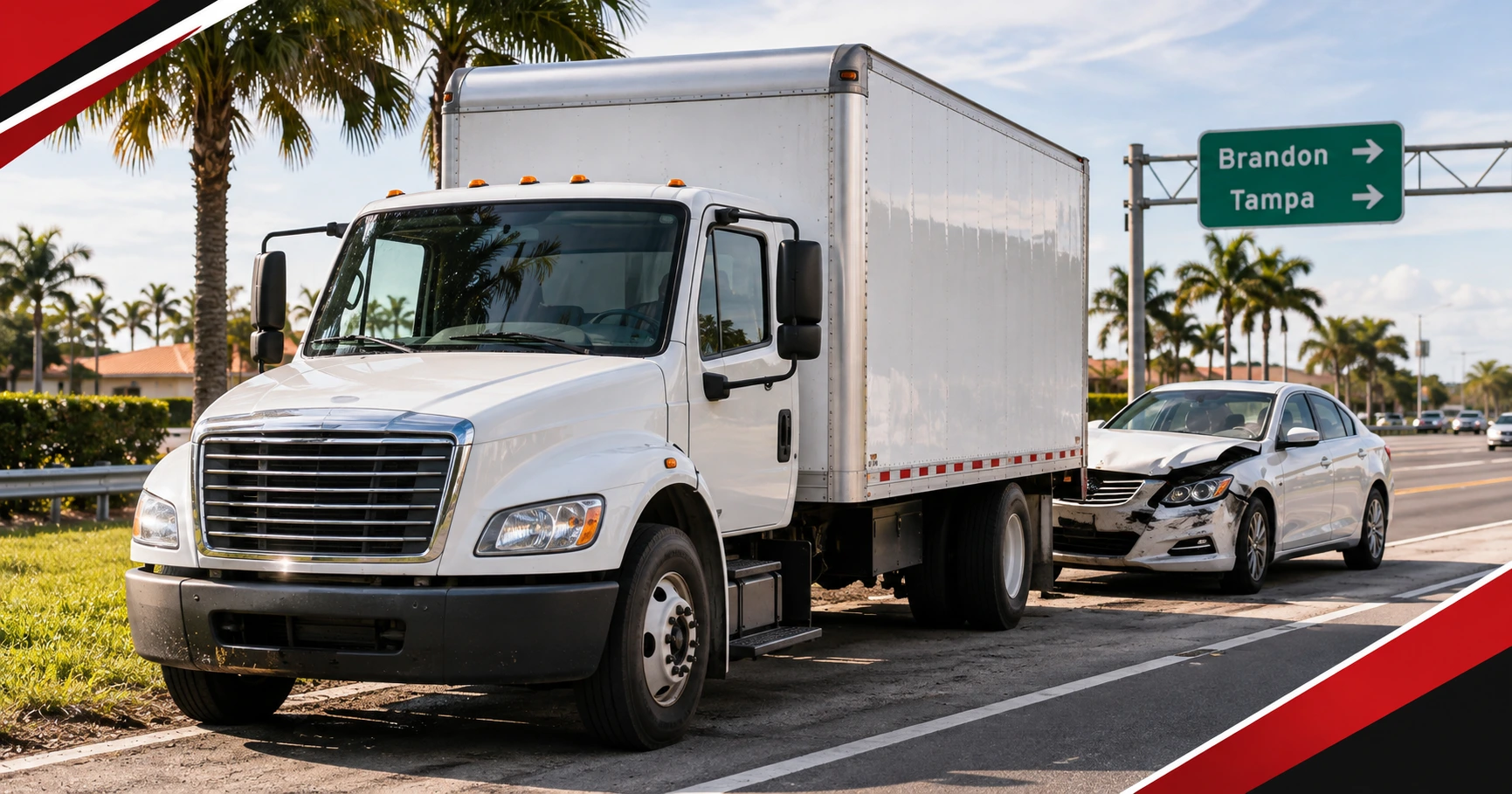
In Florida, semi-truck crashes happen fast—and knowing what to do after semi-truck accidents can make a real difference in your health, finances, and legal options. These collisions are especially common near high-traffic construction zones, industrial corridors, and major real estate developments, where heavy equipment, lane shifts, and tight schedules increase risk. Because a semi-truck is so large and heavy, even a “minor” impact can lead to serious injuries and expensive vehicle damage.
For construction professionals, property owners, architects, engineers, and developers, a truck crash can also disrupt jobsite operations, deadlines, and business responsibilities. You may be dealing with medical appointments, missed work, and calls from insurance adjusters—all while trying to keep projects moving. The right next steps help protect your recovery and prevent small mistakes from turning into big problems later.
That’s why this step-by-step checklist is designed to guide you from the first minutes after the crash through the days that follow. By focusing on safety, medical care, documentation, and smart communication, you’ll be in a stronger position to protect your rights and pursue fair compensation if someone else’s negligence caused the collision.
Step 1: Ensure Safety and Call Emergency Services
The first thing to do after any accident, especially one involving a semi-truck, is to ensure everyone’s safety. If possible, move to a safe location away from the traffic to avoid further risk of injury. In many cases, semi-trucks are involved in high-speed collisions, so other vehicles on the road may be approaching quickly. Getting to a safe spot is critical.
Once you’re safe, immediately call 911 or the local authorities to report the accident. Provide the dispatcher with as much information as possible, including the exact location, the number of vehicles involved, and whether anyone has been injured. Emergency medical assistance and police officers will be on their way to help, and it’s essential that law enforcement documents the scene of the accident.
For construction professionals, property owners, and developers who may be managing worksite logistics or handling large equipment deliveries, getting a police report is vital. This document will serve as an official record of the accident, which will be important if you need to pursue any legal action.
Step 2: Check for Injuries and Seek Medical Attention

Even if you feel fine after the accident, it’s essential to seek medical attention immediately. Semi-truck accidents often cause injuries that aren’t immediately visible, such as internal injuries, concussions, or spinal damage. Many people involved in such accidents are in shock, which can mask the pain of certain injuries.
Seek a thorough medical evaluation as soon as possible. Not only is this critical for your health, but it also establishes a medical record of your injuries that will be important for insurance claims or a personal injury lawsuit.
For professionals involved in large-scale projects, physical injuries from a semi-truck accident can affect your ability to oversee construction work, visit job sites, or manage your team. Understanding the full extent of your injuries allows you to accurately assess any lost income or increased costs related to your recovery.
Step 3: Document the Accident Scene and Gather Evidence
If you are able, document as much of the accident scene as possible. Take clear photographs of the vehicles involved, the surrounding area, the damage to the semi-truck, and any visible injuries you or others may have sustained. Photograph road conditions, signage, or traffic lights that may have contributed to the crash.
If there are any witnesses, gather their contact information. Witness statements can play an essential role in determining the cause of the accident, especially in construction zones or high-traffic areas where visibility or road conditions may have been factors.
For architects, real estate developers, and engineers, understanding the physical environment and circumstances of the crash is important for future design planning and liability concerns. Identifying issues such as poor road conditions, inadequate signage, or lane narrowing may help prevent similar accidents in the future.
Step 4: Exchange Information with the Other Parties Involved
Next, exchange contact information with the truck driver, any other drivers involved, and any witnesses. You’ll need to collect the following details:
- Full name, phone number, and address of the truck driver
- License plate number and driver’s license number of the truck driver
- Name of the trucking company
- Insurance details of the trucking company
- Contact details of any passengers or other drivers involved
For professionals who may be managing construction projects or development sites, having this information is crucial for tracking any damage to property or vehicles related to the accident. Insurance companies will require these details to process claims and determine fault.
Step 5: Report the Accident to Your Insurance Company
After gathering the necessary information and securing medical attention, contact your insurance company to report the accident. Be truthful about what happened, but avoid admitting fault or making statements that could be used against you later.
Your insurance company will begin an investigation to determine who is at fault for the accident and assess any damages. For construction professionals and developers, this step is also important for safeguarding any work vehicles, equipment, or property that may have been damaged.
Step 6: Avoid Speaking to the Trucking Company’s Insurance Adjuster
One of the most common mistakes victims make after a semi-truck accident is speaking to the trucking company’s insurance adjuster without legal representation. These adjusters are trained to minimize the amount of money the trucking company must pay out. They may offer you a quick settlement, but this initial offer is often far less than what you are entitled to.
If you’ve sustained significant injuries or damage to your property, it’s crucial to consult with a personal injury attorney before signing any documents or accepting an offer from the trucking company’s insurer.
Step 7: Consult an Experienced Personal Injury Attorney

Finally, the most important step you can take after a semi-truck accident is to contact an experienced personal injury attorney. The Reyes Firm specializes in representing victims of semi-truck accidents and has extensive experience in the complex nature of these cases. A qualified lawyer can help guide you through the legal process, protect your rights, and ensure that you receive fair compensation for your injuries.
An attorney can help with the following:
- Investigating the cause of the accident
- Communicating with the trucking company’s insurer
- Gathering expert testimony and evidence
- Filing a lawsuit if necessary
- Negotiating a fair settlement
How Can The Reyes Firm Help You
If you’re overwhelmed and unsure what to do after semi-truck accidents, you don’t have to figure it out alone. The Reyes Firm can step in immediately—protect your rights, deal with the trucking company and insurance adjusters, preserve critical evidence, and build a claim that reflects the true cost of your injuries, lost income, and future care.
Our team will investigate the crash from every angle, including driver logs, truck maintenance records, black box data, witness statements, and roadway conditions—especially in construction zones and high-traffic industrial areas where liability can be complex. While you focus on healing, we handle the legal pressure and fight for the full compensation you deserve.
Start with a free consultation today. If you were injured and need clear guidance on what to do after semi-truck accidents, contact The Reyes Firm now to take the next step with confidence.
Frequently Asked Qestions
How long does it take to resolve a semi-truck accident claim?
The timeline for resolving a semi-truck accident claim can vary greatly depending on the complexity of the case, but it may take anywhere from a few months to several years, especially if a lawsuit is involved.
What types of injuries are most common in semi-truck accidents?
Common injuries from semi-truck accidents include spinal cord injuries, traumatic brain injuries, broken bones, and internal injuries, which can be life-changing and require extensive treatment.
Can I file a lawsuit if the truck driver was not at fault?
Yes, you may still file a lawsuit if other parties were at fault, such as the trucking company, maintenance providers, or even a government agency responsible for road conditions.
Does Florida have a no-fault insurance system for truck accidents?
Florida operates under a no-fault insurance system for passenger vehicles, but semi-truck accidents typically involve liability claims, which means you may need to prove fault to recover damages.