October 18, 2024

Accident Injuries & why, Blog, FAQ, Legal, Motorcycle Education, Motorcycles, personal injury attorney, Why we serve

Motorcycle Riding in Rain: How to Stay Safe and Confident

Motorcycle riding in the rain can be a thrilling experience. Still, a different approach is required to ensure safety.  According to the Federal Highway Administration, rain can significantly reduce visibility and road traction, making it essential for riders to adapt their techniques. Thus, adjusting your riding style and gear can help you confidently navigate wet roads.  This guide provides essential tips and techniques for riding safely and enjoyably in the rain. Let’s get into it! Guidelines for Safe Motorcycle Riding in the Rain To begin with, driving a motorcycle in the rain presents unique challenges due to reduced visibility and slippery roads.  So, adjusting your riding style and practicing safe techniques can significantly enhance your safety on wet roads. Adjust Your Riding Style Reduce Speed: Slow down to give yourself more time to react to changing conditions. Increase Following Distance: Maintain a safe following distance to allow braking time in case of sudden stops. Avoid Sudden Movements: Smoothly accelerate, brake, and turn to avoid losing traction. Throttle Control Smooth Throttle Input: Gradually apply and release the throttle to prevent sudden acceleration or deceleration. Avoid Sudden Jerks: Avoid abrupt movements that can cause wheelspin or loss of control. Braking Gentle Pressure: Apply the brakes progressively and avoid sudden, hard braking to prevent skidding. Anti-lock Brakes (ABS): If your motorcycle has ABS, use it effectively to help prevent wheel lockup during braking. Cornering Reduce Speed: Approach corners with reduced speed to maintain control. Lean Less: Lean into corners less than usual to avoid excessive lean angles on slippery surfaces. Avoid Sudden Changes: Avoid abrupt changes in direction or speed while cornering. Avoid Puddles Deep Puddles: Avoid deep puddles, as they can cause hydroplaning, in which your tires lose contact with the road surface due to water buildup. Loss of Control: Hydroplaning can lead to loss of control, so exercise caution and avoid deep puddles whenever possible. Proper Gear for Rain Riding Furthermore, having the right gear to stay dry, comfortable, and visible when riding a motorbike in the rain is crucial.  Here are some essential items to consider: Waterproof Gear Waterproof Jacket and Pants: Invest in a high-quality jacket and pants to keep you dry in heavy rain. Look for garments with sealed seams and waterproof materials. Waterproof Gloves and Boots: Protect your hands and feet from the elements with waterproof gloves and boots.  Choose options with good traction to help you stay safe on wet roads. Anti-fog Helmet Visor Clear Visibility: A fogged-up visor can significantly impair your vision in the rain. Opt for a helmet with an anti-fog visor, or consider using an anti-fog spray to prevent fogging. Reflective Gear Visibility: In low-light conditions, reflective gear is essential for other drivers to see you. Wear reflective jackets, vests, or patches to increase your visibility on the road. Handling Wet Roads and Slippery Conditions Riding in wet weather requires extra caution due to reduced traction. Here are some tips for handling slippery conditions: Tire Grip Reduced Traction: Tires have less grip on wet roads, so you need to be more careful with your throttle control and braking. Smooth Throttle Control: Avoid sudden acceleration or deceleration, as this can cause wheelspin and loss of traction. Gentle Braking: Apply the brakes progressively and avoid harsh braking to prevent skidding. Body Position Upright Position: Maintain an upright body position to help you balance better on slippery surfaces. Relaxed Grip: Avoid gripping the handlebars too tightly, as this can make it difficult to react to changes in road conditions. Anti-lock Brakes (ABS) Prevent Skidding: ABS systems help prevent wheel lockup during braking, reducing the risk of skidding. Improved Control: ABS can help you maintain control of your motorcycle in wet conditions, even during emergency braking. Tire Maintenance and Traction Proper tire maintenance ensures optimal traction and safety, especially in wet conditions. Tire Pressure Optimal Traction: Maintaining the correct tire pressure ensures that your tires have the proper contact patch with the road, which is essential for good traction. Check your tire pressure regularly, especially before long rides or in changing weather conditions. Tread Depth Grip on Wet Roads: Adequate tread depth is vital for griping wet roads. Worn tires with shallow treads may have difficulty displacing water, increasing the risk of hydroplaning. Regular Inspections: Check your tire tread depth regularly using a tread depth gauge or visually inspect the tread. Tire Types Wet Weather Tires: Consider using tires specifically designed for wet weather riding. These tires often have deeper grooves that help displace water and provide better traction in moist conditions. Sport Touring Tires: Many sport touring tires offer a good balance of performance and wet weather handling. By paying attention to tire maintenance and choosing the right tires, you can significantly improve your traction and safety on wet roads.  For legal assistance in case of motorcycle accidents, visit The Reyes Firm for expert support. Visibility During Rainy Rides In terms of visibility, it is also crucial for safety riding in the rain, so here are some tips to improve it: Headlights and Reflective Gear Headlights On: Always keep your headlights on, even during daylight hours, to increase your visibility to other drivers. Reflective Gear: Wear reflective clothing or vests to make yourself more visible to other road users, especially in low-light conditions. Anti-fog Solutions Clear Vision: Apply anti-fog solutions to your helmet visor to help prevent fogging and maintain clear visibility. Bright Clothing Stand Out: Wearing bright-colored clothing or vests can help you stand out and be seen more quickly by other drivers.   Following these tips can significantly improve your visibility during motorbike riding in the rain and reduce the risk of accidents. Weather Conditions and Emergency Preparedness Riding in the rain on a motorcycle requires skill and preparedness. Here are some tips for handling various weather conditions and emergencies: Adjust to Rain Intensity Light Rain: Maintain a steady pace and be cautious of slick surfaces. Heavy Rain: Reduce speed, increase the following distance, and avoid deep puddles. Torrential Rain: If possible,
Truck accidents
After an Accident, FAQ, Legal, personal injury attorney, Settlement, Truck Accidents, Why we serve

Average Cost of a Truck Accident Settlement: What to Expect

Truck accidents can lead to devastating consequences, both physically and financially. Understanding the average cost of a truck accident settlement is crucial for accident victims seeking compensation for their injuries and losses. This article delves into the various aspects of truck accident settlements, including the average costs, factors influencing these amounts, and what to expect throughout the claims process. What is the Average Cost of a Truck Accident Settlement? Understanding Truck Accident Settlement Amounts The average cost of a truck accident settlement can vary significantly based on numerous factors. Typically, these settlements encompass compensation for medical bills, lost wages, pain and suffering, and other damages incurred due to the accident. In general, the average truck accident settlement can range from tens of thousands to millions of dollars, depending on the severity of the injuries, the extent of property damage, and the specifics of each case. It’s essential to note that the complexity of truck accident cases often leads to higher settlement amounts than other vehicular accidents. Factors Influencing Average Truck Accident Settlement Typical Costs Associated with Truck Accidents The costs associated with truck accidents can be extensive and multifaceted. Typical expenses include: Immediate medical bills. Rehabilitation costs. Lost income due to time off work. Long-term care for chronic conditions resulting from the accident. Furthermore, accident victims may incur indirect costs such as transportation for medical appointments and modifications to their living environments to accommodate disabilities. Understanding these costs is essential for accurately estimating the average price of a truck accident settlement and ensuring comprehensive compensation for all damages incurred. What are the Average Costs of a Commercial Truck Accident? Breakdown of Costs in Commercial Truck Accident Cases The average costs in commercial truck accident cases are substantial. These accidents often involve larger vehicles, which can cause more significant damage and injuries. The breakdown of costs typically includes medical expenses, property damage, legal fees, and potential punitive damages if negligence is proven. The average price of a commercial truck accident settlement may be higher than a standard vehicle accident due to the complexities involved, including multiple parties such as the driver, trucking companies, and sometimes even truck parts manufacturers. Comparing Semi-Truck Accident Costs with Other Vehicles When comparing semi-truck accident costs with those of other vehicles, it becomes evident that truck accidents often result in higher settlement amounts. This disparity arises from the sheer size and weight of commercial trucks, which can lead to more severe injuries and fatalities. For instance, while the average settlement for a car accident might range from a few thousand to several hundred thousand dollars, an average semi-truck accident settlement can easily exceed these figures, often reaching the millions, particularly in cases involving significant injuries or wrongful death claims. Medical Bills and Other Expenses in Commercial Truck Accidents Medical bills are a primary concern for victims of commercial truck accidents. The costs can accumulate quickly, encompassing emergency room visits, surgeries, physical therapy, and ongoing treatment for lasting injuries. Additionally, accident victims may face other expenses, such as psychological counseling for trauma related to the accident. These medical expenses are critical in determining the average cost of a commercial truck accident settlement, as they directly impact the financial burden on the victim and their family. How Much is the Average Truck Accident Settlement? Average Settlement Figures for Truck Accident Claims Various factors, including the specifics of the accident and the injuries involved, influence the average settlement figures for truck accident claims. While an average truck accident settlement can range from $20,000 to over $1 million, many factors contribute to the final amount. For instance, cases involving severe injuries, long-term disabilities, or fatalities tend to result in higher settlements. Understanding these averages can help victims set realistic expectations as they navigate the complexities of their truck accident claim. Impact of Negligence on Settlement Amounts The impact of negligence on settlement amounts cannot be overstated. If a truck driver is operating under the influence, speeding, or violating safety regulations, this negligence significantly affects the settlement. It often leads to higher compensation for the victim due to the clear liability established against the negligent party. In contrast, if the accident is determined to involve shared fault, the settlement may be adjusted accordingly, emphasizing the importance of thorough investigations in truck accident cases. Variations in Settlement Amounts Based on Accident Cases It’s essential to recognize that each truck accident case is unique, leading to variations in settlement amounts. Factors such as the jurisdiction of the accident, the insurance policies in place, and the willingness of the involved parties to negotiate all play significant roles in determining the final settlement. Moreover, mitigating circumstances, such as weather conditions during the accident, can influence the outcome. Understanding these variations helps victims approach their claims with a realistic perspective. What Should I Expect in a Truck Accident Case? Steps Involved in a Truck Accident Claim Process The truck accident claim process typically involves several key steps. Initially, the accident victim must gather evidence related to the accident, including police reports, medical records, and witness statements. Following this, consulting with a truck accident attorney specializing in personal injury claims is advisable. The attorney will assist in evaluating the case, negotiating with insurance companies, and filing necessary legal documents. Ultimately, the goal is a fair settlement compensating the victim for their losses. Role of a Truck Accident Attorney in Your Case A truck accident attorney plays a crucial role in navigating the complexities of a truck accident case. Their expertise in personal injury law allows them to advocate for the victim’s rights and interests effectively. This includes negotiating with insurance adjusters, preparing legal arguments, and representing the victim in court if necessary. A skilled truck accident lawyer can significantly enhance the chances of securing a favorable settlement, ensuring that all aspects of the victim’s suffering are accounted for in the final compensation. Possible Outcomes of a Truck Accident Settlement Possible outcomes of a truck accident settlement can range from total compensation for all damages to partial

Semi-Truck Crash
Accident Injuries & why, Blog, FAQ, Injury, Legal, personal injury attorney, Truck Accidents, Why we serve

Major Semi-Truck Crash Shuts Down Highway Lanes: Accident Details Inside

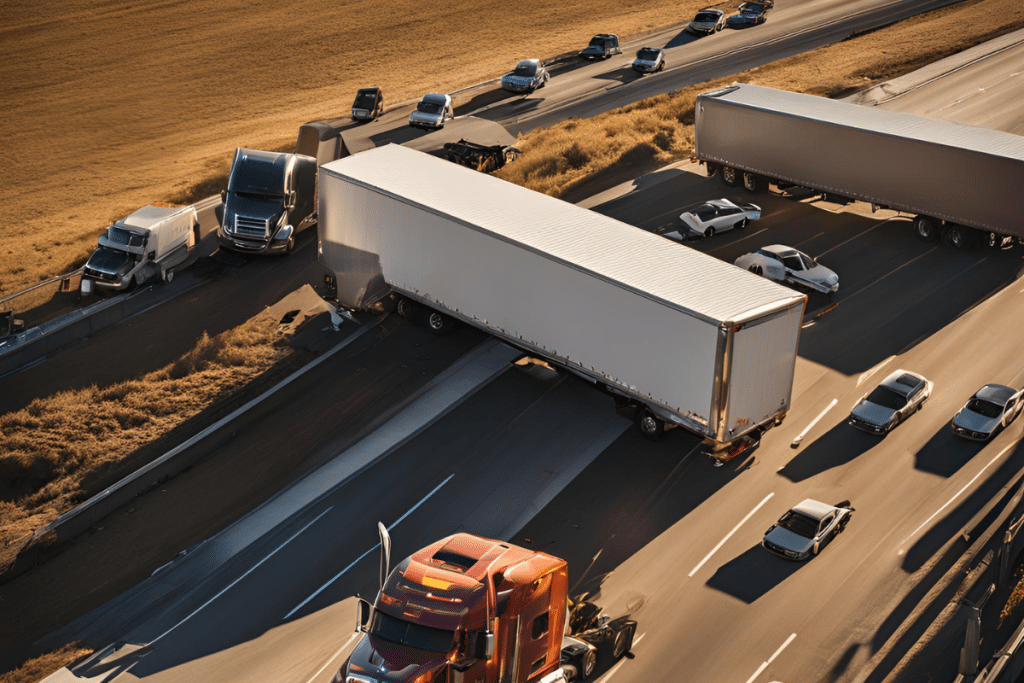
  The roads are designed to facilitate smooth traffic flow, but incidents can lead to extensive disruptions and serious consequences. A recent semi-truck crash has captured attention due to its severity and impact on highway operations. This article delves into the details surrounding this major accident, exploring what happened, the causes, law enforcement responses, and how we can prevent such incidents in the future. What Happened in the Latest Semi-Truck Crash? Details of the Semi-Truck Collision The latest semi-truck crash occurred on a busy highway involving multiple vehicles, resulting in a chaotic scene. According to reports from the Florida Highway Patrol, the accident happened when a semi-truck driver lost control of their vehicle, causing it to collide with another truck and a passenger car. Witnesses described the moment of the crash as alarming, with flames erupting from one of the vehicles following the collision. Emergency responders quickly arrived on the scene, and the situation necessitated a complete shutdown of the eastbound lanes to clear the wreckage and transport the injured to the hospital. Which Highway Was Involved in the Accident? The accident occurred on Interstate 95, a significant highway crucial for regional transportation. This highway is known for its heavy traffic, especially during peak hours, exacerbating the consequences of such accidents. The closure of the eastbound lanes near mile marker 252 led to significant delays as traffic was backed up for miles, forcing many drivers to seek alternate routes. The Department of Transportation worked diligently to manage the situation and inform motorists about the ongoing closure and the expected reopening time. What Time Did the Crash Occur? The semi-truck crash occurred on a Tuesday afternoon at approximately 3:45 p.m. This timing coincided with a busy period for commuters returning home from work, which increased the number of vehicles affected by the highway closure. Law enforcement and emergency responders faced the challenge of handling the accident scene and the growing traffic congestion resulting from the collision. They worked tirelessly to ensure the area was secured and the situation was controlled. What Are the Causes of Semi-Truck Accidents? Common Factors Leading to Truck Crashes Understanding the causes of semi-truck accidents is essential for preventing future incidents. A variety of factors can contribute to the occurrence of crashes involving these large vehicles. Common causes of truck accidents include driver fatigue, speeding, and mechanical failures. The sheer size and weight of semi-trucks make them more challenging to maneuver, and even minor errors can lead to severe consequences. Furthermore, distractions, such as mobile phone use, can significantly impair a driver’s ability to operate a semi-truck safely. How Do Driver Errors Contribute to Accidents? Driver errors are a leading contributor to many truck accidents. These errors can range from misjudging the distance required to stop to failing to signal lane changes adequately. In the recent crash, preliminary investigations indicated that the semi-truck driver may have been engaging in unsafe driving practices, ultimately leading to the collision. Authorities emphasize the importance of rigorous training and adherence to safety regulations to mitigate the risks associated with driver errors. The Role of Road Conditions in Truck Accidents Road conditions play a significant role in truck operations’ safety. Poorly maintained highways, inclement weather, and construction zones can all create hazardous driving situations. In this particular crash, investigators are investigating whether road conditions contributed to the semi-truck driver’s loss of control. The importance of regular road maintenance by the Department of Transportation cannot be overstated, as it plays a crucial role in preventing accidents and ensuring safe travel for all vehicles, including huge trucks. How Does Law Enforcement Respond to Truck Accidents? What Actions Do Police Take After a Semi-Truck Crash? In the aftermath of a semi-truck crash, law enforcement agencies take several critical actions to ensure public safety and gather information for investigations. First responders, including officers from the local police department and the highway patrol, secure the area to prevent further accidents and ensure the safety of those involved. They assess injuries, provide assistance, and work to clear the wreckage as quickly as possible. Additionally, they document the scene, taking photographs and gathering witness statements to contribute to their reports. How Are Suspects Identified and Arrested? When a semi-truck accident involves suspected negligence or criminal activity, law enforcement conducts thorough investigations to identify any suspects. In some cases, this may include reviewing video footage from traffic cameras or eyewitness accounts. If driver impairment is suspected, officers may conduct sobriety tests on-site. If evidence supports charges against a driver, such as reckless driving or DUI, the police can make arrests and bring the case to the court system for prosecution. What Reports Are Generated Following a Collision? Following a semi-truck crash, law enforcement generates multiple reports detailing the accident’s circumstances. These reports typically include accident reconstruction details, witness statements, and any charges filed against individuals involved in the incident. The data compiled in these reports is crucial for understanding the factors that contributed to the collision and for making informed decisions regarding highway safety improvements in the future. What Are the Consequences of a Major Truck Accident? Injuries and Fatalities: What to Expect? Major truck accidents can lead to severe injuries or fatalities, impacting not only those involved in the collision but also their families and communities. Injuries sustained in these accidents can range from minor to life-threatening, often requiring extensive medical treatment and rehabilitation. In tragic cases, fatalities may occur, leading to emotional trauma and financial burdens for the victims’ families. It is essential for all drivers, especially those behind the wheel of semi-trucks, to prioritize safety to prevent such devastating outcomes. Impact on Traffic and Road Closures The impact of a significant truck accident extends far beyond the immediate scene of the collision. Road closures can cause significant traffic delays, as seen with the recent incident on Interstate 95. Commuters may face detours, leading to frustration and lost time. Local businesses can also suffer due to decreased access and potential customer loss. Transportation departments need to communicate

Scroll to Top