
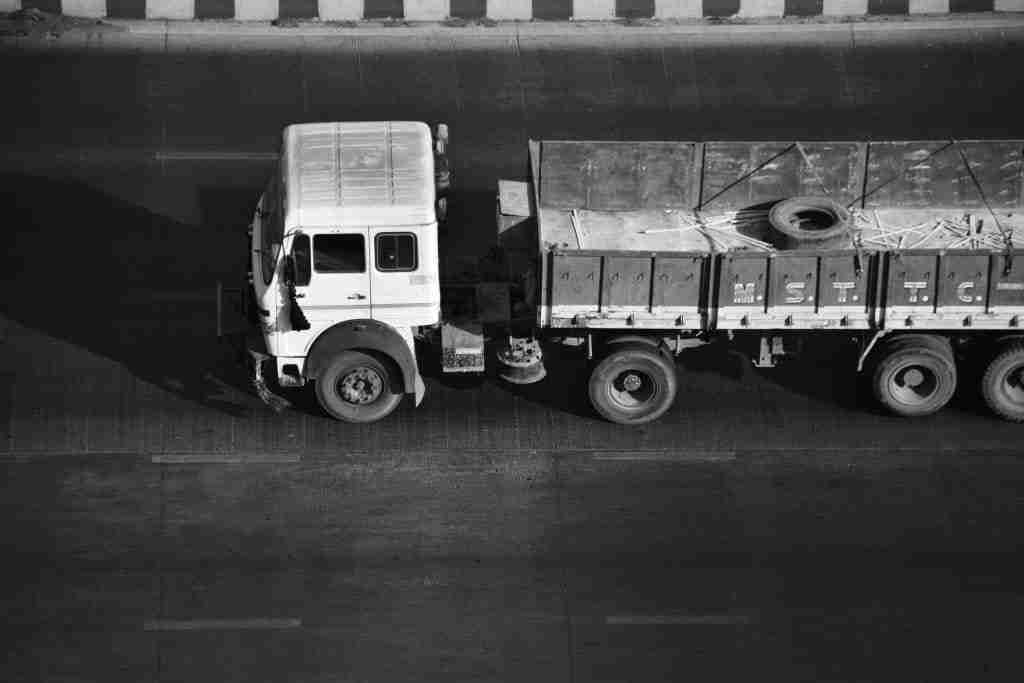
Exploring Types of Truck Drivers: What Truck Do They Drive?
The trucking industry is a vital component of the economy, facilitating the movement of goods across vast distances. However, not all truck drivers are the same; they operate different types of trucks based on their qualifications, the nature of their jobs, and the specific requirements of the cargo they transport. This article delves into the various types of truck drivers, the trucks they drive, their challenges, and essential regulations governing their profession. Understanding these aspects can help aspiring truck drivers make informed decisions about their career paths. What Are the Different Types of Truck Drivers in the Trucking Industry? In the trucking industry, there are several types of truck drivers, each specializing in different aspects of truck driving. Some common types include long-haul drivers, local drivers, and specialized drivers. Long-haul drivers typically transport freight over long distances, often crossing state lines, while local drivers focus on deliveries within a specific area, usually returning home each night. Specialized drivers may operate trucks requiring specific skills or certifications, such as those transporting hazardous materials or driving tankers. To succeed in these roles, a truck driver must possess a range of skills, including excellent navigational abilities, time management, and vehicle maintenance knowledge. What Qualifications Do Truck Drivers Need? To operate a commercial truck legally, drivers must obtain a CommerciaDriver’s License (CDL). This license is crucial as it demonstrates that the driver has met the necessary training and skills required to handle heavy vehicles. The CDL process includes a written test, a skills test, and a medical examination to ensure the driver is fit for the job. Different types of trucks may require different classes of CDL, meaning that the qualifications for driving a flatbed truck could differ from those needed for operating a tanker truck. Furthermore, drivers may need additional endorsements depending on the type of cargo they transport, such as hazardous materials. Aspiring truck drivers must enroll in reputable truck driving schools to prepare for the CDL requirements and gain the necessary skills to excel in the industry. How Does CDL Affect Truck Driver Types? The CDL directly influences the types of truck drivers in the industry. For instance, drivers need a Class A CDL to operate combination vehicles with a gross vehicle weight rating (GVWR) over 26,001 pounds, which includes most tractor-trailers. In contrast, a Class B CDL is needed for single vehicles with a GVWR of more than 26,001 pounds, such as buses and dump trucks. Specific endorsements, such as those for transporting hazardous materials, are also tied to the CDL. Therefore, the type of truck a driver can operate heavily depends on their CDL classification and endorsements, which define their role within the trucking industry. What Are the Common Types of Trucks Driven by Truck Drivers? Truck drivers operate a variety of trucks tailored to their specific freight needs. Common types of trucks include flatbed trucks, refrigerated trucks, and tanker trucks. Flatbed trucks are versatile and often used to transport construction materials, machinery, and oversized loads. Refrigerated trucks, or” “reefer,” are essential for transporting perishable goods and maintaining a controlled temperature throughout the journey. Tanker trucks are designed to transport liquids, including hazardous materials, and require specialized training to handle them safely. Understanding the specific functions of these trucks helps truck drivers choose their career paths and navigate the complexities of their jobs. What Types of Trucks Do Truck Drivers Typically Operate? Truck drivers typically operate several types of trucks, each designed for specific tasks and cargo needs. The choice of truck largely depends on the nature of the job and the freight being transported. For example, some drivers may specialize in flatbed trucks that are open at the top and sides, allowing for easy loading and unloading of goods that do not require protection from the elements. These trucks often carry heavy or oversized loads, such as steel beams, lumber, and construction equipment. What is a Flatbed Truck and What Are It Used? Flatbed trucks are trendy due to their versatility in transporting various goods. They feature a flat, open trailer that makes loading and unloading straightforward, often using cranes or forklifts. Common uses for flatbed trucks include transporting construction materials, machinery, and large equipment. Because flatbed drivers must secure their loads carefully, they need to possess strong skills in load management and safety regulations. This type of truck driving often requires a Class A CDL, especially when dealing with larger combination vehicles. How Do Refrigerated Trucks Function? Refrigerated trucks, or reefers, are specialized vehicles that maintain a specific temperature range to transport perishable goods. These trucks are equipped with a refrigeration unit that keeps the cargo cool, ensuring that products like food and pharmaceuticals remain fresh throughout transit. Operating refrigerated trucks requires drivers to monitor temperature settings continuously and be knowledgeable about the types of goods they are transporting. Many drivers who operate refrigerated trucks must have endorsements on their CDLs to handle the unique challenges associated with this type of cargo. What Are the Features of a Tanker Truck? Tanker trucks are designed to carry liquids, including fuel, chemicals, and hazardous materials. The design of a tanker truck varies depending on the type of liquid it transports, with specific features to ensure safety and compliance with federal regulations. Drivers of tanker trucks must receive specialized training, as they face unique challenges such as the potential for sloshing and shifting of liquid during transport. Additionally, these drivers must hold a specific endorsement on their CDL to handle hazardous materials, ensuring they are well-versed in safety protocols and emergency procedures. What Challenges Do Truck Drivers Face on the Road? While truck driving can be a rewarding career, it also comes with numerous challenges. Truck drivers often encounter various driving conditions, from inclement weather to challenging terrains, significantly impacting their safety and timely delivery. Additionally, long hours on the road can lead to fatigue, increasing the risk of accidents. Understanding these challenges is crucial for current and aspiring truck drivers, as it equips them with the knowledge to