
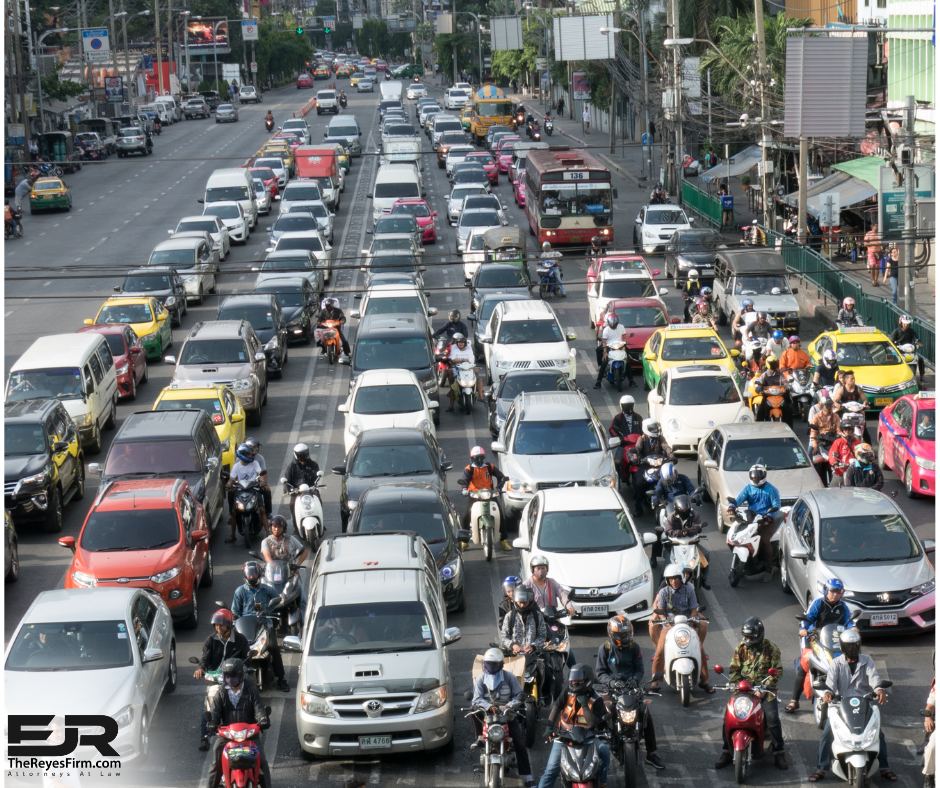
Is Lane Splitting Legal in Florida? What Riders Need to Know Now
If you’re a motorcycle enthusiast navigating Florida’s roads, you might wonder: Is lane splitting legal in Florida? The answer is no—lane splitting is not permitted. Florida law explicitly prohibits motorcyclists from riding between lanes of traffic, a practice that might seem convenient but carries significant risks and legal consequences. This rule exists for good reason. Lane splitting increases the chances of motorcycle accidents, posing dangers to motorcyclists and other drivers. Violating the law can lead to fines, traffic citations, and complications with insurance claims. So, why does Florida prohibit lane splitting, and what does it mean for riders like you? Let’s dive into the details. What Is Lane Splitting? Lane splitting is the practice of motorcyclists riding between two lanes of moving traffic, often to bypass congestion. Imagine a motorcyclist squeezing through cars during rush hour to avoid gridlock—it may look efficient, but it raises serious safety and legal concerns. You might also have heard of lane filtering, which is different. Lane filtering typically occurs at lower speeds when traffic stops or crawls, such as at a red light. While lane filtering is legal in some states, like California and Utah, Florida does not allow either lane splitting or lane filtering. The key distinction is speed and traffic conditions. Lane splitting happens between moving vehicles, while lane filtering occurs in slow or stopped traffic. Despite their potential to save time, both practices are off-limits in Florida to ensure road safety. Why Is Lane Splitting Illegal in Florida? Florida’s laws are clear: motorcycles must occupy a single lane like any other vehicle. According to Florida Statute 316.209, motorcyclists are prohibited from passing between lanes of traffic, whether cars are moving or stopped. Here’s why: Legal Prohibitions The law aims to maintain order and predictability on Florida’s busy roads. By restricting lane splitting, the state reduces the risk of unpredictable behavior that could lead to accidents. Safety Concerns Lane splitting increases the likelihood of accidents. Drivers may not see motorcyclists weaving through traffic, and sudden lane changes or car door openings can create dangerous situations. Additionally, enforcing traffic laws becomes more challenging for law enforcement when motorcycles ride between lanes. To stay safe on the road, motorcyclists should focus on defensive driving and be aware of common hazards. For more tips on avoiding these dangers, check out Motorcycle Safety Tips for Avoiding Common Road Hazards. These guidelines emphasize proactive safety practices that can help reduce risks, even in challenging traffic conditions. How Florida Compares to Other States Some states, like California, allow lane splitting under regulated conditions. These states emphasize rider training and awareness to mitigate risks. However, Florida’s high traffic volumes, unpredictable drivers, and frequent road construction make lane splitting especially hazardous. Therefore, the state has adopted stricter laws to protect all road users. Penalties for Lane Splitting in Florida Lane splitting in Florida doesn’t just break the law—it comes with real consequences that can affect your wallet, insurance, and legal standing. Traffic Tickets and Fines In Florida, lane splitting is illegal and considered a moving violation. Penalties for such violations include fines and points added to your driver’s license. Earning points on your driving record can result in higher insurance rates and the possibility of having your license suspended. For example, collecting 12 points within 12 months results in a 30-day suspension. Insurance Consequences Lane splitting can complicate insurance claims. If you’re involved in an accident while lane splitting, your insurance company might reduce your payout or deny your claim. Since the practice is illegal, insurers may argue that your actions contributed to the crash, leaving you to shoulder the costs. Accident Liability Being involved in an accident while lane splitting can make you partially or fully liable, even if the other driver shares some fault. Courts and insurance adjusters often view lane splitting as reckless, making it harder to recover damages or negotiate a fair motorcycle accident settlement. Safety Implications of Lane Splitting Lane splitting sparks debate about whether it’s a practical or dangerous practice. A study by the University of California, Berkeley, found that lane splitting can be relatively safe when traffic is moving at 50 mph or less and motorcyclists maintain a speed difference of no more than 15 mph compared to surrounding vehicles. However, the risks increase significantly with higher speed differentials or when performed in unpredictable traffic conditions, making it particularly dangerous in states like Florida with heavy congestion and less awareness of the practice. Is Lane Splitting Safer? Supporters of lane splitting often highlight its potential benefits, such as improving traffic flow, preventing motorcycles from overheating in congestion, and reducing the time riders spend in vulnerable positions surrounded by larger vehicles. However, these advantages depend heavily on proper regulation and driver awareness. Without clear guidelines or experienced riders, the practice can quickly lead to accidents. The risks become significantly pronounced at higher speeds, where reduced reaction times make lane splitting dangerous for motorcyclists and other road drivers. The Risks in Florida Traffic Conditions Florida’s unique traffic environment makes lane splitting particularly hazardous: Driver Awareness: Florida drivers aren’t accustomed to motorcyclists lane splitting, making sudden moves or collisions more likely. Traffic Congestion: Florida’s mix of fast highways and congested urban streets creates unpredictable traffic patterns. Wide Vehicles: Florida’s abundance of trucks, SUVs, and RVs leaves little space for motorcyclists to navigate safely. Weather Hazards: Frequent rain creates slippery roads and reduces visibility, increasing risks. Legal Guidance for Motorcyclists in Florida Navigating the aftermath of a motorcycle accident can be overwhelming, especially if lane splitting is a factor. Consulting an experienced motorcycle accident lawyer is essential to protect your rights and secure fair compensation. When Accidents Happen Motorcycle accidents can lead to severe injuries and significant financial challenges. A skilled motorcycle personal injury lawyer can: Determine liability, even in cases involving lane splitting. Negotiate with insurance companies to maximize your compensation. Advocate for your rights, ensuring you’re not unfairly blamed for the accident. If you’ve been injured in a motorcycle accident—whether lane splitting was