
T-Bone Accidents in Florida: Fault and Totaled Car Compensation
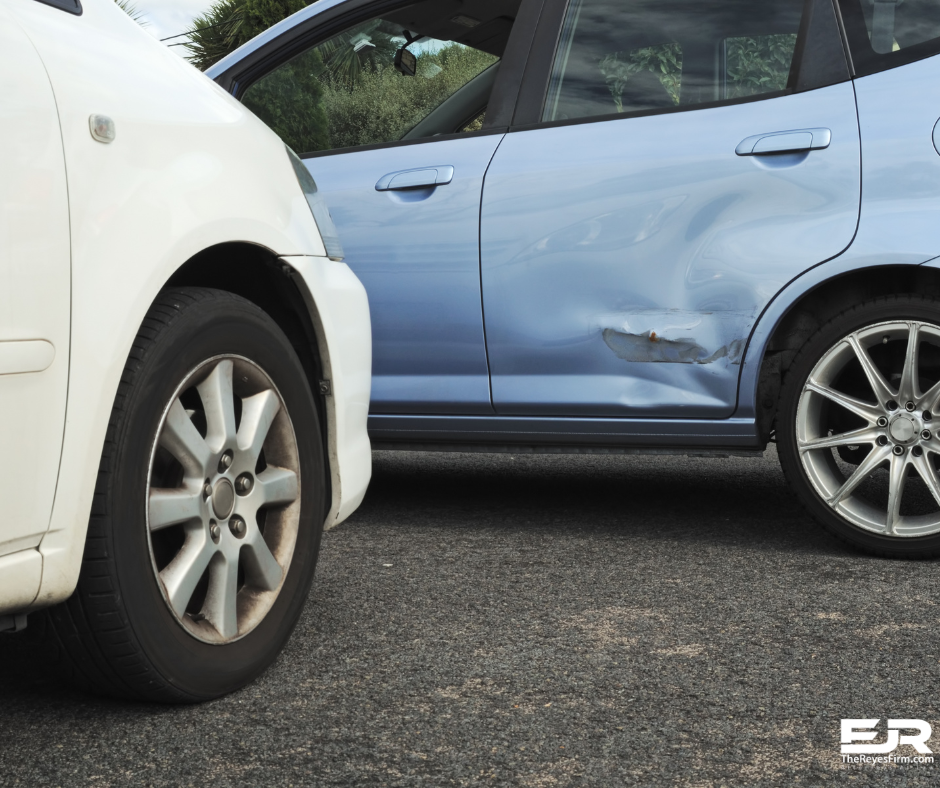
A T-bone accident—also known as a side-impact or broadside collision—can happen in an instant but can have life-altering consequences. These crashes occur when the front of one vehicle collides with the side of another, forming a “T” shape. They are particularly common at intersections, often due to red-light running, failure to yield, or distracted driving. Side impacts accounted for 22% of passenger vehicle occupant deaths in 2024, according to the Insurance Institute for Highway Safety. The limited protection on the sides of vehicles makes these collisions especially dangerous, leading to severe injuries or even death. Determining who is at fault in a T-bone accident in Florida can be complicated due to the state’s comparative negligence laws. Traffic signals, police reports, and witness statements are crucial in assigning liability. If you’ve been T-boned, understanding your legal rights is critical to securing the compensation you deserve. This guide covers everything you need to know about T-bone accidents in Florida, including their causes, who is at fault, and how a car accident lawyer can help you recover damages. What Is the Definition of a T-Bone Car Accident? A T-bone accident happens when one vehicle crashes perpendicularly into the side of another, forming a “T” shape. These collisions often result in serious injuries, as the impact occurs close to passengers with minimal structural protection. Where Do T-Bone Accidents Happen? Intersections – The most common location, often caused by red-light running or failure to yield. Parking lots – Usually low-speed but can still lead to vehicle damage and whiplash injuries. Highways & Access Roads – Often occur when a driver merges incorrectly or fails to yield to oncoming traffic. Because T-bone accidents often involve disputes over right-of-way, determining fault can be challenging. Causes of T-Bone Accidents Most T-bone collisions happen because of driver error or reckless behavior. Here are the leading causes: 1. Failure to Yield the Right-of-Way Making a left turn without checking for oncoming traffic. Merging onto a highway without adequately yielding. Assuming they have the right-of-way at a four-way stop. 2. Running Red Lights or Stop Signs A driver ignoring a red light can collide with cross traffic. According to IIHS, 1,149 fatalities occurred in 2022 due to red-light running. 3. Distracted Driving Texting, talking on the phone, eating, or adjusting the radio can cause a driver to miss traffic signals. At 55 mph, looking at your phone for five seconds is like driving the length of a football field blindfolded. 4. Drunk or Drugged Driving Impaired drivers have slower reaction times and poor judgment, increasing collision risk. NHTSA reports that about 32% of all traffic-related deaths involve alcohol-impaired drivers. 5. Speeding Through Intersections Drivers going too fast may be unable to stop in time, leading to a high-speed T-bone crash. Higher speeds = greater impact force & more severe injuries. 6. Illegal or Improper Turns Left turns without checking for oncoming traffic. U-turns in prohibited areas or right turns on red without yielding. 7. Poor Weather & Low Visibility Fog, heavy rain, and snow reduce visibility, making seeing traffic signals and vehicles harder. Preventing T-Bone Accidents Always look both ways before entering an intersection. Avoid distractions and follow speed limits. Never assume another driver will obey traffic signals. Common Injuries in T-Bone Accidents The force of impact in a T-bone crash can lead to severe injuries, including: Whiplash – Sudden jolt of the head and neck. Traumatic Brain Injuries (TBI) – Concussions or severe brain trauma. Spinal Cord Damage – This can cause permanent disability or paralysis. Broken Bones – Common in ribs, pelvis, arms, and legs. Internal Injuries – Damage to organs and internal bleeding. Psychological Trauma – PTSD, anxiety, and fear of driving after an accident. Seek Medical Attention Immediately Even if injuries seem minor, delayed symptoms can appear hours or days later. A medical report is crucial for insurance claims and legal cases. Who is at Fault in a T-Bone Accident? Determining liability in a T-bone collision depends on: Traffic Laws & Right-of-Way – Did a driver run a red light or fail to yield? Witness Statements – Neutral third-party accounts can confirm the fault. Police Reports – Citations & officer assessments impact liability. Traffic Camera Footage & Dashcams – Video evidence helps establish who had the right-of-way. Accident Reconstruction Experts – Professionals can analyze the crash if liability is disputed. Can a Stop Sign Violation Decide Fault in a T-Bone Crash? A stop-sign violation can be strong evidence of fault, but a traffic citation does not automatically decide the civil claim. Florida Statute § 316.123 requires a driver to stop at the marked stop line and yield before entering the intersection. The insurer or court may also consider traffic-camera footage, dashcam video, witness accounts, vehicle damage, driver speed, visibility, and the actions of both drivers. Florida’s Comparative Negligence Law Florida uses a modified comparative-fault system. More than one driver may share responsibility for a T-bone collision. If you are 50% or less responsible, your compensation is reduced by your percentage of fault. If you are found more than 50% responsible for your own harm, you generally cannot recover damages in a negligence action covered by Florida Statute § 768.81. Why You Need a Lawyer Insurance companies may dispute fault or argue that your own actions contributed to the crash. A car accident lawyer can collect evidence, respond to those arguments, and pursue the compensation supported by the facts and available coverage. What Compensation Can You Recover After a Florida T-Bone Accident? Victims can recover damages for: Medical Expenses – Hospital bills, rehab, therapy. Lost Wages & Future Earnings – If unable to work. Property Damage – Vehicle repair/replacement. Pain & Suffering – Non-economic damages like physical/emotional distress. Wrongful Death – Funeral costs, loss of income (if applicable). Can I Get Compensation for a Totaled Car After a T-Bone Crash in Florida? Yes. If your vehicle is declared a total loss after a Florida T-bone crash, you may seek compensation based on its actual cash value