
Florida Distracted Driving Accidents: What You Need to Know (And What to Do If You’re Hurt)
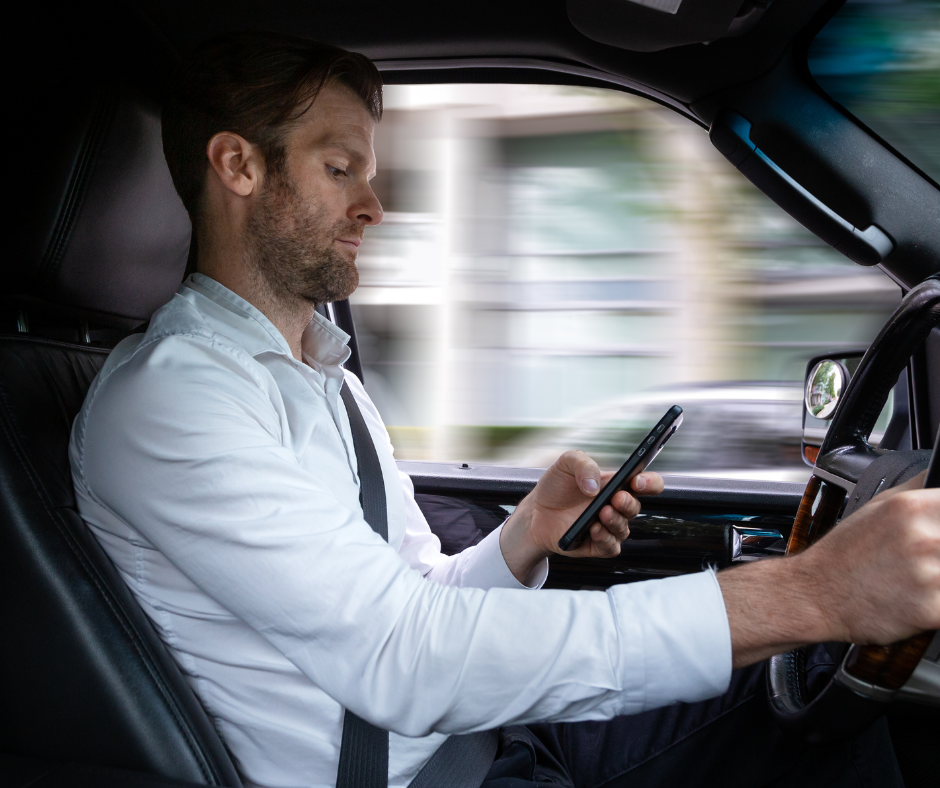
We’ve all been there. You’re at a red light, your phone buzzes, and you think, “Just one glance.” But in that one second, everything can change. At The Reyes Firm, we’ve seen firsthand how devastating distracted driving accidents can be. If you’re here because you or someone you love was hurt in a crash, you’re not alone, and you’re in the right place. Let’s walk through what distracted driving is, how Florida law sees it, and your legal options if a distracted driver has hit you. What Is Distracted Driving? Distracted driving isn’t just about texting. It is defined by the National Highway Traffic Safety Administration (NHTSA) as any action that takes a driver’s focus away from driving. This could mean: Looking at your GPS Changing your playlist Reaching into the back seat Eating while driving Chatting or arguing with passengers In 2024 alone, distracted driving was responsible for 7,842 crashes, 33 fatalities, and over 352 serious injuries across Florida, according to the FLHSMV. Florida Distracted Driving Laws: What You Need to Know Florida’s distracted driving laws are strict, and they vary depending on where you’re driving. Here’s what you can (and can’t) do: Texting and Driving Florida law prohibits manually typing or entering data into a wireless communication device for non-voice communication, including texting, emailing, or messaging. Handheld Devices Drivers cannot use a handheld wireless device for non-voice communication while driving. School and Work Zones Handheld phone use, even for making calls, is prohibited in schools and construction zones. Drivers must use hands-free or voice-activated features only. Hands-Free Devices In most areas, you may use hands-free technology (like Bluetooth or speaker mode) for voice calls, but you must stay alert and focused on the road. Penalties for Violations First Offense: Non-moving traffic violation + $30 fine (not including court costs) Second Offense (within 5 years): Moving violation, $60 fine, and 3 points on your license Exceptions You can use your phone or device for GPS navigation only if you have entered the route before driving You can use your phone when your vehicle is stationary, such as at a red light or while pulled over. Types of Distracted Driving The NHTSA defines three types of distracted driving: Visual – Eyes off the road Manual – Hands off the wheel Cognitive – Mind off driving. Each can lead to delayed reaction time and a potentially life-changing crash. Common Injuries from Distracted Driving Accidents At The Reyes Firm, we’ve worked with clients who’ve suffered all kinds of injuries due to distracted drivers: Whiplash and soft tissue damage Brain injuries and concussions Spinal cord trauma Fractures and broken bones Psychological trauma (PTSD, anxiety) Permanent disabilities or scarring Need help now? Connect with a Tampa Car Accident Lawyer to protect your rights. Can You Sue a Distracted Driver in Florida? Yes—and you likely should. Florida’s comparative negligence system allows you to seek compensation even if you were partially at fault. Our firm may help you recover damages for: Current and future medical bills Lost wages or income Pain and suffering (non-economic damages) Emotional trauma Property damage Physical therapy and rehab Loss of enjoyment of life If the other driver violated Florida’s distracted driving laws, that can also help your case by proving negligence per se—a legal shortcut to establishing fault. What to Do After a Distracted Driving Accident If you’re involved in a crash caused by a distracted driver, try to follow these steps (if you’re able): Call 911 and report the accident. Document the scene with photos and videos. Gather witness info (names, phone numbers). Don’t admit fault, even casually. Seek medical attention, even if you feel “fine.” Call an experienced Florida car accident lawyer. Get a Free Consultation with The Reyes Firm—we’re here to help you every step of the way. How The Reyes Firm Can Help We’re a local, accessible, and invested firm in the Florida communities we serve. At The Reyes Firm, we offer: Free consultations No fees unless we win Aggressive negotiation and trial experience Help with paperwork, claims, and treatment coordination Bilingual support in English and Spanish — so you’re fully informed and comfortable every step of the way Serving Tampa and surrounding counties across Central Florida, The Reyes Firm is here to help. Our trusted Tampa personal injury lawyers have your back. FAQs About Distracted Driving in Florida Q: Am I still eligible for compensation if I share some blame for the accident? Yes, Florida’s modified comparative negligence rule allows you to recover compensation after a car accident—even if you were partially at fault—so long as you’re found to be 50% or less responsible. Q: Is distracted driving a crime in Florida? It’s a civil traffic offense, but it can have serious legal consequences if it causes an accident. Q: What if the other driver denies they were distracted? We can access phone records, dashcam footage, or eyewitness statements to support your claim. Q: What is the deadline for filing a personal injury claim after an accident in Florida? You typically have 2 years from the crash date to file a personal injury lawsuit in Florida. How can you tell if another driver on the road is distracted? You can’t always tell if another driver is paying attention, but there are a few red flags that may suggest someone is distracted behind the wheel: Common Signs of a Distracted Driver: Swerving or drifting between lanes Sudden or delayed braking for no apparent reason Inconsistent speed—speeding up, then slowing down randomly Failure to signal when turning or changing lanes Looking down frequently (could be at a phone or GPS) Driving with one hand or visibly holding a phone Missing stop signs or red lights Oblivious to green lights or honking If you notice any of these behaviors while driving, it’s a good idea to give that vehicle extra space. Defensive driving can help protect you from a distracted driver’s mistake. And if you’re involved in a crash and suspect the other driver was distracted, let your