
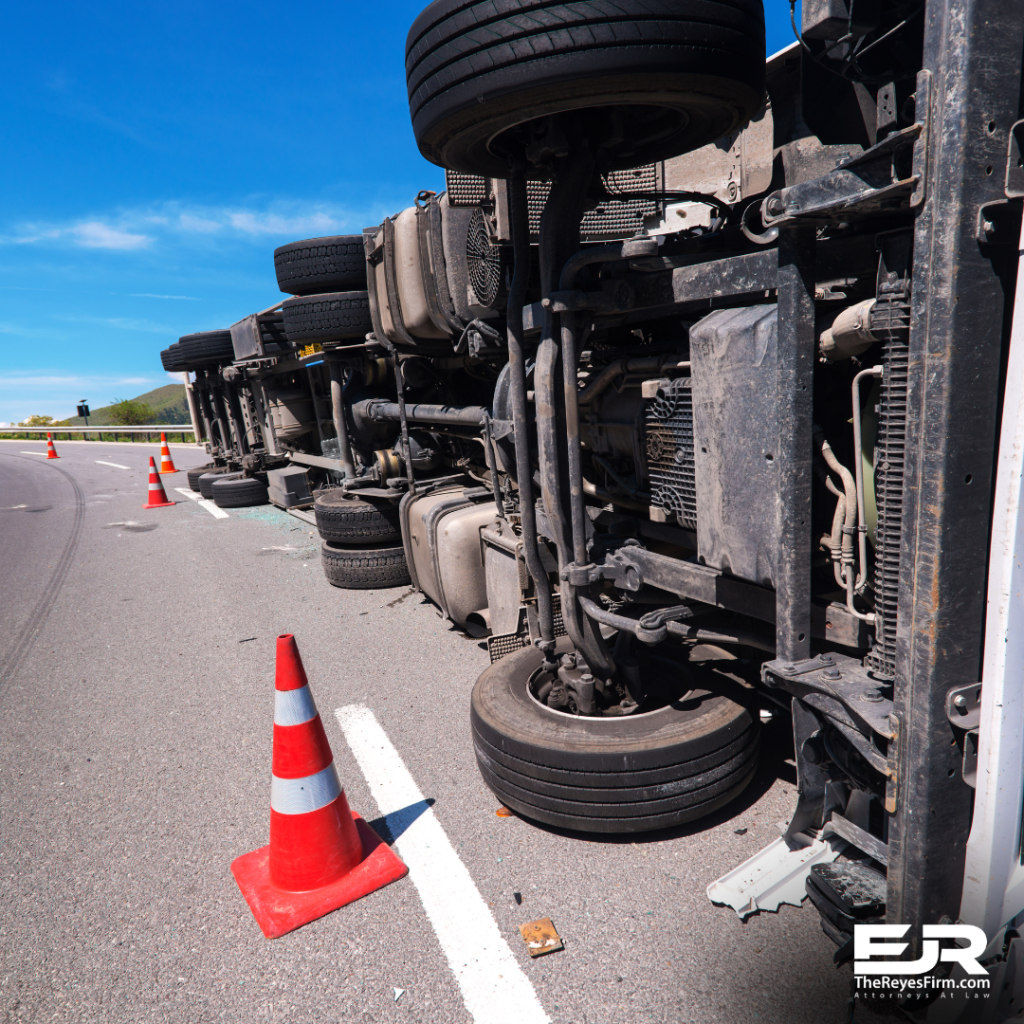
Rollover Truck Accident: Liability and Evidence to Prove Negligence
Every time a massive truck hits the road in Florida, there’s a chance something could go wrong. And when it does, it can go terribly wrong, especially in a rollover truck accident. These aren’t just fender benders. Rollover accidents can shut down highways, crush smaller vehicles, and leave families changed forever in a matter of seconds. In the Tampa Bay area, with busy roads like I-4, I-75, and the Selmon Expressway, rollover truck crashes aren’t just possible. They’re happening more often than most people realize. Victims can suffer catastrophic injuries like spinal cord damage, traumatic brain injuries, or even wrongful death. For families trying to pick up the pieces, one big question always comes up: Who is responsible? Knowing your legal rights after a rollover truck accident is the first step toward recovery. This article explains what causes these crashes, who can be held legally responsible, what evidence is needed to prove negligence, and how a Tampa personal injury lawyer can help. If you or a loved one has been hurt in a rollover truck crash, here’s what you need to know. What Is a Rollover Truck Accident? A rollover truck accident occurs when a large commercial truck, such as an 18-wheeler, box truck, or delivery van, tips onto its side or roof. These accidents are hazardous because of the truck’s size and weight, which can reach up to 80,000 pounds when fully loaded. When that kind of weight rolls over, it can crush anything in its path, including smaller cars and motorcycles. In many rollover accidents, the truck doesn’t just fall over quietly. It might skid, slide, or flip multiple times, blocking lanes and creating chain-reaction crashes. Even worse, these rollovers can spill cargo, sometimes flammable or hazardous materials, into the road, creating even more danger for Tampa drivers. Florida’s flat highways and long stretches of open road make it tempting for truck drivers to speed or lose focus. But even one small mistake, like turning too fast or ignoring a maintenance issue, can cause a deadly rollover. That’s why these cases need to be taken seriously and why proving fault is so important. What Causes Rollover Truck Accidents in Florida? Many factors can cause a rollover truck accident, and most involve someone making a careless or risky decision. Here are the most common causes: 1. Speeding on Curves or Ramps Truck drivers need to slow down much more than regular drivers when taking a turn or exiting the highway. If they take a curve too fast, especially on roads like the I-275 interchange or Crosstown Expressway ramps, the truck’s high center of gravity can cause it to tip and roll. 2. Unbalanced or Shifting Cargo When cargo isn’t loaded correctly, it can shift during the trip. That sudden weight shift can throw the truck off balance, especially during turns or lane changes. In some cases, the cargo isn’t even secured, which violates trucking safety regulations. 3. Driver Fatigue or Distraction Truck drivers often work long hours. If they’re tired or distracted, they may miss key signs of danger. Drowsy driving reduces reaction time, and distracted driving — like texting or using a GPS — can lead to poor decisions in critical moments. 4. Tire Blowouts or Mechanical Problems Tires that are too worn or underinflated can explode while driving. A sudden blowout can cause the truck to lose control and roll over. Poorly maintained brakes or steering systems can also make it impossible to recover once the truck starts to tip. 5. Bad Weather or Slippery Roads Florida weather can change quickly. Heavy rain, flooding, or even hurricane winds can make it hard to stay in control. Wet roads combined with speeding or poor judgment can easily lead to a rollover crash. Who Can Be Held Responsible in a Rollover Truck Accident? One of the most essential parts of any personal injury claim is figuring out who was at fault. In a Florida rollover truck accident, more than one person or company might be responsible. Here’s a breakdown of possible liable parties: The Truck Driver If the driver was speeding, driving recklessly, distracted, or didn’t follow safety rules, they can be held personally responsible. Florida law requires commercial drivers to follow strict regulations regarding hours of service, maintenance checks, and behavior behind the wheel. The Trucking Company Trucking companies are legally responsible for their drivers’ actions. If they hired someone without proper training or encouraged drivers to ignore rest breaks to meet deadlines, the company can be held liable for negligence. Maintenance Crews or Repair Shops If a brake system, tire, or steering part failed due to poor maintenance or repairs, the company or mechanic who serviced the truck could be held responsible. Cargo Loaders or Shippers If a separate company was responsible for loading the truck and they didn’t balance the cargo properly or failed to secure it, they could be held at fault, especially if the cargo shift caused the rollover. Truck or Parts Manufacturer In rare cases, a defective truck part, such as a brake pad, steering column, or suspension system, may have caused the rollover. In those cases, the manufacturer may be held accountable under product liability laws. What Evidence Can Prove Negligence? Proving fault in a rollover truck accident requires more than just saying someone made a mistake. Your legal team must gather solid evidence to show negligence, that someone failed to act with reasonable care. Here are the most important types of evidence used in these cases: Black Box Data (Electronic Logging Devices) Many commercial trucks have black box data stored in electronic devices that record speed, braking, engine performance, and driving hours. This information can reveal whether the driver was speeding or operating the truck for too long without rest, both of which are major red flags that help prove negligence. Dashcam and Traffic Camera Footage Video evidence from the truck’s dashcam or nearby surveillance cameras can capture the moment the accident happened and may show signs of reckless or