March 7, 2026

accident in a company vehicle off the clock
After an Accident, Blog

Accident in a Company Vehicle Off the Clock: Does Coverage Still Apply?

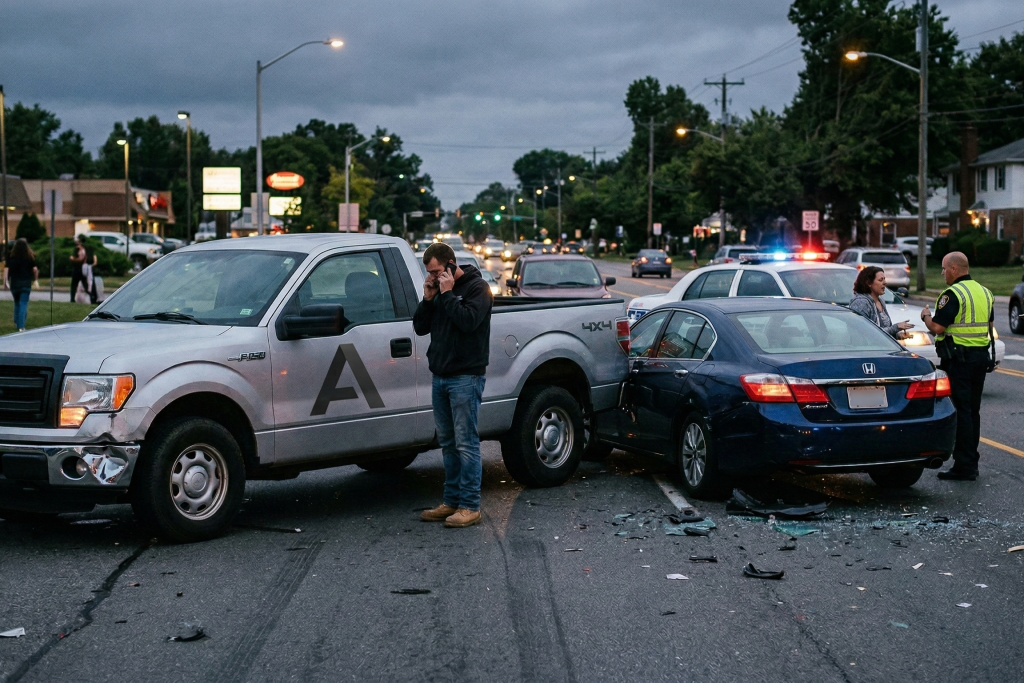
Yes, an accident in company vehicle off the clock may still be covered—but the answer depends on several important details. In Florida, coverage is rarely a simple yes or no. It often turns on why the vehicle was being used, who authorized it, and what policies were in place. Picture this: A construction superintendent wraps up a long day at a high-rise development in Miami. He drives the company truck home, as he does every day. On the way, a collision happens at an intersection. It is 6:30 p.m. He is not actively working. So now the question becomes urgent: Is this a personal accident—or a business liability? For construction professionals, property owners, architects, engineers, real estate developers, and government agencies, fleet vehicles are part of daily operations. These vehicles transport tools, blueprints, safety equipment, and teams between multiple job sites. When an accident in company vehicle off the clock occurs, it can impact insurance premiums, project timelines, contracts, and even public funding compliance. As a Florida personal injury attorney and owner of The Reyes Firm, Attorney Reyes has seen how quickly these cases become complex. Understanding how Florida law approaches these accidents can protect both injured individuals and the businesses that rely on commercial vehicles. Understanding Company Vehicle Coverage in Florida In Florida, company vehicles are usually insured under a commercial auto insurance policy. These policies are designed for business risks, not personal driving. A typical commercial auto policy may cover: Vehicles owned or leased by the company Employees driving for authorized business purposes Liability for bodily injury and property damage Sometimes uninsured/underinsured motorist coverage Physical damage to the company vehicle However, insurance carriers carefully examine whether the driver was acting within job duties at the time of the accident. When an accident in company vehicle off the clock happens, insurers often ask: Was the employee permitted to drive the vehicle home? Was personal use allowed? Was the employee “on call”? Did the trip benefit the employer in any way? If the employer allowed regular take-home use, that may strengthen the argument that coverage applies. For construction and engineering firms that rely on rapid deployment to job sites, allowing employees to keep vehicles overnight can create legal gray areas. That is why understanding policy wording is critical. What Does “Off the Clock” Really Mean? Many people assume that “off the clock” means the employer is not responsible. That is not always true. “Off the clock” usually means the employee is not actively being paid at that moment. But legal responsibility does not depend only on payroll status. For example: A civil engineer takes a company SUV home because she has an early bridge inspection the next morning. A property manager drives a company vehicle home while carrying site keys and emergency response equipment. A government building inspector keeps a city-issued truck overnight for rapid response. Even though these individuals are not clocked in, their use of the vehicle may still serve the employer’s interests. Florida courts often look at whether the employer receives a benefit from the vehicle’s use—even indirectly. For construction companies and developers, this distinction is important because many field professionals travel daily between locations. The “Scope of Employment” Rule in Florida Florida follows the legal doctrine of respondeat superior. This rule says an employer can be responsible for an employee’s actions if those actions occur within the “scope of employment.” Scope of employment generally includes: Performing assigned job duties Traveling between job sites Attending required meetings Transporting company materials Being on call for emergencies If the accident occurred while the employee was performing one of these tasks, the employer may be legally responsible—even if the employee had technically ended their shift. However, if the employee: Took the vehicle without permission Used it for a personal road trip Drove under the influence Violated written company policy The employer and insurer may argue that coverage does not apply. Each accident in company vehicle off the clock must be evaluated based on specific facts. The “Coming and Going” Rule Florida also recognizes the “coming and going” rule. This rule usually protects employers from liability for accidents during an employee’s normal commute. But there are important exceptions. The rule may not apply if: The employee is driving a company-owned vehicle The employee is required to transport equipment The employee is traveling between job sites The employee is on call The employer gains a benefit from the travel For example, if a site supervisor drives directly from home to a second job site, that may not be considered a simple commute. For architects, engineers, and construction managers who regularly move between active projects, travel is often part of the job itself. That is why many off-the-clock accidents still fall under business liability. Who Pays After an Off-the-Clock Accident? Determining who pays after an accident in company vehicle off the clock can involve multiple insurance policies. 1. Commercial Auto Insurance This is typically the first layer of coverage for company-owned vehicles. 2. Employer’s Liability Insurance May apply if the employee was acting within employment duties. 3. Personal Auto Insurance If the use was purely personal and unauthorized, personal coverage may become primary. 4. Umbrella or Excess Coverage Large development firms and government contractors often carry additional policies for high-risk exposures. Insurance companies may dispute which policy is responsible. These disputes can delay compensation for injured victims. For companies managing public infrastructure or high-value real estate projects, unresolved liability can also impact bonding capacity and future contracts. Special Considerations for Construction & Engineering Professionals Construction and engineering firms face unique risk exposure because: Vehicles often carry heavy equipment Drivers may operate large trucks or specialty vehicles Employees frequently travel between multiple sites Some projects involve public roads and highways If a company truck transporting scaffolding materials causes a crash after hours, the weight and load of the vehicle may increase damage and injuries. Government agencies face additional scrutiny when taxpayer-funded vehicles are involved. For developers and property owners, a single serious accident
accident in a company vehicle during work
After an Accident, Blog

Accident in a Company Vehicle During Work: Your Rights and Responsibilities

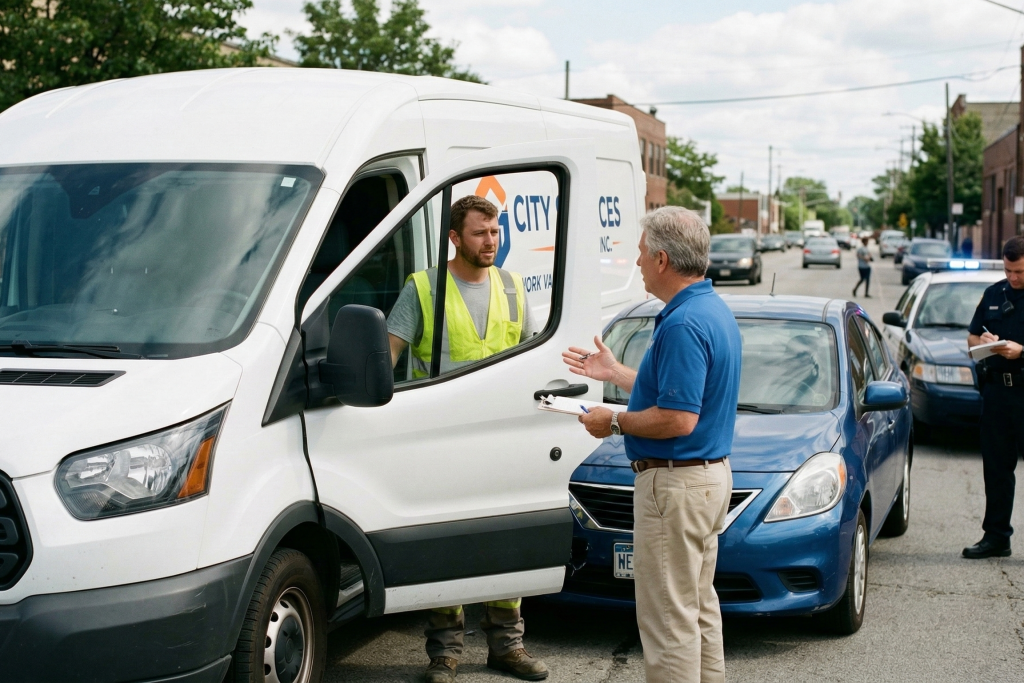
An accident in a company vehicle during work can change everything in a matter of seconds. A construction manager heading to a job site, an architect driving to a client meeting, or a government inspector traveling between properties may never expect the day to end in an emergency room. Yet in Florida’s busy cities and growing development zones, vehicle accidents are a daily reality. For professionals in construction, engineering, architecture, real estate development, and public agencies, company vehicles are essential tools. They keep projects moving, connect teams across multiple sites, and ensure inspections and deadlines stay on track. When one of these vehicles is involved in a crash, the impact goes far beyond property damage. It can disrupt contracts, delay timelines, and create serious legal exposure. At The Reyes Firm, a Florida personal injury law firm representing injured plaintiffs, these cases are handled with a clear understanding of both the legal system and the real-world demands of large-scale projects. Knowing what to do after an accident in a company vehicle during work is critical. Understanding your rights and responsibilities can protect your health, your livelihood, and your organization. What Is an Accident in a Company Vehicle During Work? An accident in a company vehicle during work occurs when an employee is involved in a crash while driving a vehicle owned, leased, rented, or provided by the employer and performing job-related duties. This includes situations such as: Driving to or from an active job site Transporting materials, blueprints, or equipment Traveling between multiple project locations Meeting with inspectors, developers, or government officials Running work-related errands Operating fleet vehicles assigned for official duties The key issue is whether the employee was acting “within the scope of employment.” In simple terms, was the employee doing their job at the time of the crash? For construction professionals and engineering teams, the workday often starts before arriving at a fixed office. If the employee is driving from a company office to a project site, that is usually considered work-related. However, if the employee makes a personal stop unrelated to work and the accident happens during that detour, the legal analysis can change. Understanding this distinction is critical because it affects insurance coverage, liability, and compensation rights. Who Is Responsible After an Accident? Responsibility after an accident in a company vehicle during work can involve multiple parties. Florida law recognizes a concept called “vicarious liability.” This means an employer can be legally responsible for the negligent actions of an employee if those actions occurred during job duties. For example: A site supervisor driving a company truck rear-ends another vehicle while heading to a construction site. An engineer in a firm-owned SUV runs a red light while traveling to an inspection. A project manager in a fleet van sideswipes another car while transporting materials. In each of these scenarios, the employer may share legal responsibility. However, responsibility becomes more complex if: The employee was using the vehicle without permission. The employee was engaged in personal activities. The vehicle was poorly maintained. A subcontractor was involved. Large development firms and property owners should also be aware of potential “negligent entrustment” claims. If a company allows an unqualified or unsafe driver to operate a company vehicle, the company may face additional liability. For professionals managing fleets, maintaining clear policies, training records, and driver qualifications is essential to reducing legal exposure. Workers’ Compensation and Vehicle Accidents If an employee is injured in an accident in a company vehicle during work, Florida’s workers’ compensation system often applies. Workers’ compensation is designed to provide benefits without requiring the employee to prove fault. These benefits may include: Payment of medical bills A percentage of lost wages Temporary disability benefits Permanent impairment benefits However, workers’ compensation does not provide compensation for pain and suffering. For construction professionals, engineers, and field supervisors whose work involves physical activity, even a moderate injury can affect long-term performance. A shoulder injury could prevent lifting equipment. A back injury could limit mobility at job sites. Workers’ compensation benefits may not fully address the long-term impact on earning capacity. It is also important to understand that workers’ compensation typically prevents employees from suing their employer directly. However, it does not prevent claims against third parties. What If Another Driver Caused the Crash? If another driver caused the accident in a company vehicle during work, the injured employee may have the right to file a personal injury claim against that driver. Florida follows a no-fault system. Drivers carry Personal Injury Protection (PIP), which covers: 80% of medical expenses 60% of lost wages But PIP benefits are limited. If the injuries are serious, such as permanent injury, significant scarring, or loss of bodily function, the injured person may step outside the no-fault system and pursue full compensation. This may include: Pain and suffering Future medical treatment Full wage loss Reduced future earning capacity For architects, developers, and engineers who rely on their professional licenses and physical ability to oversee projects, the long-term consequences of injury must be carefully evaluated. What Are the Employee’s Responsibilities? After an accident in a company vehicle during work, employees must take immediate and responsible steps. Call 911 and seek medical care. Health comes first. Even minor injuries can worsen over time. Report the accident to the employer promptly. Florida workers’ compensation law requires timely reporting. Document the scene. Take photos of vehicles, injuries, road conditions, and traffic signals. Collect witness information. Independent witnesses can be crucial. Avoid discussing fault. Statements made at the scene can be used later. Consult an attorney before giving recorded statements to insurers. Failing to follow these steps can harm a claim. Early documentation often makes the difference between a successful case and a denied one. What Are the Employer’s Responsibilities? Employers also have clear obligations after a company vehicle accident. These include: Reporting the accident to the appropriate insurance carriers Filing workers’ compensation paperwork Preserving vehicle maintenance and inspection records Cooperating with investigations Reviewing safety policies and driver training For property

Riverview personal injury lawyer graphic for The Reyes Firm showing legal scales and branding for injury claims in Riverview, Florida
Blog, Personal Injury, personal injury attorney

Riverview Personal Injury Lawyer: What You Need to Know

Quick Summary After an accident, people in Riverview often feel overwhelmed, pressured, and unsure what to do next. A Riverview personal injury lawyer helps bring structure to a confusing time by protecting evidence, explaining Florida law in plain language, and helping injured people make informed decisions. In many Florida negligence cases, the statute of limitations is 2 years. In car accident cases, injured people usually need initial medical care within 14 days to preserve PIP benefits, and pain and suffering claims often depend on meeting Florida’s serious injury threshold. Florida also follows a modified comparative negligence rule, which can block recovery if the injured person is found more than 50% at fault. The hardest part is often not the accident itself. It is what comes after. A person gets home, sits down, and starts replaying everything in their mind. Their phone keeps buzzing. Their body feels worse than it did an hour ago. They start wondering, “Am I overreacting?” Then the practical worries begin. Should they answer the insurance call right away? Should they sign what was sent over? Should they just give people what they are asking for and hope it all settles down? This article provides clear next steps. It explains what a Riverview personal injury lawyer does, what Florida law may mean after an injury, and how injured people in Riverview can protect themselves without feeling judged or pushed. The Reyes Firm Injured in Riverview? Get clear next steps and a free case review. Had a bad day? Contact Us Now Why do people in Riverview look for a personal injury lawyer after an accident? After an injury, many people feel rattled. They may look calm on the outside, but inside, they are overwhelmed, sore, and unsure who to trust. That is why many people start searching for a lawyer before they ever decide to file a claim. They are not looking for conflict. They are looking for clarity. A Riverview personal injury lawyer helps a person understand what happened, their rights, and which steps matter most right now. That can be especially important when the injured person is trying to recover while also dealing with missed work, car repairs, medical appointments, and insurance calls. A personal injury attorney Riverview FL residents can rely on should help with things like: Explaining what type of claim may apply Reviewing insurance issues Preserving important evidence Communicating with adjusters when needed Tracking deadlines Helping the injured person avoid common mistakes People also search for a Riverview injury lawyer or Riverview accident lawyer because they often do not know whether their injury is “serious enough.” That question is common. Many injured people downplay pain at first. They tell themselves they are probably fine, even when daily life is clearly getting harder. In reality, pain does not need to look dramatic to matter. Back pain, headaches, shoulder injuries, numbness, sleep problems, and anxiety after an accident can all affect daily function. A lawyer’s role is not to judge that experience. It is to help document it clearly and handle it carefully. Key Takeaway Many injury cases in Riverview begin with confusion, not confidence. A lawyer should help the injured person feel more informed, more protected, and more in control of what happens next. What kinds of personal injury cases may happen in Riverview? When people feel unsure, it helps to break things into simple categories. Personal injury law usually involves harm caused by someone else’s carelessness. A personal injury law firm in Riverview, FL, that families turn to may handle cases involving: Car accidents Truck accidents Motorcycle accidents Pedestrian accidents Bicycle accidents Slip and fall injuries Premises liability claims Negligent security claims Wrongful death cases Riverview is a growing area with busy roads, shopping areas, neighborhoods, and daily commuter traffic. That means injuries can happen in many settings, not just on highways. A crash at an intersection, a fall in a parking lot, or an injury at a business may all raise legal questions about who was responsible and what should have been done differently. An injury attorney in Riverview will usually look at a few key questions early on: Who may have been at fault? What evidence is available? What injuries were caused? What insurance may apply? What deadlines matter? These questions sound simple, but they become harder to answer if too much time passes. That is one reason early legal guidance can be helpful. What Florida law means after a personal injury Many injured people feel pressured because they know there are “rules,” but they do not know which ones matter. That uncertainty can make everything feel heavier. The good news is that the basic rules can be explained clearly. Florida’s negligence deadline In many Florida negligence cases, the injured person generally has 2 years to bring a claim. That deadline can be very important. Missing it can mean losing the right to pursue the case. That does not mean a person should panic. It does mean they should not wait too long to get answers. Florida PIP and the 14-day rule In Florida car accident cases, Personal Injury Protection, or PIP, often comes into play first. Under Florida law, a person generally must receive initial services and care within 14 days after a motor vehicle accident to qualify for PIP medical benefits. The statute also says PIP medical benefits generally cover 80% of reasonable medical expenses for medically necessary care, subject to the law’s terms. This matters because many people try to “tough it out” for a week or two. They hope the pain will pass. Sometimes it does not. By then, they may have made the situation harder for both their health and their claim. Pain and suffering in Florida car accident cases Florida does not automatically allow pain and suffering damages in every vehicle case. In many motor vehicle injury claims, the injured person must meet the serious injury threshold. That may involve a significant and permanent loss of an important bodily function, a permanent injury

Scroll to Top