
Port of Tampa Truck Accident Liability: Understanding Your Rights
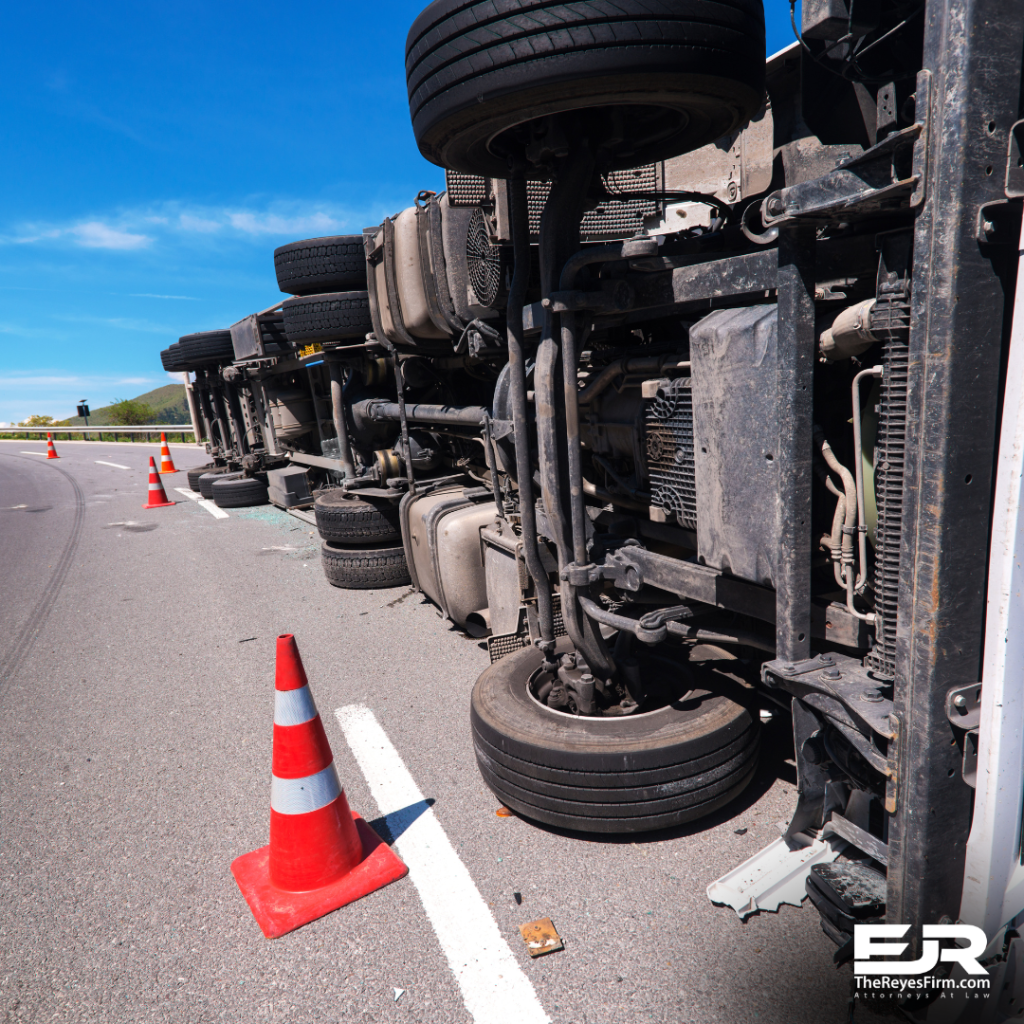
Driving near the Port of Tampa can feel like navigating a maze of semi‑trucks, cargo containers and tight access roads. With thousands of commercial vehicles moving through the port each day, accidents aren’t just possible; they’re predictable. When a port truck crashes into your car, it may leave you dealing with severe injuries, complex insurance issues and questions about who’s responsible. This guide explains why port‑related truck accidents are different, how liability works, and what you should do to protect your rights. A truck rollover near a Florida highway, illustrating the seriousness of port truck accidents. Quick Summary For readers who want the main points up front, here’s a concise summary: Port truck accidents involve multiple parties – the driver, carrier, cargo loader and sometimes the port itself – making liability complex. Evidence such as driver logs, electronic data recorders, cargo manifests and port surveillance is crucial to prove negligence. Florida’s PIP law requires you to seek medical care within 14 days of the crash to qualify for no‑fault benefits. Florida’s modified comparative negligence system means that if you are more than 50% at fault, you cannot recover compensation. An experienced attorney can preserve evidence, identify all liable parties and negotiate fair compensation – contact The Reyes Firm for a free consultation. What Makes Port Truck Accidents Different Ports are economic hubs, and the Port of Tampa handles thousands of containers every day. Tight schedules and congested access roads put tremendous pressure on drivers. When heavy trucks share crowded city streets, serious crashes can occur. These accidents are unique because they involve: Higher stakes: Commercial trucks can weigh 80,000 pounds or more, causing far greater injuries and property damage than a typical car crash. Multiple businesses: A trucking company, shipping carrier, terminal operator and cargo loader may all play a role in creating dangerous conditions. Special regulations: Drivers and carriers must follow federal hours‑of‑service rules that limit on‑duty hours. Key Takeaway: Port truck crashes often involve multiple companies. Understanding how carriers, brokers, cargo loaders and the port authority may share responsibility helps you build a stronger case. Who May Be Liable for Your Injuries Determining fault in a port truck accident isn’t straightforward. Responsibility may lie with more than one party: Truck driver: speeding, distracted driving or violating hours‑of‑service rules. Trucking company or carrier: negligent hiring, poor maintenance or failure to train the driver properly. Cargo loading company: improper loading or failing to secure cargo safely. Port authority or terminal operator: inadequate traffic control, poor signage or unsafe road conditions. Manufacturers or mechanics: defective parts or negligent repairs. Information Point: Under Florida’s comparative negligence law, a plaintiff who is more than 50% at fault cannot recover damages. Evidence Needed in Port Accident Claims Evidence is the foundation of any injury claim. In a port truck crash, timely collection is critical because records may be deleted or overwritten. Key evidence includes: Electronic logging devices (ELD) and driver logbooks showing hours on duty. Black box or engine control module data capturing speed, braking and acceleration. Cargo manifests and bills of lading showing who loaded and shipped the freight. Surveillance footage from port cameras, dash cams and nearby businesses. Witness statements and photographs of road conditions, skid marks and vehicle damage. Trauma after a collision can be as serious as physical injuries. Key Takeaway: Sending a preservation letter to the trucking company and port operator soon after the crash can prevent crucial evidence from being lost. Florida Laws You Need to Know Several state and federal laws impact your claim: PIP 14‑day rule: To claim no‑fault medical benefits, you must seek treatment within 14 days of the crash under the Florida PIP statute (§627.736). Serious injury threshold: To sue outside PIP, your injury must meet criteria such as permanent loss of a bodily function, significant disfigurement or scarring. Modified comparative negligence: In negligence cases, you cannot recover damages if you are more than 50% at fault under Florida’s comparative fault statute (§768.81). Crash report privilege: Statements made for crash reports cannot be used as evidence in court under §316.066. Commercial vehicle regulations: Owners and drivers of commercial motor vehicles must comply with federal safety rules under §316.302, which adopts 49 C.F.R. parts 382, 383, 385 and 390‑397 for Florida. Information Point: In 2024, Florida recorded 46,651 commercial motor vehicle crashes and 315 fatalities. These statistics explain why port roads demand special caution. Steps to Take After a Port Truck Accident Immediately after the crash and in the days that follow, take these steps to protect your health and legal rights: Call 911 and report the accident. Make sure law enforcement documents the scene. Seek medical attention right away – even if you feel okay – and follow up within 14 days to preserve PIP benefits. Document the scene: take photos of vehicles, road conditions, traffic signs and any cargo spillage. Collect contact information for witnesses, the truck driver and any port personnel. Do not give a recorded statement to the insurance company without legal counsel. Contact an experienced truck accident attorney to handle communications and evidence preservation. Dump truck accident scene near dusk – port roads can be particularly hazardous. Key Takeaway: The actions you take in the first hours and days after a crash can significantly impact your claim. Act quickly to protect your health and your case. When to Hire an Attorney Trucking companies and their insurers act quickly to protect their interests. Hiring an attorney early can level the playing field. An experienced lawyer can: Investigate the crash, gather evidence and identify every liable party. Send preservation letters to stop companies from destroying records. Negotiate with insurers to seek compensation for medical bills, lost wages, pain and suffering, and future damages. File a lawsuit and take your case to trial if necessary. Watch: Port of Tampa Truck Traffic and Liability To see why accidents near the port are so foreseeable, watch our short video explaining the congestion and risks around the Port of Tampa. The video highlights heavy