
Unsecured Cargo Truck Accidents in Florida: Lawsuit Deadlines and Liability
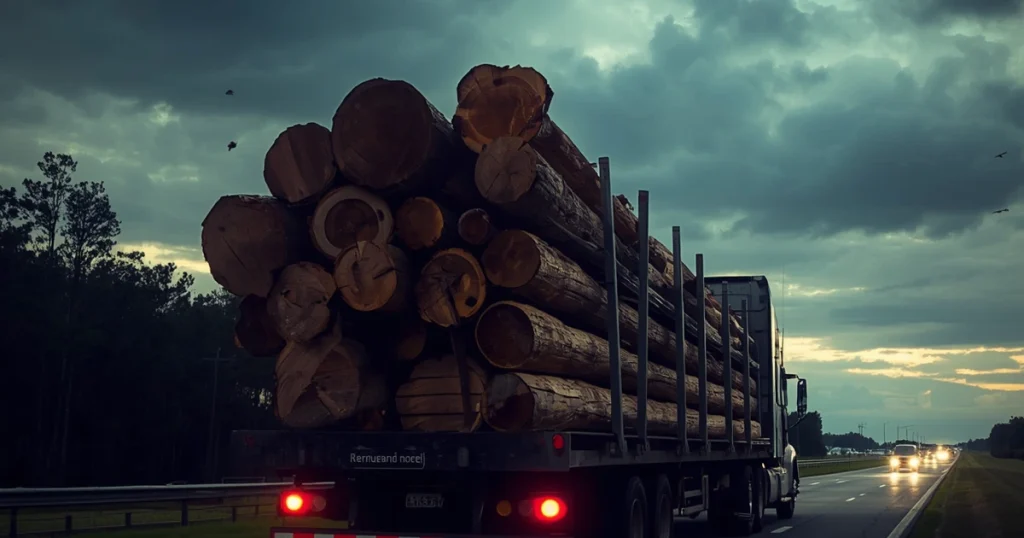
Picture this. You’re driving south on US-98 just north of Lakeland, following a big Mack truck hauling a load of timber. The truck slows to turn. You don’t notice in time. The logs extending from the rear of that trailer come straight through your windshield. That’s exactly what happened on April 2, 2026, in Polk County, Florida. A 44-year-old driver was killed when timber pierced his cab and caused a hazardous materials spill. Investigators said the load met safety requirements. The crash remained under investigation, with no charges expected. That last part should stop you cold. Even a “legally secured” load can kill someone, and the question of who bears legal responsibility in unsecured cargo truck accident cases in Florida is rarely simple. This article breaks down every party who may owe you damages, what the FMCSA cargo securement rules actually require, and what a Tampa family should do right now if they’ve been hurt or lost someone to a falling or protruding load. Quick Summary When cargo falls from or protrudes from a truck in Florida, the driver, the trucking company, the cargo loader, and others can all share legal liability. Florida’s statute of limitations gives most injury victims 2 years from the date of the crash to file a claim under Florida Statute § 95.11(3)(a). Miss it, and you lose your right to sue. According to NHTSA data, unsecured loads and road debris caused 715 deaths and 16,595 injuries nationwide in a single year, and about two-thirds of debris crashes come from vehicles with improperly secured loads. Call 911, document everything at the scene, and do not give the trucking company’s insurer a recorded statement before you talk to a lawyer. Had a bad day? Call The Reyes Firm at 833-4 BAD DAY — free consultation, no fee unless we win. The Reyes Firm Hurt in a Florida Truck Accident? Get clear next steps after a serious cargo, timber, or semi-truck crash. Had a bad day? Schedule a Free Consultation Polk County Fatal Timber Truck Crash on US-98 April 2, 2026 | US-98 North at State Road 471, Polk County, FL On the morning of April 2, 2026, a 44-year-old commercial truck driver was killed on US-98 North near State Road 471, approximately 10 miles north of Lakeland. According to the Polk County Sheriff’s Office, he was traveling southbound behind a Mack truck hauling timber when the timber truck slowed to turn. His semi-truck struck the load of timber protruding from the rear of the trailer. Large pieces of timber pierced his cab, triggering a hazardous materials spill that closed the road for roughly seven hours. The timber truck driver was not injured. Investigators reported the load met safety requirements. No charges were expected, and the crash remained under investigation. Crashes like this one raise an immediate question for surviving families and injured victims: when a load is declared compliant, but someone still dies, who is legally responsible? Who Is Liable When Cargo Falls Off a Truck in Florida? Multiple parties can share legal liability when cargo causes a crash, and Florida law lets you pursue all of them at once. Florida follows modified comparative fault under Florida Statute § 768.81. That means even if you were partially at fault for the crash, you can still recover damages, as long as your share of fault is 50% or less. The liability for an unsecured cargo crash typically spreads across some combination of these parties: The truck driver, who has a duty to inspect and re-check the load The motor carrier (trucking company), which is responsible for training, equipment, and compliance The cargo loader or shipper, who may have improperly stacked, strapped, or distributed the load before the truck ever left the yard A broker, who scheduled the haul and may have pressured the carrier to move faster than was safe A maintenance company, if defective tiedowns, chains, or binders contributed to the load shifting Watch: Who Can Be Liable in a Florida Truck Accident? In serious truck accident cases, liability may extend beyond the driver. This video explains how the trucking company, trailer owner, cargo loader, maintenance company, and other commercial parties may also be held responsible after a crash involving a timber truck, an unsecured load, or a semi-truck. One of the most common mistakes families make is assuming only the driver is at fault. The companies behind the driver start protecting themselves the moment a crash happens. You need someone protecting you just as fast. ⚠️ Important Florida’s statute of limitations for personal injury and wrongful death claims is 2 years from the date of the accident under Florida Statute § 95.11(3)(a). If a family member was killed in a cargo crash, the wrongful death clock also runs 2 years from the date of death under Florida Statute § 95.11(4). Miss this deadline, and you permanently lose your right to recover damages. Call a lawyer now, not after your next paycheck clears. What Are the FMCSA Rules for Cargo Securement on Log and Timber Trucks? Federal law sets strict rules for how logs, lumber, and timber must be secured, and violating those rules can establish negligence in your lawsuit. The Federal Motor Carrier Safety Administration (FMCSA) adopted specific cargo securement standards under 49 CFR Part 393, Subpart I. General cargo must be firmly secured to prevent it from shifting, falling, blowing away, or becoming a road hazard. For logs and timber specifically, 49 CFR § 393.116 goes even further: The truck must be designed or adapted for transporting logs, and fitted with bunks, bolsters, stakes, or standards to cradle the load and prevent rolling Tiedowns must be used alongside those structural components The aggregate working load limit of all tiedowns must equal at least one-sixth the weight of the log stack Logs must be solidly packed, with each outside log touching at least two stakes, bunks, bolsters, or standards Drivers must inspect the cargo within the first 50 miles of a trip, then reexamine it