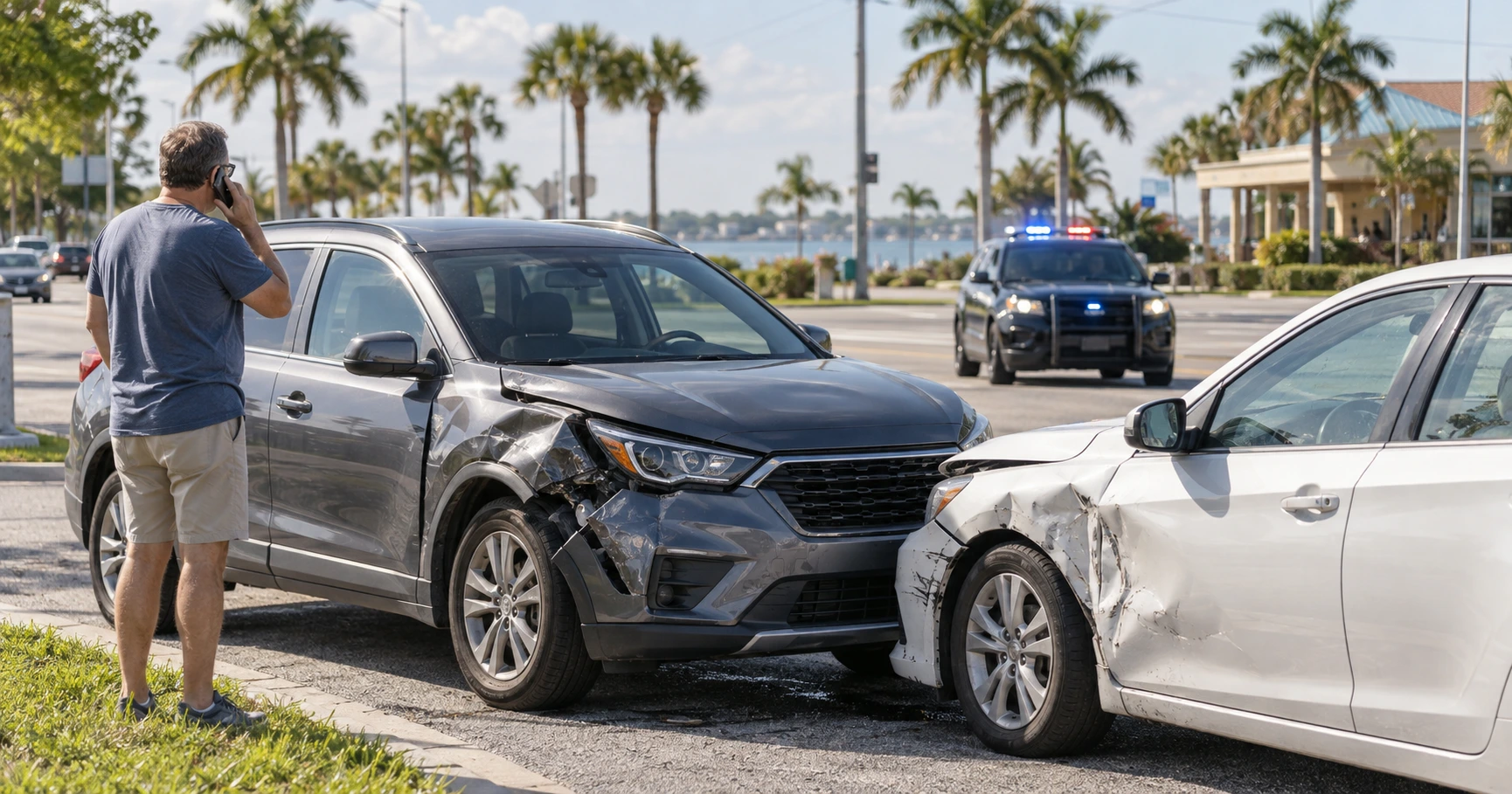
The recent fatal crash involving an 18-wheeler in Fort Worth has drawn significant attention, mainly due to the involvement of a driver under the influence (DWI). This tragic incident not only resulted in the loss of life but also had severe ramifications for traffic on the interstate. In this article, we will delve into the details of the crash; the driver involved, and the broader implications of such accidents on our highways.
What Happened in the Fatal 18-Wheeler Crash in Fort Worth?
Details of the Crash Involving the 18-Wheeler Truck
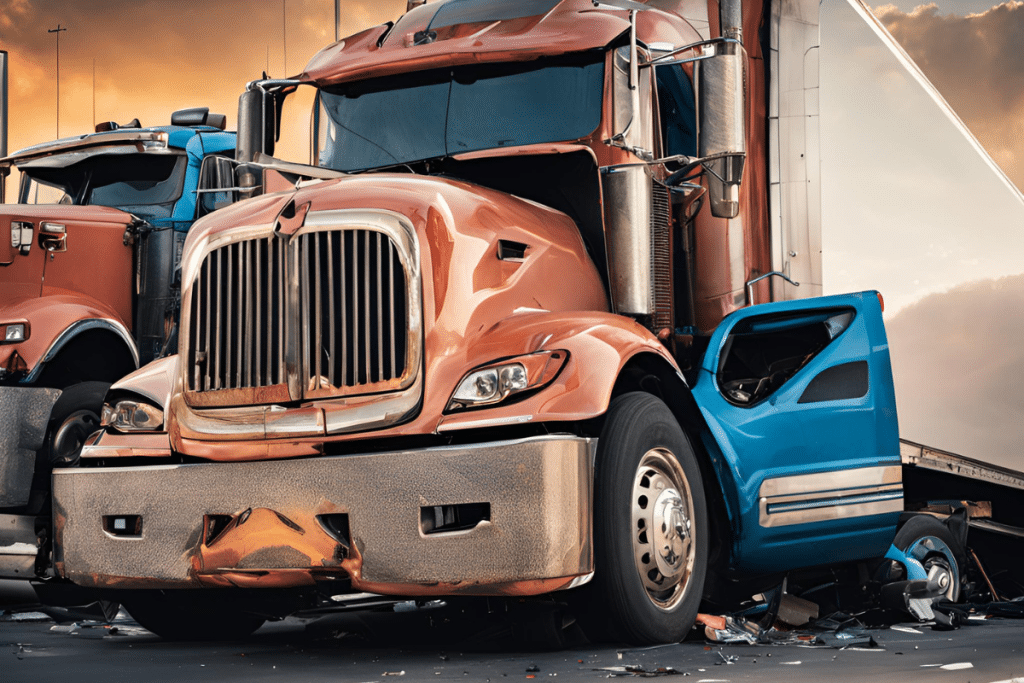
The crash happened on a busy stretch of the highway in Fort Worth, where a semi-truck collided with several vehicles. According to police reports, the incident occurred as the 18-wheeler was traveling westbound on Interstate 35. Eyewitnesses described the scene as chaotic, with debris scattered across multiple lanes after the collision. The truck driver, who was later determined to be under the influence, failed to maintain control of the rig, leading to a deadly crash that killed a woman and injured a man in a Fort Worth area vehicle. This tragic event is a stark reminder of the potential dangers of large trucks on our highways.
What Caused the Deadly Crash on the Highway?
Investigators are still looking into the factors that led to this unfortunate incident. Initial reports suggest that the DWI driver was speeding and weaving in and out of traffic, which ultimately culminated in the crash involving the 18-wheeler. Police say the collision was completely avoidable had the driver adhered to traffic regulations and not engaged in reckless behavior. The consequences of driving under the influence are severe, and this incident highlights the need for stricter enforcement of DWI laws, particularly for truck drivers who have a higher responsibility on the road.
Impact on Traffic on Interstate 35
The aftermath of the crash severely impacted traffic on Interstate 35, causing significant delays for motorists. With the northbound lanes shut down for investigation and cleanup, drivers were left navigating through congested alternate routes. The crash also led to lane closures on the eastbound side of the highway, complicating the situation further. Traffic reports indicated a jam that extended for miles, frustrating many drivers attempting to traverse the Dallas-Fort Worth area during peak hours.
Who Was the DWI Driver Involved in the Crash?
Background Information on the 18-Wheeler Driver
The 18-wheeler driver involved in the crash has a checkered record, raising questions about the adequacy of regulations surrounding commercial drivers. Reports indicate that the truck driver had prior arrests related to DWI offenses, highlighting a troubling pattern of behavior. The trucking company that employed the driver faces scrutiny regarding their hiring practices and whether they conducted adequate background checks. Trucking firms must prioritize safety and compliance, ensuring that their drivers are fit to operate heavy vehicles like 18-wheelers.
What Are the Consequences of DWI for Truck Drivers?
The consequences of DWI are particularly severe for truck drivers. Aside from potential criminal charges, including hefty fines and prison time, drivers face the loss of their commercial driver’s license (CDL). The implications extend beyond personal penalties; trucking companies risk losing their operating licenses if they continue to employ drivers with DWI offenses. This situation underscores the importance of accountability in the trucking industry, as the stakes regarding highway safety are incredibly high.
How Was the Driver’s Behavior Linked to the Fatal Incident?
The driver’s decision to operate the 18-wheeler while impaired directly contributed to the fatal incident. Witness accounts and police investigations indicated erratic driving patterns that are often associated with DWI cases. The driver’s behavior not only endangered their life but also the lives of countless others on the highway. The tragic outcome of this crash serves as a grim reminder that impaired driving can have devastating consequences, particularly when larger vehicles like semi-trucks are involved.
What Are the Implications of 18-Wheeler Crashes on Highways?
Statistics on Truck Accidents Involving DWI Drivers
Statistics reveal that truck accidents involving DWI drivers are alarmingly frequent, leading to tragic outcomes. According to recent data, a significant percentage of fatal truck accidents include drivers who are under the influence of drugs or alcohol. In the Dallas-Fort Worth area, these incidents result in loss of life and contribute to substantial economic costs related to damages, medical expenses, and traffic disruptions. Understanding these statistics is crucial in advocating for stronger regulations and preventive measures to enhance road safety.
Safety Measures for Preventing 18-Wheeler Crashes
Several safety measures can be implemented to mitigate the risks associated with 18-wheeler crashes:
- Rigorous training programs for truck drivers should be enforced, emphasizing the dangers of DWI and the importance of responsible driving.
- Regular drug and alcohol testing for commercial drivers can help identify impaired individuals before they have a chance to operate heavy vehicles.
- Public awareness campaigns aimed at educating drivers and trucking companies about the risks associated with impaired driving are essential in fostering a safety culture on our highways.
Legal Ramifications of Fatal Truck Accidents
Fatal truck accidents carry significant legal ramifications for those involved. Families of victims may pursue wrongful death lawsuits against the driver and the trucking company, seeking compensation for their losses. Furthermore, the DWI driver may face criminal charges, which can include vehicular manslaughter if found guilty. The legal consequences serve as a deterrent for potential offenders but also highlight the need for improved legislative measures to prevent such tragedies from occurring in the future.
How Did the Fatal Crash Affect Traffic on the Interstate?
Traffic Flow and Lane Closures Following the Incident
The fatal crash had an immediate and extensive impact on traffic flow. Following the incident, the northbound lanes of Interstate 35 were shut down for several hours as authorities investigated the crash involving the 18-wheeler. This closure led to significant backups, with traffic extending several miles. Commuters found themselves stranded in long queues, and many expressed frustration as they sought to navigate the congested roads.
Alternatives for Drivers Affected by the Traffic Jam
Local traffic agencies suggested several alternative routes for those affected by the traffic jam caused by the crash. Drivers were encouraged to use side streets and access secondary highways to bypass the congestion. However, these alternatives often led to their own challenges, as local roads became clogged with additional traffic. The situation illustrated the ripple effect that a single accident can have on the broader transportation network.
When Will the Highway Reopen After the Crash?
Authorities worked diligently to clear the crash scene and reopen the highway. While it typically takes several hours to remove debris and complete investigations, updates were provided regularly to keep the public informed. Fortunately, after extensive cleanup efforts and thorough investigations, the northbound lanes of the interstate were finally reopened, restoring normal traffic flow. However, the memories of the deadly crash lingered in the minds of many who witnessed the tragic event.
What Should Drivers Know About 18-Wheeler Safety?
Best Practices for Sharing the Road with Big Rigs
Understanding best practices for sharing the road with 18-wheelers is crucial for all drivers. Maintaining a safe distance when driving near trucks can significantly reduce the risk of collisions. Additionally, being mindful of the truck’s blind spots and avoiding sudden lane changes are essential for preventing accidents. Drivers should also be patient and avoid aggressive maneuvers around large vehicles, as the truck’s size and weight require more time to stop and maneuver.
Recognizing the Signs of Impaired Driving
Recognizing the signs of impaired driving can be a lifesaver. Drivers should be vigilant for erratic behavior, such as swerving, sudden stops, or delayed reactions. Reporting suspected DWI drivers can help prevent potential accidents and save lives. Awareness and proactive measures are vital in promoting safety on our highways.
Understanding the Dangers of Rear-End Collisions with Trucks
Due to the significant difference in size and weight, rear-end collisions with trucks can be particularly dangerous. Understanding this risk is crucial for all drivers. Maintaining a safe following distance is essential, as trucks require longer stopping distances. In the event of a sudden stop, the consequences of a rear-end collision can be catastrophic. Drivers must remain alert and aware of their surroundings to minimize the risk of such incidents.