Cycling is good for your health, your wallet, and the planet, but on a bike you are far more exposed than in a car, and a moment’s bad luck can mean serious injury. The good news is that a handful of smart habits dramatically lowers your risk. These bike safety tips help you prevent the most common cycling injuries, and if a careless driver ever causes your crash, our bicycle accident attorneys are here to help.
The Reyes Firm
Hit by a Car While Cycling in Tampa?
You followed the rules. Let us fight for you. Had a bad day?
Most bike rides end exactly as they should, with a little exercise and fresh air. But because cyclists share the road with much larger, faster vehicles, the stakes are high when something goes wrong. The habits below are simple, and together they meaningfully reduce your chances of a crash and the severity of an injury if one happens. Think of them as your everyday cycling safety toolkit.
Why does bike safety matter so much?
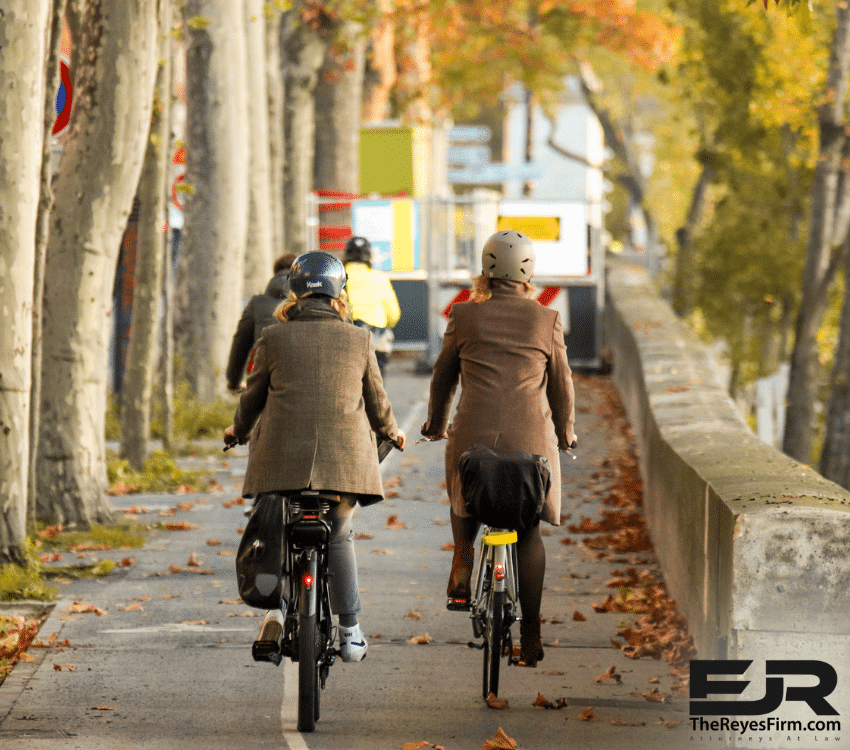
Cyclists are among the most vulnerable people on the road. With no metal frame, airbags, or seatbelt, a rider absorbs the force of a collision directly, which is why even a low-speed crash can cause significant injury. Common cycling injuries range from road rash, sprains, and broken bones to more serious head, facial, and spinal injuries.
That vulnerability is exactly why prevention is worth the small effort it takes. You cannot control every driver around you, but you can stack the odds in your favor by being visible, predictable, and prepared. The tips that follow focus on the habits that make the biggest difference.
How can you make yourself more visible?
Many bike crashes happen simply because a driver did not see the cyclist, so visibility is one of your strongest defenses. Wear bright, high-contrast clothing during the day and reflective materials at dawn, dusk, and night, when visibility is worst. Use a white front light and a red rear light whenever light is low, and consider running a rear light even in daylight, since a blinking light draws the eye.
Position and awareness help too. Ride where drivers naturally look, make eye contact at intersections when you can, and assume you have not been seen until you are sure you have. Being visible is not about standing out for its own sake, it is about giving drivers every chance to notice and react to you in time.
💡 Did You Know? A properly fitted helmet is widely regarded as the single most effective piece of safety equipment a cyclist can wear, greatly reducing the risk of serious head injury in a crash. A helmet only does its job if it fits snugly, sits level on your head, and is worn every ride, including the short ones close to home.
How should you ride in traffic?
Predictability is the heart of safe cycling. Ride in the same direction as traffic, never against it, and obey the same traffic signals and signs that cars do, because drivers anticipate cyclists who behave like other vehicles. Hold a straight, steady line rather than weaving between parked cars, and use clear hand signals before you turn or change position so drivers know your intentions.
Choose your road position thoughtfully. Ride far enough from parked cars to avoid an opening door, take the lane when it is too narrow to share safely, and be especially cautious at intersections and driveways, where most car-and-bike collisions occur. Staying alert, scanning ahead, and never assuming a driver will yield are habits that prevent crashes before they start.
What protective gear should you wear?
Beyond the helmet, a few pieces of gear add real protection and comfort. Cycling gloves protect your hands, which instinctively reach out in a fall, and improve your grip. Eye protection shields against sun, wind, dust, and debris that could distract you or obscure your vision at the wrong moment. Sturdy, close-fitting clothing avoids loose fabric that could catch in the chain or wheels.
Above all, make sure your helmet fits correctly, since an ill-fitting helmet offers far less protection. It should sit level, cover your forehead, and buckle snugly under the chin without excessive movement. Replace any helmet that has been in a crash, even if it looks undamaged, because its protective structure may be compromised.
How do you keep your bike safe to ride?
A well-maintained bike is a safer bike, and a quick check before you ride catches most problems. Many cyclists use the ABC Quick Check: Air, meaning proper tire pressure and good tread; Brakes, confirming both stop the bike firmly; and Cranks, Chain, and Cassette, checking that the drivetrain turns smoothly and nothing is loose, along with the Quick releases or thru-axles that hold your wheels.
Beyond the pre-ride check, keep your tires properly inflated, your chain clean and lubricated, and your brake pads in good shape, and address any unusual noises or handling promptly. If a repair is beyond your comfort level, a bike shop can help. A few minutes of attention keeps small issues from becoming a hazard on the road.
🛡️ When Safety Isn’t Enough: Even the most careful, well-equipped cyclist cannot control a distracted or careless driver. If a motorist’s negligence caused your crash, you may be entitled to compensation for your injuries, and under Florida Statute § 95.11(5)(a) you generally have two years from the crash to file a claim.
Watch: Essential Bike Safety Tips
If you prefer to see it demonstrated, the short video below covers essential bike safety tips to help prevent common cycling injuries.
And if you have been injured in a bicycle crash that wasn’t your fault, The Reyes Firm offers free consultations with no obligation.
Your quick bike safety checklist
Run through these five habits every time you ride. Together they meaningfully lower your risk.
- Wear a properly fitted helmet. Make sure it sits level, covers your forehead, and buckles snugly, every ride, no exceptions.
- Be visible. Use bright clothing, reflective materials, and front and rear lights, especially in low light.
- Ride predictably. Go with traffic, obey signals, hold a straight line, and use clear hand signals.
- Do an ABC Quick Check. Confirm air, brakes, and chain before you head out.
- Stay alert and defensive. Watch intersections and driveways, and never assume a driver sees you. If one hurts you, call 833-4 BAD DAY.
The Reyes Firm
4730 N. Habana Ave., Suite 201, Tampa, FL 33614
Phone: 833-4 BAD DAY | thereyesfirm.com
How The Reyes Firm helps injured cyclists
You can ride carefully, wear your helmet, and follow every rule, and still be hurt by a driver who was not paying attention. Cyclists are especially vulnerable in a crash, and they too often face unfair blame from insurers who assume the rider must have done something wrong. We stand up for injured cyclists throughout Tampa and Hillsborough County.
When we represent an injured cyclist, we typically:
- Investigate the crash thoroughly, gathering the crash report, photos, witness accounts, and any available video to establish what really happened
- Push back on unfair blame, countering the bias cyclists often face from insurance companies
- Handle the insurers for you, so you are not pressured into an early, inadequate settlement
- Bring in qualified experts when needed to reconstruct the crash and document your injuries
- Pursue your full damages, including medical bills, lost wages, future care, and pain and suffering, as our guide to what drives a settlement explains
- Work on contingency, so there is no fee unless we recover for you
No lawyer can promise a particular outcome. What we can promise is that we take bicycle cases seriously, treat riders with respect, and fight for the full compensation you deserve.
Frequently asked questions about bike safety
Do I really need to wear a helmet on every ride?
Yes. A properly fitted helmet is the most effective way to reduce the risk of serious head injury, and many crashes happen close to home on short, familiar rides. Wearing one every time, and making sure it fits well, is one of the simplest and most important safety habits.
What is the ABC Quick Check?
It is a fast pre-ride inspection standing for Air, Brakes, and Cranks, Chain, and Cassette, plus checking your quick releases. It takes under a minute and helps make sure your tires, brakes, and drivetrain are all safe before you ride.
Should I ride with or against traffic?
Always ride in the same direction as traffic, never against it. Drivers anticipate cyclists who move with the flow and obey the same signals, so riding predictably and lawfully makes you far safer and easier to see.
How can I be more visible to drivers?
Wear bright, high-contrast clothing, add reflective materials for low light, and use a white front light and red rear light. Making eye contact at intersections and riding where drivers naturally look also helps ensure you are seen.
Where do most bike-and-car crashes happen?
Many occur at intersections and driveways, where paths cross and drivers may fail to yield or see a cyclist. Slowing down, staying alert, and never assuming a driver will stop are especially important in these spots.
What are the most common cycling injuries?
They range from road rash, sprains, and fractures to more serious head, facial, and spinal injuries. Wearing protective gear, especially a helmet, and riding defensively help reduce both the likelihood and the severity of these injuries.
What should I do if a car hits me while cycling?
Get medical attention promptly, report the crash and get a crash report, and document the scene and any witnesses if you are able. Then be cautious with insurers and consider speaking with a lawyer about your options.
How long do I have to file a bicycle accident claim in Florida?
Under Fla. Stat. § 95.11(5)(a), you generally have two years from the date of the crash to file a personal injury lawsuit, reduced from four years in March 2023. It is best to consult a lawyer well before that deadline.

Edward Reyes, Esq. is a Florida Bar-admitted personal injury attorney and the founder of The Reyes Firm in Tampa, Florida. He represents people injured by the negligence of others in cases involving bicycle crashes, car accidents, and other serious injuries throughout Tampa and the surrounding counties. Edward Reyes, Esq. handles personal injury claims on a contingency fee basis, meaning clients pay nothing unless the firm recovers compensation for them.
Read more about Edward Reyes.
How Can The Reyes Firm Help You?
If you’ve had a bad day, whether a bicycle crash, a car accident, or any injury that wasn’t your fault, The Reyes Firm is in your corner. Our Tampa personal injury attorneys offer free consultations and work on a contingency fee basis, which means you pay us nothing unless we win your case.
You shouldn’t have to fight the insurance companies alone. Let us fight for you.
📍 Address: 4730 N. Habana Ave., Suite 201, Tampa, FL 33614
📞 Phone: 833-4 BAD DAY
🌐 Website: Schedule your free consultation today at thereyesfirm.com
Had a bad day? Call The Reyes Firm. We’ll handle the rest.
The information in this blog post is for general informational purposes only and is neither professional safety advice nor legal advice. Always follow local traffic laws and manufacturer guidance for your equipment. Reading this article does not create an attorney-client relationship with The Reyes Firm. Every case is unique. If you have been injured in a bicycle accident that wasn’t your fault, consult a licensed Florida personal injury attorney about your specific situation.