The recent surge in motorcycle crashes in Tampa has raised significant concerns regarding rider safety and the underlying causes of these tragic incidents. Despite the freedom and thrill that comes with motorcycle riding, the risks associated with it can lead to fatal consequences. This article delves into the various factors contributing to motorcycle crashes in Tampa, offers safety tips for riders, outlines how Tampa police handle accident investigations, and discusses the legal implications following a motorcycle crash.
What Are the Causes of Motorcycle Crashes in Tampa?
Understanding Common Factors Leading to Fatal Motorcycle Accidents
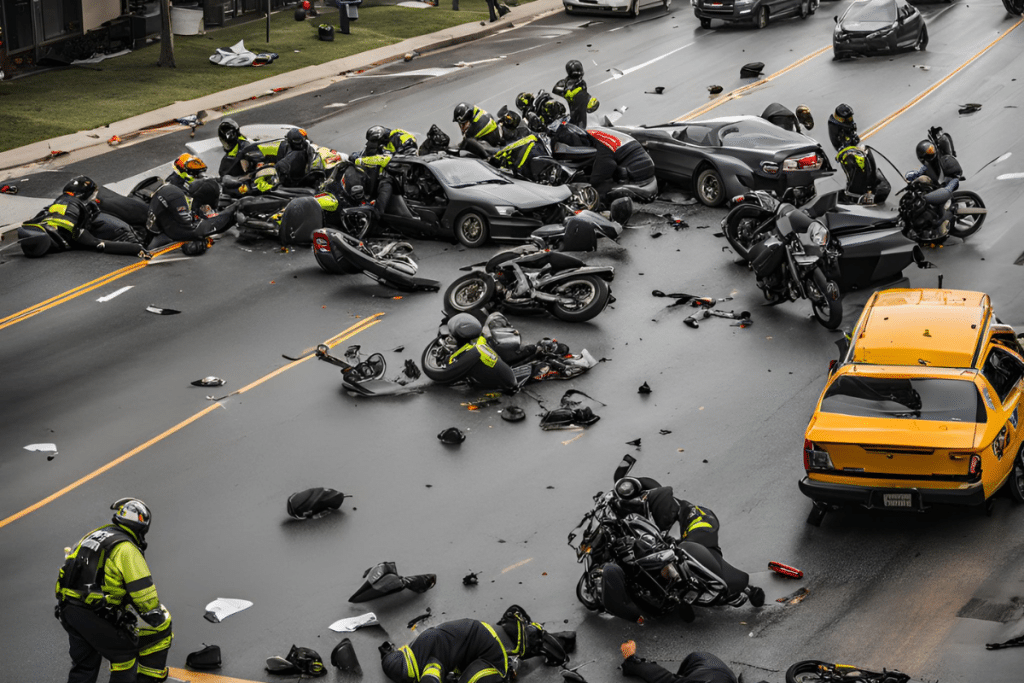
A myriad of factors often influences motorcycle crashes in Tampa. One of the most critical causes is motorcyclists’ lack of visibility on busy streets and highways. In many instances, drivers of larger vehicles fail to notice motorcyclists, leading to collisions that can result in severe injuries or fatalities. Additionally, the high speed at which motorcycles can travel can exacerbate the severity of accidents, mainly when they occur at intersections or during lane changes. The recent crash on Courtney Campbell Causeway, where a motorcyclist was fatally injured, highlights how quickly a ride can turn tragic due to the negligence of other drivers or poor road conditions.
How Weather Conditions Affect Motorcycle Safety in Tampa Bay
Weather conditions significantly affect motorcycle safety throughout the Tampa Bay area. Florida’s unpredictable weather, including sudden rain showers and high winds, can create treacherous riding conditions. Wet roads can lead to decreased traction, increasing the likelihood of a crash. Riders must remain vigilant and adjust their riding techniques in response to changing weather. During inclement weather, motorcyclists must reduce speed, maintain greater following distances, and enhance their visibility through proper lighting and reflective gear.
The Role of Driver Negligence in Motorcycle Crashes
Driver negligence is a prevalent factor in many motorcycle accidents. Distractions such as mobile phones, aggressive driving behaviors, and impaired driving can significantly increase the risk of a collision. In Tampa, where traffic congestion is expected, the likelihood of a driver making a critical error that impacts a motorcyclist’s safety is heightened. The Florida Highway Patrol often emphasizes the importance of awareness and accountability among all road users to prevent fatal crashes. Furthermore, the aftermath of such negligence can lead to devastating consequences, as seen in numerous incidents where motorcyclists have been thrown from their vehicles due to a driver’s reckless behavior.

What Are the Safety Tips for Motorcyclists in Tampa?
Essential Safety Gear for Motorcycle Riders
Wearing appropriate safety gear is paramount for motorcyclists to protect themselves in the event of a crash. Essential gear includes:
- A DOT-approved helmet.
- Gloves.
- Jackets made of durable materials.
- Riding pants that offer protection against abrasions.
In addition, reflective vests can enhance visibility, especially when riding during low-light conditions. Investing in high-quality protective gear is a proactive measure that can significantly reduce the chances of severe injury or fatality in the unfortunate event of a motorcycle accident.
Best Practices for Navigating Busy Streets and Highways
Motorcyclists in Tampa should adopt best practices when navigating busy streets and highways. Defensive riding techniques, such as anticipating the actions of surrounding vehicles and maintaining a safe distance from other traffic, are crucial. Riders should also avoid weaving between lanes, which can lead to dangerous situations if a driver fails to check their blind spots. Awareness of the surroundings, especially at intersections and during lane changes, can help prevent crashes. The Gandy Bridge, a busy thoroughfare in Tampa, is notorious for motorcycle accidents, underscoring the need for caution when traversing heavy traffic.
How to Stay Alert on the Road
Staying alert while riding is essential for ensuring safety on the road. Motorcyclists should avoid riding when tired or under the influence of substances that impair judgment. Regular breaks during long rides help maintain focus and prevent exhaustion. Additionally, ongoing rider education and training can enhance skills and awareness, equipping motorcyclists with the necessary strategies to handle unexpected situations on the road. Techniques such as scanning the environment for potential hazards and practicing emergency maneuvers can prepare riders for unpredictable traffic.
How Do Tampa Police Handle Motorcycle Accidents?
Investigation Procedures for Fatal Motorcycle Crashes
When a motorcycle accident occurs in Tampa, particularly a fatal crash, the Tampa Police and Florida Highway Patrol initiate a thorough investigation. This typically involves securing the accident scene, collecting evidence, and interviewing involved parties. Investigators meticulously examine vehicle damage, road conditions, and any contributing factors, such as traffic signals or signage. The goal is to ascertain the circumstances surrounding the crash and determine liability, which is crucial for any ensuing legal actions.
The Importance of Witness Statements in Crash Reports
Witness statements play a critical role in the investigation of motorcycle accidents. Eyewitness accounts can provide valuable insights into the events leading up to the collision, helping clarify the actions of the motorcyclist and the other drivers involved. The Tampa Police Department often seeks statements from bystanders to supplement their findings and create a comprehensive report. This information can be vital for determining fault and supporting any legal claims that may arise from the accident.
How to Obtain a Police Report After a Motorcycle Accident
After a motorcycle accident, obtaining a police report is essential for documenting the incident and supporting insurance claims. In Tampa, individuals can request a report through the Tampa Police Department or the Florida Highway Patrol, depending on which agency responded to the crash. Typically, this process involves filling out a request form and providing identification. Access to the report can facilitate communication with insurance companies and legal representatives, ensuring that victims are adequately compensated for their injuries and damages related to the crash.
What Should You Do After a Motorcycle Crash in Tampa?
Steps to Take Immediately Following a Motorcycle Accident
In the aftermath of a motorcycle crash, victims must take immediate steps to safeguard their health and legal rights. First, if it is safe, the rider should assess their injuries and seek medical attention if necessary. Documenting the scene through photographs and gathering information from other parties is vital. This documentation can be instrumental in any future legal claims or insurance processes. It is also important to report the incident to the police, as a formal record is essential for any investigations that may follow.
When to Seek Legal Assistance After a Fatal Crash
In cases of fatal motorcycle accidents, the need for legal assistance becomes even more pressing. Families of the victims should consider consulting with an attorney who specializes in motorcycle accidents to understand their rights and potential compensation options. Legal experts can guide families through the complex processes of filing wrongful death claims and navigating the intricacies of Florida’s motorcycle laws. Seeking legal representation can ensure that the interests of the victims are adequately protected during this challenging time.
How to File a Claim for Injuries Sustained in a Motorcycle Crash
Filing a claim for injuries sustained in a motorcycle crash involves several steps. First, gathering all relevant medical records, bills, and documentation related to the accident is essential. This evidence will be crucial when presenting a case to insurance companies or in court. Riders must also be aware of Florida’s comparative negligence laws, which can affect the compensation they receive based on the degree of fault attributed to each party involved in the crash. Consulting with a knowledgeable attorney can clarify the process and help ensure victims receive fair compensation for their injuries.
What Are the Legal Implications of a Motorcycle Crash in Tampa?
Understanding Liability in Motorcycle Accidents
Liability in motorcycle accidents is a complex issue that can significantly affect the outcome of legal claims. In Florida, determining fault often involves analyzing the actions of all parties involved in the crash. This includes evaluating driver behavior, road conditions, and adherence to traffic laws. In cases where a motorcyclist is found to be partially at fault, their compensation may be reduced according to their percentage of fault. Understanding these nuances is critical for anyone involved in a motorcycle accident in Tampa.
The Impact of Florida’s Motorcycle Laws on Compensation
Florida’s motorcycle laws can profoundly impact the compensation available to victims of motorcycle crashes. For instance, Florida operates under a no-fault insurance system, which typically limits the ability to claim damages unless certain injury thresholds are met. This means that motorcyclists involved in crashes must be aware of the legal requirements to pursue claims effectively. Additionally, the absence of a universal helmet law for riders over 21 adds another layer of complexity when addressing liability and compensation in motorcycle accidents.
What to Expect in a Motorcycle Accident Lawsuit
The process of a motorcycle accident lawsuit can be lengthy and intricate. Victims can expect to engage in discovery, where both sides exchange evidence and gather information to support their claims. This stage can involve depositions, witness statements, and expert testimonies. Depending on the circumstances, cases may be resolved through negotiation or may proceed to trial. Understanding the legal landscape and having an experienced attorney can make a significant difference in navigating the challenges associated with motorcycle accident litigation.