Bike hand signals are more than just a courtesy—they’re essential to safe cycling. By clearly communicating your intentions to other road users, you can greatly enhance cyclist communication and significantly reduce the risk of accidents.
In this guide, we’ll explain the must-know bike hand signals and how to use them effectively to stay safe on the road.
Whether you’re a seasoned rider or just starting, mastering these signals is a simple yet powerful step toward safe cycling practices.
Despite taking every precaution, accidents may still occur. If you are involved in a cycling accident, don’t hesitate to contact The Reyes Firm.
By combining knowledge of bike hand signals with defensive riding techniques, you can contribute to better road safety for cyclists and enjoy a more secure cycling experience.
Let’s explore how these signals can make every ride safer.
The Importance of Hand Signals
Hand signals are essential for cyclists to convey their intentions to other road users. They provide crucial bike safety tips that significantly enhance road safety.
By using clear and consistent hand signals, cyclists can reduce the risk of accidents and promote a harmonious cycling environment.
Why Hand Signals Are Crucial
- Enhanced Road Safety: Hand signals provide clear communication between cyclists and other road users, reducing the likelihood of misunderstandings and accidents.
- Predictability: By signaling your intentions, you allow other road users to anticipate your actions, promoting smoother traffic flow.
- Legal Compliance: In many jurisdictions, cyclists must use hand signals. Failure to signal can result in fines or legal penalties.
Legal Requirements for Bike Signals
It’s essential to familiarize yourself with local traffic laws and regulations regarding bike signals. For example, in Florida, Statute 316.155 outlines the specific requirements for cyclists to use hand signals when turning, stopping, or changing lanes. The statute also recognizes that continuous signaling may not be practical if it affects a cyclist’s control, highlighting the importance of safety while following the law.
If you’re involved in a cycling accident and believe another driver’s negligence contributed to the incident, consulting with a bicycle accident attorney can help you understand your legal rights and pursue compensation.
Common Bike Hand Signals
As mentioned earlier, clear and effective communication is essential for safe cycling. Here are the standard bike hand signals to convey your intentions to other road users:
Hand Signals for Turning
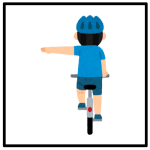
Left Turn: Extend your left arm straight out. This clear signal indicates your intention to turn left, allowing other road users to anticipate your maneuver.
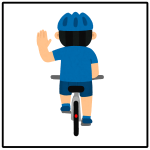
Right Turn: Raise your left arm to the side and bend it upward at a 90-degree angle at the elbow, with your hand pointing up and the palm facing forward.
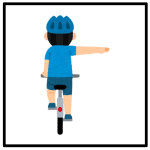
Alternative Right Turn: Stretch your right arm straight out to the side with all fingers extended, or simply point to the right using your index finger.
Stopping and Slowing Down
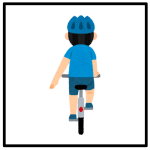
Stopping: Lower your left arm and point it straight downward. This signal indicates that you are about to stop or slow down significantly.
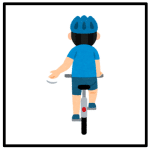
Slowing Down: Lower your left arm, pointing downwards to the rear. This signal informs other road users that you are reducing your speed.
Common Biker Gestures
While not strictly hand signals, certain gestures are commonly used by cyclists to communicate with other riders:
- Peace Sign: This gesture, often used with the left hand, can indicate various things, such as a friendly greeting or a signal to slow down.
- Helmet Tap: Tapping your helmet is a common way for cyclists to acknowledge each other or to signal a potential hazard ahead.
Mastering these hand signals and gestures can enhance communication with other road users and promote a safer cycling environment.
Additional Tips for Effective Hand Signaling
To maximize the effectiveness of your hand signals and ensure safe cycling, consider these additional tips:
Timing is Key
- Early Signaling: Use hand signals well in advance to give other road users ample time to react.
- Consistent Signaling: Maintain consistent signaling, especially when approaching intersections or making turns.
Clarity and Visibility
- Clear and Concise: Ensure your hand signals are clear, concise, and easy to understand.
- Visible Positioning: To enhance visibility, position your hand signals in a visible location, away from your body.
- Bright Clothing: Wearing brightly colored clothing can improve visibility, especially in low-light conditions.
Practice Makes Perfect
- Regular Practice: Practice your hand signals to ensure smooth and accurate execution.
- Self-Assessment: Record yourself using hand signals and review the footage to identify areas for improvement.
Local Regulations
- Familiarize Yourself: Understand the local regulations regarding bike signals. Some jurisdictions may have specific requirements or preferences for hand signals.
- Adapt to Local Customs: Be aware of any local customs or practices related to bike signals and adjust your signaling accordingly.
By following these tips and mastering bike hand signals, you can enhance your communication with other road users and significantly improve your safety on the road.
The Importance of Bike Safety
Bike riding is a fantastic way to stay active and enjoy the outdoors. Nonetheless, prioritizing safety is crucial to avoid accidents and injuries. By following these essential safety tips, you can enjoy a safer and more enjoyable cycling experience.
Helmet Use
Wearing a properly fitted helmet is one of the most effective ways to protect yourself from head injuries in case of a bike crash. A good helmet can significantly reduce the risk of severe head trauma.
Bike Maintenance
Regular bike maintenance is crucial for safe riding. Ensure that your brakes, tires, and chains are in good working condition. Maintaining your bike correctly can reduce the risk of accidents caused by mechanical issues.
Riding Defensively
- Anticipate Hazards: Be aware of your surroundings and anticipate potential hazards, such as potholes, debris, and distracted drivers.
- Use Hand Signals: Effectively communicate your intentions to other road users using clear hand signals.
- Obey Traffic Laws: Follow traffic laws and regulations, including stopping at red lights and stop signs.
- Ride Predictably: Avoid sudden maneuvers or erratic behavior that could startle other road users.
Legal Support
If you’re involved in a bike accident, seeking legal advice is essential. A bicycle accident lawyer can help you understand your legal rights and pursue compensation for your injuries and damages.
You can enjoy a safer and more fulfilling cycling experience by prioritizing safety and following these guidelines.
Conclusion
To sum up, mastering bike hand signals and practicing safe cycling habits can significantly enhance your safety on the road. Clear communication is critical to preventing accidents and ensuring a pleasant cycling experience.
If, despite your best efforts, you find yourself involved in a cycling accident, don’t hesitate to seek legal advice. The Reyes Firm is dedicated to protecting the rights of cyclists and can provide the necessary support and guidance.
Frequently Asked Questions (FAQs)
What are the three essential bike signals?
The three essential bike signals are:
- To signal a left turn, fully extend your left arm outward.
- To indicate a right turn, fully extend your right arm outward.
- To signal a stop, fully extend your left arm downward.
What is the bike signal for slowing down?
To signal slowing down, extend your left arm downward and point backward.
What is the correct hand signal for stopping?
To signal stopping, extend your left arm downward, pointing straight down.
What are the legal bike hand signals?
Specific legal requirements for bike signals vary by location. However, using clear and consistent hand signals is generally considered a best practice for safe cycling.
What is the sorry hand gesture when driving?
The “sorry” hand gesture, often used by drivers to apologize for mistakes, involves extending your left arm out the window with your palm facing downward and waving it up and down.