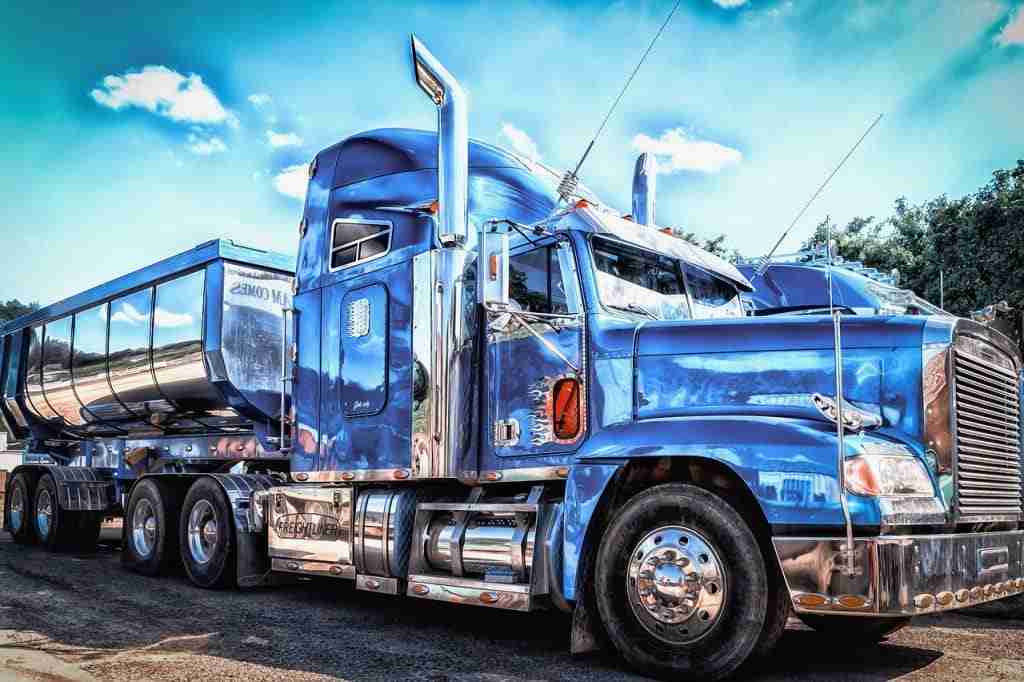
Truck accidents can be devastating, often resulting in severe injuries and significant financial burdens for the victims. Understanding the essential steps to take after a truck accident is crucial for successfully navigating a truck accident case and securing the necessary compensation.
Understanding Truck Accidents
Truck accidents involve large commercial vehicles, including semi-trucks and tractor-trailers. Understanding the nuances of these accidents is vital, as they differ significantly from typical passenger vehicle collisions due to the size and weight of the vehicles involved.
Types of Truck Accidents
Several truck accidents include rear-end collisions, jackknife incidents, and rollovers. Each type of accident can have unique causes and consequences, and it is essential to identify the specific circumstances of your case to build a strong argument for your truck accident lawsuit.
Common Causes of Truck Accidents
Negligence is a common cause of truck accidents, often involving truck drivers, trucking companies, or manufacturers. Factors such as driver fatigue, improper maintenance, and violations of trucking regulations can lead to catastrophic accidents, making it imperative to investigate your case’s circumstances.
Impact of Serious Injuries in Truck Accidents
Serious injuries resulting from truck accidents can lead to long-term pain and suffering for the victims. Injuries such as spinal damage or traumatic brain injuries not only affect the victims physically but can also lead to significant lost wages and emotional distress, complicating the settlement process.
Preparing for Your Truck Accident Case
Preparation is critical when pursuing a truck accident case. Gathering crucial evidence and understanding the legal landscape surrounding truck accidents can significantly influence the outcome of your accident claim and increase your chances of receiving fair compensation.
Gathering Evidence After a Truck Accident
Collecting evidence immediately after a truck accident is vital. This includes taking photographs of the scene, obtaining police reports, and ensuring that any black box data from the truck is secured. Such evidence can provide critical insights into the circumstances of the accident and support your claims against negligent parties.
Importance of Eyewitness Testimonies
Eyewitness testimonies can be invaluable in truck accident cases. Statements from those who observed the accident can corroborate your account and establish fault, allowing your truck accident attorney to build a stronger case against the involved trucking companies or negligent truck drivers.
Documenting Your Accident Claim
Documenting every aspect of your accident claim is essential for a successful settlement. This includes medical records, invoices, and any communication with insurance companies. Thorough documentation helps to substantiate your claims and can significantly impact the outcome of your accident lawsuit.

Choosing the Right Truck Accident Lawyer
Choosing the right truck accident lawyer can significantly influence the outcome of your case. It’s crucial to find a legal professional knowledgeable about truck accident laws and who has experience handling similar accident cases involving large commercial trucks. This expertise can be invaluable in navigating complex regulations and understanding the nuances of federal motor carrier safety standards.
Qualities to Look for in a Truck Accident Lawyer
When selecting a truck accident lawyer, consider their track record with cases, particularly those involving severe injuries. Look for qualities such as strong negotiation skills, experience with insurance companies, and a deep understanding of trucking regulations. An attorney who provides a free consultation can help you gauge their suitability and approach to your unique case.
Questions to Ask During Your Initial Consultation
During your initial consultation with a truck accident attorney, ask questions to help you understand their approach to litigating truck accident cases. Inquire about their experience with similar cases, their strategy for gathering evidence, and how they handle communication with insurers. These discussions can show their commitment to maximizing your truck accident settlement.
Understanding Fee Structures for Accident Lawyers
Understanding the fee structures of accident lawyers is essential for financial planning during your truck accident case. Many truck accident lawyers work on a contingency fee basis, meaning they only get paid if you win your case. Clarifying these details upfront can help you avoid any surprises later and ensure you’re comfortable with the financial aspects of your legal representation.
Navigating the Legal Process of a Truck Accident Lawsuit
Navigating the legal process of a truck accident lawsuit can be daunting for accident victims. The steps involved require meticulous attention to detail and a comprehensive understanding of the law. From filing your initial claim to negotiating with insurers, having a skilled truck accident lawyer can help simplify this complex process.
Steps Involved in Filing a Truck Accident Lawsuit
Filing a truck accident lawsuit involves several key steps, including gathering the necessary documentation, submitting your complaint, and serving the involved parties. It is essential to act promptly, as truck accident victims have a limited time to file their claims. Ensuring all paperwork is completed accurately can significantly affect the outcome of your case.
Litigating Truck Accident Cases: What to Expect
Litigating truck accident cases typically involve a pre-trial phase, where evidence is exchanged between parties, followed by trial proceedings if a settlement cannot be reached. During this process, your truck accident attorney will present evidence of negligence and the impact of severe injuries on your life, helping to establish liability and secure a favorable outcome.
Potential Outcomes of a Truck Accident Lawsuit
The potential outcomes of a truck accident lawsuit can vary widely, ranging from a favorable settlement to a court verdict. Depending on the specifics of your case, you may receive compensation for pain and suffering, lost wages, and medical expenses. Understanding the various outcomes can prepare you for the journey ahead and help you set realistic expectations for your truck accident claim.
Settlements and Insurance in Truck Accident Cases
How Truck Accident Settlements Work
Truck accident settlements typically arise when accident victims and insurance companies negotiate to reach a fair compensation agreement without going to trial. The settlement amount is influenced by various factors, including medical expenses, lost wages, and pain and suffering endured by the injured parties. A skilled truck accident lawyer can help victims understand the nuances of their claims, ensuring they receive the compensation they deserve based on the severity of their injuries and the specifics of the accident case.
Understanding Truck Accident Insurance Policies
Understanding truck accident insurance policies is crucial for accident victims seeking compensation. These policies often cover liability for damages caused by the truck driver or trucking companies, and they can vary significantly in terms of coverage limits and exclusions. Familiarizing oneself with the terms of these policies, including potential clauses that may affect claims, enables victims to navigate the complexities of dealing with insurers effectively. A truck accident attorney can provide insights into how the insurance process works and what victims can expect when filing their accident claims.
Negotiating a Fair Settlement
Negotiating a fair settlement in a truck accident case requires a strategic approach, as accident victims must advocate for their rights while dealing with powerful insurance companies. Effective negotiation involves presenting a well-documented case that highlights the negligence of the truck driver or trucking company and the extent of the injuries sustained. Having a knowledgeable truck accident lawyer by your side can significantly enhance the chances of securing a favorable settlement that adequately compensates for medical expenses, lost wages, and the emotional toll of the accident.
Holding Responsible Parties Liable
Who Can Be Held Liable in a Truck Accident?
Determining who is liable in a truck accident is crucial to a successful case. If equipment failure contributed to the accident, liability may fall on multiple parties, including the truck driver, the trucking company, or even the truck manufacturer. Each party’s negligence plays a critical role in establishing responsibility, and gathering evidence such as driver logs, maintenance records, and witness testimonies is essential. A truck accident attorney can help victims identify all potentially liable parties and build a strong compensation case.
Role of Trucking Regulations in Liability Cases
The role of trucking regulations in liability cases cannot be overstated, as they are designed to ensure road safety. Federal Motor Carrier Safety Administration (FMCSA) regulations set strict guidelines for truck operations, including driver qualifications, vehicle maintenance, and service hours. Violations of these regulations can serve as clear evidence of negligence, making it easier for accident victims to establish liability in their cases. Understanding how these regulations apply to your specific accident can significantly impact the outcome of your truck accident lawsuit.
Examples of Liability in Semi-Truck Accidents
Examples of liability in semi-truck accidents often illustrate the complex nature of these cases. For instance, if a truck driver is found to be operating under the influence or exceeding hours of service limits, liability may be attributed directly to them. Additionally, if a trucking company fails to train its drivers or maintain its vehicles properly, it could be held responsible. Such instances highlight the importance of thorough investigation and legal expertise in establishing fault and ensuring that all negligent parties are held accountable for their actions.