 Motorcycle accidents can result in severe physical and financial hardships. Understanding the legal process and your rights is crucial for seeking fair compensation.
This blog post will provide valuable insights into the motorcycle accident settlement process, empowering you to protect your interests and secure the compensation you deserve.
Understanding Motorcycle Accident Claims
A motorcycle accident claim is a legal process initiated by an injured motorcyclist to seek compensation from the responsible party.
This compensation may include coverage for medical bills, lost income, pain and suffering, and property repairs.
Types of Motorcycle Accidents
Motorcycle accidents can occur in various circumstances, including:
- Car Collisions: Car collisions are the most common type of motorcycle accident, often caused by driver negligence.
- Truck Accidents: Involving large trucks, these accidents can have severe consequences for motorcyclists.
- Single-Vehicle Accidents: Caused by factors like road hazards, mechanical failures, or rider error.
- Motorcycle-Motorcycle Accidents: Collisions between two or more motorcycles.
Common Injuries in Motorcycle Accidents
Due to the absence of protective barriers, motorcyclists are at a higher risk of sustaining severe injuries.
Common injuries include:
- Road Rash: Skin abrasions resulting from sliding on the pavement.
- Fractures: Bone breaks, commonly affecting the arms, legs, and ribs.
- Head Injuries: Traumatic brain injuries (TBIs) can result from impacts to the head.
- Spinal Cord Injuries: These can lead to paralysis or other severe disabilities.
Road rash is the most frequently occurring injury in motorcycle accidents. However, more severe injuries, such as head trauma and spinal cord injuries, can also occur.
Factors Influencing Motorcycle Accident Settlement Amounts
Several key factors influence the settlement amount in a motorcycle accident case, including the severity of injuries, property damage, liability, and insurance coverage.
Severity of Injuries
The extent and long-term impact of injuries significantly affect compensation. Severe injuries like traumatic brain injuries, spinal cord injuries, or amputations often result in higher settlements due to the extensive medical treatment, rehabilitation, and ongoing care required.
Property Damage
Another critical factor is the cost of repairing or replacing a damaged motorcycle. This includes expenses for parts, labor, and additional costs like towing or storage fees incurred after the accident.
Liability
Fault determination plays a crucial role in settlement calculations. In most states, comparative negligence principles are used, meaning damages are adjusted based on the percentage of fault assigned to each party. For example, if the injured motorcyclist is partially at fault, their compensation may be reduced accordingly.
Insurance Coverage
Insurance coverage availability and limits—both for the at-fault party and the injured motorcyclist—can significantly impact settlements. If the at-fault party’s policy does not cover all damages, the motorcyclist may need to pursue compensation through motorcycle insurance or a lawsuit.
Economic and Non-Economic Damages
Two types of damages also influence settlements:
- Economic Damages: Measurable losses include medical expenses, lost income, and property damage.
- Non-Economic Damages: Intangible losses such as pain and suffering, emotional distress, and loss of enjoyment of life.
How Motorcycle Accident Settlement Amounts Are Calculated
Economic Damages
Economic damages are straightforward to calculate by adding up actual costs such as:
- Medical Expenses: Hospital bills, doctor visits, surgeries, medications, and therapy.
- Lost Wages are based on the victim’s income and the time they could not work due to injuries.
Non-Economic Damages
Non-economic damages are more subjective and calculated using methods such as:
- Multiplier Method: Multiplying economic damages by a factor (e.g., 1.5 to 5) based on injury severity.
- Per Diem Method: Assigning a daily value to the victim’s pain and suffering and multiplying it by the recovery duration.
Liability and Insurance Limitations
Liability determination and insurance coverage can also limit compensation:
- Comparative Negligence: In states using this principle, the injured party’s settlement is reduced by their percentage of fault.
- Insurance Limits: The at-fault party’s policy may cap the total compensation available, potentially requiring additional legal action to recover the total amount.
It’s important to understand these factors and how they influence settlement amounts. Consulting an experienced motorcycle accident attorney can help injured motorcyclists maximize their recovery and protect their rights.
The Legal Process After a Motorcycle Accident
Managing the legal process following a motorcycle accident can be challenging. Knowing what to do after a motorcycle accident, understanding the steps involved, and seeking legal counsel can help ensure you receive fair compensation.
- Reporting the Accident
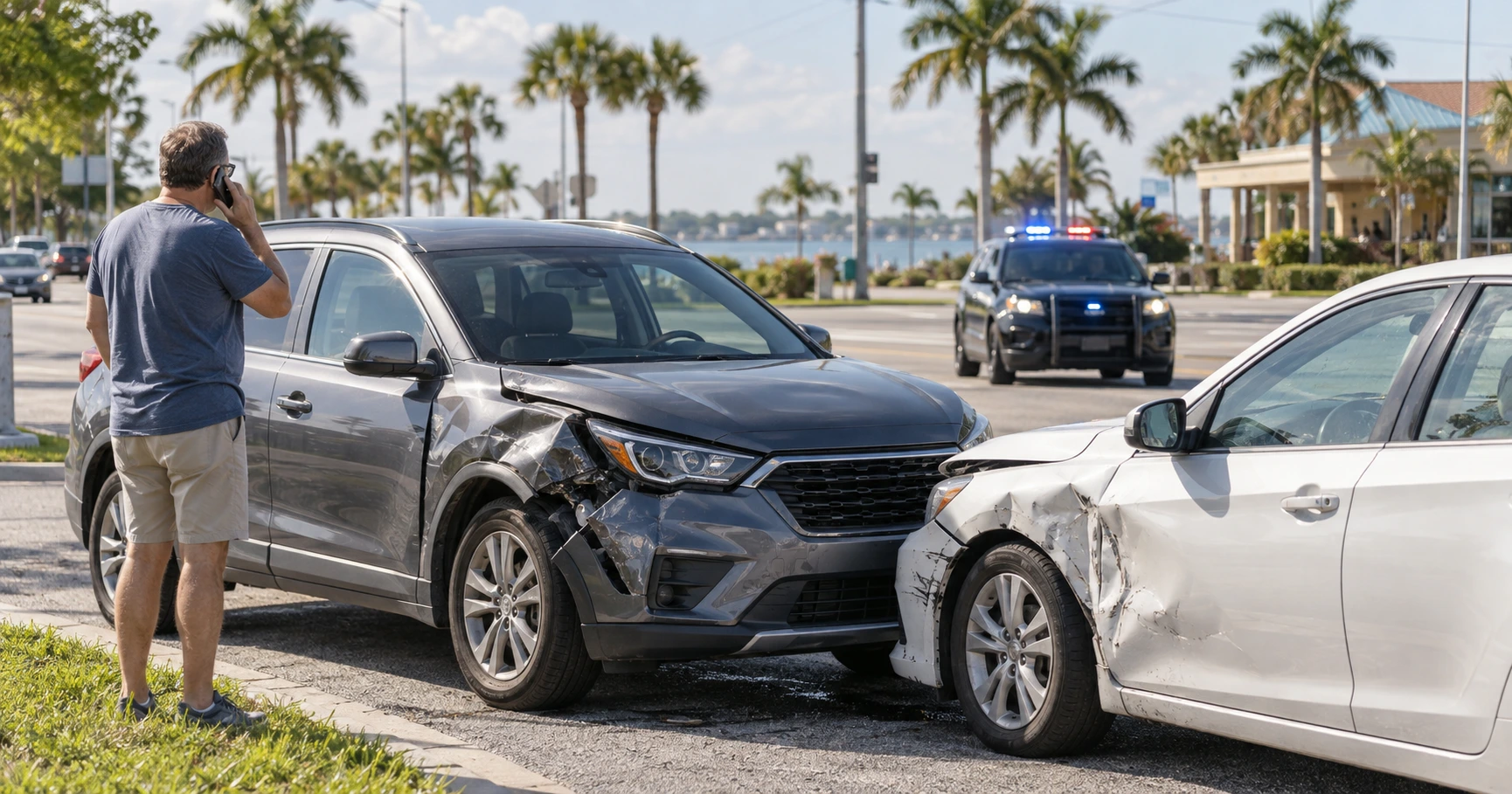
- Contact the Authorities: Immediately contact the local police to report the accident. A police report will serve as official documentation of the incident.
- Gather Information: Collect information from witnesses, including their names, contact information, and statements about what they saw.
- Document the Scene: Take photos of the accident scene, including any damage to your motorcycle and the other vehicle involved.
- Seeking Medical Attention
- Put Your Health First: Get medical care immediately, even for minor injuries. Some injuries may not manifest immediately.
- Document Medical Treatment: Keep detailed records of all medical appointments, diagnoses, treatments, and prescriptions.
- Documenting Damages
- Medical Expenses: Keep track of all medical bills, including hospital stays, doctor visits, medications, and therapy.
- Lost Wages: Document any income lost due to missed work or reduced earning capacity.
- Property Damage: Estimate the cost of repairing or replacing your damaged motorcycle.
- Pain and Suffering: Document the physical and emotional pain and suffering caused by the accident.
- Hiring a Motorcycle Accident Lawyer
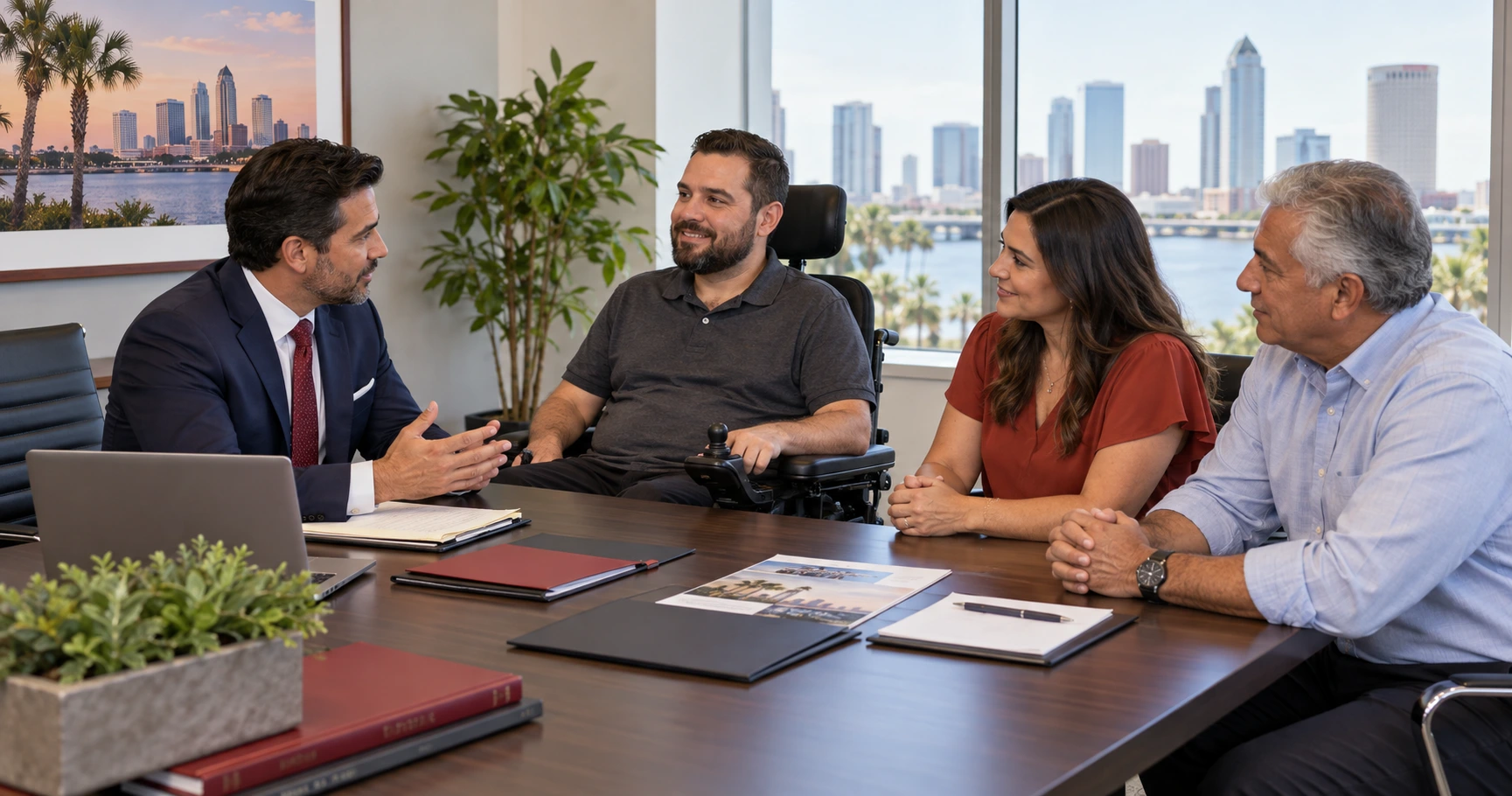
- Legal Expertise: A skilled motorcycle accident lawyer can help you navigate the complex legal process and protect your rights.
- Insurance Negotiations: Your attorney can negotiate with insurance companies to ensure you receive fair compensation.
- Litigation: If necessary, your attorney can file a lawsuit to pursue damages in court.
By following these steps and seeking legal advice, you can increase your chances of a successful claim and receive the compensation you deserve.
Remember, time is of the essence, so acting quickly and consulting with motor vehicle accident attorneys is essential.
Common Mistakes to Avoid After a Motorcycle Accident
Making mistakes after a motorcycle accident can significantly impact your ability to recover compensation. To protect your rights, avoid these common pitfalls:
1. Talking to the Insurance Company Without Legal Representation
Insurance companies prioritize reducing their payouts since they operate as businesses. It’s essential to consult a lawyer before engaging with insurance adjusters. They may ask leading questions or try to gather information that can be used against you.
2. Accepting a Quick Settlement
Insurance companies may offer a quick settlement, but it’s essential to carefully consider the long-term implications of accepting a low-ball offer. Your injuries may worsen over time, and you may incur additional medical expenses. It’s best to consult with a personal injury law firm to assess the full extent of your damages before accepting any settlement.
3. Delaying Legal Action
Time is of the essence when it comes to pursuing a motorcycle accident claim. Delays can weaken your case, making gathering evidence and identifying witnesses more difficult. It’s essential to consult with an attorney as soon as possible to discuss your legal options and protect your rights.
Avoiding these common mistakes and obtaining legal guidance can significantly improve your chances of securing fair compensation for your injuries and losses.
The Role of a Motorcycle Accident Lawyer
A motorcycle accident lawyer plays a crucial role in helping injured riders navigate the complex legal process and secure fair compensation. Here’s how they can assist you:
Investigating the Accident
- Gathering Evidence: Lawyers will thoroughly investigate the accident, collecting evidence such as police reports, witness statements, and photos of the accident scene.
- Determining Liability: They will identify the party responsible for the accident, whether it’s another driver, a government agency, or a product manufacturer.
- Consulting Experts: Lawyers may consult with accident reconstruction experts or medical professionals to strengthen their cases if necessary.
Negotiating with Insurance Companies
- Protecting Your Rights: Lawyers will advocate for your rights and ensure that insurance companies treat you fairly.
- Maximizing Compensation: They will negotiate with insurance adjusters to obtain the maximum compensation for your medical expenses, lost wages, pain and suffering, and property damage.
- Dealing with Insurance Tactics: Lawyers are experienced in dealing with insurance companies’ tactics, such as lowball offers and delaying tactics.
Filing a Lawsuit
A motorcycle accident lawyer can file a lawsuit on your behalf if a fair settlement cannot be reached through negotiation. They will prepare and file the necessary documents, conduct legal research, and represent you in court.
By hiring an experienced motorcycle accident lawyer, you can increase your chances of a successful claim and receive the compensation you deserve.
Conclusion
A clear understanding of the motorcycle accident settlement process is essential to safeguarding your rights and obtaining fair compensation. By seeking legal counsel from experienced motorcycle accident attorneys, you can navigate the complexities of the legal system and maximize your claim.
The Reyes Firm is dedicated to helping injured motorcycle riders. If you’ve been involved in a motorcycle accident, don’t hesitate to contact us for a free consultation. We are dedicated to defending your rights and ensuring you achieve the justice you deserve.
Frequently Asked Questions (FAQs)
What makes a motorcycle totaled?
A motorcycle is typically considered totaled when the cost of repairs exceeds its market value. Factors such as the severity of the damage and the motorcycle’s age can influence this determination.
What is the salvage value of a motorcycle?
Salvage value refers to the estimated value of a totaled motorcycle. The amount an insurance company may offer to salvage the vehicle is often significantly less than its pre-accident value.
What does own damage mean in bike insurance?
Own damage coverage in bike insurance covers damage to your motorcycle, regardless of who is at fault for the accident. This can include damage caused by collisions, falls, or natural disasters.