Car accidents happen in an instant, but the impact can last for years. From mounting medical bills to stressful insurance calls, it’s easy to feel overwhelmed. One question comes up every time: Who is at fault? The answer can impact your health, finances, and future.
At The Reyes Firm, we help drivers across Florida figure out who is responsible and how to protect their rights. This guide explains how fault is determined, what evidence is most important, and what steps you should take to protect your claim after an accident.
The fault in a car accident is determined based on evidence such as police reports, photographs, and witness statements. Even if you’re partly responsible in Florida, you may still be able to receive compensation.
Understanding How Fault Works in Car Accidents
If you’re searching for answers about who is at fault in a car accident, you’re not alone. This is one of the most common—and most important—questions drivers ask after a crash.
Being at fault means your actions or decisions caused the collision. Negligence can take many forms, including:
- Distracted driving, like texting or using GPS
- Ignoring stop signs or red lights
- Failing to yield the right of way
- Driving too fast for conditions
Insurance companies and lawyers look at all available evidence to figure out who is liable. They will typically review:
- Police Reports: Officers often document who they believe was responsible for the crash.
- Photos and Videos: Pictures of the damage and the crash scene help show what happened.
- Witness Statements: Independent accounts can support your version of events.
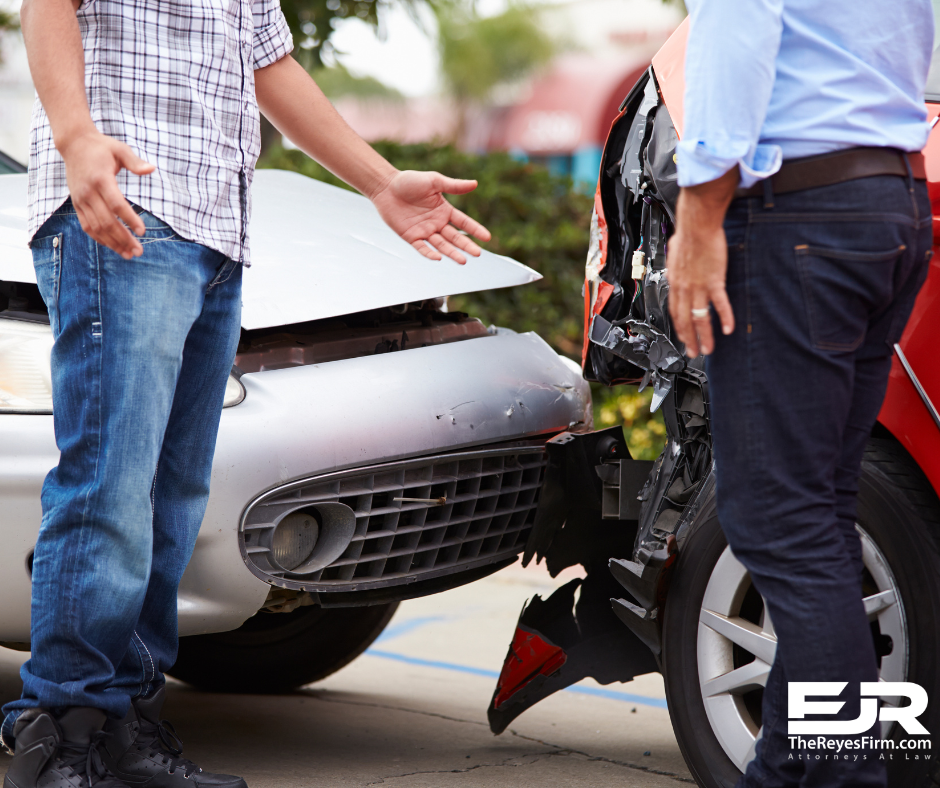
- Vehicle Damage: Damage patterns can help determine who was at fault.
- Medical Records: Prompt treatment links your injuries to the accident.
Working with a knowledgeable Tampa car accident attorney can help you organize this evidence and build a strong case from the start.
Steps to Take After a Car Accident to Safeguard Your Legal Rights
It’s easy to feel shaken or unsure after a collision. But the steps you take in the first hours and days can have a significant impact on your claim and whether you can prove who is at fault.
Call for Help and Stay Safe
Always check for injuries and call 911. Even if you don’t think you’re hurt, let a medical professional examine you—some injuries can take hours or days to show symptoms.
Document the Scene
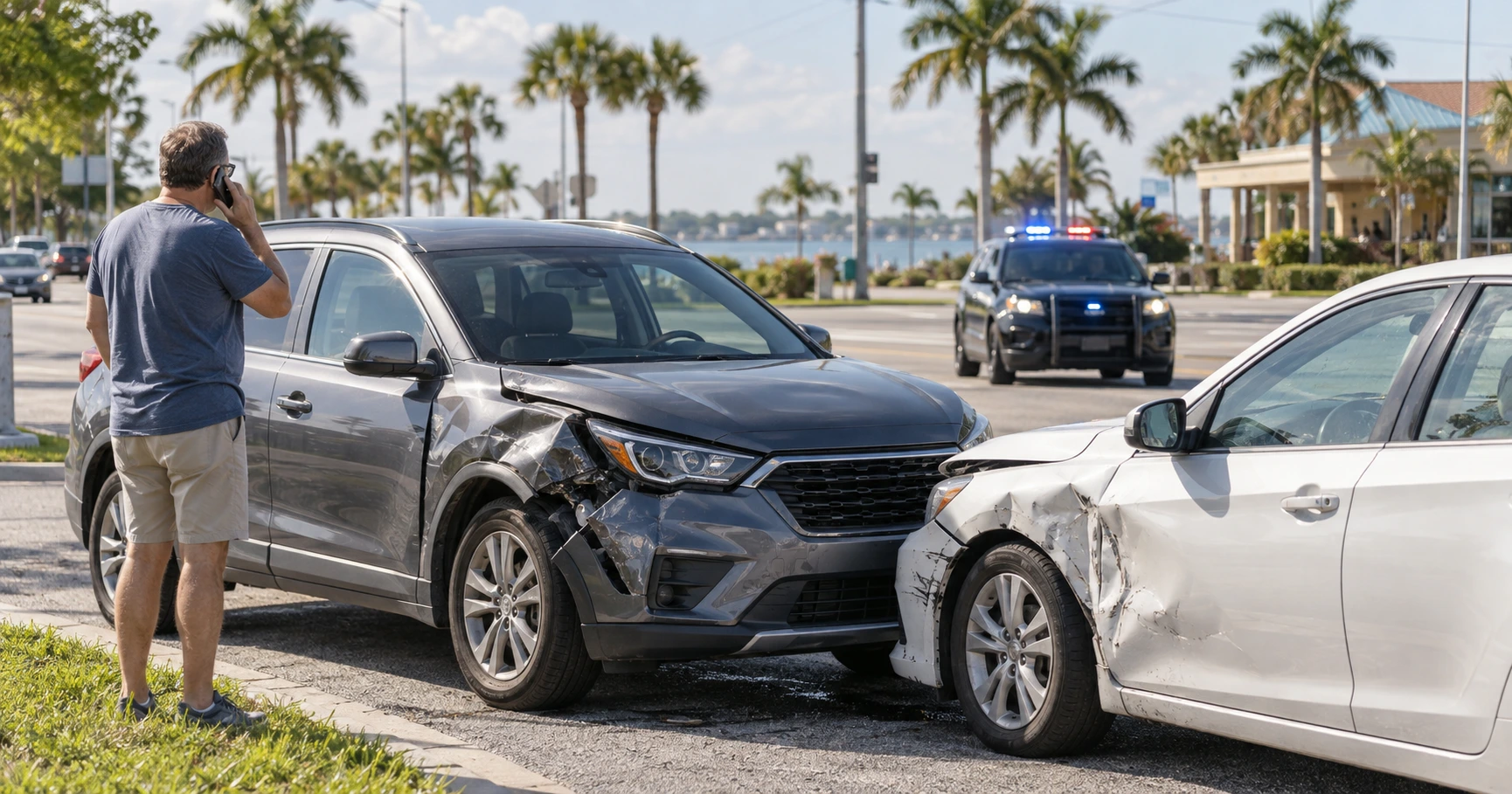
Use your phone to take clear photos and videos of all vehicles, road signs, skid marks, and any visible injuries. Photos like these can be crucial evidence when establishing who was at fault.
Get Witness Information
Collect names and phone numbers of anyone who saw the crash. Neutral witnesses can make a big difference when insurance companies start their investigation.
Florida’s Comparative Negligence Law
Florida follows a modified comparative negligence system, as outlined in Florida Statute §768.81. This means you can still recover damages if you’re partially at fault, but your percentage of responsibility will reduce your compensation. However, if you’re found more than 50% at fault for your harm, you cannot recover any damages at all.
Example:
For example, if you win $100,000 in damages and are found 20% responsible, your compensation would be reduced to $80,000. But if you were 51% at fault, you wouldn’t be entitled to any compensation.
This is why it’s so important to collect evidence and consult an attorney as soon as possible. Establishing fault after an accident can protect the full value of your claim.
Common Accident Types and How Fault Is Determined
Every crash is different, but here are some examples of how fault is usually assigned:
Rear-End Collisions:
The rear driver is almost always at fault for following too closely. Exceptions exist if the front driver makes an unsafe move, such as braking suddenly without cause.
Side-Impact Accidents:
Who’s at fault in a side collision? Usually, it’s the driver who changes lanes without checking their blind spots or fails to yield. However, speeding or ignoring signals can share liability.
Left-Turn Crashes:
Who is responsible if another driver cuts in front of your vehicle? Typically, turning drivers must yield the right-of-way to traffic approaching from the opposite direction. But if you were driving too fast or ran a red light, you could share the blame.
What If You’re Blamed for a Crash You Didn’t Cause?
It’s common for insurers to point fingers to avoid paying claims. If you’re accused of causing an accident when you weren’t at fault, stay calm.
Here’s what to do:
- Collect as much evidence as possible, including photos and witness contacts.
- Avoid admitting fault or speculating about what happened.
- Contact a trusted Tampa car accident lawyer before speaking with the insurance adjuster.
A skilled lawyer can demonstrate that you weren’t responsible and shield you from being wrongly accused.
How Insurance Companies Decide Who Pays
Insurance companies are businesses first. Their adjusters will do everything they can to limit payouts.
How insurance determines who is at fault depends on:
- Damage analysis and accident diagrams
- Driver and witness statements
- Medical documentation
- Expert reviews in complicated cases
Remember: adjusters are not neutral. Keep in mind that they represent the insurance company’s interests, not yours. Having an advocate on your side can make all the difference when you need to prove car accident liability.
Frequently Asked Questions
What does “who was at fault” mean?
This indicates the driver who caused the accident failed to exercise proper care.
What is the term for the person at fault in a car accident?
They are referred to as the at-fault driver or the liable party.
What is being at fault?
This indicates that your actions were a direct cause of the crash and any resulting losses.
How to decide who is at fault?
Insurance companies and courts review all evidence—police reports, photos, statements, and sometimes expert analysis—to decide liability.
Who’s at fault in a side collision?
In most cases, the driver who didn’t yield or merge improperly bears responsibility.
What should I do if I’m held responsible for a crash I didn’t cause?
Stay calm, gather proof, and contact a lawyer to protect your interests.
Who is liable if another vehicle turns into your path?
Most often, the driver making the turn is responsible, but speeding can share the blame.
Steps to Strengthen Your Claim
- Photograph everything at the scene
- Get medical care promptly.
- Save all repair bills and receipts.
- Avoid discussing fault with the other driver or insurers.
- Contact a Tampa car accident lawyer right away.
Talk to a Tampa Car Accident Lawyer Today
Determining who is at fault in a car accident isn’t always simple. That’s why The Reyes Firm is here to help you every step of the way. Our team has decades of experience investigating crashes, proving liability, and fighting for fair compensation.
Don’t let insurance companies decide your future. Let us protect your claim and stand up for your rights.
Contact us today to schedule a consultation with no obligation.