 A serious crash can flip a family’s world upside down in seconds. One moment, everyone is thinking about dinner, homework, or getting home. Next, there are sirens, smashed glass, and a scary wait for answers.
Crashes near major roads such as U.S. 301 and the Lee Roy Selmon Expressway can be especially dangerous because drivers are turning, merging, and traveling at high speeds. When one small mistake happens at the wrong time, the impact can be severe.
After a crash on US-301 in Hillsborough County, families often feel overwhelmed, and insurance companies may contact them quickly. This guide explains, in plain English, what injured families should do next and how Florida personal injury law may affect those steps.
News summary: What happened in this Hillsborough County US-301 crash
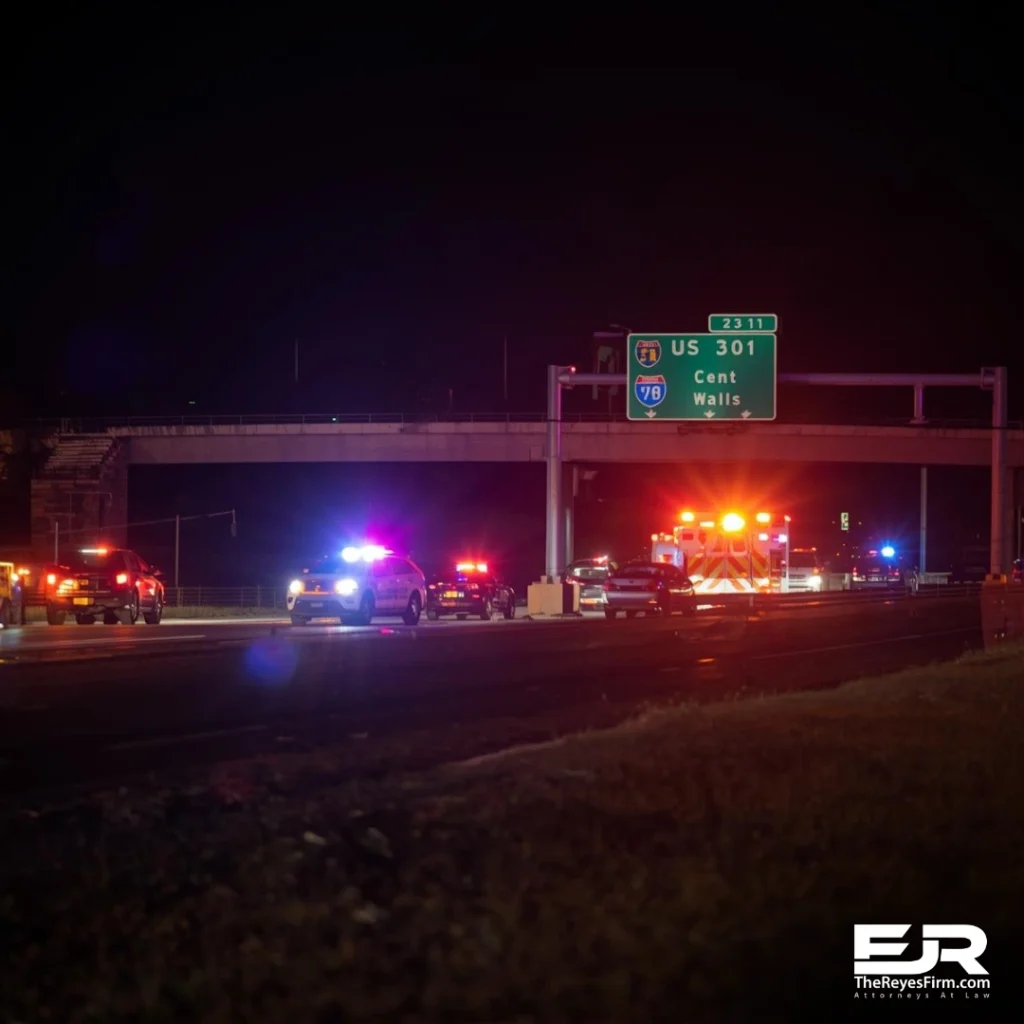
According to reporting, a crash on U.S. 301 near the Lee Roy Selmon Expressway interchange involved an SUV and a Ford Fusion late Saturday night. A 9-year-old girl later died from her injuries, and an adult driver was also hurt and taken for treatment. Early details from investigators indicate the SUV was turning left and the oncoming car struck it.
As with many breaking-news crash stories, details can change as law enforcement completes the investigation. That is why families should focus on two things immediately: medical care and preserving evidence.
What should families do first at the crash scene?
When a catastrophic car accident occurs, families often want to “handle everything” in the moment. But the best first steps are safety-focused and straightforward.
1) Call 911 and ask for help
Even if someone says they “feel okay,” it is still smart to get checked. Some injuries, especially head and neck injuries, may not present symptoms until later.
2) Accept medical care if it is offered
If paramedics recommend an ambulance or an ER visit, families should take that advice. Insurance companies often argue later that “the injury must not be serious” if someone refused care at the scene.
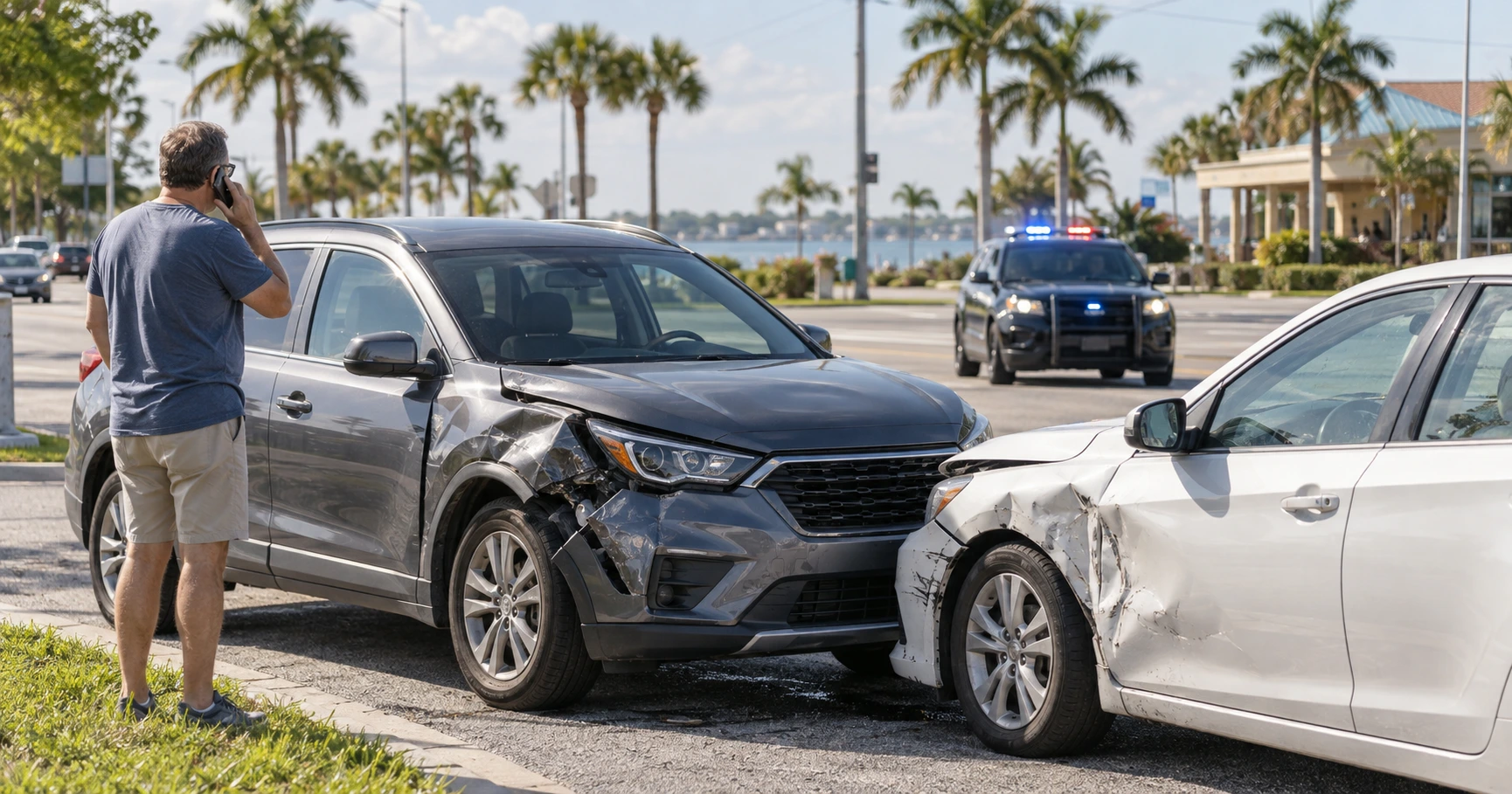
3) If it is safe, document what you can
If a family member is able and it is safe to do so, take photos of:
- Vehicle positions and damage
- Skid marks, debris, and broken parts on the road
- Traffic lights, signs, and lane markings
- Any visible injuries (bruises, cuts, swelling)
4) Get witness information
Witnesses often leave quickly. Getting the name and phone number can make a huge difference later if the fault is disputed.
What families should do in the first 24 to 72 hours
This time window is important because evidence can disappear and injuries can worsen.
Get a complete medical evaluation.
Families should not “wait it out” if there is pain, dizziness, nausea, numbness, or confusion. A child may not be able to explain symptoms clearly, so parents should watch for behavior changes, sleep changes, vomiting, or unusual irritability.
Start a simple crash folder.
Keep everything in one place, including:
- ER paperwork, discharge instructions, and follow-up referrals
- Prescription receipts and over-the-counter medication costs
- Towing and rental car documents
- Photos from the scene and vehicle damage
- Any insurance letters, claim numbers, and adjuster contact info
Write down what each person remembers
Memories fade fast, especially after trauma. Even a short note can help later.
Avoid posting online
Insurance companies and defense teams sometimes look at social media. Even a smiling photo can be twisted into “they were not really hurt.”
Why crashes near US 301 and the Selmon interchange can be complex
Interchange areas are not like quiet neighborhood streets. They often include:
- Higher speeds
- Multiple turn lanes
- Drivers rushing to merge or beat the lights.
- Limited visibility at night
- Heavy weekend traffic patterns
In a crash as the one reported, the fault may depend on details such as:
- Where each vehicle was positioned
- Whether a driver had a clear line of sight
- Speed, braking, and reaction time
- Right-of-way and timing of the turn
That is why families should not assume the crash report will tell the whole story.
Getting the crash report and why it is not the entire truth
The crash report matters. Families should request the report number and the investigating agency as soon as possible.
But families should understand this: a crash report is a starting point, not the finish line. Reports can have:
- Missing witness names
- Wrong lane descriptions
- Early assumptions before all facts are known
In severe injury cases, a strong claim often uses more than the report, such as:
- Photos and video footage
- Vehicle damage analysis
- Witness statements
- Medical documentation that matches the crash force
Florida insurance basics after a Hillsborough County US-301 crash
Many Florida families are surprised by how insurance works after a wreck.
Florida is a “no-fault” state for many crashes.
In many cases, injured people start with their own Personal Injury Protection (PIP) coverage. Florida law requires PIP benefits in most auto policies, and the statute explains required PIP coverage rules.
PIP is meant to help with medical bills and lost wages, even while fault is still being investigated. But serious crashes often create costs far beyond basic coverage.
When can a family step outside the no-fault system?
Florida has a “serious injury” threshold. If the injuries meet the legal threshold, the injured person may be able to pursue damages from the at-fault driver beyond what PIP covers.
Florida law lists the threshold categories, including:
- A profound and lasting loss of the ability to use a significant part or function of the body.
- A permanent injury that doctors can medically confirm, even if it does not involve scarring or visible disfigurement.
- Severe and permanent scarring or changes to a person’s appearance.
- Death
Families do not have to guess whether the threshold is met. Medical records and expert opinions often determine this.
Why families should be careful with insurance adjusters
After a serious crash, insurance calls can come quickly. Adjusters may sound kind and helpful, but they work for the insurance company, not the injured family.
Families should be careful about:
- Giving recorded statements without legal guidance
- Accepting a fast settlement before the complete diagnosis is known
- Signing broad medical releases that allow insurers to dig through unrelated history
A common problem is settling too early, then later learning the injured person needs surgery, long-term therapy, or cannot return to work.
What to track so the claim reflects real life, not just bills
A strong injury claim is not only about hospital bills. It is about how the crash changed life.
Families should track:
- All medical visits, therapy, and prescriptions
- Missed work time and employer notes
- Pain levels and daily limitations in a simple journal
- Mileage, parking, and travel costs for appointments
- Help is needed at home, like childcare or caregiving.
For children, documentation may include:
- Missed school days
- New learning difficulties or behavior changes
- Counseling or mental health support
- Sports and activity restrictions
These details matter because they show the real impact, not just a number on a bill.
Comparative fault in Florida: Why blame arguments can reduce or block recovery
In many crash cases, the other side tries to shift the blame. They may claim the injured person was speeding, distracted, or “should have avoided it.”
Florida’s modified comparative fault rule is essential here. Under Florida Statute 768.81, if a person is found to be more than 50% at fault for their own harm in a negligence case, they may not recover damages.
This is one reason early evidence matters. Photos, witness statements, and scene details can stop unfair blame-shifting before it grows.
When a crash involves a death: Florida wrongful death rules
When a loved one dies in a collision, the case is not “just” an insurance claim. Florida’s wrongful death laws govern who may bring a claim and the damages available.
Families should know two things:
- These cases require careful legal handling because the rules are specific.
- The emotional pain is real, and families should not have to fight insurance companies while grieving.
An intense wrongful death investigation often focuses on:
- Preserving evidence quickly
- Confirming the crash sequence and who caused it.
- Collecting medical records and timelines
- Documenting the family’s losses, both financial and personal
A simple “next steps” checklist for Hillsborough County families
Here is a clear plan many families can follow after a Hillsborough County US-301 crash:
- Get medical care now, not later
- Follow up with specialists and attend every appointment.
- Save every document, bill, and insurance letter.
- Take photos of injuries as they heal or change.
- Identify possible nearby cameras (businesses and intersections)
- Do not give recorded statements without legal advice.
- Speak with a Personal Injury Attorney in Hillsborough County, FL, before signing anything.
This approach helps families protect both health and legal rights.
How Can The Reyes Firm Help You
After a crash on US-301 in Hillsborough County, families deserve clear answers and real support, not pressure from insurance companies. The Reyes Firm helps families by investigating what happened, protecting key evidence, handling insurance communication, and building a claim that reflects the actual cost of the injuries.
If a family is dealing with hospital bills, missed work, long-term care needs, or the loss of a loved one, The Reyes Firm can step in and guide the next steps with care and urgency.
The Reyes Firm
4730 N. Habana Ave., Suite 201, Tampa, FL 33614
Phone: 833-4 BAD DAY
Had a bad day?
Additional FAQs About a Hillsborough County US-301 Crash
1) How long does it usually take the Florida Highway Patrol to finish a crash investigation report in a fatal accident?
It can take weeks or even months, especially if the case needs crash reconstruction, witness follow-ups, or toxicology results.
2) Can a family get traffic camera or nearby business video footage without a lawyer?
Sometimes, but many businesses release footage only to law enforcement or an attorney, and the video may be deleted quickly if not requested immediately.
3) What if the at-fault driver does not have enough insurance to cover the injuries or funeral costs?
The family may still have options, such as uninsured/underinsured motorist coverage (UM/UIM) or claims against other responsible parties, depending on the facts.
4) Can an injured child’s settlement money be protected so it is used for the child’s future needs?
Yes, Florida courts often require special protections for minors, such as restricted accounts or court approval of settlement terms, to safeguard the funds.