 A crash involving two work trucks can change an ordinary morning into a scene of flashing lights, smoke, and confusion. People may be driving nearby, sitting at home, or simply passing through, only to suddenly face damage, fear, and questions they never expected.
That is why the Lecanto Highway garbage truck crash deserves attention. When a commercial vehicle collision is strong enough to push a garbage truck into a mobile home, it is a reminder that these crashes can harm more than drivers. They can disrupt entire households in seconds.
Even when early news reports say someone had “minor injuries” or that others were “not injured,” it is still smart to take the situation seriously. Pain and symptoms can appear later, property damage can create immediate safety risks, and insurance companies may move quickly to protect their own interests.
What happened in the Lecanto Highway garbage truck crash?
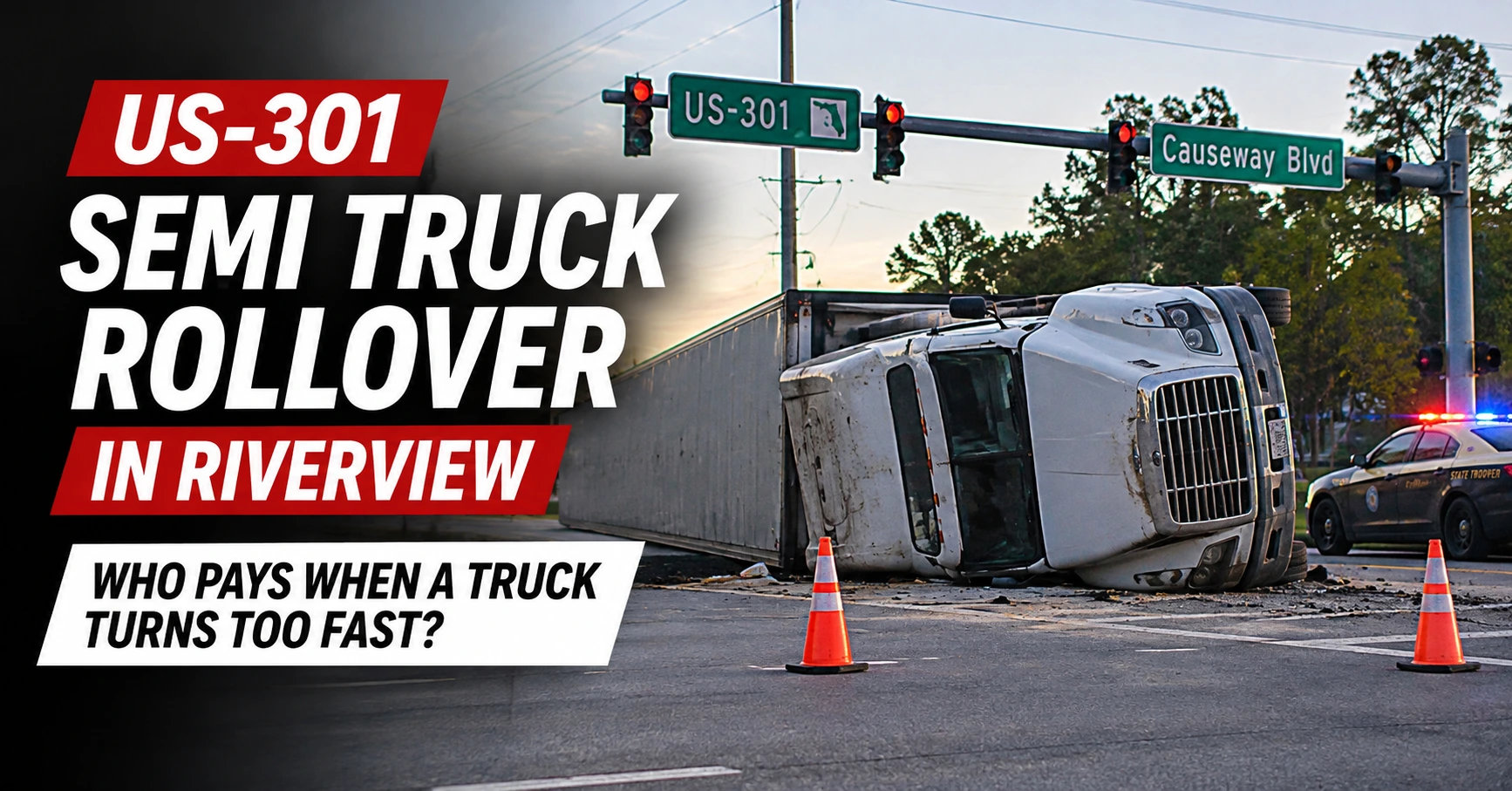
The Florida Highway Patrol reported a crash on Lecanto Highway near North Paradise Point in Hernando County. According to the report, a garbage truck slowed down to make a left turn. A single-unit pumping truck rear-ended the garbage truck, pushing it forward into a nearby mobile home.
Reports stated the pumping truck overturned and caught fire, and its driver was taken to a hospital with minor injuries. The garbage truck driver and the two adults inside the mobile home were reported to be uninjured.
Even when injuries are described as minor, the force involved in a truck crash can still cause harm that is not immediately apparent. The shock can also create serious stress for anyone who lived in the home or saw the crash happen.
Why a crash that hits a home is a bigger problem than a normal wreck
Most people think of car accidents as something that happens on the road. But when a truck crash reaches a residence, the situation changes in several important ways.
A home strike can create injuries without direct impact
A person can be hurt even if a vehicle never touches them. The force of a crash can cause someone to fall, hit furniture, or get struck by debris. A loud impact can also trigger panic, chest tightness, or shortness of breath, especially for children or older adults.
Property damage can create immediate safety and housing concerns
If a mobile home is hit, the structure may be unsafe until it is inspected. Damage to walls, supports, plumbing, or electrical systems can create hazards. Families may need temporary housing, repairs, cleanup, and replacement of personal property.
The insurance process can be more complicated
Commercial truck crashes often involve multiple insurance policies and multiple responsible parties. That can lead to delays, finger-pointing, and pressure to settle fast. Victims should not assume the process will be as simple as a standard car claim.
What victims should do right away in Hernando County
When people feel overwhelmed, they tend to freeze or rush. A simple plan helps. These steps are designed to protect health first and then protect legal rights.
1) Get medical care as soon as possible
Some injuries do not show up immediately. Adrenaline can hide pain. Common delayed symptoms after a violent truck crash include:
- Headaches or dizziness
- Neck and back pain
- Numbness or tingling
- Trouble sleeping
- Nausea or light sensitivity
- Mood changes or irritability
Florida also has a time-sensitive rule that can affect many crash victims who use auto insurance benefits. Under Florida’s PIP law (Florida Statute 627.736), the injured person generally needs initial medical services and care within 14 days of the accident for PIP benefits to apply.
That does not mean someone should panic. It means they should not wait weeks, hoping the symptoms will disappear.
2) Call 911 and make sure the crash is officially documented
In a crash involving fire, heavy trucks, and home damage, law enforcement and first responders play a major role. A report creates a starting point for what happened, where it happened, and who was involved.
Victims should ask for the report number or how to obtain it later. They should also save any incident details they receive from officers at the scene.
3) Take photos and video if it is safe to do so
Evidence after a truck crash can disappear quickly once vehicles are towed and debris is cleared. If it is safe, victims should photograph:
- Vehicle damage from multiple angles
- Skid marks or debris
- Road conditions and signage
- The intersection or turning area
- Damage to the mobile home inside and outside
- Any visible injuries
If the home is unsafe to enter, safety comes first. Photos can be taken from a safe distance until professionals confirm the property is stable.
4) Start a simple folder for paperwork and receipts
A claim is built on proof. Victims should keep:
- Medical records and discharge papers
- Bills and receipts for medication
- Tow invoices, repair estimates, and rental car costs
- Hotel stays and meal costs if displaced
- A list of damaged personal items
- Time missed from work and pay stubs, when available
Even small purchases add up, especially when a family is forced out of their home for repairs.
5) Keep a short daily symptom and impact journal
Insurance companies often argue that an injury is “not that bad.” A journal helps show real-life impact. Victims can write down:
- Pain level and location
- Activities they cannot do
- Missed work or missed school
- Sleep problems
- Anxiety, fear, or stress symptoms
- Time spent dealing with repairs and calls
This is not about being dramatic. It is about being accurate.
What victims should NOT do after a commercial truck crash
People sometimes make honest mistakes that later cause big problems. These are some common ones.
Do not give a recorded statement to the other insurance company right away
Commercial insurers may quickly request a recorded statement. They may sound polite, but their job is to reduce their payments. A victim can accidentally guess, miss details, or say something that gets twisted later.
It is usually safer to provide only basic facts, then get legal advice before giving a detailed recorded statement.
Do not rush repairs without documenting the damage first
Repairs can erase important evidence, like impact points and crush patterns. The same is true for home repairs. If possible, victims should document thoroughly before cleanup and repairs begin.
Do not post about the crash on social media
Even a harmless post like “Feeling better today” can be used to argue that injuries are not serious. Photos of normal daily life can be misunderstood. Victims should keep the situation private while the case is active.
Who may be responsible for the Lecanto Highway garbage truck crash?
In many rear-end collisions, the driver who hits from behind is often blamed. But commercial cases still require a full investigation. Responsibility may involve more than one person or business.
The pumping truck driver
If the driver failed to slow down, followed too closely, looked away from the road, or was driving while fatigued, that may support a negligence claim.
The trucking company or employer
If the driver was on the job, the employer may be responsible for the driver’s actions. A company may also be responsible if it:
- Failed to train or supervise the driver
- Pressured unsafe deadlines
- Allowed long hours that increase fatigue
- Ignored prior safety issues
Maintenance and inspection issues
Commercial vehicles must be maintained properly. Brake problems, tire failure, and worn equipment can contribute to rear-end crashes. Maintenance logs and inspection records often matter.
Contractors and ownership issues
Some commercial drivers work under subcontractors or separate vehicle owners. That can mean multiple businesses and insurance policies are involved. Identifying the correct parties is a key step in a truck accidentclaim.
What kinds of damages can victims recover?
Every case is different. The value depends on injuries, expenses, and long-term impact. But these are common categories.
Medical costs
- Emergency care and follow-up visits
- Imaging and diagnostic testing when needed
- Physical therapy and rehabilitation
- Specialist care
- Medication
- Future care if symptoms continue
Lost income
- Missed workdays
- Reduced ability to work
- Lost future earning capacity in serious cases
Pain and suffering
Depending on the facts, a claim may include non-economic damages like pain, discomfort, mental strain, and loss of enjoyment of life.
Property damage and displacement costs
When a mobile home is hit, losses can include:
- Structural repairs or total loss value
- Cleanup and debris removal
- Replacement of damaged personal property
- Temporary housing or relocation expenses
- Loss of use and daily disruption costs
Victims should keep receipts for hotels, meals, storage, and any emergency purchases related to displacement.
Florida fault rules that can affect a truck crash claim
Florida uses a modified comparative fault system in many negligence cases. This matters because insurance companies often try to shift blame.
Under Florida Statute 768.81, if a person is found to be more than 50 percent at fault in certain negligence cases, they may be barred from recovering damages.
That is one reason victims should be careful about early statements and should preserve evidence. In serious truck crashes, strong evidence helps prevent unfair blame.
Deadlines in Florida can be shorter than people think
Florida law changed with tort reform, and many negligence claims now have shorter deadlines than before. The exact deadline can depend on the claim type and the date of the crash.
Because deadlines and exceptions can be complicated, victims should speak with a commercial vehicle or truck accident lawyer early. Waiting too long can make a case harder, even when the facts seem clear.
A simple checklist for victims after a truck crash in Hernando County
Here is a practical checklist:
Health first
- Get checked by a doctor or urgent care
- Follow medical instructions
- Keep follow-up appointments
Evidence and documentation
- Take photos before repairs
- Save the crash report number
- Keep receipts for all costs
- Write down symptoms and life impact
Insurance safety
- Report the crash to the correct insurer
- Avoid recorded statements to the other side
- Do not sign settlement papers too fast
Home damage steps
- Photograph the home damage
- Make a list of damaged personal items
- Keep hotel, meal, and storage receipts
- Request an inspection if the home might be unsafe
Why commercial truck cases are not handled like normal car accidents
Commercial truck claims can be harder because companies and insurers often respond quickly. They may have teams that work to control the story and limit payouts. They may also have more resources than an ordinary person.
That is why early legal help can be important. A strong approach focuses on facts, records, and proof. It also helps victims avoid common mistakes that insurance companies use against them.
How Can The Reyes Firm Help You
When someone is affected by the Lecanto Highway garbage truck crash, they deserve clear guidance and strong protection. The Reyes Firm helps victims and families understand their options, preserve evidence, handle insurance claims, and pursue fair compensation for injuries and property losses.
If a crash damaged a vehicle, injured a driver, or forced a family out of a home, The Reyes Firm works to build a case that shows the full impact. That includes medical costs, lost income, and the real disruption that comes when life is suddenly turned upside down.
The Reyes Firm
4730 N. Habana Ave., Suite 201, Tampa, FL 33614
Call: 833-4 BAD DAY
Had a bad day?
FAQs About the Lecanto Highway Garbage Truck Crash
1) If a truck crashes into a home, does the homeowner file with auto insurance or homeowners’ insurance first?
Often, the property owner notifies their homeowners’ insurer first so repairs can start, and the insurer may later seek reimbursement from the at-fault vehicle’s insurance through subrogation.
2) If the mobile home is unlivable, who usually pays for a hotel or temporary housing?
It depends on whether the person owns or rents and what coverage applies, but many situations involve the property insurer and then reimbursement efforts against the at-fault driver’s insurer.
3) What if the garbage truck were a city or county vehicle, not a private company?
Claims may still be possible, but government-owned vehicles may involve special notice requirements and different legal steps than in a private company case.
4) What if a truck fire causes smoke damage to the home, even if the impact damage was limited?
Smoke and fire-related cleanup can be a separate part of the property loss, and it is important to document odors, soot, and damaged belongings early, before remediation begins.