What You Need to Know
- A catastrophic injury claim may include past medical bills, future treatment, rehabilitation, and long-term care.
- Compensation may also address lost income and reduced ability to earn money in the future.
- Wheelchairs, home modifications, accessible transportation, and other necessary support may become part of the damages analysis.
- Pain, disability, emotional harm, and loss of enjoyment of life may also matter in a serious injury claim.
- The amount you may pursue depends on the facts, evidence, fault, insurance coverage, and Florida law. No result is guaranteed.
Had a bad day? Call The Reyes Firm at 833-4 BAD DAY.
A catastrophic injury can leave you worried about much more than the bills arriving today. You may be wondering how you will pay for future care, support your family, return to work, or adapt your home if your life has permanently changed.
Catastrophic injury compensation in Florida can involve medical costs, lost income, reduced earning ability, assistive equipment, home changes, and the human impact of living with a permanent injury. A Tampa catastrophic injury lawyer can help identify which losses need to be documented based on the facts of your case.
There is no standard payout for a catastrophic injury. The goal is to understand what the injury has already cost you and what it may reasonably cost you in the years ahead.
What Counts as a Catastrophic Injury in Florida?
A catastrophic injury is generally a severe injury that causes permanent or long-term changes to your health, independence, ability to work, or daily life. There is no single definition that controls every Florida personal injury case. The medical facts, prognosis, functional limitations, and long-term care needs often show how serious the harm is.
Catastrophic injuries may include:
- Traumatic brain injury
- Spinal cord injury or paralysis
- Amputation
- Severe burns or permanent disfigurement
- Organ damage
- Loss of vision or hearing
- Permanent nerve or cognitive damage
A serious injury may affect your ability to walk, communicate, drive, work, care for yourself, or participate in activities you once enjoyed.
That is why these claims often require a broader damages analysis than a short-term injury claim. Current hospital bills may be only one small part of the financial picture.
⚠️ Warning: Florida Deadlines Can Affect Your Case
Florida Statute § 95.11(5)(a) generally gives a person two years to bring an action founded on negligence. Different deadlines, notice requirements, or procedural rules can apply to claims involving government agencies, medical negligence, wrongful death, minors, or other special circumstances.
Do not assume you have two full years in every situation. Evidence can also disappear long before a lawsuit deadline arrives.
What Compensation Can You Pursue After a Catastrophic Injury in Florida?
A Florida catastrophic injury claim may seek compensation for economic and noneconomic losses caused by another party’s legally responsible conduct. Economic losses can include medical expenses and income losses. Noneconomic losses address the personal impact of the injury. The exact categories available depend on the type of claim and supporting evidence.
Common categories can include:
| Loss Category | What It May Include | Helpful Evidence |
| Past medical care | Hospital care, surgery, therapy, medication, specialists | Bills, medical records, insurance records |
| Future medical care | Future surgery, rehabilitation, therapy, medication, specialist care | Medical opinions, treatment plans, life-care planning |
| Lost income | Pay already missed because of the injury | Pay stubs, tax records, employer records |
| Reduced earning capacity | Future reduction in your ability to work or earn | Medical restrictions, vocational analysis, financial records |
| Assistive equipment | Wheelchairs, walkers, prosthetics, communication devices | Medical recommendations, invoices, expert reports |
| Home and vehicle changes | Ramps, accessible bathrooms, widened doors, vehicle adaptations | Contractor estimates, medical recommendations |
| Personal care | Home health aides, nursing support, personal assistance | Care plans, medical records, cost estimates |
| Noneconomic harm | Pain, suffering, disability, emotional distress, loss of enjoyment of life | Medical records, testimony, daily-life evidence |
Florida Statute § 768.81 defines economic damages to include medical expenses, past lost income, future lost income reduced to present value, and other economic losses that would not have occurred but for the injury.
A catastrophic injury claim should not be measured only by the bills you have today. If your injury will affect your health, work, mobility, or independence for years, those future effects may need to be evaluated before a claim is resolved.
💡 Did You Know?
FLHSMV’s 2024 Traffic Crash Facts Annual Report is the agency’s newest published annual crash report. Statewide 2024 data recorded about 381,210 traffic crashes and 3,184 people killed in vehicle crashes.
Nationally, NHTSA estimated 36,640 traffic deaths in 2025, a 6.7% decrease from 2024. Serious motor vehicle crashes are one source of catastrophic injuries, although catastrophic injury claims can also arise from falls, unsafe properties, defective products, and other incidents.
Can Future Medical Care, Assistive Devices, and Home Changes Be Included?
Yes. When a catastrophic injury creates medically supported future needs, a claim may include reasonable future treatment, rehabilitation, equipment, personal care, and accessibility needs connected to the injury. These costs should be supported with evidence instead of guesses, especially when treatment or assistance may continue for many years.
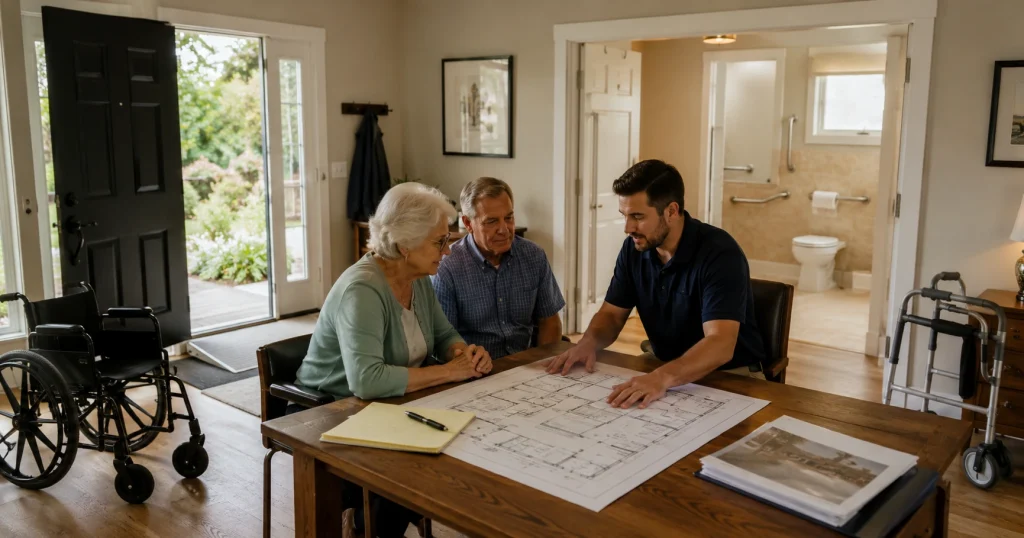
Future needs may include:
- Additional surgeries and specialist care
- Physical, occupational, or speech therapy
- Medication and medical supplies
- Wheelchairs, prosthetics, braces, or hospital beds
- Home health care or personal assistance
- Accessible transportation
- Ramps, bathroom changes, widened doorways, or other home modifications
Florida Statute § 768.0427 addresses evidence used to prove past and future medical expenses in personal injury and wrongful death actions. For future medical treatment, the statute addresses evidence of medically necessary treatment or services the claimant is expected to receive.
For people with permanent disabilities, a life care plan after a catastrophic injury may help organize expected medical treatment, equipment, therapies, personal care, and accessibility needs.
A life-care plan is not a promise that every projected expense will be recovered. It is a tool that may help explain future needs in a structured way.
Medical providers, rehabilitation professionals, life-care planners, and other qualified experts may help answer questions such as:
- What care is medically necessary?
- How often will that care be needed?
- How long may the need continue?
- What equipment may need replacement?
- Will the injured person need help with daily activities?
- Will the home or vehicle need accessibility changes?
Future care can become one of the most important parts of a catastrophic injury claim because a settlement normally ends the claim. Accepting compensation before long-term needs are understood can create serious problems later.
Can You Recover Lost Wages and Reduced Earning Capacity?
A catastrophic injury claim may include both income already lost and future earning ability that has been reduced by the injury. Lost wages look backward at income you missed. Lost earning capacity looks forward and asks how permanent or long-term medical limitations may change what you can reasonably earn during your remaining work life.
The distinction matters:
| Type of Loss | What It Addresses |
| Lost wages | Income already missed because you could not work |
| Lost earning capacity | Future reduction in your ability to earn because of lasting limitations |
Florida’s definition of economic damages specifically includes past lost income and future lost income reduced to present value.
A person may have reduced earning capacity even after returning to work.
For example, your injury may force you to:
- Work fewer hours
- Move into a lower-paying position
- Stop physical work
- Give up overtime or commissions
- Change careers
- Close or reduce a business
- Miss opportunities for future advancement
Our guide to lost earning capacity in Florida explains how medical restrictions, employment history, vocational evidence, and economic analysis may be used to document this type of loss.
A vocational expert may evaluate the jobs you can realistically perform after your injury. An economist may then evaluate the financial impact over time.
The purpose is not to guess what you might have earned. It is to build a reasonable projection based on your health, education, work history, career path, restrictions, and other evidence.
Can You Recover Pain and Suffering After a Catastrophic Injury in Florida?
Pain and suffering damages may be available in a Florida injury claim when the law permits noneconomic damages, and the evidence supports them. These losses address harm that does not appear on a medical invoice, such as physical pain, emotional distress, disability, disfigurement, reduced independence, and loss of enjoyment of everyday life.
A permanent catastrophic injury may change basic parts of your day.
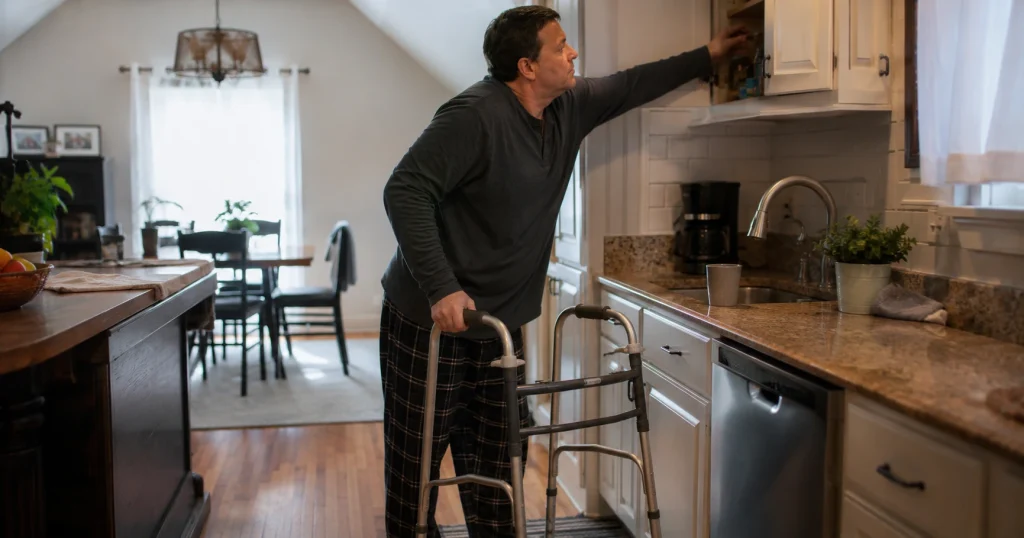
You may no longer be able to:
- Pick up your child
- Drive independently
- Exercise or participate in hobbies
- Sleep without pain
- Handle household tasks
- Socialize as you did before
- Live without ongoing assistance
Those changes can matter when evaluating noneconomic harm.
Motor vehicle cases have an additional Florida rule. Under Florida Statute § 627.737, recovery for pain, suffering, mental anguish, and inconvenience in covered motor vehicle tort claims generally requires an injury involving a significant and permanent loss of an important bodily function, permanent injury within a reasonable degree of medical probability, significant permanent scarring or disfigurement, or death.
That threshold is specific to covered motor vehicle claims. It should not be treated as the definition of every catastrophic injury case in Florida.
🛡️ Your Rights Under Florida Law
Florida Statute § 768.81 uses modified comparative fault in negligence actions covered by the statute. If you share some responsibility, your economic and noneconomic damages may be reduced by your assigned percentage of fault. A person found more than 50% at fault for their own harm generally cannot recover damages in a negligence action covered by this rule. The statute contains exceptions, including for medical negligence claims under Chapter 766.
Are There Damage Caps for Catastrophic Injury Claims in Florida?
Florida does not use one single damage cap for every catastrophic injury claim. The rules can change based on the defendant, type of damages, and legal theory involved. Ordinary compensatory damages, punitive damages, and claims against government entities are governed differently, so a broad statement that Florida has one universal injury cap would be misleading.
For example, punitive damages are different from compensation for medical bills, lost income, or pain. They are intended to punish certain wrongful conduct and are not available in every case.
Florida Statute § 768.73 generally limits punitive damages to the greater of three times compensatory damages or $500,000, subject to statutory exceptions. Florida Statute § 768.72 also requires a legal and evidentiary basis before a punitive damages claim may be added.
Claims involving Florida government entities have their own rules. Under the current version of Florida Statute § 768.28, the state’s limited waiver of sovereign immunity generally limits payment to $200,000 for one person’s claim and $300,000 for claims arising from one incident, subject to the statute’s additional procedures and exceptions.
This is one reason the phrase Florida damage caps needs context. The correct question is not simply, “Is there a cap?” The claim type, defendant, damages being sought, and applicable statute all matter.
How The Reyes Firm Handles Your Catastrophic Injury Case
The Reyes Firm handles catastrophic injury cases by looking beyond today’s bills and building a record of how the injury may affect your health, work, independence, and family over time. We investigate quickly, protect evidence, document long-term losses, handle insurance communications, and prepare serious cases for trial when needed.
A catastrophic injury lawyer in Tampa should understand that a life-changing injury requires more than adding up medical invoices.
Here is how we approach these cases:
- We listen first. We learn what happened, what has changed, what your doctors are saying, and what your family is worried about.
- We act quickly to protect evidence. Photos, video, electronic records, witness information, incident records, and other evidence can become harder to obtain as time passes.
- We identify every potentially responsible party. Serious injury cases may involve an individual, business, property owner, employer, manufacturer, insurer, or another entity.
- We build the medical record. We gather treatment records, diagnoses, restrictions, rehabilitation needs, and information about your prognosis.
- We examine your future needs. When appropriate, we work with qualified medical professionals, life-care planners, vocational experts, economists, and other specialists.
- We document the financial impact. We review medical expenses, future care, lost income, reduced earning capacity, equipment, accessibility needs, and other supported losses.
- We deal with the insurance companies. We review available coverage, respond to adjusters, evaluate liens and coverage issues, and explain major decisions to you in plain English.
- We prepare for trial in mind. Not every case goes to trial, but serious preparation can help expose disputed facts, organize evidence, and put the case in a stronger position for negotiation or litigation.
Our Tampa personal injury lawyer team helps people facing serious injuries understand the legal and financial issues that may affect their recovery.
The Reyes Firm helps injured people throughout Tampa and the South Shore communities. We serve Tampa, Riverview, Brandon, Plant City, and communities across Hillsborough County.
The Reyes Firm
4730 N. Habana Ave., Suite 201
Tampa, FL 33614
833-4 BAD DAY
thereyesfirm.com
No lawyer can promise the value or outcome of a catastrophic injury claim. What we can do is investigate the facts, document the losses, explain your options, and prepare your case based on what this injury has actually changed in your life.
Frequently Asked Questions About Catastrophic Injury Compensation in Florida
How much is a catastrophic injury case worth in Florida?
There is no standard catastrophic injury settlement amount. Value may be affected by medical expenses, future care, reduced earning capacity, pain-related losses, liability evidence, insurance coverage, and the injured person’s share of fault.
A responsible evaluation requires the facts and supporting records. Another person’s settlement does not determine what your case is worth.
What counts as a catastrophic injury in Florida?
Catastrophic injuries commonly involve permanent disability, major loss of function, long-term care, or a major loss of independence. Examples can include traumatic brain injury, spinal cord injury, paralysis, amputation, severe burns, organ damage, and permanent sensory or cognitive impairment.
The medical facts and long-term effects of the injury matter more than a label alone.
Are there damage caps for catastrophic injury claims in Florida?
There is no one damages cap that applies to every Florida catastrophic injury case. Special limits can apply to particular damages or defendants, such as punitive damages under § 768.73 or claims against government entities under § 768.28.
The specific claim must be reviewed before applying a cap.
How are future medical costs calculated after a catastrophic injury?
Future medical costs may be supported by medical records, treating-provider opinions, anticipated procedures, rehabilitation needs, equipment costs, and life-care planning. Florida Statute § 768.0427 also governs evidence used to prove future medical expenses in personal injury actions.
The goal is to establish medically necessary future needs with support, not speculation.
Can I recover compensation if I was partly at fault in Florida?
Possibly. Florida Statute § 768.81 generally reduces damages according to a claimant’s percentage of fault in covered negligence cases, and a person found more than 50% responsible generally cannot recover under that rule.
Different rules or exceptions may apply to certain types of claims.
What is considered a serious injury in Florida after a car accident?
For covered motor vehicle tort claims, Florida Statute § 627.737 sets a threshold for pain and suffering damages. The statute includes permanent injury, significant and permanent loss of an important bodily function, significant permanent scarring or disfigurement, and death.
That motor vehicle threshold does not define every catastrophic injury claim.
How long do I have to file a catastrophic injury lawsuit in Florida?
Most Florida negligence actions are subject to a two-year limitations period under Florida Statute § 95.11(5)(a).
Government claims, medical negligence, wrongful death, and other special cases may involve additional rules, so the deadline should be checked as early as possible.

Edward Reyes, Esq., is admitted to The Florida Bar. He focuses his personal injury practice on helping people and families after serious and catastrophic injuries in Florida. His work includes claims involving long-term medical needs, permanent disability, reduced earning capacity, and complex accident-related harm.
How Can The Reyes Firm Help You?
If you’ve had a bad day — a car accident, a slip and fall, a trucking crash, or any injury that wasn’t your fault — The Reyes Firm is in your corner. Our
Tampa personal injury attorneys
offer free consultations and work on a contingency fee basis, which means you pay us nothing unless we win your case.
You shouldn’t have to fight the insurance companies alone. Let us fight for you.
📍 4730 N. Habana Ave., Suite 201, Tampa, FL 33614
Had a bad day? Call The Reyes Firm. We’ll handle the rest.
This article provides general information only and is not legal advice. Reading this article does not create an attorney-client relationship with The Reyes Firm or Edward Reyes, Esq. Past results do not guarantee a similar outcome. Every case involves different facts, evidence, deadlines, insurance coverage, and law. Speak with a qualified Florida attorney about your circumstances.