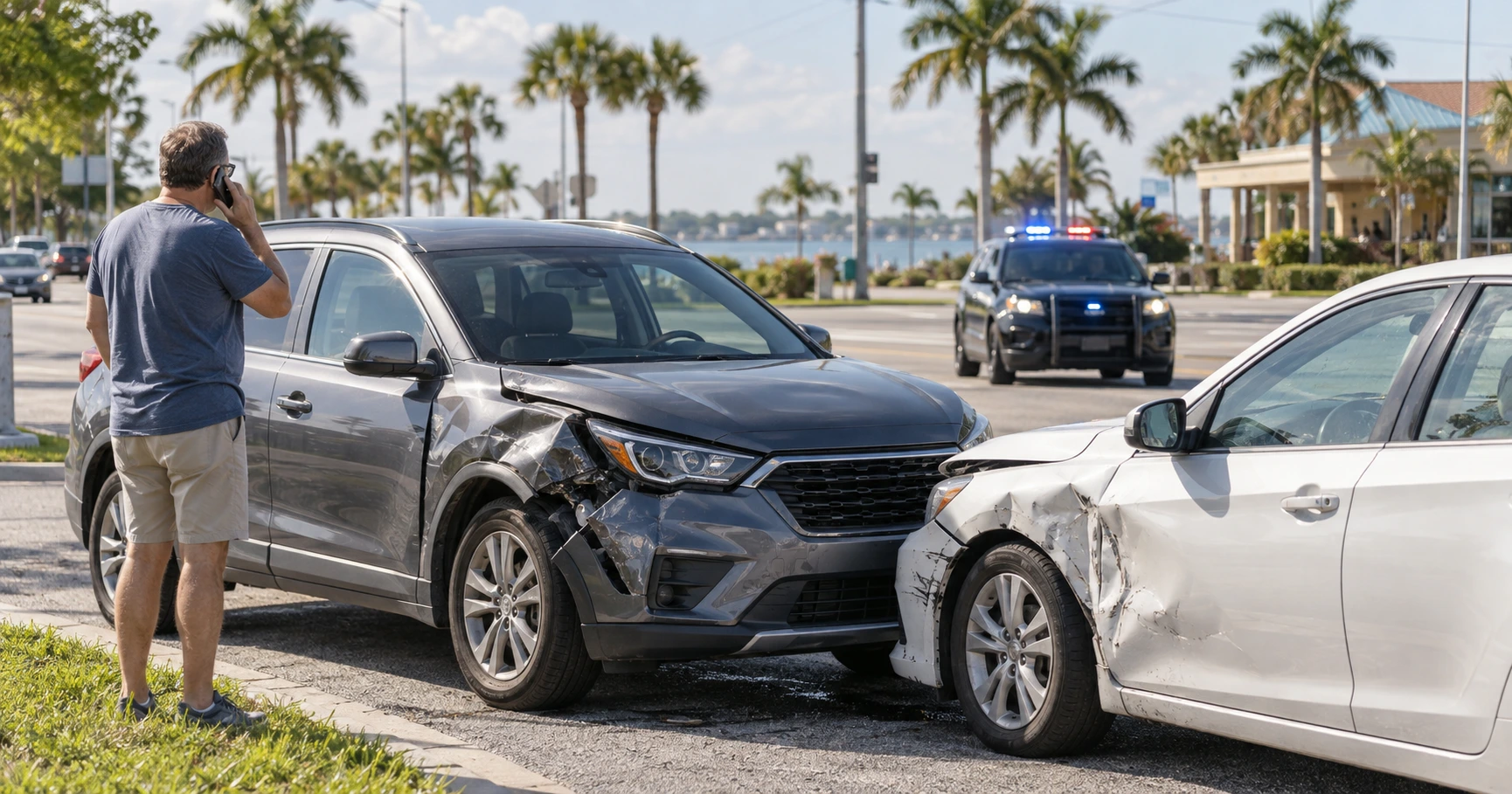
In the Sunshine State, where the sun shines brightly, so can your auto insurance premiums. Florida is known for its vibrant driving culture, but it’s also infamous for having some of the highest car insurance rates in the nation. For many, this can significantly affect their budget, especially for young drivers or those with a few dings on their driving record.
But here’s the good news: knowing how to save on auto insurance in Florida can make a big difference. This guide is filled with tips to save on car insurance in Florida, helping you uncover options for affordable auto insurance Florida drivers can count on. From improving your driving record to leveraging discounts and exploring alternative coverage options, we’ll walk you through practical strategies to lower your premiums.
Let’s get started and take charge of reducing your Florida auto insurance costs!
Why Are Florida Insurance Rates So High?
Florida’s auto insurance rates are notoriously high, and several factors contribute to this trend. Understanding these underlying causes is crucial to navigating the insurance landscape and finding ways to reduce car insurance premiums in Florida.
- High Population Density and Traffic Congestion: Florida is a densely populated state with a significant influx of tourists and seasonal residents. This leads to heavy traffic congestion, increasing the likelihood of accidents and insurance claims.
- Frequent and Severe Weather Events: Hurricanes, tropical storms, and severe thunderstorms are common occurrences in Florida. These natural disasters can cause significant property damage to vehicles, leading to higher insurance claims and ultimately impacting premiums.
- High Rates of Fraud: Unfortunately, insurance fraud is a significant problem in Florida. Staged accidents, inflated claims, and fraudulent medical claims increase drivers’ insurance costs.
- High Litigation Rates: Florida has a history of high litigation rates related to auto accidents. This means more lawsuits are filed, increasing legal costs for insurance companies, which are then passed on to policyholders through higher premiums.
- Rising Repair Costs: Auto repair costs, including parts and labor, have steadily increased in recent years. This directly impacts insurance payouts and contributes to higher premiums.
Given these factors, many drivers in Florida need to find ways to reduce their car insurance premiums.
The following sections explore various strategies for saving money on auto insurance while maintaining adequate coverage.
Florida-Specific Laws and Minimum Insurance Requirements
Understanding Florida’s auto insurance laws is crucial for every driver, whether you’re a resident or simply driving through the state. Adhering to these requirements ensures compliance with the law and provides essential financial protection in case of an accident.
What Are Florida’s Minimum Car Insurance Requirements?
Florida law mandates that all vehicle owners carry specific insurance coverage to operate a vehicle legally. This includes providing proof of Personal Injury Protection (PIP) and Property Damage Liability (PDL) insurance before registering a car with at least four wheels in the state.
The minimum required coverages include:
- Property Damage Liability (PDL):
- Minimum Requirement: $10,000
- Purpose: Covers damages caused to another person’s property, such as vehicles, buildings, or other structures, in an accident for which you are at fault.
- Personal Injury Protection (PIP):
- Minimum Requirement: $10,000
- Purpose: Provides coverage for medical expenses, regardless of fault, for you and your passengers. It may also include compensation for lost wages and other associated costs.
What are the recent changes to Florida’s Auto Insurance Laws?
Florida operates under a “no-fault” insurance system, which means your PIP coverage will handle medical expenses after an accident, regardless of who caused it. While legislative discussions have been about replacing PIP with mandatory Bodily Injury Liability (BIL), PIP remains compulsory in Florida.
Drivers are encouraged to monitor future legal changes, as shifts from no-fault insurance to fault-based liability could impact required coverage amounts.
Consulting with Tampa car accident lawyers can help you stay informed and understand how these changes affect your rights and responsibilities.
Proof of Financial Responsibility
Drivers in Florida must always carry proof of insurance while operating a vehicle. If you fail to maintain the minimum required coverage, the state can:
- Suspend your driver’s license.
- Revoke your vehicle registration.
- Impose fines and reinstatement fees.
Optional Coverages for Better Protection
While Florida’s minimum requirements provide essential protection, they may not cover all potential costs in a serious accident. Drivers should consider adding the following optional coverages for enhanced security:
- Bodily Injury Liability (BIL): Covers medical expenses for others injured in an accident caused by you. While not required unless you’ve been cited for certain offenses, it’s highly recommended.
- Uninsured/Underinsured Motorist Coverage: This policy protects you if you are in an accident with a driver with little or no insurance. Find out what to do when the at-fault party lacks insurance here.
- Comprehensive and Collision Coverage Covers damages to your vehicle, whether from a collision, theft, or weather-related events.
By understanding Florida’s specific auto insurance requirements, you can ensure compliance with state laws, protect yourself financially, and potentially reduce costs while maintaining adequate coverage. Always stay informed about any legislative updates that may affect these requirements.
Comprehensive Tips to Save on Auto Insurance in Florida
Finding ways to reduce car insurance premiums is essential for many Florida drivers. Here’s how you can achieve savings while ensuring adequate coverage:
Florida-Specific Discounts and Strategies
- Good Student Discounts
Young drivers maintaining a “B” average or higher can qualify for significant savings, potentially reducing premiums by up to 15%. - Safe Driver Discounts
Avoiding accidents and completing defensive driving courses can demonstrate reliability to insurers, resulting in lower rates. - Multi-Policy Discounts
Bundling auto insurance with home, renters, or other policies under the same provider often leads to substantial savings. - Vehicle Safety Features Discounts
Cars with anti-theft systems, airbags, and advanced safety features like lane assist or collision warnings qualify for additional discounts.
General Tips to Reduce Florida Car Insurance Costs
- Raise Your Deductible
Opting for a higher deductible lowers your monthly premium, but it ensures that you can cover the cost in the event of an accident. - Shop and Compare Quotes
Obtain quotes from multiple providers, as rates can vary significantly between insurers. - Monitor Your Credit Score
Improving your credit score in Florida can directly impact your insurance premiums, making it a worthwhile effort for long-term savings. - Consider Telematics Programs
Insurance programs based on driving behavior offer discounts to drivers who demonstrate safe habits. Be sure to evaluate program terms.
Key Factors That Drive Cost Savings
- Clean Driving Record
A spotless record, free of accidents and violations, establishes you as a low-risk driver and translates to lower premiums. - Safety-Equipped Vehicles
Cars with advanced safety features such as anti-lock brakes (ABS), airbags, and driver-assistance systems are eligible for insurer discounts. - Eligibility for Multiple Discounts
- Good Student Discounts: Rewards for academic achievement.
- Bundling Discounts: Combine policies for comprehensive savings.
- Defensive Driving Discounts: Complete an approved course for reduced premiums.
- Senior Citizen Discounts: Benefits for drivers aged 55+.
- Professional Discounts: Available for specific careers, such as teaching or healthcare.
Combining these strategies allows you to take full advantage of Florida car insurance cost reduction opportunities, keeping premiums manageable while ensuring robust coverage.
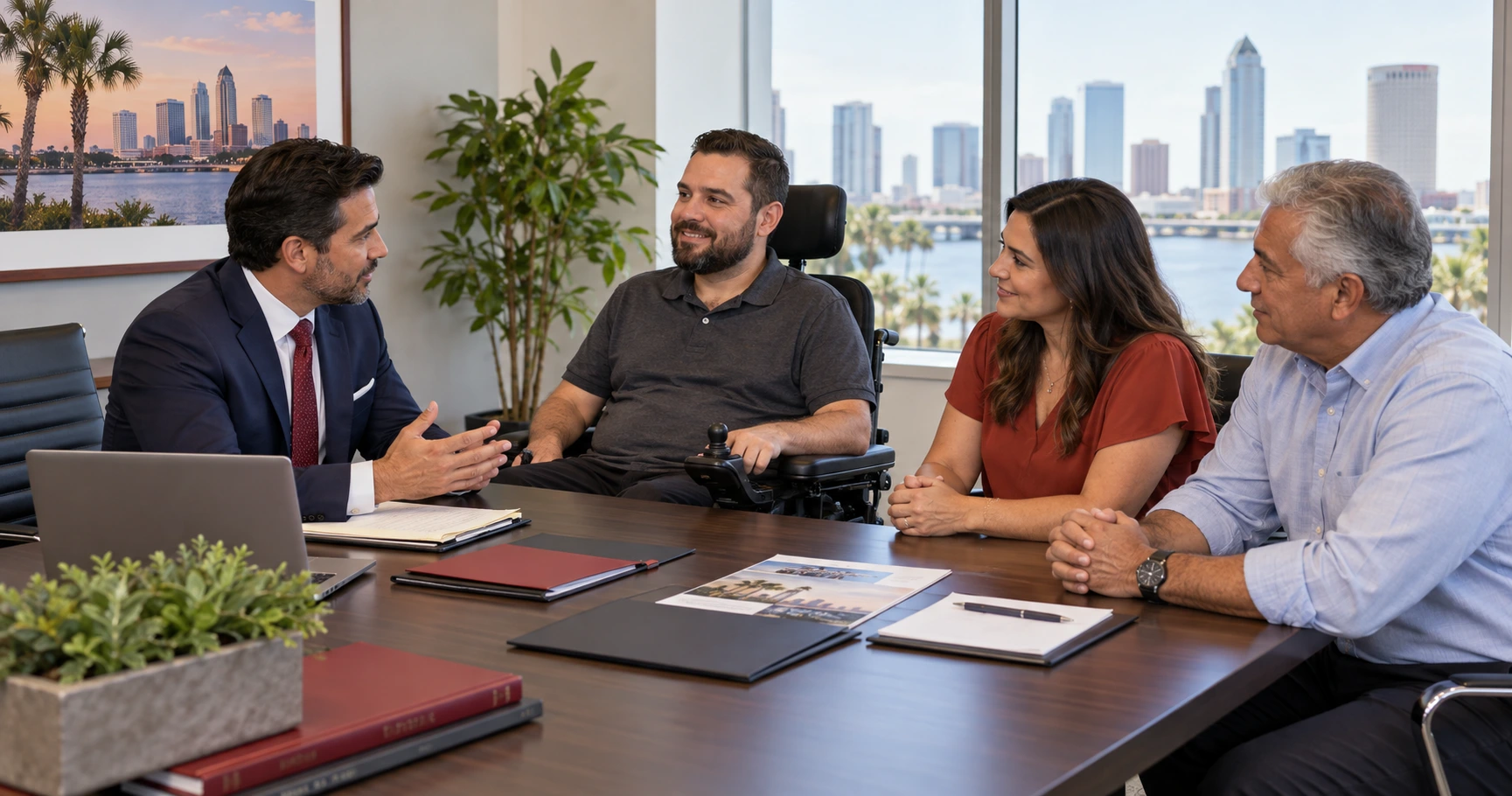
How The Reyes Firm Can Support Injured Drivers
Navigating Florida’s auto insurance system can feel overwhelming, especially after an accident. The Reyes Firm specializes in personal injury cases and is here to protect your rights and ensure you have the coverage and legal support you need.
How The Reyes Firm Can Help:
Legal Guidance for Insurance-Related Matters: Our attorneys have extensive experience handling insurance claims and disputes, offering support in:
- Accident Claims: If you’ve been injured in a car accident, we’ll help you file and pursue an insurance claim to recover compensation for medical bills, lost wages, and pain and suffering.
- Policy Understanding: We can clarify the details of your auto insurance coverage and ensure you understand your rights and protections under Florida law.
- Dispute Representation: If your insurance company denies or delays your claim, our legal team will advocate to secure the benefits you’re entitled to.
Protect Your Rights—Contact The Reyes Firm Today
At The Reyes Firm, we prioritize your well-being and legal rights after an accident. If you’ve been injured, our dedicated team is here to guide you through the complexities of Florida’s insurance system, help you understand your legal options, and fight for the compensation you deserve.
Contact us for a free consultation today and let our experienced personal injury attorneys stand by you.
Conclusion
In the competitive auto insurance market, staying informed and proactive is essential for learning how to save on auto insurance in Florida. This guide outlines tips for saving on car insurance in Florida, including exploring discounts, maintaining a safe driving record, and shopping around for the best rates. These tips can significantly reduce your premiums and keep more money in your pocket.
Remember, navigating the complexities of Florida’s insurance laws can be challenging. The Reyes Firm is here to provide you with the support and guidance you need. Our experienced team can help you understand your coverage options, navigate the claims process, and advocate for your rights.