If you were hurt because someone else wasn’t paying attention or didn’t follow the rules, you may be wondering how to hold them responsible. In personal injury law, the answer almost always comes down to one word: negligence.
Proving negligence is a legal process that enables injured individuals to recover compensation when another person or entity fails to act with reasonable care and caution. It doesn’t matter whether the harm happened in a car accident, a slip and fall, or a pedestrian crash—if you can prove negligence, you can demand accountability.
This guide explains exactly how to prove negligence, what evidence you’ll need, and what to expect in the process. Whether you were hit by a distracted driver, hurt by an unsafe condition, or injured in another preventable accident, understanding these steps can protect your rights and help you move forward.
What Is Negligence and Why Is Proving It So Important?
Negligence occurs when someone fails to act as a reasonably careful person would, and that carelessness results in harm.
If you’re asking, “What do you need to prove negligence?” the answer is simple: you must prove that someone owed you a duty of care, breached that duty, and caused damages.
Example in a real case:
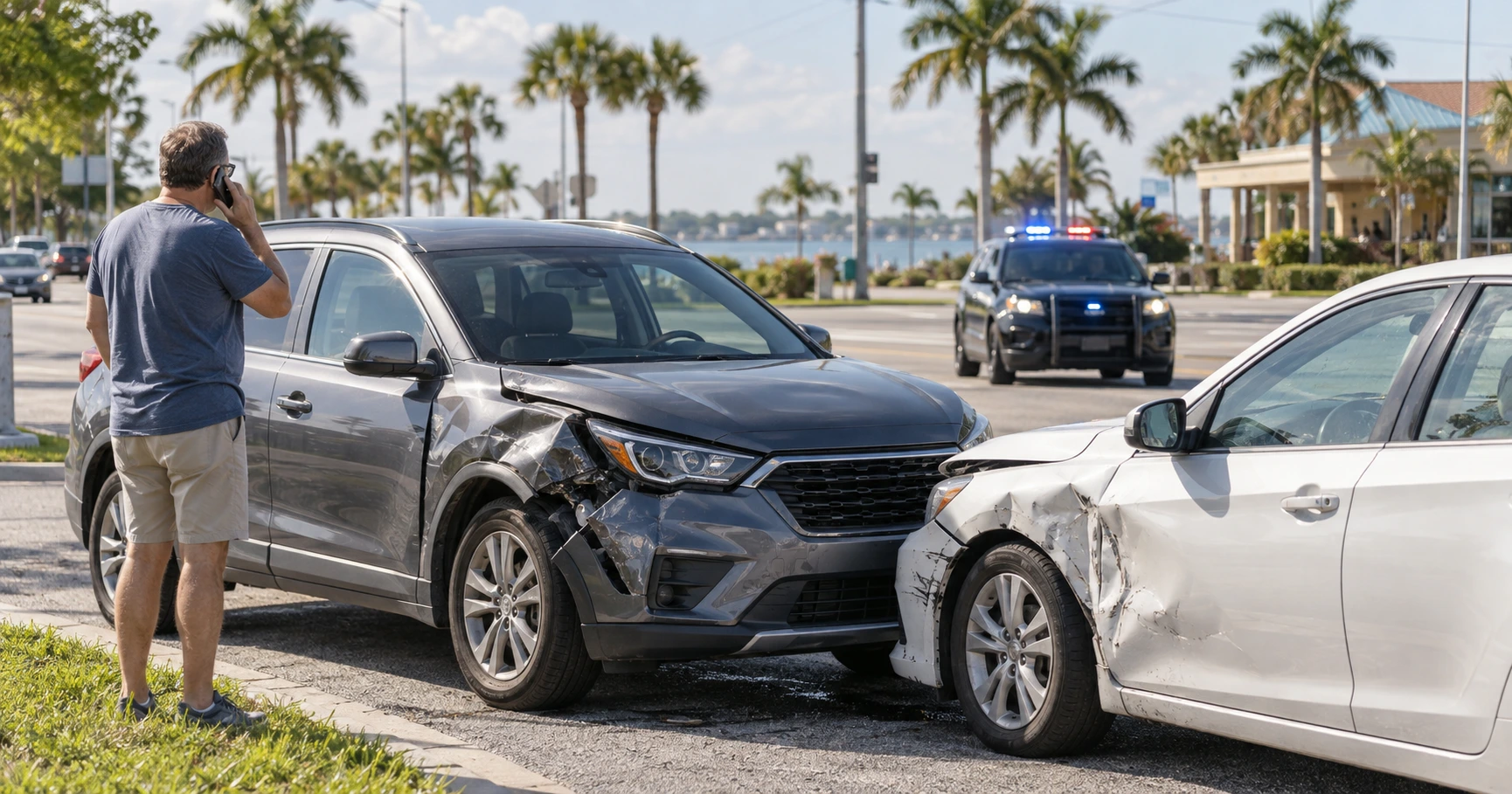
A driver texting behind the wheel runs a red light and crashes into a moped. Even if they didn’t mean to cause harm, they were negligent because they ignored traffic laws.
When you’re hurt in any of these situations, proving negligence is the key to recovering compensation for medical bills, lost income, and pain and suffering.
The Four Elements of Proving Negligence
If you’re wondering what the four elements required to prove negligence are, here’s what every personal injury claim needs:
- Duty of Care
- Breach of Duty
- Causation
- Damages
Duty of Care
Duty of care means that a person must exercise reasonable care and caution to prevent injury to others.
Examples by service area:
- Car Accidents: All drivers are required to obey traffic rules and remain vigilant while driving.
- Motorcycle Accidents: Drivers must check blind spots for motorcycles and scooters.
- Truck Accidents: Trucking companies are required to maintain their vehicles and train their drivers.
- DUI Accidents: Drivers have a duty not to drive under the influence of alcohol or drugs.
Breach of Duty
A breach of duty occurs when a person fails to uphold the expected level of care.
Examples by service area:
- Mass Transit Accidents: A bus driver running a stop sign.
- Pedestrian Accidents: When a driver neglects to stop, people crossing the street are at risk.
- Commercial Vehicle Accidents: A delivery driver speeding in a residential area.
- Wrongful Death Cases: A negligent act resulting in fatal injuries.
Courts compare the defendant’s actions to what a prudent person would do in the same situation.
Causation and Damages
Even if duty was breached, you still need to show that this failure directly caused your injuries and led to measurable losses.
Cause-in-Fact (“But-For” Causation)
Example: If a drunk driver hadn’t veered into your lane, your crash wouldn’t have happened.
Proximate Cause
Was the harm a foreseeable consequence? For instance, speeding near a school zone makes a pedestrian collision foreseeable.
Damages
You must prove real losses. Examples include:
- Emergency care after a scooter accident
- Surgery after a motorcycle crash
- Ongoing physical therapy after a mass transit injury
Proving Damages
You need documentation:
- Medical records
- Receipts
- Witness statements
- Photos and videos
Tip: Save every bill and record related to your treatment and time off work.
How to Prove Negligence in Florida
Many people ask us, How do I start a negligence claim? Here’s how it works step by step.
Gather the Right Evidence
Evidence is essential. What evidence is needed to prove negligence?
By case type:
- Car and Motorcycle Accidents:
- Police crash reports
- Photos of damage and skid marks
- Dashcam footage
- Medical evaluations
- Pedestrian Accidents:
- Surveillance footage
- Witness statements from bystanders
- Truck and Commercial Vehicle Accidents:
- Driver logs
- Truck maintenance records
- Employment and training records
- Moped and Scooter Accidents:
- Helmet damage photos
- Road hazard documentation
- DUI Accidents:
- Breathalyzer and toxicology reports
Tip: Collecting thorough documentation will significantly strengthen your claim for negligence.
Understand the Legal Process
Steps to establish negligence in court:
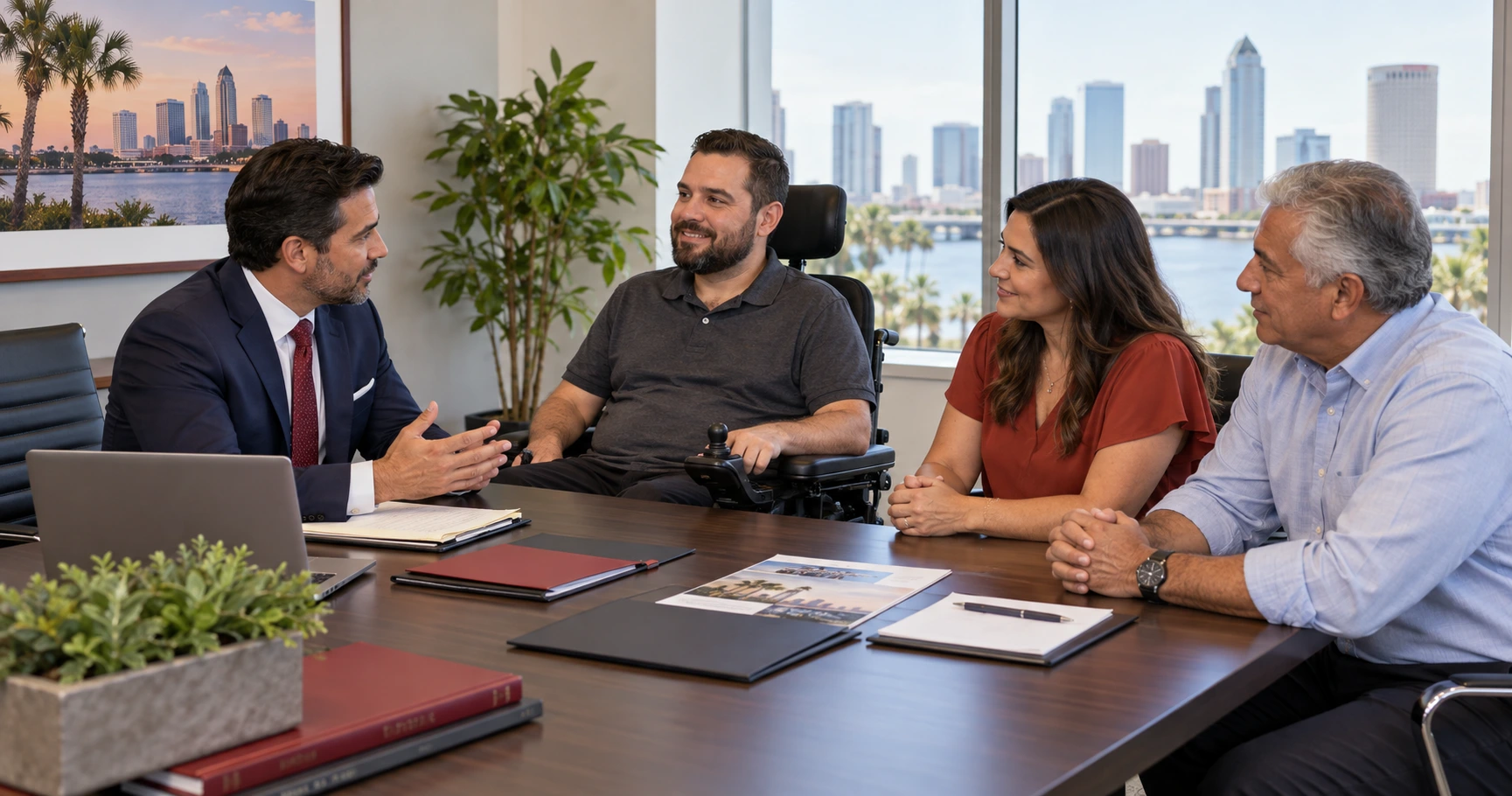
- Free Consultation: Personal injury lawyers review your situation and explain your options.
- Investigation: Your lawyer will collect medical documents, accident reports, and additional evidence to support your case.
- Filing the Lawsuit: Your formal negligence claim begins.
- Discovery: Both sides exchange evidence and take depositions.
- Negotiation: Most cases settle before trial.
- Trial: If necessary, a jury decides if negligence caused your injuries.
Prepare for Common Defenses
Insurance companies often argue you’re partially at fault. Here are the defenses you might face:
Comparative Negligence
Florida uses a modified comparative negligence system in which your percentage of fault reduces your damages, but there’s a limit.
- If you are more than 50% responsible, you cannot recover any damages.
- If you’re found to be 50% or less at fault, you’re still eligible to receive compensation, though your percentage of responsibility will decrease.
Example:
If you were found 20% at fault in a motorcycle accident, you can still recover 80% of your damages. But if you were 60% responsible, you are barred from any recovery.
Assumption of Risk
This argument asserts that you knowingly accepted the risk involved, which is often seen in moped or scooter cases.
No Causation
The defense may argue that something else caused your injury.
No Actual Damages
Even if negligence happens, you must show real losses.
Why Choose The Reyes Firm to Prove Negligence in Florida
When you’re hurt in an accident, you deserve a team of personal injury lawyers who know how to prove negligence and win.
Why clients trust us:
- Extensive Experience: We handle a wide range of cases, from car accidents to wrongful death claims.
- Personal Attention: You work directly with an attorney, not a call center
- Proven Results: Millions recovered for injured clients.
- No Upfront Fees: You won’t owe anything unless we successfully recover compensation on your behalf.
Need help proving negligence in your case?
Call The Reyes Firm now for a free consultation.
We’ll help you understand your rights and build the strongest case possible.
Final Thoughts
Proving negligence is the key to recovering what you’re owed—whether you were injured in a car crash, a truck accident, or a pedestrian collision. You don’t have to navigate this process by yourself.
If you have questions about how to prove negligence or want help filing your claim, contact The Reyes Firm today.