If you feel fine right after an accident but develop headaches, confusion, or sleep issues days later, it could be a delayed concussion. Don’t ignore it—get medical help and talk to a Tampa personal injury attorney to protect your health and your rights.
At first, it seemed like a lucky escape—no broken bones, no visible injuries—just a fender bender and a sore neck. But a few days later, things changed. The headaches kicked in. You couldn’t focus. You started forgetting conversations, and sleep felt impossible. If this sounds familiar, you’re not alone.
Many people are surprised by how often delayed concussion symptoms occur after an accident. At The Reyes Firm, we’ve seen firsthand how these hidden injuries impact victims long after the dust has settled. This article explains what symptoms to look out for, what steps to take next, and how an experienced Tampa personal injury lawyer can support your recovery and legal case.
What Are Delayed Concussion Symptoms?
A concussion is considered a mild form of traumatic brain injury, also known as an mTBI. While some symptoms hit right away, others sneak up on you days later—that’s what we call a delayed concussion.
You may feel fine right after the accident, but symptoms like headaches, memory issues, or mood swings can surface days later. These delayed concussion symptoms are common and should never be ignored.
What Causes Concussions?
Concussions occur when a sudden force causes the brain to jolt inside the skull. This can result in chemical changes and potential damage to brain cells.
Below are some of the most frequent situations that lead to concussions:
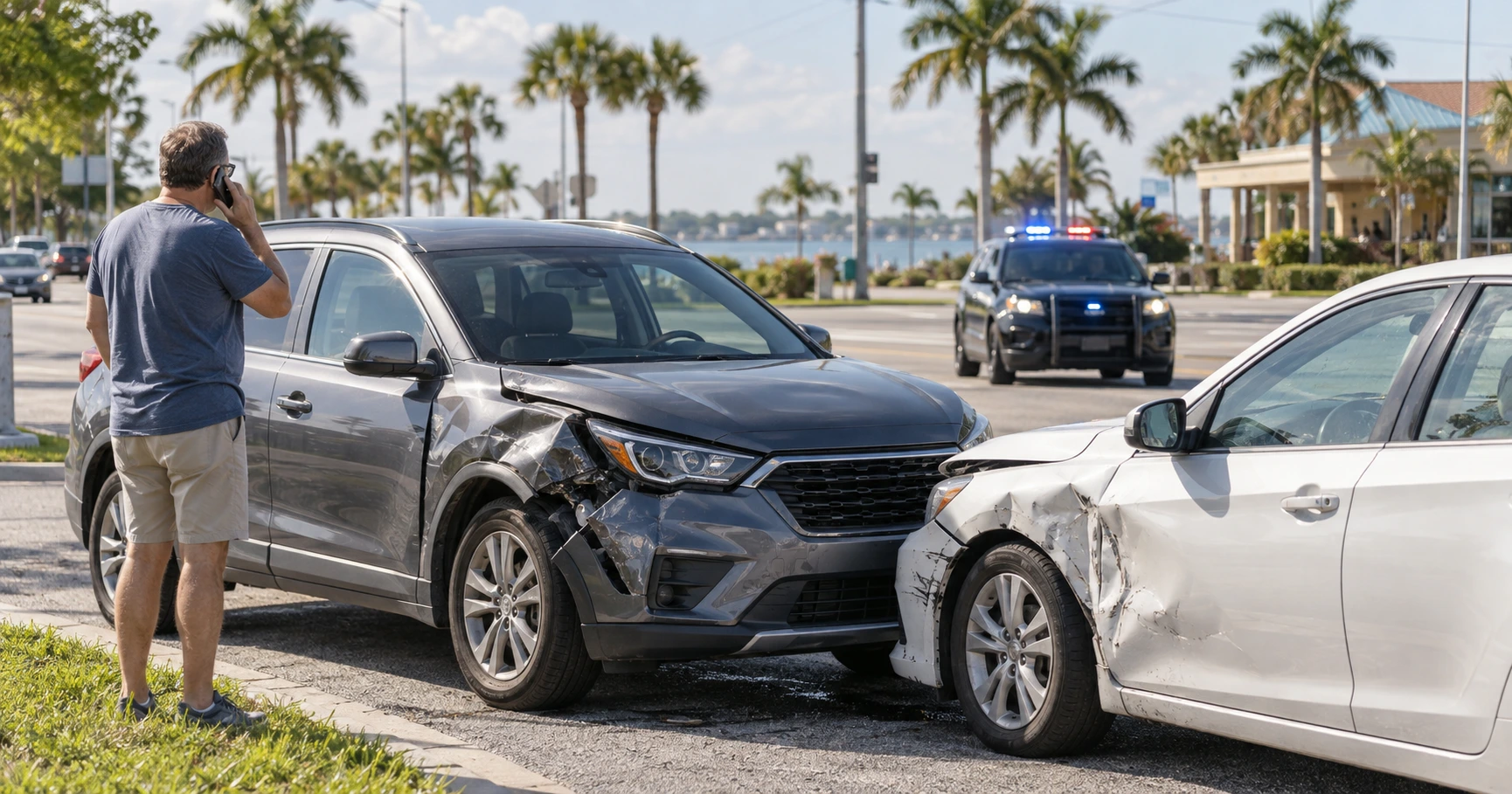
- Car accidents: A concussion may result from a direct blow to the head or a rapid back-and-forth motion. Whiplash is often a co-occurring injury in minor collisions.
- Slip and fall accidents: Falls are a leading cause of head trauma, particularly among older adults and young children.
- Sports-related concussions often happen during contact sports like football, hockey, or soccer, where impacts and collisions are common.
- Workplace accidents: Jobs involving construction, driving, operating heavy machinery, or working at heights pose a higher risk of brain injuries.
- Violent incidents: Assault, domestic violence, and physical altercations can also lead to concussions.
If you’ve experienced any of these situations, it’s essential to monitor for symptoms. Many concussions go undiagnosed because the signs aren’t always immediate. That’s why recognizing delayed concussion symptoms is so important.
Why Do Symptoms Sometimes Show Up Later?
When you’re in an accident, adrenaline and shock can mask pain. Inflammation in your brain can also take time to build, so symptoms usually appear hours or days later.
Common Delayed Concussion Symptoms (By Category)
Cognitive Symptoms
- Trouble concentrating
- Memory issues
- Mental fog or slowed thinking
Physical Symptoms
- Headaches
- Fatigue or drowsiness
- Dizziness or balance problems
- Light or noise sensitivity
- Blurry or double vision
Emotional & Mood Symptoms
- Mood swings
- Anxiety or depression
- Irritability
Sleep Disturbances
- Insomnia
- Sleeping too much or too little
Vestibular & Ocular-Motor Symptoms
- Nausea
- Vertigo
- Eye tracking issues
If you are experiencing any of these symptoms following a recent accident, seek medical attention immediately.
What Does a Delayed Concussion Feel Like?
It can feel like your mind is clouded. You might feel mentally sluggish, emotionally off, and physically tired. It’s subtle at first, then builds until everyday tasks feel overwhelming.
Real-Life Scenario: Tampa Resident With Delayed Concussion
Take Sarah, a 36-year-old from Tampa, who was hit from behind while driving on I-275. She felt fine at the scene but developed headaches and confusion three days later. After seeing a neurologist and hiring a Tampa car accident lawyer, she was diagnosed with a concussion and received a settlement that covered her treatment and lost wages.
This case illustrates the importance of taking symptoms seriously and seeking both medical and legal assistance.
Can Concussion Symptoms Get Worse Over Time?
Yes. Without care, mild symptoms can spiral into post-concussion syndrome, which can affect you for weeks or months. Some people develop chronic headaches, emotional instability, and long-term cognitive issues.
That’s why our Tampa personal injury attorneys always recommend seeing a doctor right away—even if you think you’re okay.
How Doctors Diagnose a Concussion
Medical professionals often use:
- Imaging tests like CT scans or MRIs help rule out internal bleeding or swelling in the brain.
- Neurocognitive testing for memory and focus issues
- Symptom checklists and physical exams
Receiving a proper diagnosis is essential for your health and lays the foundation for a strong injury claim.
What Not to Do If You Suspect a Concussion
- Don’t wait to see a doctor.
- Don’t return to work or physical activity too soon.
- Don’t downplay your symptoms to doctors or insurers.
- Don’t talk to insurance adjusters without legal advice.
Insurance Challenges With Delayed Concussions
Insurers usually deny or devalue claims involving concussions, especially if there’s no immediate medical report. Insurance companies may claim that a previous condition or an unrelated incident caused your symptoms.
That’s why working with an experienced Tampa car accident attorney is essential to securing the compensation you deserve. At The Reyes Firm, we work with medical experts to link your symptoms directly to the crash and ensure you aren’t lowballed.
Why You Need Legal Help for a Delayed Concussion
Concussions often lack visible signs, which insurance companies use to minimize or deny claims. A Tampa car accident lawyer can help prove the impact of your injury, especially if symptoms were delayed.
We gather expert medical testimony, accident reports, and symptom records to demonstrate the impact of the injury on your life.
You may be entitled to compensation for:
- Medical bills
- Lost income
- Pain and suffering
- Ongoing treatment
Florida Laws That Affect Your Concussion Injury Claim
- Statute of Limitations: As of March 24, 2023, Florida law reduced the statute of limitations for most personal injury lawsuits—including those for delayed concussion symptoms—from four years to two years. If your accident occurred before this date, the four-year limit may still apply. Notable exceptions, such as for minors or concealed injuries, can also extend the deadline.
- Comparative Negligence: Florida uses a modified system, meaning your compensation can be reduced—or denied—based on your share of fault. As of March 24, 2023, if you are found more than 50% at fault for the accident, you may not recover any damages. If you’re 50% or less at fault, your compensation will be reduced in proportion to your level of fault.
- No-Fault Insurance: Florida drivers must use their insurance first (PIP), but serious injuries allow lawsuits beyond PIP limits.
Knowing how these rules apply can make or break your case. Our team ensures every angle is covered.
Is It Worth Hiring a Personal Injury Attorney?
Yes, especially with a delayed concussion. A personal injury lawyer helps you:
- Get the correct diagnosis and medical documentation
- Avoid insurance traps
- Maximize your settlement
At The Reyes Firm, our Tampa personal injury lawyers have helped numerous clients recover from concussions, providing both medical support and financial compensation.
Frequently Asked Questions
How long can concussion symptoms be delayed?
Anywhere from a few hours to several days.
Can a head concussion heal on its own?
Some do, but it’s always best to consult a medical professional for guidance. Delayed symptoms can signal deeper issues.
Can concussion symptoms get worse?
Yes. Without treatment, symptoms may progress and last for months.
What should you avoid doing if you think you have a concussion?
Avoid physical activity, alcohol, and screens. Rest and seek medical help.
What does a delayed concussion feel like?
Like your brain is stuck in a fog, with headaches, confusion, and emotional changes slowly building.
Can you sue for a delayed concussion?
Yes, if someone else’s negligence caused your injury. A personal injury attorney can help file the claim and recover damages.
Why Choose The Reyes Firm in Tampa?
We understand how delayed concussion symptoms can affect your job, family, and future. Our firm is committed to supporting, advising, and advocating for you throughout the process.
With The Reyes Firm, you get:
- Local, compassionate legal support
- Proven experience with brain injury cases
- Help navigating the medical and legal system
Let our Tampa personal injury attorneys handle the case while you focus on healing.
Call Now for a Free Consultation
If you or someone close to you is experiencing delayed concussion symptoms after an accident, act quickly. We’re ready to help you access the treatment and financial recovery you need.
Call The Reyes Firm today to speak with a trusted Tampa car accident attorney. Your health matters—and so do your rights.