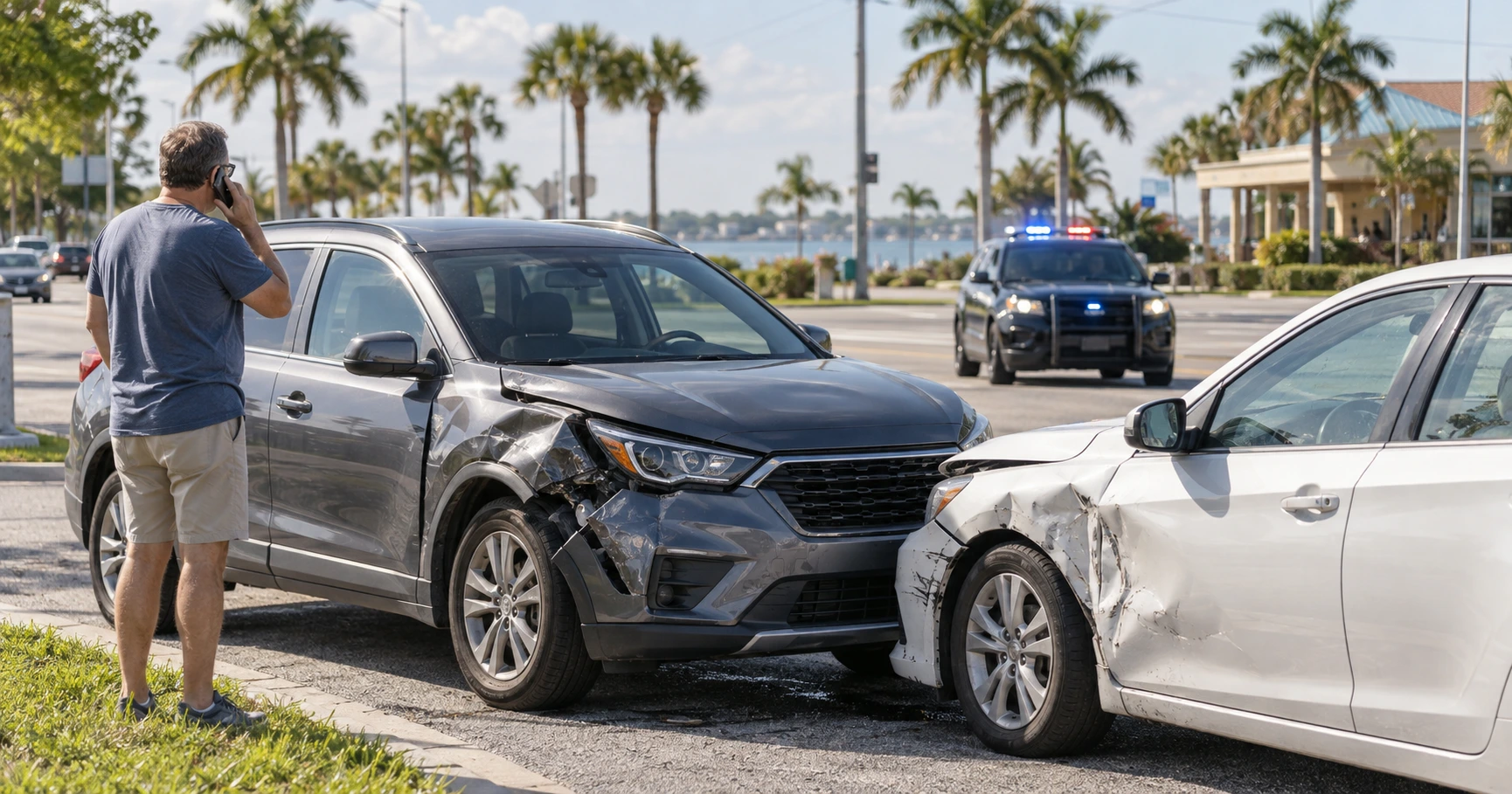
The crash is over, but the stress is not. The injured person may be back home in bed, on a couch in pain, or sitting in a waiting room with a phone that will not stop ringing. It is normal to feel overwhelmed, rattled, and unsure about what to do first.
A lot of people have the same thoughts right away: “Am I overreacting?” “Should I just give them what they’re asking for?” “If I say the wrong thing, will that mess this up?” Those thoughts get louder when medical bills and missed work start piling up.
This guide provides clarity and structure. It explains, in plain language, how Florida PIP rules apply after a truck accident, which deadlines matter, and what steps can help an injured person feel more in control.
Why PIP still matters after a truck crash in Florida
After a catastrophic crash with a commercial truck, many people assume the trucking company’s insurance should pay first. That sounds fair, but Florida’s system usually starts closer to home.
In Florida, Personal Injury Protection (PIP) is part of the no-fault system for most vehicles with four or more wheels. Drivers generally must show proof of PIP and property damage liability to register a vehicle.
That is why PIP often becomes the first source of medical coverage after a Florida semi-truck accident, even while fault is being investigated. PIP can help get treatment started while larger questions are sorted out, such as what caused the accident and which insurance policies apply.
What PIP covers after a Florida truck accident
Right after a crash, people often feel pressured to “prove” they are hurt. They may also feel embarrassed asking for help. PIP is meant to cover basic benefits quickly, without waiting for a full fault investigation.
Under Florida’s PIP law, medical benefits generally include reimbursement for medically necessary care, as long as the injured person gets initial services within the required time window.
In simple terms, PIP commonly helps with:
- Medical bills (like exams, imaging, rehab, and related care) up to policy limits
- Lost income benefits when injuries stop a person from working
The exact coverage depends on the policy and the facts. But the key idea stays the same: PIP is a first layer of support.
How much PIP pays and what limits to expect
When someone is already stressed, insurance math can feel like a second job. The important numbers are easy to summarize.
Florida’s PIP framework is commonly described as:
- 80% of reasonable medical expenses (up to the policy limit)
- 60% of lost income benefits for work the person cannot do because of crash injuries
Many Florida drivers carry the state minimum PIP limit, often quoted as $10,000.
In a semi-truck crash, that amount can disappear fast. An ER visit, imaging, follow-up care, and physical therapy can add up quickly. That does not mean the injured person did anything wrong. It means truck crashes often cause more catastrophic injuries than everyday fender benders.
The 14-day PIP rule and why waiting can hurt coverage
After a crash, it is common to feel sore but try to push through. Some people try to “sleep it off,” hoping pain fades in a day or two. Others are simply too overwhelmed to book an appointment. That is especially common after semi-truck accident injuries in Florida, where the shock and stress can mask symptoms at first.
Florida has a rule that matters here. Under Florida’s PIP statute, a person generally must receive initial medical services and care within 14 days of the motor vehicle accident to qualify for PIP medical benefits.
For an injured person, this is not about being dramatic. It is about protecting access to care.
Helpful next steps within those first two weeks:
- Get checked by an appropriate medical provider, even if symptoms seem “minor.”
- Follow up if symptoms change (headaches, back pain, dizziness, numbness)
- Keep copies of discharge papers, work notes, and any restrictions
In a truck accident in Florida, early documentation can reduce confusion later.
Emergency Medical Condition and the $10,000 vs $2,500 issue
Many injured people do not hear about this until they are already stressed about bills. They may feel blindsided.
Florida’s PIP law includes rules tied to whether a provider determines the injured person had an Emergency Medical Condition (EMC). The statute explains how medical benefits are reimbursed and how the initial treatment timeline ties into benefits.
In plain terms, the EMC determination can affect how much of the available PIP medical limit is available.
What an injured person can do (without getting lost in legal jargon):
- Focus on getting timely medical care
- Be honest and specific about symptoms (pain level, sleep problems, weakness, nausea)
- Ask for copies of medical records and visit summaries
- Make sure follow-up care happens if symptoms continue
This is not about “gaming the system.” It is about ensuring the medical image is accurately documented.
What PIP does not cover in serious truck injury cases
People often feel shocked when they learn what PIP does not cover. They may think, “So what is the point?” The point is that PIP is limited by design.
PIP is not meant to cover every category of harm in a major truck crash. For example, PIP is tied to specific benefits, such as medical bills and wage-loss percentages, subject to limits.
In many serious truck cases, the biggest burdens include things PIP does not fully address, such as:
- Long-term care needs that go beyond PIP limits
- Full wage loss if a person cannot return to work quickly
- Life disruption that requires broader legal evaluation
That is why a Florida PIP after a truck accident case often has two tracks: immediate PIP steps for early care and a separate process to evaluate outcomes beyond PIP.
When a truck accident injury claim goes beyond PIP
After a truck crash, the injured person may feel pressured to “wrap it up” quickly. That pressure can come from medical bills, missed work, or constant calls and forms.
But truck accident cases are often more complex than standard car crashes. There may be multiple responsible parties in a truck accident and multiple layers of insurance. Evidence may include commercial vehicle records, maintenance history, and other details that take time to gather.
This is where many people benefit from guidance. The goal is not to rush. The goal is to protect the injured person from early mistakes when they are tired, hurting, and unsure.
A careful approach usually includes:
Confirming the injured person’s medical care is supported and documented
In a truck accident in Florida, early care is critical because PIP has strict rules. Under Florida law, the injured person generally must receive initial medical services and care within 14 days to qualify for PIP benefits under Florida Statute 627.736.
When injuries are serious, early documentation also helps demonstrate how the crash affects the person day-to-day. That matters if the situation later moves beyond no-fault.
Identifying all possible insurance coverage sources
Truck collisions can involve more than one policy and more than one legal responsibility. Florida’s no-fault framework is in Florida Statute 627.736, but serious injuries may allow claims beyond PIP under the injury threshold in Florida Statute 627.737.
The key is not guessing early. It is mapping the coverage correctly.
Preserving key evidence early, before it disappears
Evidence can fade fast after a truck crash. Records can be overwritten, vehicles can be repaired, and driver logs and data can become harder to obtain. A practical step is to act early to preserve information that may later be relevant to fault and liability.
In Florida, a truck crash claim also has time limits under the state’s negligence statute of limitations in Florida Statute 95.11. (It lists two years for actions founded on negligence.)
Keeping the injured person from being boxed into statements they do not fully understand
People often feel pressured into recorded statements or signing broad paperwork while they are still in pain and still learning what their injuries are. A slower, careful approach helps the injured person avoid being locked into wording that does not align with the reality that becomes clear later.
This is how people regain control after a truck accident. Step by step, the situation becomes more manageable.
Practical next steps checklist for Tampa Bay crash victims
After a major crash, many people report feeling scattered. A short checklist can help restore order.
For victims in and around Tampa and the Tampa Bay area, these are smart, practical steps:
- Get medical care quickly, and do not wait until day 14
- Write down symptoms once a day for two weeks (sleep, pain, headaches, dizziness)
- Save documents (visit summaries, prescriptions, work notes, referrals)
- Take photos if safe (vehicle damage, visible injuries, road conditions)
- Request the crash report when it becomes available
- Do not guess when asked questions about fault. Stick to facts
- Keep a simple folder for bills, letters, and claim numbers
None of this is about “doing too much.” It is about reducing chaos and protecting the injured person’s options.
FAQs not discussed in the main article
Does insurance go up if you use PIP?
Rates may change after a claim, depending on the carrier and policy. The safest move is to contact the insurer directly and request a written response.
What does a PIP claims adjuster do?
A PIP claims adjuster reviews documentation related to the PIP claim and decides how benefits are handled under the policy rules and Florida law.
Can you decline PIP in Florida?
Florida generally requires PIP for most drivers registering a qualifying vehicle. Special situations can exist, so the best answer depends on the person’s exact circumstances.
What is the 90-day rule in Florida insurance?
“90-day rule” can mean different things in different contexts. If someone mentions it after a crash, they should ask what rule is being referenced and where it appears (policy language, statute, or a provider’s billing rule).
How Can The Reyes Firm Help You
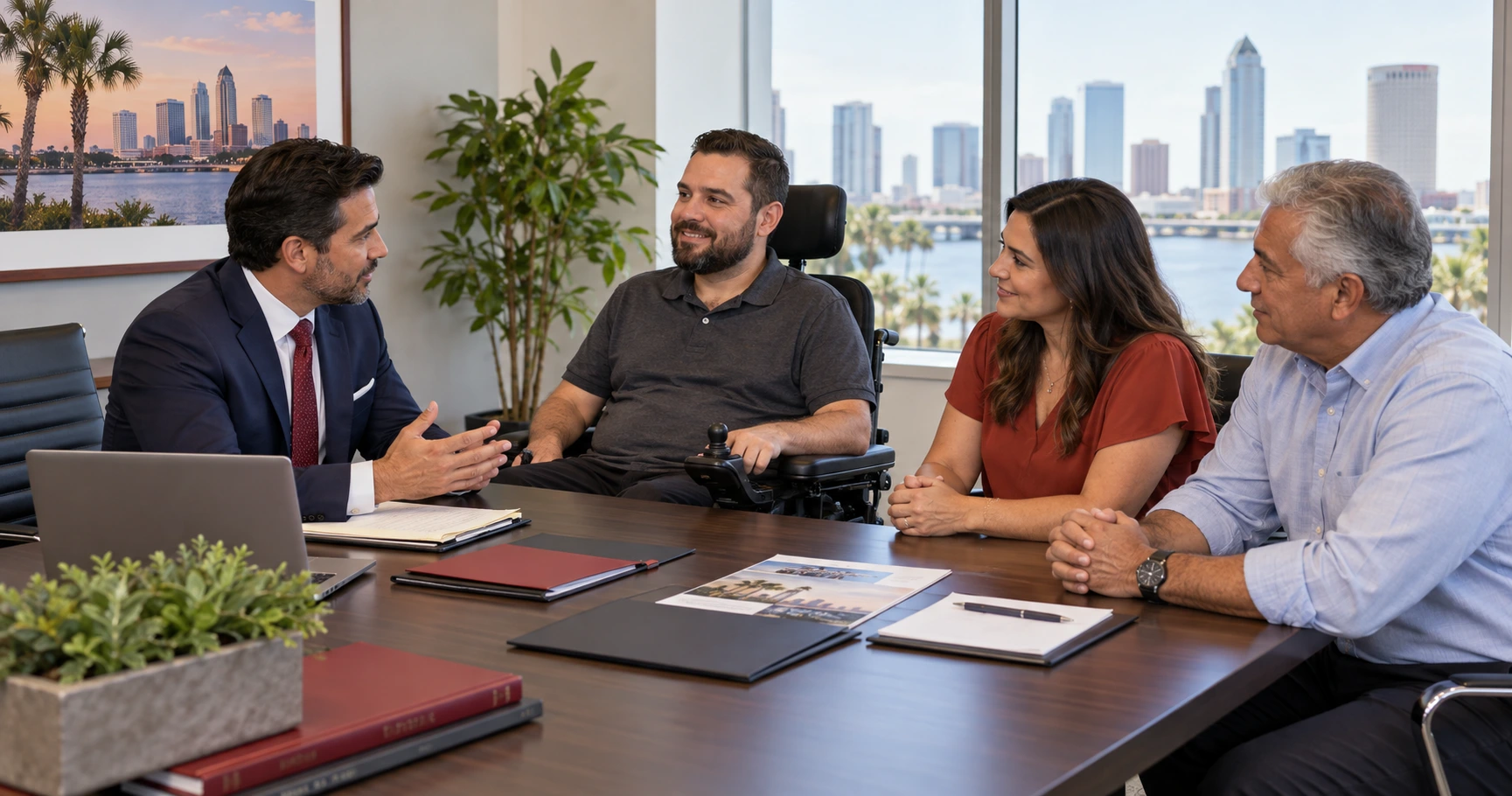
After a truck accident in Florida, most injured people just want someone steady in their corner. They want the calls and paperwork to feel less burdensome, and they want clear answers they can trust, without feeling rushed or judged.
A Tampa truck accident lawyer at The Reyes Firm helps injured people take the next steps with less stress. That can mean walking them through PIP rules, dealing with insurance paperwork and adjuster requests, and keeping everything organized so they can focus on healing. When a commercial truck is involved, the firm can also help protect important evidence and determine which insurance coverage applies, without pushing for quick decisions.
Address: 4730 N. Habana Ave., Suite 201, Tampa, FL 33614
Phone number: 833-4 BAD DAY
Had a bad day?
If a truck crash turned your life upside down, The Reyes Firm can help you understand your PIP coverage, what deadlines matter, and what to do next without added pressure.