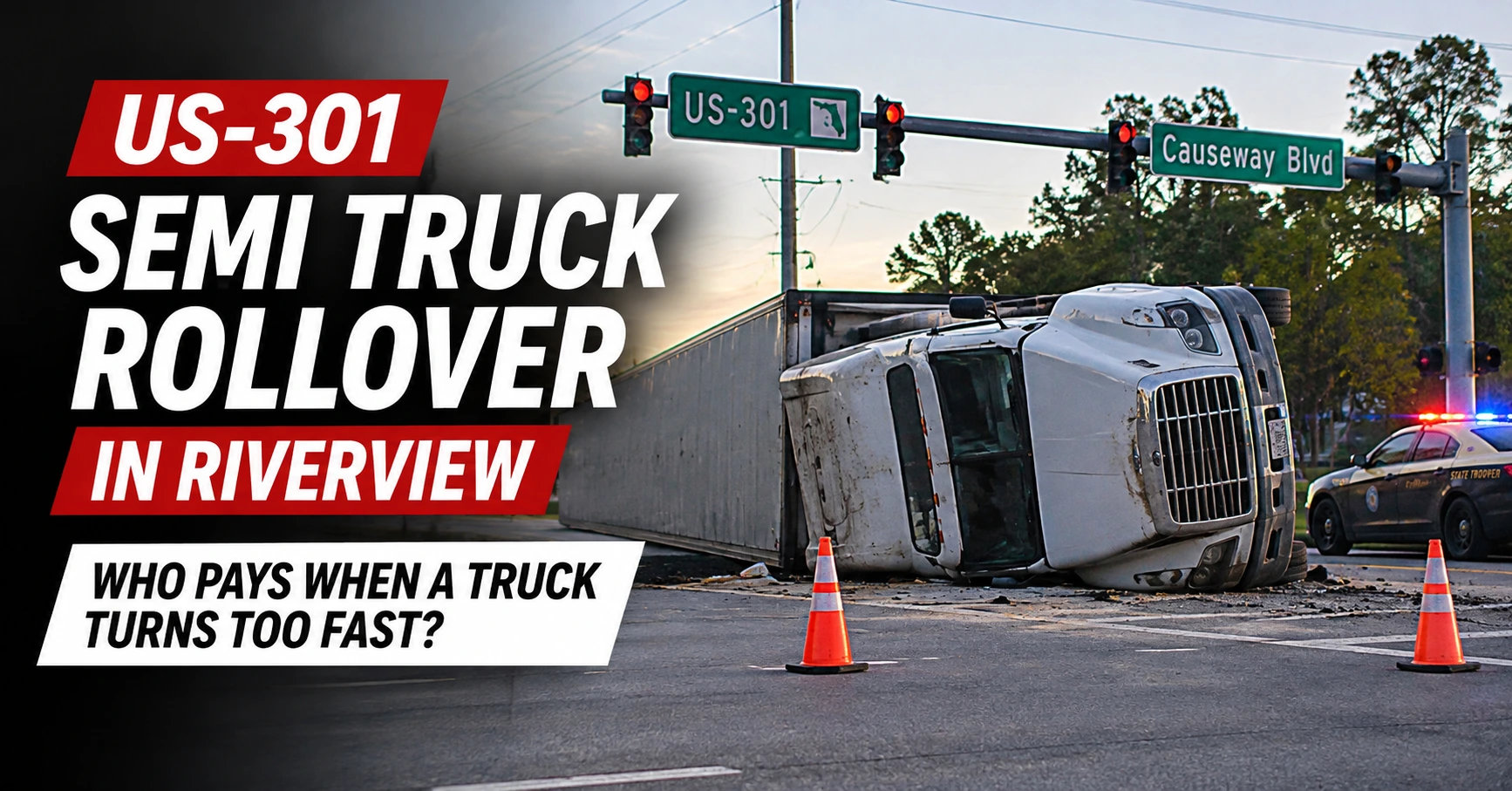
 A truck accident can change a person’s life in an instant. One moment, someone is driving to work or running errands. Next, they are in the hospital, facing pain, expenses, and uncertainty about what comes next. In Florida, this reality affects thousands of families each year, especially since the state consistently ranks among the busiest and most dangerous for traffic crashes.
In 2024 alone, there were 381,210 codable traffic crashes reported across Florida, including 46,651 commercial motor vehicle crashes that resulted in 315 fatalities or nearly 10% of all traffic deaths statewide. These figures show how often large vehicles, such as trucks, are involved in serious road incidents.
At the same time, Florida’s 2023 tort reform laws made significant changes to how injury claims are handled in court. These new laws affect deadlines, fault rules, medical evidence, and insurance company strategies, all of which are relevant to a Florida tort reform truck accident claim. Understanding the new regulations and their implications is essential for anyone injured in a crash.
What Florida’s 2023 Tort Reform Means
Florida’s 2023 tort reform refers to changes in state law that affect personal injury lawsuits, including truck accident claims. Tort reform was enacted to limit lawsuits and control insurance costs, but many injured people now face tighter deadlines and more challenging legal hurdles.
Key changes include:
- Shorter filing deadlines (statute of limitations)
- Stricter rules on fault (comparative negligence)
- More challenges to medical evidence
- Greater leverage for insurance companies and defendants
Even before these changes, truck accidents were complex because they often involve multiple parties, higher damages, and stronger legal defenses. Tort reform made understanding the legal process even more important for victims and families.
Truck Accidents Are a Serious Problem in Florida
Florida’s roads remain among the most congested in the country, and semi-truck accidents in Florida can lead to catastrophic injuries because of the size and weight of commercial vehicles. According to state traffic data:
- 381,210 total reported crashes in 2024
- 46,651 commercial motor vehicle crashes
- 315 fatalities involving large vehicles like commercial trucks
- Crashes occur most often during the day and peak on Friday afternoons.
These numbers highlight how dangerous Florida highways can be, not just for passenger cars, but also for interactions with larger trucks. When a heavy commercial truck is involved, injuries tend to be more serious.
Truck accidents may involve:
- Local delivery trucks
- Long-haul semi-trucks
- Construction vehicles
- Trailer rigs
- Company fleets
These cases often involve thousands of pounds of machinery, which dramatically increases the risk of severe injury or death for occupants of smaller vehicles.
Shorter Deadlines to File a Truck Accident Lawsuit
One of the most important changes under Florida’s 2023 tort reform is the deadline to file a lawsuit.
What Changed?
Before 2023, most injury lawsuits in Florida, including truck accident cases, had a four-year deadline from the date of the crash.
After the 2023 tort reform, most negligence claims must now be filed within two years, under Florida Statutes § 95.11.
Missing this shorter deadline can permanently bar an injured person from bringing a lawsuit, regardless of how serious the injuries are.
Why This Matters
Evidence in truck accident cases is often time-sensitive. Critical records like:
- Truck driver logs
- Electronic control module data
- Maintenance reports
- Witness statements
Can be lost or destroyed if not secured early. Missing the new two-year deadline can mean losing the right to pursue a Florida tort reform truck accident claim, even when the injuries are severe.
New Fault Rules Can Reduce Compensation
Florida’s comparative negligence rules were also changed under tort reform.
What Is Comparative Negligence?
If both drivers share blame for an accident, the court assigns a percentage of fault to each person.
Under Florida’s updated comparative negligence law, an injured person who is found to be more than 50% at fault may not recover compensation, even if the other driver also contributed to the crash. This rule is set out in Florida Statutes § 768.81.
Watch: Florida Tort Reform Changes Explained
This short video explains the significant Florida tort reform changes from March 23, 2023, including modified comparative negligence, shorter lawsuit deadlines, and how medical bills may be argued in injury cases.
Video Transcript (Expandable)
Read the transcript and key takeaways
Key takeaways:
- Fault rule changed: If a person is found more than 50% at fault, they may recover nothing.
- Deadline shortened: Many negligence lawsuits shifted from 4 years to 2 years to file.
- Medical referral disclosure: Certain attorney-to-provider referral details may be allowed in court.
- Medical bills are disputed differently: insurers may seek to limit what they say medical care “should” cost.
Clean transcript:
Since March 23, 2023, Florida’s personal injury law has changed through tort reform. One significant change is the adoption of modified comparative negligence. Under the new rule, if a plaintiff is found more than 50% at fault, they may recover zero.
This matters because many crashes become “he said, she said” situations, like disputed lane merges or contested red-light crashes. Even when someone believes they did nothing wrong, fault arguments can impact whether a case is worth pursuing.
Another significant change is the statute of limitations. In many negligence cases, the filing deadline has been reduced from four years to two years. That encourages earlier filing, but it can be difficult for people with long-term injuries who are still learning the full impact of the crash.
The video also explains changes involving attorney referrals to medical providers. If an attorney refers a client to a provider, specific details about that relationship may be allowed in court. Attorney Edward Reyes notes that many injured people struggle to find providers who accept accident-related care because some providers prefer to avoid involvement in litigation.
Finally, the video discusses how medical bills and future medical expenses may be argued in court, mainly when insurance reimbursement rates are used to suggest what medical care “should” cost. The Attorney Reyes explains that these arguments can create challenges for injured people who still owe higher billed amounts.
How Insurance Companies Use This
After a truck crash, insurance adjusters may argue that the injured person:
- Didn’t slow down in time
- Didn’t signal properly
- Should have anticipated the truck’s movement
Even small percentages of fault can significantly reduce a settlement or jury award. That’s why strong evidence from day one is essential in a Florida tort reform truck accident claim.
Medical Evidence Comes Under Greater Scrutiny
Tort reform also tightened standards for medical damages.
What Insurers Now Look For
Insurance companies now more aggressively question:
- Whether medical treatment was “necessary.”
- Gaps in treatment after a crash
- Pre-existing conditions vs. new injuries
- Reasonableness of medical bills
Truck accident injuries often require ongoing care from emergency surgery to weeks of rehabilitation. Without clear medical documentation, insurers may downplay the severity of injuries or dispute the need for future care.
How Tort Reform Benefits Trucking Companies and Insurers
Large trucking companies and their insurers have adapted quickly to Florida’s new tort reform rules. To understand why these companies often hold the upper hand, it helps to know how insurance works in Florida semi-truck accidents.
What This Means for Victims
Trucking companies now have:
- Stronger legal defenses
- More leverage in settlement talks
- Greater ability to argue fault and limit payouts
Insurance adjusters may pressure injured people to settle early, sometimes before the full scope of medical needs is known. Once a settlement is signed, it is usually final.
Wrongful Death Claims After Tort Reform
Truck accidents are more likely than car crashes to result in fatalities. According to NHTSA Traffic Safety Facts, tens of thousands of large-truck crashes happen nationally every year, and many result in death or serious harm.
As mentioned previously, in Florida, fatal crash data also reflects the risk:
- Commercial vehicle crashes accounted for 315 fatalities in 2024.
For families pursuing wrongful death claims after a truck accident, tort reform’s stricter timelines and fault rules mean details matter more than ever. These cases often involve economic and emotional damages that require careful legal strategy.
Why Acting Early Matters
Under the new tort reform laws, injured victims can no longer wait to begin their legal claim. Acting early helps:
- Preserve critical evidence
- Reduce attempts to shift blame.
- Ensure medical treatment is well-documented
- Meet strict filing deadlines.
Every day that passes can make it harder to prove fault, secure records, or build a strong case.
How Can The Reyes Firm Help You
At The Reyes Firm, experienced attorneys understand how Florida’s 2023 tort reform affects truck accident claims. The legal landscape has changed, but injured people and families still have rights and a path to compensation.
The truck accident attorneys at The Reyes Firm help clients by:
- Investigating truck accidents quickly and thoroughly
- Preserving crucial evidence and accident records
- Handling communication with insurers
- Explaining how tort reform impacts each case
- Developing legal strategies tailored to each injury claim
If a serious truck accident has affected you or someone you love, don’t wait. The new laws make timing and preparation essential.
The Reyes Firm
4730 N. Habana Ave., Suite 201
Tampa, FL 33614
📞 833-4 BAD DAY
Had a bad day?
FAQs: Florida Tort Reform and Truck Accident Claims
1) Can an injured person still file a truck accident claim if the truck driver was from another state?
Yes. If the crash happened in Florida, the claim can often be handled in Florida even if the driver or trucking company is based elsewhere.
2) Should an injured driver give a recorded statement to the trucking company’s insurance adjuster?
Usually not without legal advice. Recorded statements can be used later to shift blame or downplay injuries.
3) What happens if the injured person was driving for work (like Uber, delivery, or a company vehicle) during the crash?
Additional insurance coverage and rules may apply, including employer policies or workers’ compensation, depending on the job and circumstances.
4) Can a truck accident claim include compensation for PTSD, anxiety, or sleep problems after the crash?
Yes, mental health symptoms may be part of a claim when they are tied to the crash and supported by medical or therapeutic records.