Imagine driving to work on a quiet Florida morning when, out of nowhere, a speeding car blows past you—followed by flashing lights and police sirens. Moments later, you see wrecked vehicles, smoke, and chaos. You weren’t part of the chase. You didn’t break any laws. But now you’re dealing with serious injuries, a totaled car, and a mountain of questions.
High-speed police chases can be incredibly dangerous, especially in busy areas like Polk County and Pasco County, where highways such as U.S. 98 and I-4 are already packed with traffic. When officers chase suspects at high speeds, the risks increase—not only for the person fleeing but also for everyone nearby. Unfortunately, innocent people usually end up hurt in the process.
One of the most essential things crash victims want to know is: Who’s going to pay for this? That’s where the idea of police chase accident liability in Florida comes in. This article will break down how Florida law handles these situations, what steps victims should take, and how The Reyes Firm can help.
What Happened in the High-Speed Chase Through Polk and Pasco Counties
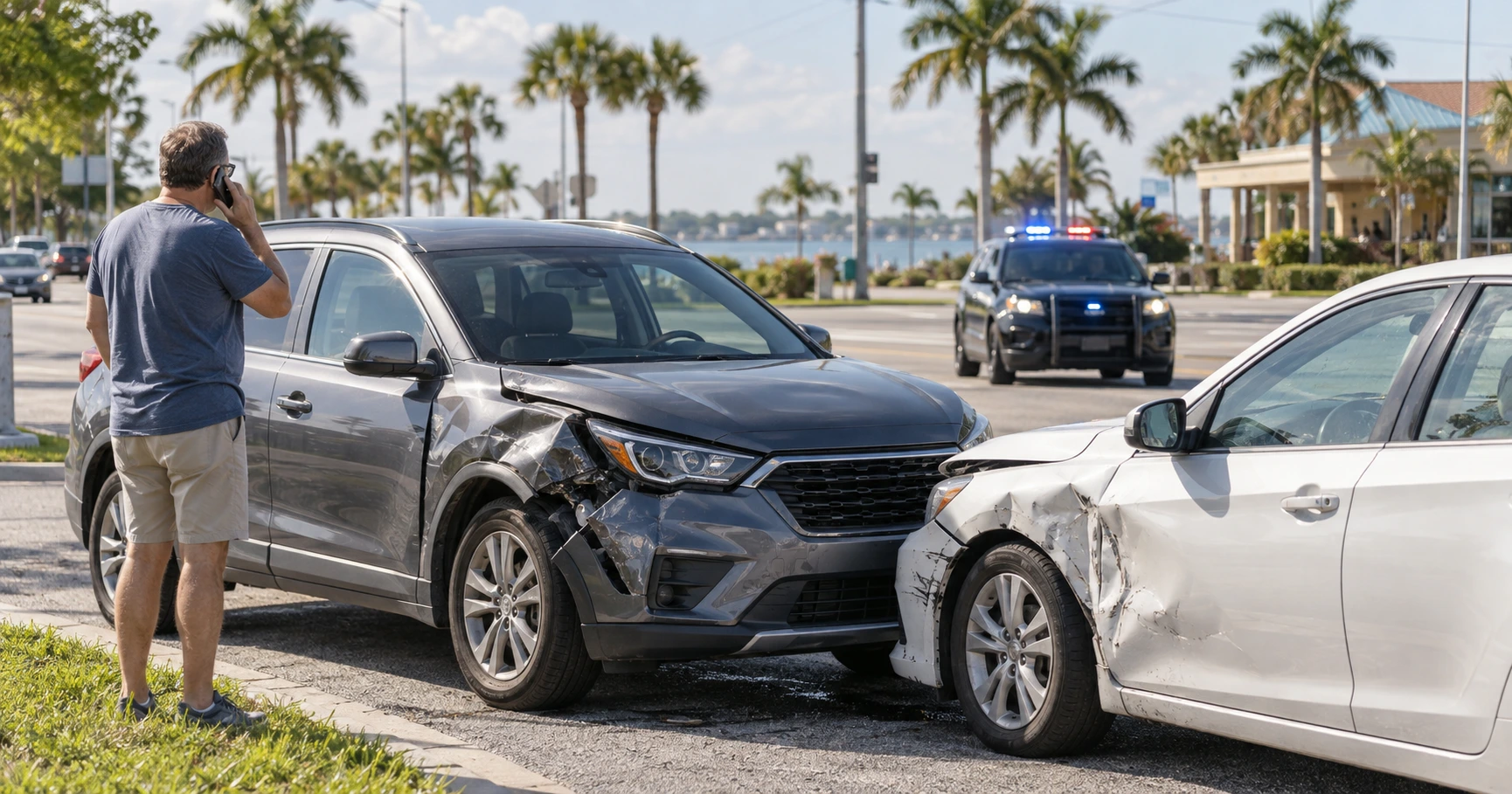
On August 22, 2025, deputies from Pasco County and Polk County were involved in a high-speed chase with a suspect wanted for attempted homicide. Law enforcement in Zephyrhills attempted a traffic stop, but the suspect sped away, triggering the pursuit, as reported by WTSP. The chase crossed into Polk County, where the fleeing car crashed near U.S. 98 and Duff Road after striking two other vehicles. All three people in the suspect’s car were hospitalized, and the suspect—who had an active warrant—was arrested. According to initial reports, there were no serious civilian injuries, but the investigation is ongoing.
This kind of incident highlights the danger police chases pose to the public. If a bystander or another driver had been injured, they may have legal rights—but figuring out who’s at fault is not always simple. That’s where a legal perspective is essential.
📍 Crash location: Intersection of Duff Road & US-98 in Polk County, Florida
What Makes Police Chases So Dangerous?
Police chases are fast, unpredictable, and usually take place in busy areas. Officers make split-second decisions, and suspects do everything they can to escape. This can include:
- Speeding far over the limit
- Running red lights
- Driving into oncoming traffic
- Swerving through neighborhoods or school zones
In Pasco County and Polk County, roads like US-98, I-75, and SR-54 are common locations for high-speed chases. Many are packed with cars during the morning and evening rush hours. When a chase breaks out, it can quickly lead to serious accidents that affect people who had nothing to do with the crime.
Even if police are following department guidelines, these chases can cause injuries, property damage, and traffic nightmares.
Who Is Liable in a Police Chase Accident?
In Florida, “liability” means who is legally responsible for the injuries, damage, and costs after a crash. In a pursuit-related crash, several parties might be at fault.
1. The Fleeing Suspect
Most of the time, the driver who caused the chase is the main person at fault. If they drove dangerously and caused a crash, they can be sued. But many suspects don’t have insurance or money, which can make recovering compensation difficult.
2. Law Enforcement or Police Department
Sometimes, the police could share responsibility. If officers didn’t follow proper procedures or chased someone through a high-risk area, they could be held partially liable. Florida law gives police sovereign immunity, but there are exceptions—especially if their actions put innocent people at risk. This is where working with a skilled Florida police pursuit crash lawyer is essential.
3. Other Drivers
In the confusion of a police chase, other drivers might react suddenly—causing additional crashes. Florida’s comparative fault law (Fla. Stat. § 768.81) allows multiple people to share blame in a collision, including civilians who made poor driving decisions during a chase.
Florida Laws That Affect Your Police Chase Injury Claim
Several Florida laws shape what crash victims can do after being injured during a police chase.
No-Fault Insurance (PIP)
All Florida drivers are legally required to have Personal Injury Protection (PIP) coverage. This pays up to $10,000 in medical expenses, no matter who caused the crash. But for serious injuries, that amount often isn’t enough.
Two-Year Deadline to File
As of 2023, Florida law allows just two years to file a personal injury claim under Fla. Stat. § 95.11—missing that window means giving up your right to compensation.
Government Liability Limits
Police departments are usually protected by sovereign immunity (Fla. Stat. § 768.28). This means you can only sue them in specific situations, and there are limits on how much money you can recover—usually $200,000 per person or $300,000 total per incident.
What to Do After a Police Chase Accident
Being involved in a crash caused by a police chase can be overwhelming. Here’s what you should do right away:
After-the-Crash Checklist
- Contact 911 right away to alert authorities and ask for medical help.
- Get Medical Care – Go to a hospital even if you feel okay. Injuries can show up later.
- Take Photos and Notes – If safe, snap pictures of damage, road signs, injuries, and nearby vehicles.
- Don’t Talk to the Other Driver’s Insurance – They might try to blame you. Talk to a personal injury lawyer first.
- Call a Local Attorney – A Polk County car accident attorney or Pasco County personal injury lawyer can guide you and protect your rights.
Local Resources
- Hospitals: Lakeland Regional Health, AdventHealth Zephyrhills, BayCare Wesley Chapel
- Agencies to Contact: Florida Highway Patrol, Polk County Sheriff’s Office, and Pasco County Sheriff’s Office
Do You Have the Right to Sue After Being Injured in a Police Pursuit in Florida?
Yes, you can sue after a police chase accident in Florida if someone else’s actions caused the crash. Whether it’s the fleeing suspect, another driver, or even law enforcement, a legal team will need to investigate the situation. This may involve:
- Dashcam or bodycam footage
- Police pursuit policies
- Crash scene photos and diagrams
- Witness interviews
A strong legal case requires digging into the details. That’s where a knowledgeable lawyer for pursuing crash injuries in Florida becomes your best asset.
What Compensation Can Victims Recover?
Victims of police chase crashes may be entitled to money for:
- Medical bills (past and future)
- Lost income and job opportunities
- Pain and suffering
- Emotional distress
- Property damage
- Funeral expenses in wrongful death cases
An experienced car accident attorney will fight to recover as much compensation as possible for your unique situation.
How Can The Reyes Firm Help You?
At The Reyes Firm, our mission is to help people get justice after life turns upside down. If you or someone you love was injured in a police chase in Florida, don’t wait—get answers now.
We support victims across Pasco County, Polk County, Lakeland, Zephyrhills, and beyond.
We help by:
- Investigating police reports and video footage
- Reviewing policies and officer actions
- Dealing with insurance companies and government agencies
- Building a strong case to pursue full compensation
- Supporting you in English or Spanish
Visit Us
4730 N. Habana Ave., Suite 201, Tampa, FL 33614
Call Now
833-4 BAD DAY
Free Consultations Available
No upfront fees. There’s no cost to you unless we win.
Had a bad day? Let The Reyes Firm help you turn it around.
Frequently Asked Questions
- Can police be sued personally for a chase-related accident in Florida?
Usually no, because officers are protected by qualified immunity—but in rare cases involving gross negligence, it may be possible with substantial evidence. - Are dashcam or bodycam videos available to the public after a crash?
Sometimes, yes. You or your lawyer can file a public records request, but the release depends on the agency and whether an investigation is still ongoing. - What if I were a pedestrian injured during a police chase?
You may still file a personal injury claim, and the same liability rules apply—whether you were in a car or walking near the crash. - Does Florida have special pursuit policies for school zones or residential areas?
Yes, many departments limit or restrict pursuits in high-risk areas like school zones, and violating these rules may impact liability.