 After a highway crash, most people do not feel “fine” even if they can walk away. They feel shaken, sore, and overwhelmed. Their mind keeps looping the same questions: Did I do something wrong? Should I have seen it sooner? What happens next?
A shoulder collision can feel especially confusing. The shoulder is supposed to be a safer space. So when a commercial vehicle is stopped there, people often wonder if the crash was “just bad luck” or if something could have been prevented.
This guide is here to bring structure and calm. If someone is involved in an I-75 semi truck crash in Lake Panasoffkee, the steps below can help protect health, preserve evidence, and safeguard legal rights in Florida.
What happened in the Lake Panasoffkee I-75 crash
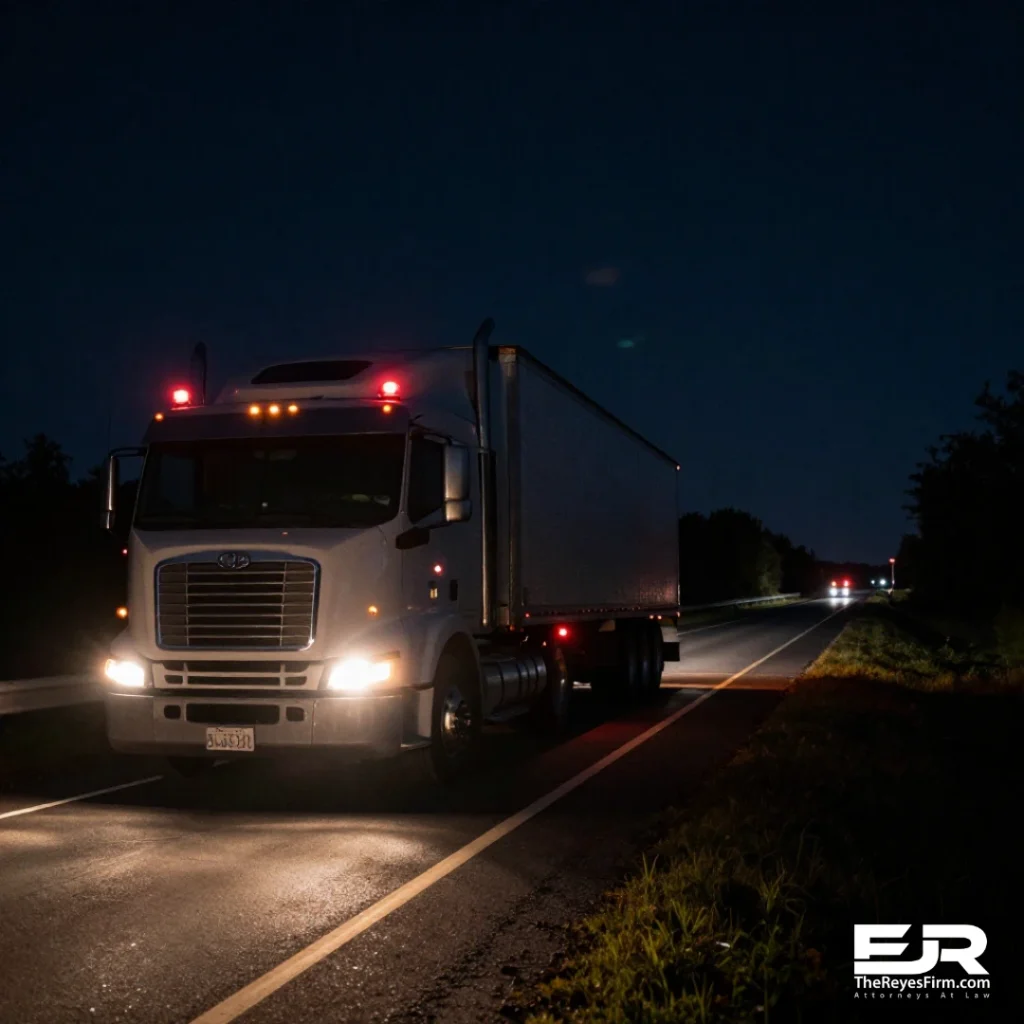
Reports state that a 19-year-old man from Tampa died after his vehicle struck a semi-truck tractor that was stopped on the emergency shoulder of southbound I-75 in Sumter County. The crash was reported around 5:18 a.m., near milepost 321, and the semi-tractor was reportedly stopped due to mechanical issues, according to troopers.
In the early days of a serious crash, it is normal for families to want answers fast. Still, it is important to separate what is confirmed from what is assumed. In commercial vehicle cases, the full story often takes time because the investigation may involve vehicle condition, safety equipment, visibility, and company procedures.
Map reference: I-75 Exit 321 (SR 470) in the Lake Panasoffkee area (Sumter County).
Why shoulder collisions with semi-trucks are so dangerous
A shoulder can look like a “buffer zone,” but on a busy interstate, it can be one of the most dangerous places to be.
Here is why shoulder crashes involving commercial vehicles often lead to severe outcomes:
- High speeds nearby: Traffic is still moving at highway speeds, even a few feet away.
- Low reaction time: A driver who drifts toward the shoulder may have seconds to correct.
- Low visibility at night or early morning: Headlights, glare, fog, rain, and curves can hide a stopped vehicle.
- Mass and height differences: A semi-tractor is heavier and taller than most passenger cars, which increases crash forces.
Shoulder crashes also raise important questions that do not come up in a normal fender bender, such as whether proper warning devices were used and whether the truck could have been moved farther off the roadway.
What to do right away after an I-75 semi truck crash in Lake Panasoffkee
In the first minutes and hours, the goal is simple: protect people first, then protect information.
1) Call 911 and get to safety
If it is safe to do so:
- Move out of traffic lanes and away from the shoulder edge.
- Turn on hazard lights.
- Tell 911 there is a commercial vehicle involved and describe any injuries.
If anyone feels dizzy, confused, or has neck or back pain, it is safer to stay still and wait for help.
2) Get checked by a medical professional
Many injuries show up later, especially head, neck, and back injuries. People often feel “okay” at the scene and then wake up the next day with severe symptoms.
Medical care also creates a record linking the injury to the crash, which is important in any insurance or legal claim.
3) Take photos and video if it is safe
If someone can do it safely, they should document:
- Vehicle positions and damage
- Skid marks, debris, and the shoulder area
- Lighting and visibility conditions
- Any commercial markings (company name, USDOT number, trailer number)
- Whether warning devices are present (reflective triangles, hazard lights)
Even 10 clear photos can make a major difference later.
4) Get witness information
Witnesses can provide details that drivers cannot always see, such as:
- Whether the semi was visible from a distance
- Whether warning devices were set out
- Whether another vehicle forced someone onto the shoulder
- Whether the passenger vehicle drifted or swerved
Names and phone numbers matter. A short note on a phone is enough.
5) Be careful with recorded statements
Insurance companies sometimes request a recorded statement promptly. After a traumatic event, people may inadvertently misstate or phrase something poorly.
A safer response is:
- “Medical care is the priority. A statement will be provided later.”
Florida’s PIP rule and why the first 14 days matter
Florida is a no-fault state for many crashes, which means Personal Injury Protection (PIP) may help cover medical costs and lost wages, regardless of fault.
One key rule is the 14-day requirement. In many cases, a person must receive medical services within 14 days to be eligible for PIP benefits.
This does not mean someone should panic. It means they should not “wait it out” if symptoms are present. Even a simple evaluation can help protect both health and benefits.
What makes commercial vehicle cases different from normal car crashes
A crash involving a semi-tractor is rarely “just two drivers.” It often involves a company, insurance teams, and layers of documentation.
Commercial vehicle cases may involve:
- Maintenance and inspection records
- Driver logs and scheduling records
- Training and safety policy materials
- Onboard technology and event data
- Dispatch communications
This matters because the cause of the semi-truck crash in Florida may relate to more than what happened in the final seconds on the road.
Evidence that matters in a semi-truck shoulder collision
In a shoulder collision, the most important evidence often disappears quickly.
Here is what should be preserved when possible:
Scene evidence
- Photos and video
- Road conditions, lighting, and shoulder width
- Placement of vehicles after impact
- Debris fields and skid marks
Truck safety evidence
- Hazard lights use
- Reflective triangle placement
- Other warning steps used at the scene
- Whether the vehicle was fully on the shoulder or partially in a travel lane
Mechanical issue evidence
Since reports indicate mechanical issues were involved, the truck’s condition becomes a key part of the investigation.
This can include:
- Prior repair history
- Inspection reports
- Whether the issue could have been detected earlier
- Whether proper procedures were followed when the vehicle stopped
Digital evidence
- Dash cam footage
- Nearby business or traffic camera video
- Data from vehicle systems, when available
A delay can mean footage is overwritten or records become harder to obtain.
Who can be held responsible after an I-75 semi truck crash in Lake Panasoffkee
Liability is fact-specific. It is not responsible to assume fault without evidence. Still, it is helpful for families to know that responsibility in a commercial vehicle and semi-truck crash may involve multiple parties, such as:
- The truck driver, depending on the safety steps taken on the shoulder
- The trucking company, depending on policies, training, or dispatch pressure
- A maintenance provider, if repairs or inspections were not handled properly
- Another driver, if their actions contributed to the chain of events
Florida also uses a modified comparative fault rule in many negligence cases under Florida Statutes § 768.81. In general, if a person is found to be more than 50% at fault for their own harm, they may be barred from recovering damages in that negligence action.
That is one reason careful investigation and clear documentation matter.
Common injuries after a shoulder collision with a commercial vehicle
Even when the crash looks “simple” from the outside, the body can absorb extreme force.
Common injuries after a semi-truck crash include:
- Concussion and head injury symptoms (headache, nausea, confusion)
- Neck and back injuries (including disc problems)
- Chest and rib injuries from seatbelts
- Shoulder and arm injuries from bracing
- Fractures and deep bruising
- Emotional effects like panic, sleep trouble, and fear of driving
If a person’s pain worsens over time or symptoms interfere with work, sleep, or movement, it should be evaluated and documented.
Insurance pitfalls families should avoid
After a serious crash, families are often exhausted. That is when mistakes happen.
Here are common pitfalls:
- Waiting too long for medical care
- Giving recorded statements while still confused and stressed
- Signing releases too early
- Letting the vehicle be repaired or totaled before photos are taken
- Posting detailed opinions about fault on social media
A simple rule helps: document first, speak carefully, and get guidance before signing anything.
Wrongful death basics in Florida for grieving families
When a crash leads to a death, families often feel pressure to “handle everything” quickly. But legal deadlines still apply, even when grief is fresh.
In Florida, wrongful death claims generally have a two-year statute of limitations.
Families do not need to have every detail figured out on day one. Still, early legal guidance can help preserve evidence and protect options while the family focuses on funeral arrangements and emotional survival.
How to get the Florida crash report and why it matters
The Florida crash report is not the “whole story,” but it is often the first official document that helps families make sense of what happened. It is usually written by the investigating agency soon after the crash and can help confirm basic details needed for medical, insurance, and legal next steps.
A crash report can help identify:
- The investigating agency (for example, Florida Highway Patrol or a local law enforcement agency), which tells families who to contact for updates or questions.
- Vehicle and driver information, including the parties involved and basic vehicle details.
- Witness names and contact information, which can be critical if someone saw what happened and later needs to provide a statement.
- Initial observations about the scene, such as the roadway location, weather conditions, the lane or shoulder area involved, and the officer’s first notes about what they observed.
It is also important to understand what a crash report does not always include. Early reports are written under time pressure and may be based on limited information from the scene. That means the report can be incomplete or may change as more evidence becomes available.
A thorough investigation may uncover additional facts not captured in the first report, such as:
- Video footage from traffic cameras or nearby businesses
- More detailed witness accounts that were not available at the scene
- Commercial vehicle records, like maintenance history, inspection records, or driver logs
- Physical evidence analysis, including measurements, visibility conditions, and crash reconstruction findings
For families, the main takeaway is simple: the crash report is an important starting point, but it should not be treated as the final word, especially in a serious commercial vehicle crash.
FAQs About a Semi-Truck Shoulder Crash
What should someone do right after a semi-truck crash in Florida?
They should prioritize medical care, call 911, document the scene if it is safe, collect witness contact information, and avoid recorded statements until they have clarity and support.
What causes most semi-truck accidents?
Many semi-truck crashes involve a mix of factors like driver inattention, fatigue, speed, following too closely, unsafe lane changes, weather, and equipment or maintenance issues. The true cause is determined through evidence, not assumptions.
What are the top 3 causes of semi-truck accidents?
Across many investigations, three common categories show up:
- Driver fatigue or distraction
- Speed, unsafe lane changes, or following too closely
- Equipment problems and maintenance failures, especially brakes and tires
How many semis crash a year?
In Florida, commercial motor vehicle crashes totaled 46,651 in 2024, and those crashes involved 315 fatalities, based on FLHSMV’s “By the Numbers” report (noted as preliminary).
For context, FLHSMV also reported 381,210 codable crashes statewide in 2024 and 3,184 total traffic deaths.
Even with statewide numbers, each case still comes down to what caused the crash and what evidence supports responsibility in that specific situation.
Are semis safer than cars?
For the truck driver, the size and structure can provide greater protection against certain impacts. For people in passenger vehicles, the risk is often higher due to differences in size and weight. Safety depends on the crash type and the occupants of each vehicle.
How can someone get a copy of the Florida crash report, and how long does it take?
Crash reports are typically requested through official Florida channels once processed, and availability can take several days. If a family is unsure which agency holds the report or how to request it, a commercial vehicle and truck accident attorney can help.
How Can The Reyes Firm Help You
A shoulder collision with a commercial vehicle is not a “simple claim.” It can involve rapidly evolving evidence, commercial insurance teams, and technical questions about safety procedures and mechanical issues. Reports on this incident indicate that the semi-tractor was stopped on the shoulder due to mechanical issues, underscoring the importance of evidence preservation.
The team at The Reyes Firm can help by:
- Taking pressure off the family by handling insurer communication
- Helping protect key evidence before it disappears
- Guiding medical documentation and claim strategy
- Investigating liability in a way that looks beyond surface assumptions
- Pursuing full compensation when the law allows, including wrongful death claims when a family is grieving
Address: 4730 N. Habana Ave., Suite 201, Tampa, FL 33614
Phone: 833-4 BAD DAY
Had a bad day?