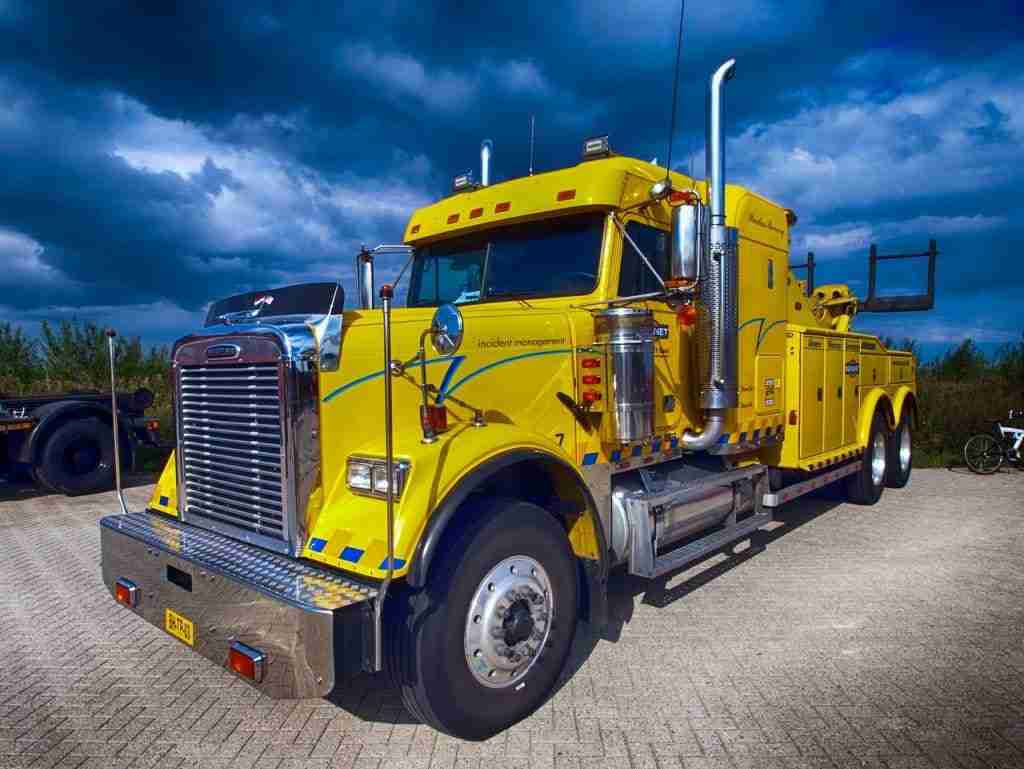
When driving on highways, it’s essential to understand the dynamics of large trucks and their tendency to lose speed under various conditions. This knowledge not only aids in safe driving practices but also helps avoid potential hazards when large vehicles struggle to maintain their speed. Understanding these factors can significantly enhance road safety for all drivers.
Understanding Why Large Trucks Lose Speed
Large trucks will likely lose speed due to several inherent characteristics, notably their weight. Unlike smaller vehicles, large trucks require more accelerated time, especially when loaded to their maximum weight limits. The significant mass of these trucks means they are heavily impacted by gravitational forces, especially when navigating inclines. This results in a speed reduction that drivers must be aware of, particularly when going up long or steep hills. Monitoring speed in hilly terrains is crucial for truck drivers to avoid creating hazards.
The Impact of Weight on Acceleration
The acceleration of large trucks is heavily influenced by their weight, with trucks being more affected than smaller vehicles. When driving uphill, the truck driver must contend with the truck’s weight and the force of gravity. This dynamic can result in a noticeable reduction in speed, particularly when going up long steep hills. The heavier the load, the harder it is for the truck to gain speed, making it essential for drivers to adjust their following distance accordingly, especially in traffic.
How Engine Power Affects Speed
Engine power is critical in determining how large trucks maintain their speed. While designed with powerful engines capable of hauling heavy loads, even these robust engines can struggle on steep inclines. Mechanical issues, such as problems with the fuel system or airflow, can further restrict engine performance, leading to a loss of speed even on flat roads. Regular maintenance ensures the truck’s engine functions optimally, allowing drivers to navigate highways safely and efficiently.
Common Conditions That Cause Speed Loss
Several common conditions can lead to large trucks losing speed and potentially causing a hazard. Long or steep hills, gradual curves, and even the need for braking on descents can significantly impact a truck’s ability to maintain speed. Adverse weather conditions, such as rain or snow, can exacerbate these situations, making it harder for trucks to control their speed. Additionally, driver-related factors such as distractions and fatigue need to be managed to prevent further loss of speed and enhanced risk of collisions.

Critical Road Conditions That Affect Large Trucks
Going Up Long Steep Hills
When large trucks are likely to lose speed while going up long, steep hills, they face considerable challenges that can create hazards on the road. The force of gravity restricts the truck’s engine power, making it exceedingly difficult to maintain speed. This situation can lead to frustration among drivers in smaller vehicles who may not anticipate the slower pace of trucks. Consequently, truck drivers need to exercise caution and communicate their intentions clearly to ensure safe navigation through these inclines. Proper training and awareness are essential to mitigate risks in such scenarios.
Driving Down Long Steep Hills
On the contrary, when descending long, steep hills, large trucks must manage their speed carefully to avoid losing control. While gravity can assist in accelerating downhill, it also poses a significant risk if the truck’s braking system overheats or fails. Truck drivers must be vigilant, using engine braking techniques to maintain control and prevent accidents. Understanding the capabilities of their truck’s braking system is vital for drivers to navigate these steep descents safely, thus avoiding hazardous situations that could lead to collisions.
Gradual Hills and Their Effects
Even gradual hills can impact the speed of large trucks, though the effect may be less pronounced than with steep inclines. However, these slight elevation changes can still cause a speed reduction, particularly when trucks are heavily loaded. On gradual hills, large trucks are likely to lose speed and need help to accelerate efficiently, which can disrupt traffic flow. This is especially critical on single-lane roads where passing opportunities are limited. Awareness of these conditions is crucial for both truck drivers and other motorists to ensure a safe driving experience.
Hazards Associated with Speed Loss
Potential Risks on Highways
The loss of speed in large trucks can create severe hazards on highways. When trucks slow down unexpectedly, vehicles driving behind a large truck may not be prepared for the sudden change in speed, which could lead to rear-end collisions. Furthermore, slower trucks can disrupt the overall traffic flow, causing congestion and increasing the likelihood of accidents. Therefore, truck drivers need to maintain a safe speed and remain aware of their surroundings to minimize these risks and ensure smooth traffic conditions on the highway.
Impact on Other Drivers
The repercussions of large trucks losing speed extend to other vehicles on the road. Drivers may feel frustrated when encountering a slow-moving truck, leading to aggressive behaviors such as tailgating or risky overtaking attempts. This aggressive driving can increase the risk of collisions and create a hazardous environment for all road users. All drivers must remain patient and communicate effectively, fostering a safer driving atmosphere where everyone can navigate the roads without fearing accidents caused by speed loss.
Waiting for Your Help: When to Assist
When a large truck struggles to maintain speed, other drivers should exercise caution and patience. Suppose a car is having difficulty on an incline or in adverse conditions. In that case, avoiding aggressive maneuvers and providing ample space for the truck to navigate safely is crucial. It may benefit drivers to assist by offering a clear path for the car to merge or pass. Understanding the appropriate times to provide help can significantly reduce the risk of accidents and promote smoother traffic flow, particularly in challenging driving conditions.
Strategies for Drivers of Large Trucks
How to Manage Speed on Steep Inclines
Managing speed on steep inclines is crucial for large truck drivers. It is essential to approach such hills with a strategy that includes downshifting to lower gears to utilize engine braking effectively. This technique helps control speed without over-relying on the brakes, which can overheat and fail. Additionally, drivers should be aware of their load and adjust their speed accordingly, ensuring they do not exceed the recommended limits for their vehicle. Regular training on handling steep inclines can enhance safety and performance.
Best Practices for Navigating Gradual Curves
Large truck drivers should maintain a steady speed when navigating gradual curves and avoid sudden steering movements. It is advisable to slow down before entering the curve and to use the truck’s weight to its advantage by steering smoothly throughout the turn. Being mindful of the truck’s wider turning radius is essential to avoid encroaching into adjacent lanes or off the road. Additionally, maintaining a safe distance from other vehicles can prevent collisions and allow for safe maneuvering through curves.
Using Acceleration Lanes Effectively
Using acceleration lanes effectively is vital for large truck drivers to merge safely into traffic. Drivers should accelerate before entering the lane and aim to reach the traffic speed before merging. It is essential to signal intentions well in advance and to check blind spots carefully. Maintaining a steady speed and avoiding abrupt changes can help ensure a smooth transition onto the highway, reducing the risk of accidents. Awareness of the truck’s size and the space required to merge safely is critical for successful navigation.
Expert-Verified Answers to Common Questions
What Should Drivers Be Aware Of?
Drivers should know the specific challenges of operating large trucks, particularly speed management. This includes understanding the effects of weight, engine power, and road conditions on speed. Awareness of the truck’s limitations, especially in hilly or adverse weather conditions, is crucial for safe driving. Additionally, drivers should be mindful of their speed’s impact on other road users and prioritize safe driving practices to mitigate risks.
How Do DMV Regulations Address These Issues?
DMV regulations address issues related to large trucks and speed management through specific licensing requirements and safety regulations. Drivers of large trucks must obtain a Commercial Driver’s License (CDL), which includes training on handling large vehicles, understanding weight limits, and navigating various road conditions. These regulations also emphasize the importance of vehicle maintenance and safety checks to ensure that trucks are roadworthy. Compliance with these regulations helps reduce the risks of large trucks losing speed.
In an accident with a commercial truck? Call a Commercial Vehicle Accident Attorney now!
What Resources Might Drivers Be Interested In?
Drivers may find various resources helpful in improving their knowledge and skills in large truck operations. These resources include training programs focused on safe driving practices, maintenance guidelines, and information on navigating different road conditions. Additionally, state DMV websites often provide valuable information on regulations, licensing requirements, and safety tips. Professional organizations also offer resources, including workshops and seminars, to help truck drivers stay informed and enhance their driving capabilities.