Motorcycle accidents are an unfortunate reality of life on the road. While the exciting thrill of riding is unmatched, the risks can sometimes outweigh the rewarding experience. When an accident happens, knowing what to do after a motorcycle accident is essential to safeguarding your well-being, legal rights, and financial security.
In this guide, we’ll explain the critical steps to take immediately following a crash and how a motorcycle accident lawyer can provide invaluable support in navigating the challenges of such incidents.
Let’s get straight to the point.
Immediate Actions: What to do After a Motorcycle Accident?
Prioritize Safety
Your priority after a motorcycle accident should always be ensuring your safety. Practicing motorcycle accident safety begins with moving to a secure location, away from traffic and any potential hazards. While this may seem obvious, it can be challenging to remember in the shock of the moment. Take a breath and focus—your safety is the most critical factor.
Stay Calm and Assess the Situation
Feeling overwhelmed after an accident is natural, but staying calm can make all the difference. Take a moment to assess your surroundings, your injuries, and the condition of anyone else involved.
This clarity will help you make better decisions about what to do next.
Call Emergency Services
Once you’ve moved to safety, dial 911 or your local emergency number. The appropriate contact information for Tampa residents is on the Tampa Police Department’s contact page.
Be ready to provide the dispatcher with clear and accurate details, including:
- Your location.
- The number of people involved.
- The severity of injuries.
- Any hazards, such as spilled fuel or debris.
Reporting the accident to law enforcement is a critical step for several reasons:
- Legal Documentation: A police report provides an official record of the incident.
- Insurance Claims: Many insurers require a police report to process claims.
- Accident Investigation: Law enforcement can investigate and help establish fault, which may be crucial later.
This step ensures that the accident is documented and accounted for properly.
Seek Medical Attention
Even if your injuries appear minor, seeking medical attention promptly is essential. After a motorcycle accident, some injuries—like internal trauma or concussions—may not show immediate symptoms but can worsen over time.
Common injuries to watch for include:
- Road Rash: Painful abrasions caused by contact with the pavement.
- Fractures: Broken bones, typically in the arms, ribs, or legs.
- Head Trauma: Concussions or more severe brain injuries that may require immediate care.
Prompt medical evaluation ensures your health and safety and provides documentation of your injuries, which can be crucial if you need to file an insurance claim or pursue legal action.
By following these steps, you’ll be better prepared to handle the aftermath of a motorcycle accident while protecting your rights and ensuring your recovery.
Gathering Evidence
Document the Scene
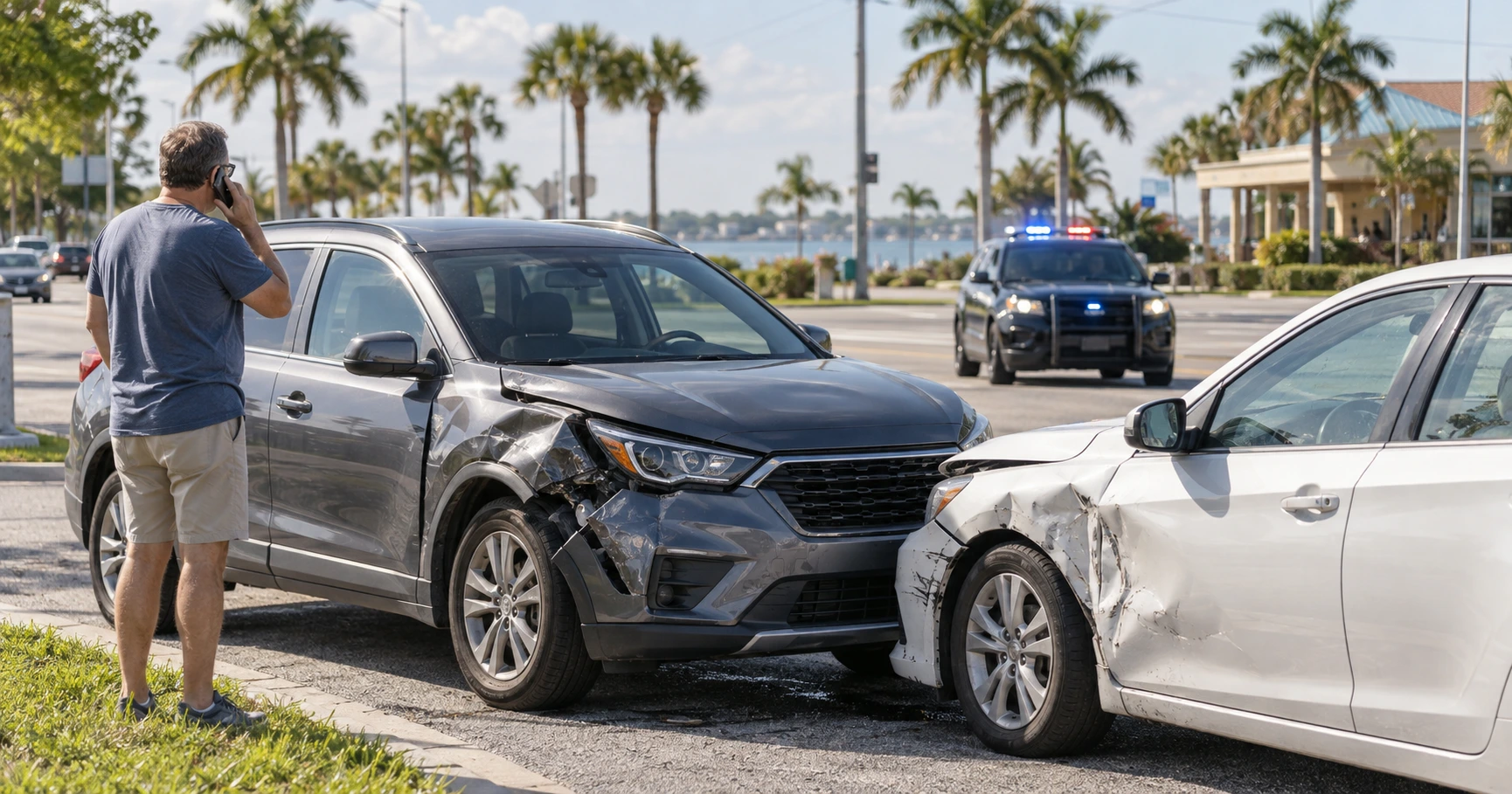
Motorcycle accident documentation is crucial for building a solid case. Take clear photos of the accident site, capturing:
- Damage to Your Motorcycle: Photograph the damage to your motorcycle from all angles.
- Damage to Other Vehicles: Document any damage to other vehicles involved in the accident.
- Road Conditions: Capture the road surface, any debris, or hazardous conditions that may have contributed to the accident.
- Injuries: If safe, take photos of any visible injuries to yourself or others involved.
Collect Witness Information
Witnesses can give valuable firsthand accounts of the accident. Gather the following information from any bystanders:
- Full Name
- Contact Information (Phone Number and Email Address)
- Brief Description of What They Saw
Obtain a Police Report
A police report is a vital piece of motorcycle accident evidence. It offers an official documentation of the accident, which includes:
- Date and Time of the Accident
- Location of the Accident
- Names of Individuals Involved
- Description of the Accident
- Information About Witnesses
- Diagram of the Accident Scene
To get a copy of the police report, you can:
- Contact the Local Police Department: Request a copy directly from the department that responded to the accident.
- File a Public Records Request: This is a formal request to obtain government records.
A police report can be crucial in supporting your motorcycle accident claims. It can help establish liability, determine fault, and support your insurance claim or personal injury lawsuit.
Legal and Financial Steps
Filing Insurance Claims
After an accident, motorcycle accident insurance can play a vital role in compensating you for damages. To file a claim with your insurance company, you’ll typically need to provide the following documentation:
- Police Report
- Medical Records
- Photos of the Accident Scene and Damaged Motorcycle
- Witness Statements
- Repair Estimates
Your insurance company will assess your claim and decide the extent of coverage. You must know your policy’s terms and conditions, including any deductibles or limitations.
Consulting a Motorcycle Accident Lawyer
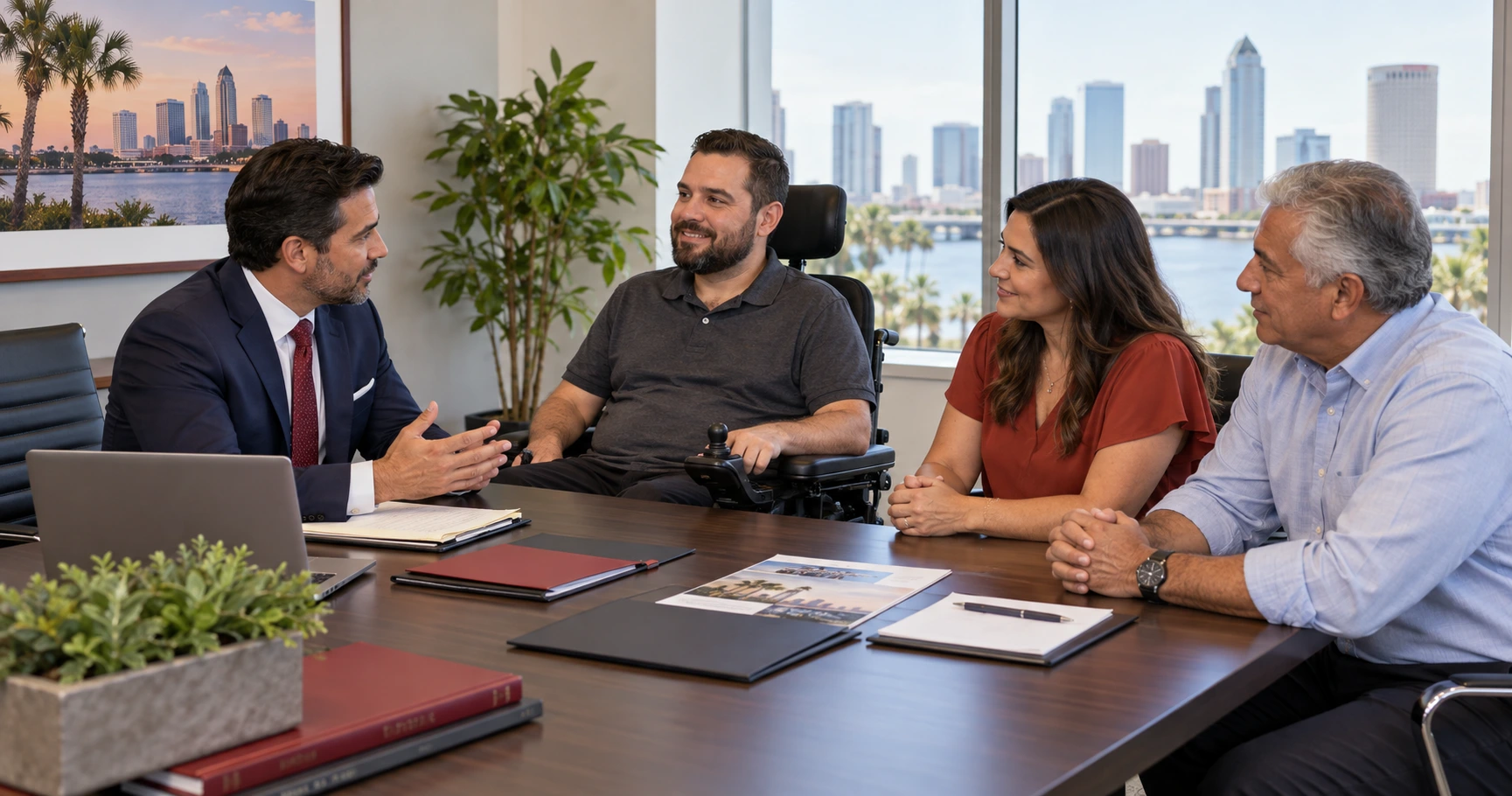
Hiring experienced motorcycle injury lawyers can significantly impact the outcome of your case. A lawyer can:
- Negotiate a Fair Settlement: They can negotiate with insurance companies to secure a fair settlement for your injuries, medical expenses, and property damage.
- File a Motorcycle Accident Lawsuit: If a settlement cannot be reached, your lawyer can file a lawsuit to pursue compensation through the legal system.
- Handle Legal Procedures: They can handle complex legal procedures, such as filing paperwork, gathering evidence, and representing you in court.
Understanding Your Legal Rights
Victims of a motor vehicle accident have various legal rights, including the right to:
- Fair Compensation: You may be entitled to compensation for medical expenses, lost wages, pain and suffering, and property damage.
- Legal Representation: You can hire an attorney to represent your interests.
- A Fair Trial: If your case goes to court, you have the right to a fair trial.
Addressing Financial Concerns
Motorcycle accidents can lead to significant financial burdens. Here are some strategies to manage these costs:
- Medical Expenses: Work with your insurance company to cover medical bills. If your insurance doesn’t fully cover the costs, explore options like Medicaid or Medicare.
- Motorcycle Repair or Replacement: If your motorcycle is damaged beyond repair, you may need to claim the loss from your insurance or pursue compensation through a lawsuit.
- Lost Wages: If your injuries prevent you from working, you may be eligible for workers’ compensation or disability benefits.
By understanding your legal rights and taking proactive steps to address financial concerns, you can more confidently navigate the aftermath of a motorcycle accident.
Emotional and Physical Recovery
Coping with Trauma
A motorcycle accident can be a distressing event, impacting both the body and the mind. Acknowledging and addressing the emotional impact to facilitate motorcycle accident recovery is essential.
Here are some strategies for coping with stress and anxiety:
- Practice Self-Care: Prioritize activities that promote relaxation, such as meditation, yoga, or spending time in nature.
- Maintain Social Connections: Connect with loved ones and friends for emotional support.
- Seek Professional Help: If you’re struggling to cope, consider seeking therapy or counseling. A mental health professional can provide tools and techniques to manage stress and anxiety.
Joining Support Groups
Joining a motorcycle accident support group can be incredibly beneficial. Reaching out to others who have gone through similar experiences can offer:
- Emotional Support: Sharing your experiences and emotions with those who relate can help reduce feelings of isolation.
- Practical Advice: Learn from others who have successfully navigated the recovery process.
- A Sense of Community: Building relationships with people with similar experiences can provide a sense of belonging.
Physical Recovery
The timeline for motorcycle accident injuries to heal varies depending on the severity of the injury. Common injuries, such as road rash, fractures, and head trauma, may require weeks or even months to recover fully.
To expedite the healing process, it’s essential to:
- Follow Medical Advice: Adhere to your doctor’s treatment plan, including medication and physical therapy.
- Prioritize Rest: Get enough sleep to allow your body to heal.
- Maintain a Healthy Diet: A balanced diet can boost your immune system and promote faster healing.
- Engage in Gentle Exercise: Consult your doctor for appropriate exercises to improve flexibility and strength.
Remember, motorcycle accident prevention is crucial. You can reduce the risk of accidents and injuries by wearing protective gear, following traffic laws, and riding defensively.
Common Questions Answered
What Not to Do After a Motorcycle Accident?
- Avoid Admitting Fault: Even if you think you may have been at fault, avoid making statements that could compromise your injury claim.
- Don’t Neglect Medical Care: Seek immediate medical attention, even for minor injuries. Delayed treatment can worsen conditions.
- Don’t Speak to the Insurance Adjuster Without Legal Representation: Insurance adjusters may try to gather information to minimize your claim. Speak with a lawyer before communicating with them.
What Injuries Are Most Common in a Motorcycle Accident?
The most common injuries resulting from motorcycle accidents include:
- Road Rash: Abrasions caused by sliding on the pavement.
- Fractures: Broken bones, especially in the limbs.
- Head Trauma: Concussions or other brain injuries.
What to Check After a Motorcycle Fall?
After a motorcycle fall, it’s essential to check for both personal injuries and damage to your motorcycle:
- Personal Injuries: Assess yourself for any signs of injury, such as pain, swelling, or bleeding.
- Motorcycle Damage: Examine your motorcycle for visible damage, including broken parts, leaks, or tire damage.
How Much Are Most Motorcycle Accident Settlements?
The value of a motorcycle accident settlement can differ significantly based on various factors, including:
- Severity of Injuries: More serious injuries usually lead to higher settlement amounts.
- Extent of Property Damage: The cost of repairing or replacing your motorcycle will impact the settlement.
- Lost Wages: If you miss work due to injuries, you may be compensated for lost income.
- Pain and Suffering: Non-economic damages, such as pain, suffering, and emotional distress, can significantly increase the settlement amount.
- Legal Fees: Legal fees can impact the net amount you receive from the settlement.
It’s essential to consult with a motorcycle accident lawyer to assess the value of your claim and negotiate a fair settlement.
Conclusion
Lastly, knowing what to do after a motorcycle accident can be overwhelming, but prompt and decisive action is essential. Following the steps outlined in this guide, you can protect your legal rights and maximize your chances of a successful recovery.
Remember, consulting a skilled motorcycle accident lawyer is essential. A knowledgeable attorney can help you navigate the complex legal process, negotiate with insurance companies, and fight for the compensation you deserve.
Reach out to The Reyes Firm today if you or someone you care about has been involved in a motorcycle accident. Our experienced attorneys are dedicated to helping victims obtain justice. Don’t wait—take action now.