Personal Injury Attorney in Florida | The Reyes Firm
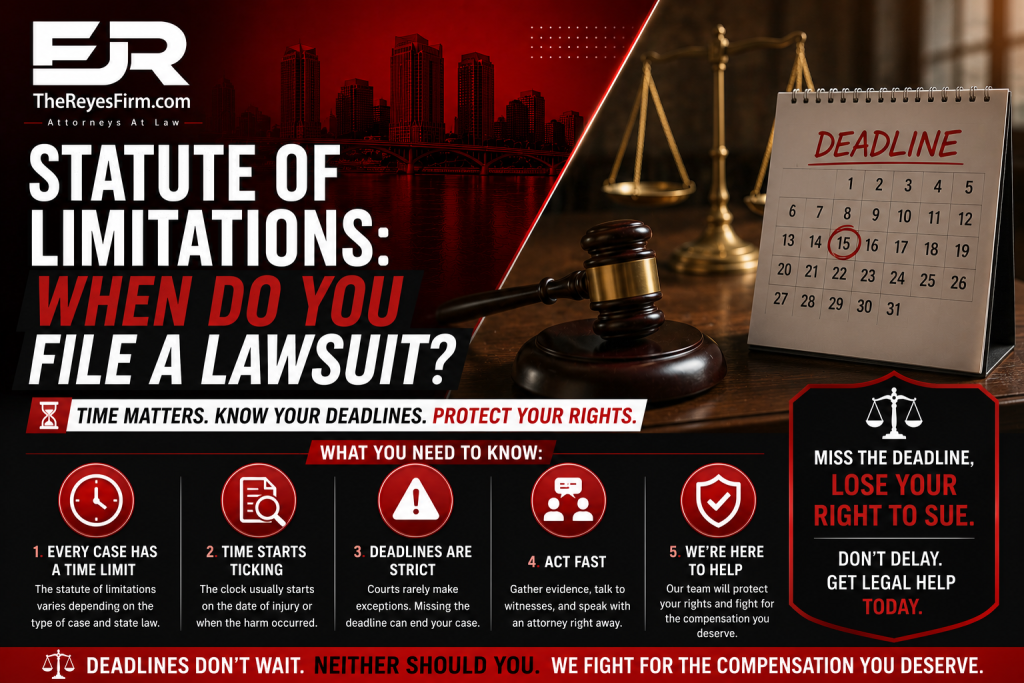
One careless driver, one unsafe property, one moment that wasn’t your fault, and suddenly you’re hurt, behind on bills, and facing an insurance company that does this every day. A Florida personal injury attorney exists to level that playing field. Here’s what one actually does and how the process works in Florida. TL;DR — QUICK SUMMARY A Florida personal injury attorney helps people who were hurt by someone else’s negligence recover compensation for their injuries, lost income, and suffering. Personal injury covers a wide range of cases, from car, truck, and motorcycle crashes to slip-and-falls, wrongful death, and catastrophic injuries like spinal cord and brain trauma. Florida is a no-fault state. Your own PIP coverage pays first up to $10,000, and you generally need to meet a serious-injury threshold to pursue the at-fault party for pain and suffering. Under Florida Statute § 768.81, your compensation drops with your share of fault, and you recover nothing if you’re found more than 50% at fault. You have two years from the date of injury to file a personal injury lawsuit under Florida Statute § 95.11(3)(a). Most reputable firms, including The Reyes Firm, work on contingency, so you pay nothing unless they recover for you. The Reyes Firm Injured by Someone Else in Florida? Find out what your personal injury claim may be worth. Had a bad day? Contact Us Now 2 Years Florida statute of limitations Fla. Stat. § 95.11(3)(a) $10,000 Florida PIP minimum coverage Fla. Stat. § 627.736 50% Fault bar to recovery in FL Fla. Stat. § 768.81 $0 Upfront cost on contingency Pay nothing unless you recover What does a Florida personal injury attorney do? A Florida personal injury attorney helps people who were hurt by someone else’s negligence get compensated for their injuries. That’s the core purpose: to give an injured person an advocate whose only priority is their interests, not the insurance company’s. In practice, that means investigating how the injury happened, gathering medical and other evidence, identifying who is responsible, dealing with insurers and their adjusters, valuing the full extent of the harm, and negotiating or litigating for a fair recovery. Most people don’t know what their claim is worth or what deadlines apply, and an attorney closes that knowledge gap. The injuries that lead people to a personal injury attorney range widely, from traumatic brain injuries, spinal cord injuries, and fractures to soft-tissue injuries and everything in between. What they share is that someone else’s carelessness caused harm that the injured person shouldn’t have to pay for. ⚠️ Deadline Warning: Under Florida Statute § 95.11(3)(a), you generally have two years from the date of your injury to file a personal injury lawsuit. Miss that deadline and you usually lose the right to recover anything. The sooner you talk to a lawyer, the easier it is to preserve evidence. What types of cases do Florida personal injury attorneys handle? Personal injury law covers any situation where someone is harmed by another party’s negligence, which is why the case types are so varied. The same legal principles apply whether the harm came from a vehicle, a property owner, or another source. Common Florida personal injury cases include car accidents, truck and commercial vehicle crashes, motorcycle and pedestrian accidents, slip-and-fall and other premises liability claims, spinal cord injuries, traumatic brain injuries, and wrongful death. The most serious of these often become catastrophic injury cases with lifelong consequences. Each case type has its own evidence, its own insurance considerations, and its own challenges, but all of them turn on proving that another party’s negligence caused your harm. Watch: Why hire a Florida personal injury attorney? In this short video, Tampa personal injury attorney Edward Reyes explains how a personal injury attorney levels the playing field against insurance companies after you’ve been hurt. If you’re not sure whether you have a case, The Reyes Firm offers a free case review to help you understand your rights. How does Florida law affect your personal injury claim? Florida law shapes nearly every personal injury claim, starting with the fact that Florida is a no-fault auto insurance state. Under Florida Statute § 627.736, your own Personal Injury Protection (PIP) coverage pays up to $10,000 in medical bills and lost wages regardless of who caused a crash. To pursue the at-fault party for pain and suffering in an auto case, your injury generally has to meet a serious-injury threshold. Fault matters too: under Florida Statute § 768.81, your compensation is reduced by your share of fault, and you cannot recover at all if you’re found more than 50% responsible. These rules give insurers tools to reduce or deny claims, which is a large part of why having an attorney matters. A lawyer who knows how Florida applies these statutes can push back on unfair blame and protect the value of your claim. 💡 Did You Know? Because Florida is a no-fault state, your own PIP coverage pays your first $10,000 in medical bills no matter who caused the crash, under Fla. Stat. § 627.736. But PIP rarely covers a serious injury in full, and it never pays for pain and suffering, which is where most disputes begin. What is your Florida personal injury claim worth? There is no single number, because the value of a personal injury claim depends on your specific losses. Two people in similar crashes can have very different claims based on the severity of their injuries and how those injuries change their lives. Claims are generally built from two categories of damages. Economic damages cover measurable losses like medical bills, future treatment, lost wages, and lost earning capacity. Non-economic damages cover pain and suffering, mental anguish, and loss of enjoyment of life. In cases of extreme misconduct, punitive damages may also apply, though those are limited. Insurers often start low, hoping you’ll accept before the full picture of your injuries is clear. A thorough valuation, backed by complete medical documentation, is what supports a fair recovery. 🛡️ Your Rights