
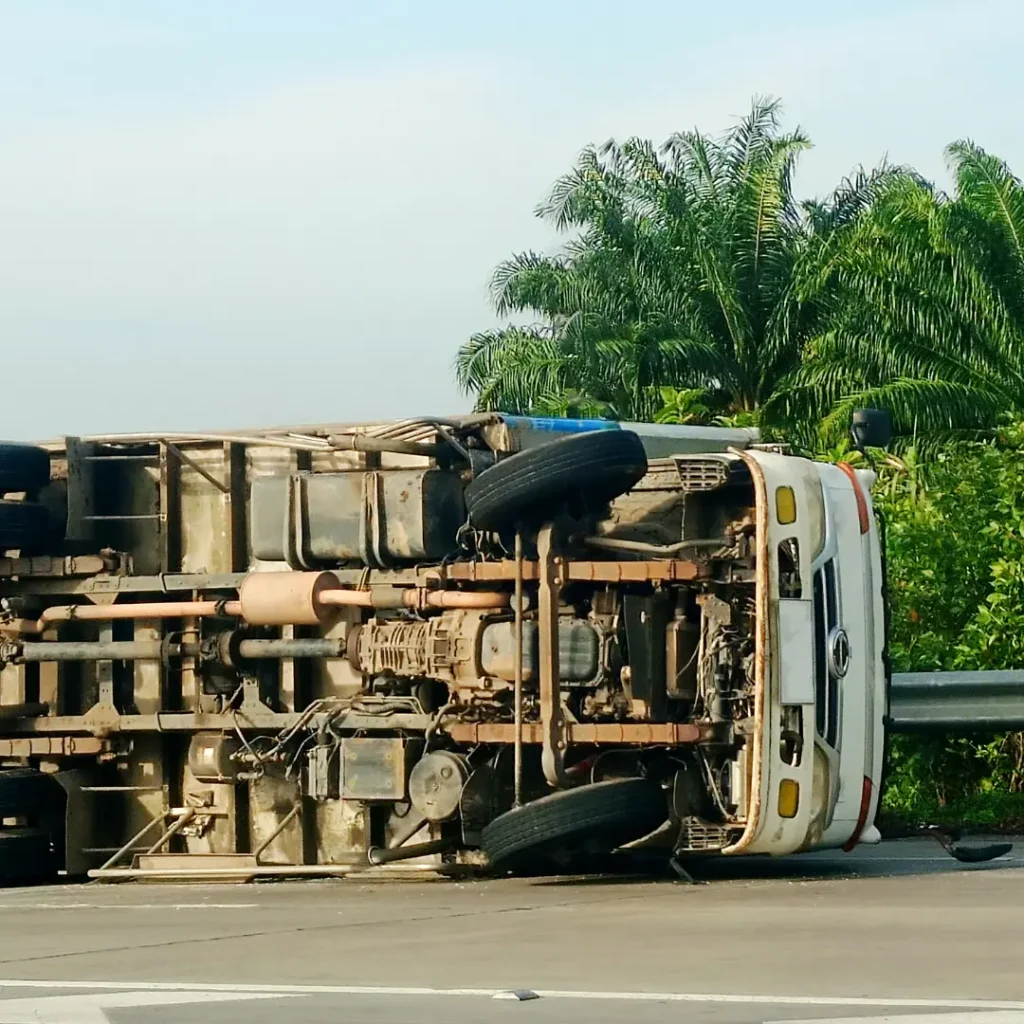
Overturned Semi Shuts Down I-295 Near I-10 in Jacksonville: What Injured Drivers Should Do Next
A crash with an overturned semi can feel like a scene from a movie, except it is real, it is loud, and people’s lives are suddenly at risk. One minute, the road is moving, and the next minute, all northbound lanes are blocked, cars are stopped bumper to bumper, and drivers are trying to figure out if they are safe, hurt, or about to be hit from behind. That is what makes an I-295 semi truck accident so dangerous. A semi-truck is heavy, tall, and hard to stop quickly. When it overturns, it can slide, spill cargo, or leave debris across multiple lanes. Even drivers who do everything right can get caught in a chain reaction. On January 29, 2026, reports in Jacksonville described an overturned semi that shut down all northbound lanes on I-295 near I-10, with injuries reported and hours of traffic disruption before lanes reopened later that day. For anyone hurt or shaken up by a wreck like this, the next steps matter because early choices can protect health, protect evidence, and protect a future claim. What happened in the Jacksonville I-295 semi truck accident near I-10 News reports described a crash involving an overturned semi-truck on I-295 near I-10 in Jacksonville that shut down all northbound lanes for several hours. Injuries were reported, and the driver of the semi was taken to the hospital with injuries described as non-life-threatening. Troopers also reported that metal beams were discarded onto the roadway, which is an important detail because roadway debris and cargo issues can become key evidence in a truck case. This kind of traffic shutdown usually means the crash was not minor. When a semi-truck overturns, emergency responders must manage injuries, secure the scene, address fuel or fluid hazards, coordinate towing, and clear debris. That creates a fast-moving situation where evidence can disappear quickly unless someone knows what to preserve. This incident was reported on I-295 near the I-10 interchange in Jacksonville, Duval County. Map: I-295 at I-10 interchange, Jacksonville (Duval County), Florida. Why is an overturned semi more dangerous than a normal crash A typical fender bender is usually one lane, two cars, and damage that stays in a small area. A semi rollover is different because the truck’s weight and size can affect the entire roadway. Here is why injuries tend to be more serious in a rollover truck crash: More force at impact. A semi can weigh many times more than a passenger car, so the force transfer is larger even at lower speeds. More vehicles are involved. Sudden stops on I-295 can cause rear-end crashes following the initial collision. Debris and cargo hazards. When items spill or metal beams end up in lanes, drivers can hit them, swerve, or lose control. Longer emergency response and cleanup. Spending more time at the scene can increase the risk of secondary crashes as drivers approach a blocked interstate. For drivers and families, the main point is simple: a semi-rollover often creates hidden injury risks and complex legal issues. That is why the response should be calm, careful, and focused on protecting the basics. Step 1: Protect health first, even if the pain feels small After an I-295 semi truck accident, many people say they “feel okay” at the scene. Then symptoms show up later that day or in the next few days. This happens because adrenaline can hide pain, and swelling can take time. Common delayed symptoms people should not ignore A person should get checked if they notice: Headache, dizziness, nausea, or confusion Neck pain, back pain, stiffness, or sharp shooting pain Numbness, tingling, or weakness in arms or legs Shoulder, hip, or knee pain that gets worse after resting Trouble sleeping, nightmares, or panic when driving Brain fog, memory problems, or trouble focusing Why early medical care helps both health and the claim Medical care is not just about paperwork. It helps doctors spot injuries early and create a treatment plan. It also establishes a clear timeline linking injuries to the semi-truck crash. Insurance companies often look for gaps in treatment and then argue the injury was not serious or was caused by something else. If a person is taken to the hospital, they should keep copies of discharge paperwork, follow-up instructions, and prescriptions. If they were not taken to the hospital, they should still consider urgent care or a doctor visit, especially after a major truck rollover on a high-speed interstate. Step 2: If it is safe, document the scene before everything changes In a major interstate semi-truck crash, vehicles are often moved quickly, and debris is cleared. That is good for safety, but it can erase key details. What photos and videos should capture? If it is safe and the person is not seriously injured, documentation can include: The position of vehicles (if visible before towing) Damage to all sides of the vehicle, not just the obvious dent The roadway, including skid marks, gouges, and debris patterns Any spilled cargo or objects in the lanes Nearby signs that show location, such as “I-295,” “I-10,” mile markers, and exits Weather conditions and lighting, especially early morning visibility If troopers mention debris, such as metal beams, on the roadway, photos of the debris and where it landed can be important later, as they can help explain how secondary impacts occurred. Witness information matters more than people realize Witnesses leave fast after a highway crash. If someone saw the semi drift, tip, strike a barrier, or spill debris, their statement can help prove what really happened. A person should try to get: Name Phone number A short note about what they saw Step 3: Get the Florida crash report and keep the right records Many people do not know where to obtain the official report or what to save. After a truck crash, good record-keeping can reduce stress later. Where crash reports usually come from In Florida, crash reports are commonly requested through the Florida Crash Portal. People often need the report number, date,