February 23, 2026

what to do if it's your fault in a truck accident
Blog

What to Do If It’s Your Fault in a Truck Accident (Semi-Truck Accident Lawyer Explains)

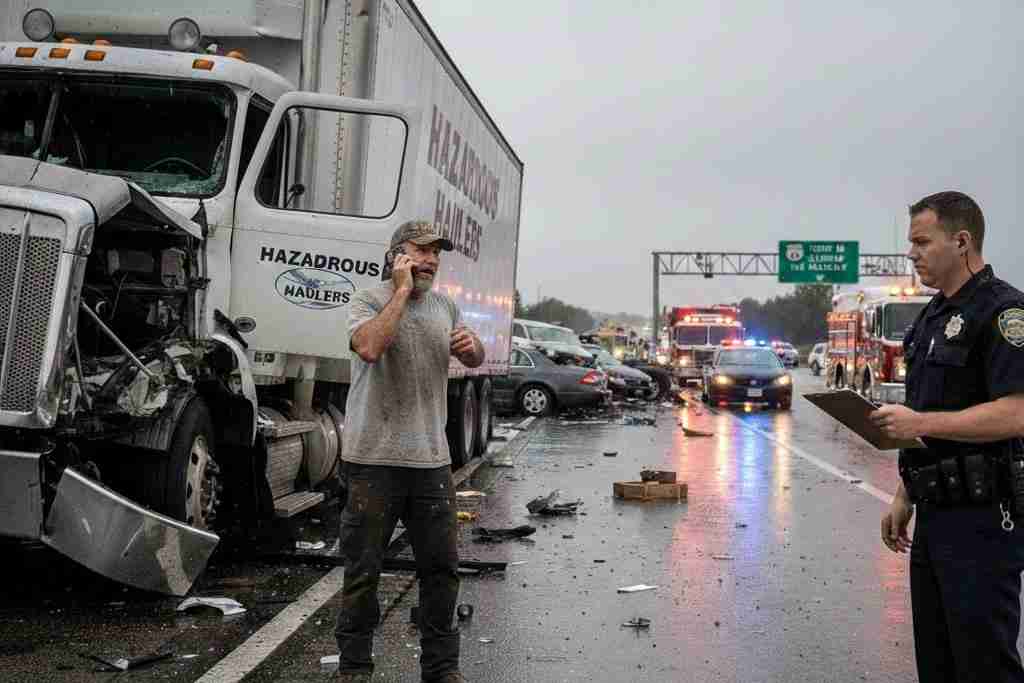
Accidents involving semi-trucks can be frightening, confusing, and stressful for everyone involved. If you’re wondering what to do if it’s your fault in a truck accident, the most important thing is to stay calm and avoid making quick statements that can be used against you later. In the moments after a crash, it’s easy to feel pressured, miss key details, or assume blame before you actually know what happened. Truck accidents are different from typical fender benders, especially on Florida highways where commercial traffic is constant. Injuries are often more serious, vehicle damage can be extensive, and trucking companies usually have large insurance policies and teams that respond fast. That means the legal and financial consequences can grow quickly if you don’t protect yourself from the start. Even if it seems like you caused the crash, fault is rarely that simple. Blind spots, mechanical failures, unsafe loading, poor road conditions, and driver fatigue can all contribute. This article breaks down the steps to take immediately after a truck accident, how liability is determined, and how to defend yourself if the other side insists you’re at fault. The First Step: Don’t Admit Fault, Even If You’re Unsure It’s common for emotions to run high after an accident, and it’s natural to feel guilty or pressured to admit fault. However, never admit fault at the scene of the accident, even if it seems like the right thing to do. The reasons behind an accident are not always immediately clear, and making such a statement can hurt your case later. In Florida, as in many other states, liability in a truck accident is not always straightforward. Multiple factors might contribute to the crash, such as poor road conditions, mechanical failure, or the negligence of the truck driver or the trucking company. What may seem like your fault at first glance could be the result of a different issue. Instead of admitting fault, it’s best to remain calm, exchange necessary information with the other party, and collect as much evidence as possible. Remember, it’s essential to gather evidence at the scene. This includes taking photos of the accident site, getting contact details from witnesses, and noting down information about the truck driver, such as their license plate, insurance details, and the truck’s identification number. This evidence could help clear up confusion about who caused the accident and protect your interests if the other side tries to hold you responsible. The Role of Insurance and Police Reports Once the accident scene is cleared and everyone involved is safe, insurance companies and police reports will play a significant role in determining liability. The insurance company of the trucking company or the driver will typically investigate the incident, and so will your insurance company. The police report from the accident scene is one of the most crucial documents for proving fault. Officers will assess the situation and record details about what happened, including statements from both parties involved and any witnesses. If the police report states that the accident was caused by the truck driver or the trucking company, this can be a critical factor in your favor. On the other hand, if the report appears to place some of the blame on you, don’t panic. It’s important to have legal counsel review the report to ensure that all the facts are properly represented. The Importance of Legal Help Hiring an experienced semi-truck accident lawyer can make a huge difference in your case, especially when the other side claims it’s your fault. A truck accident lawyer understands the complex nature of these types of cases, including federal trucking regulations, company policies, and how to prove negligence. They’ll be able to help you gather crucial evidence, speak to witnesses, and ensure that your side of the story is accurately portrayed. What to Do if It’s Your Fault in a Truck Accident If the other side claims it’s your fault in a truck accident, and you have reason to believe that might be the case, there are several steps you can take to protect yourself and your interests. Contact an Experienced Lawyer Right Away When dealing with a truck accident, it’s always advisable to have an attorney on your side. This is especially important if the other side is claiming you were at fault. A lawyer who specializes in semi-truck accidents can help investigate the case, gather evidence, and build a strong defense. They will know the ins and outs of trucking laws and can challenge unfair blame placed on you. Don’t wait until things get complicated; get legal help early on to make sure your rights are fully protected. Know Your Rights and Responsibilities As a driver, you have specific legal responsibilities. It’s important to understand these responsibilities fully and know what is expected of you. Depending on the situation, if the accident was partially your fault, Florida operates under a comparative negligence rule, meaning that you may still be entitled to compensation even if you share part of the blame. However, this can be a complicated process, and working with a knowledgeable attorney is key to ensuring you get the compensation you deserve. Review Your Insurance Policy Your auto insurance policy may also come into play, particularly if the other side is alleging that the accident was your fault. In Florida, personal injury protection (PIP) insurance is mandatory, but depending on the severity of the accident, you may need to work with the trucking company’s insurance or your own insurer to resolve the claim. Understanding how your policy works can help you navigate the financial implications of the accident more effectively. Gather Evidence and Witness Testimony When the other party says it’s your fault, evidence will be your best defense. Gather photos, videos, and witness testimony to support your claim. This can include dashcam footage, photographs of the accident scene, damage to the vehicles, and statements from individuals who saw the accident happen. The more evidence you have, the stronger your case will be. Stay Calm
Truck crash involves a lease or owner-operator
Blog, Truck Accidents

When a Truck Crash Involves a Lease or Owner-Operator (Semi-Truck Accident Lawyer Guide)

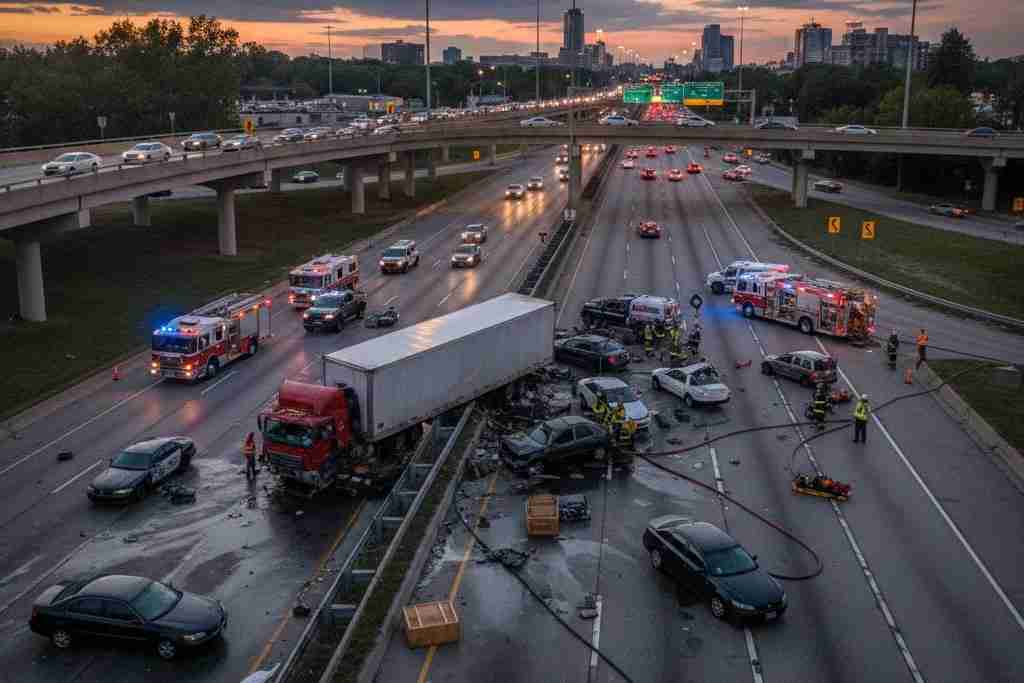
Truck accidents are some of the most damaging crashes on the road, often leaving people with serious injuries, major property loss, and months or years of fallout. Things get even more complicated when a truck crash involves a lease or owner-operator arrangements instead of a company-owned rig. In those cases, liability and insurance coverage aren’t always obvious, and more than one party may share responsibility. For construction professionals, real estate developers, and architects, this matters more than you might think. Projects often rely on deliveries, subcontractors, and heavy vehicles moving in and out of job sites. If a leased truck or owner-operator is involved in a crash during a project, it can create delays, insurance disputes, and legal headaches that impact budgets and timelines. Florida law has specific rules that can affect who pays and who gets blamed, especially when the driver is an independent contractor or the truck is leased under a contract with a motor carrier. Add federal trucking regulations and multiple insurance policies into the mix, and it’s easy to see why these cases quickly become high-stakes. This guide breaks down how leased trucks and owner-operators fit into accident claims, what complications to expect, and the steps that help protect your interests after a serious crash. What is a Lease or Owner-Operator Truck in Accident Claims? A leased truck or an owner-operator truck refers to a scenario where a truck is not directly owned by a company but rather leased by an independent contractor (the owner-operator) or the truck itself is rented by a larger company for use on specific projects. In both of these situations, the legal implications in the event of a truck crash can become more complicated. Unlike accidents involving company-owned trucks, which often have clear lines of responsibility between the company, driver, and insurance, accidents involving leased trucks or owner-operators can involve multiple parties and lead to disputes over who is liable for the damages. Owner-operators are individuals who own their trucks and contract their driving services out to larger companies. When an accident involves an owner-operator, both the operator and the trucking company they contract with could be held liable depending on the nature of the accident and the terms of the contract. Who is Responsible for Damages in a Lease or Owner-Operator Truck Crash? When a truck crash involves a lease or owner-operator, determining liability is more complex than a standard trucking accident. The liability can fall on various parties, including the owner-operator, the trucking company that leases the truck, or even the manufacturer of the truck if a defect caused the accident. The Owner-Operator: If the owner-operator is driving the truck and is found to be at fault, they can be held personally responsible for the damages. This responsibility could include medical costs, lost wages, and property damage. If the owner-operator is an independent contractor, they may have insurance coverage to help cover these costs. The Trucking Company: In many cases, the trucking company leasing the truck may also bear some responsibility for the crash. If the company was negligent in providing proper maintenance, oversight, or training, they could be held liable, even if the driver was an independent contractor. Additionally, if the company had specific requirements or guidelines for the driver, their actions could still reflect the company’s negligence. Third Parties: In some cases, third parties like maintenance companies or truck manufacturers could be held responsible if defective equipment, improper maintenance, or other factors contributed to the crash. For instance, if the truck’s brakes failed because of poor maintenance, the company that provided the maintenance could be liable. Legal Complexities in Truck Accident Claims Involving Lease or Owner-Operator Vehicles When a crash involves a leased vehicle or an owner-operator, one of the most significant challenges is identifying which insurance policy should cover the claim. The type of lease agreement, insurance policy, and specific circumstances surrounding the crash will all play a role in determining which party’s insurance is responsible for covering the costs. Insurance Complications: In cases involving owner-operators, the truck may be insured by the owner-operator’s personal commercial vehicle insurance, or the trucking company’s insurance may cover the damages. Insurance companies may dispute liability, making it difficult to determine who is responsible for compensating the victims. Contractual Disputes: The lease agreement between the trucking company and the owner-operator can also add another layer of complexity. These contracts often specify who is responsible for maintaining the vehicle, who covers insurance, and other critical details that can influence the outcome of the claim. Federal and State Regulations: Federal and state regulations, particularly in the trucking industry, also play a significant role. For example, the Federal Motor Carrier Safety Administration (FMCSA) has strict rules regarding truck maintenance, driver hours, and insurance requirements. Violations of these regulations can lead to increased liability for the company or owner-operator. Common Mistakes to Avoid in Lease or Owner-Operator Truck Crash Claims Navigating a truck crash involving a lease or owner-operator can be confusing, and there are several common mistakes that people make when pursuing compensation. Avoiding these pitfalls is crucial to ensuring that you are fairly compensated for your injuries or damages. Not Investigating the Lease Agreement: Many people fail to examine the lease agreement between the truck owner and the trucking company. This document can provide vital information on who is responsible for maintaining the truck and paying for insurance. Not thoroughly reviewing it can result in missed opportunities to identify the liable party. Accepting the First Offer from Insurance Companies: Insurance companies may offer a quick settlement to resolve the claim as quickly as possible. However, these initial offers are often much lower than what you may be entitled to. It’s important to consult with a semi-truck accident lawyer before agreeing to any settlement. Not Documenting the Incident Thoroughly: Failing to document the accident scene, including taking photographs, gathering witness statements, and obtaining the police report, can weaken your case. This evidence is crucial in establishing fault and securing a fair settlement.

Semi truck on a Florida roadway used as a visual for a big rig accident attorney guide for Tampa truck crash claims.
Blog, Commercial Vehicles, Truck Accidents

Big Rig Accident Attorney: What Makes These Claims Different From Car Accidents

After the crash is over and the cars are off the road, life still does not feel normal. The injured person may wake up sore, jumpy, and exhausted, then stare at their phone, wondering who to call back first. They may replay the moment in their head and think, “Am I overreacting?” or “Maybe this will go away.” Then an insurance adjuster asks for a recorded statement, paperwork, or a quick “yes” to something that does not feel clear. This guide brings structure to that mess. It explains why a big rig claim differs from a car accident claim, which Florida rules can affect the next steps, and how a big rig accident attorney can help protect the facts early so the injured person feels more in control. Why big rig claims feel different from day one It is normal to feel rattled and pressured after a truck crash. Big rig claims often move faster than car claims because trucking companies and insurers start building their version of the story early. Here is what makes these claims different: More harm is common. Large trucks are involved in deadly crashes every year. In 2023, NHTSA reported 5,472 deaths in crashes involving large trucks, and 70% of those killed were people in other vehicles. More people and companies may be involved. A passenger car crash is often driver vs. driver. A truck crash can involve a driver, a trucking company, a trailer owner, a broker, a shipper, or a maintenance provider. More evidence exists, and more of it is controlled by the trucking side. A big rig can have electronic logs, GPS, engine data, dispatch records, and sometimes video. In Florida, commercial vehicle crashes are not rare. FLHSMV’s Crash Facts report shows Florida had 395,175 codable crashes and 3,375 fatalities in 2023 overall. The same report also includes commercial motor vehicle (CMV) crash totals statewide for 2023. Why the “who is at fault” question is more complicated After a big rig crash, the injured person may blame themselves right away. “Maybe I braked too late.” “Maybe I should not have changed lanes.” That doubt is common, especially when they are overwhelmed. But trucking claims often involve multiple causes and multiple responsible parties. A big rig accident attorney typically looks at: The driver (speed, following distance, distraction, impairment) The trucking company (hiring, training, safety practices, scheduling pressure) The trailer owner (if different from the trucking company) A broker or logistics company (if it controlled the job or route) A shipper or loader (overloaded cargo, poor securement, unbalanced load) Maintenance providers (brakes, tires, lights, inspections) Manufacturers (rare, but possible when a part fails) Florida law also points to added safety regulations around commercial motor vehicles. Florida Statute 316.302 covers commercial motor vehicle safety regulations and enforcement. The evidence in big rig cases is different and can disappear fast Many injured people feel unsure about what matters. They may think photos of the damage are the main proof. Photos help, but big rig cases often depend on commercial records that the injured person does not control, which is why speaking with a commercial truck accident attorney early can help protect key evidence and reduce pressure. Key evidence can include: Electronic Logging Device (ELD) records (driving hours and rest) Dispatch messages and trip schedules (time pressure, route decisions) GPS data (speed patterns and location timing) Engine/ECM data (speed, braking, throttle, impact timing) Dash cam footage (if available) Maintenance and inspection records (brake condition, tire wear, prior repairs) Cargo and weight paperwork (overload, securement problems) Why does timing matter? Some records can be overwritten or “lost” through normal retention policies. That is why early steps often focus on preserving evidence rather than arguing. Practical steps that help the injured person right away: Save photos, videos, and the crash exchange information Write down what they remember while it is fresh (road name, lane, weather, what they saw) Keep medical paperwork, discharge notes, and prescriptions Avoid guessing details during phone calls when they are still shaken Why insurance calls can feel pressuring after a truck crash A recorded statement may sound routine. The adjuster may act friendly. The injured person may think, “Should I just give them what they’re asking for so this can be over?” In trucking claims, early statements can shape later arguments about fault. Small phrases can be twisted, such as: “They are fine” (meaning “not dying”) “They did not see the truck” (meaning “it happened fast”) “They might have been going a little fast” (meaning “keeping up with traffic”) A big rig accident attorney often helps by taking over communications and slowing the pace so the injured person does not get locked into unclear wording before they even understand their injuries. Florida rules that can affect a truck crash claim When someone is hurt in Florida, the rules can feel confusing. A clear legal roadmap can help the injured person stop second-guessing. Florida PIP basics (no-fault layer) Florida’s Personal Injury Protection (PIP) rules are in Florida Statute 627.736. PIP is often the first layer that helps cover certain losses after a crash, regardless of fault. The “serious injury” threshold for stepping outside PIP Florida Statute 627.737(2) lists the serious injury threshold categories that can allow recovery of certain damages in tort, such as permanent injury or significant and permanent scarring. This is where medical documentation matters. Many injuries are real but may take time to fully reveal themselves. Comparative fault (blame arguments) Florida’s comparative fault statute, 768.81, includes a rule that can block recovery in many negligence cases if a party is found more than 50% at fault for their own harm. That is one reason trucking insurers often look for small details to shift blame. Good evidence and careful communication help keep the record accurate. Time limits to file (do not wait too long) Florida Statute 95.11 sets deadlines for different cases. It includes a two-year limitations period for an action founded on negligence. This does not mean the injured person must rush

Scroll to Top