
Commercial Vehicle Accident Lawyer in Florida: What Injured Drivers Need to Know
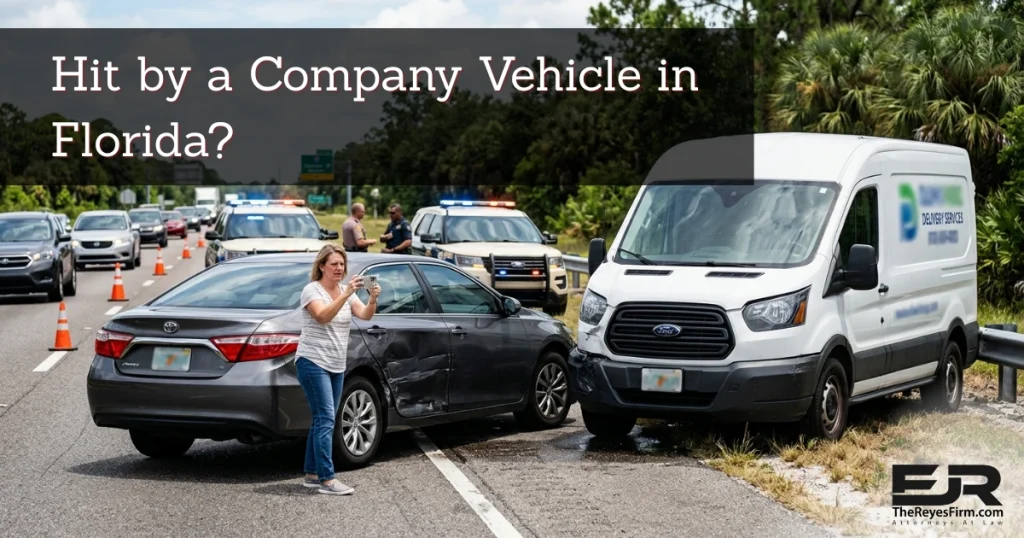
After a crash with a company car, delivery van, work truck, or other business vehicle, most people are not thinking about legal terms. They are thinking about pain, medical bills, lost work time, damage to the car, and whether the vehicle’s manufacturer will take responsibility. In Florida, those worries are not theoretical. FLHSMV reports 381,210 codable traffic crashes and 3,184 traffic deaths in Florida in 2024, and its preliminary 2024 figures include 46,651 commercial motor vehicle crashes and 315 fatalities involving commercial motor vehicles. That is one reason these cases feel different. A crash involving a business vehicle often means multiple insurance policies, more records, and more people trying to control the story early. It can also mean more serious injuries, especially when the vehicle is larger, heavier, or being operated under work pressure. At the national level, NHTSA reported 40,901 traffic deaths in 2023, even though the overall fatality rate declined from 2022. This guide explains what a commercial vehicle accident lawyer in Florida does, what injured people should do right away, which Florida laws matter most, and why these cases are often more complicated than a regular car accident claim. The Reyes Firm Hurt in a Commercial Vehicle Accident in Florida? Get clear next steps after a crash involving a company car, delivery van, work truck, or fleet vehicle. Had a bad day? Contact The Reyes Firm Quick Summary Florida’s preliminary 2024 crash data shows 46,651 commercial motor vehicle crashes and 315 fatalities involving commercial motor vehicles. Florida PIP rules generally require a person to receive initial medical services within 14 days of the crash to protect eligibility for medical benefits. In Florida, a person usually must show a qualifying serious injury to recover pain and suffering damages in a motor vehicle case. Florida now uses a modified comparative negligence rule. If the injured person is found more than 50% at fault, they generally cannot recover damages in a negligence action. A negligence case is generally subject to a two-year statute of limitations in Florida. Key Takeaway After a crash with a company vehicle in Florida, the smartest first steps are simple: call 911, get medical care fast, document everything, and do not let the insurance process get ahead of the facts. What counts as a commercial vehicle in Florida? In everyday injury cases, a commercial vehicle is not just an 18-wheeler. It can include a company car, delivery van, contractor truck, utility vehicle, fleet pickup, service van, or any other vehicle used for work at the time of the crash. Florida crash reporting rules also separately recognize crashes involving commercial motor vehicles. That matters because once a vehicle is tied to a business, the case can become larger than just the driver. There may be an employer, a commercial insurance carrier, maintenance records, dispatch records, and other evidence that do not exist in a normal two-car crash. Why are commercial vehicle accident cases often more complicated? They are more complicated because the crash is only part of the story. The real questions often include whether the driver was working, whether the company maintained the vehicle properly, whether there was schedule pressure, and whether important records were created before the crash and preserved after it. Florida law specifically subjects commercial motor vehicles in interstate commerce to applicable safety regulations. These cases can also involve more serious damage. Larger vehicles require greater stopping distance, generate greater impact forces, and can cause catastrophic injuries even in crashes that appear moderate in a photo. That is part of why claims involving work trucks, fleet vehicles, and delivery vans often need more investigation than a typical rear-end collision. NHTSA also notes that speeding remained a factor in 29% of all traffic fatalities in 2023, and distracted driving killed 3,275 people in 2023, both of which are common issues in work-related driving cases. What should someone do right after a commercial vehicle crash in Florida? The first priority is safety. Call 911, move to a safer location if possible, and accept medical help if there is any sign of injury. Florida law requires a long-form crash report when law enforcement investigates certain crashes, including those involving injury, death, a vehicle requiring a wrecker, or a commercial motor vehicle. After that, the next priority is documentation. If it is safe, take photos and video of: vehicle positions all visible damage skid marks debris road and weather conditions business logos and markings on the vehicle license plates nearby cameras visible injuries Those details can become important very quickly if the company later disputes fault or tries to minimize what happened. FLHSMV is the official repository for Florida crash records, and crash reports often become a starting point, not the whole story. Watch: What to Do After a Commercial Vehicle Crash in Florida This short video walks through the first steps to take after a crash involving a commercial vehicle or semi-truck, including calling 911, documenting the scene, gathering information from the driver and witnesses, avoiding recorded statements, and getting medical care right away. What information should be exchanged at the scene? The drivers involved should exchange basic identifying and vehicle information. Florida’s crash statutes require drivers in qualifying crashes to provide identifying information and cooperate with reporting duties. For a company vehicle crash, the injured person should try to collect: the driver’s name and phone number employer or company name insurance information plate number vehicle or unit number DOT number if visible witness names and contact information The key is to gather facts, not argue. It is wise to avoid statements like “I’m sorry” or “I didn’t see you,” because those words can later be twisted into an admission of fault. When should someone get medical care after the crash? As soon as possible. In Florida, the PIP statute generally requires the injured person to receive initial services and care within 14 days after the motor vehicle accident to access those medical benefits. This is one of the most important rules in any Florida