
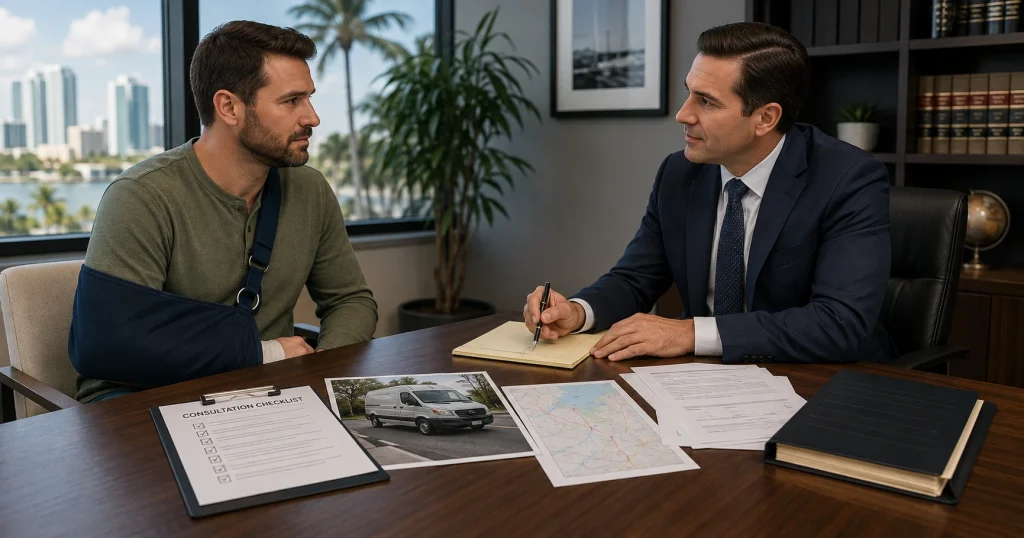
10 Questions to Ask an Amazon Truck Accident Lawyer
What You Need to Know Ask about the lawyer’s experience with Amazon delivery vans, DSP drivers, Flex drivers, commercial trucks, and serious injury claims. The lawyer should know how to identify the driver’s employer, vehicle owner, delivery company, and every possible insurer. Ask how the firm will preserve GPS records, delivery app activity, camera footage, route data, and company documents. Review communication, contingency fees, case costs, settlement strategy, and trial preparation before signing. Avoid lawyers who promise a specific result, rush you to hire them, or cannot explain Amazon’s delivery structure. Had a bad day? Call The Reyes Firm at 833-4 BAD DAY. You may know that you need legal help after an Amazon delivery crash. The harder question is how to choose the lawyer who will protect your case. The questions to ask an Amazon truck accident lawyer can reveal how the attorney investigates delivery companies, preserves electronic evidence, handles insurance disputes, and prepares serious claims. If you were hurt in Tampa, you can speak with The Reyes Firm at 833-4 BAD DAY during a free consultation. An Amazon van accident lawyer in Tampa should look beyond the vehicle’s logo. The driver, employer, vehicle owner, delivery company, and insurance carrier may all be different parties. How Do You Choose the Right Amazon Truck Accident Lawyer? Choose a lawyer who can explain Amazon’s delivery structure, identify every possible company and insurer, preserve electronic evidence, and prepare a serious injury claim for litigation. During the free consultation, ask focused questions about experience, investigation, communication, fees, and trial readiness. Clear answers matter more than slogans or promises. Use these 10 questions during your consultation: Question to ask What the answer should explain 1. Have you handled delivery vehicle or commercial truck cases? The lawyer’s experience with company vehicles, commercial insurance, electronic evidence, and serious injuries 2. Do you understand Amazon DSP and Amazon Flex claims? The differences among DSP employees, Flex contractors, freight drivers, and other delivery arrangements 3. Who could be responsible for my crash? The driver, DSP, employer, vehicle owner, fleet company, Amazon-related entity, maintenance provider, and insurers 4. What evidence will you preserve first? GPS data, app records, route information, camera footage, vehicle data, messages, and company files 5. How will you determine the driver’s work status? Delivery-block records, app activity, package scans, route history, dispatch records, and witness information 6. Who will handle my case and answer my questions? The attorney, support team, main contact, and expected communication schedule 7. How does your contingency fee work? The fee percentage, case costs, written agreement, and what happens if there is no recovery 8. How will you document my injuries and losses? Medical care, future treatment, lost income, reduced earning ability, property damage, and daily limitations 9. Are you prepared to file a lawsuit and take the case to trial? The firm’s approach to litigation, experts, depositions, evidence, negotiation, and trial preparation 10. What should I do after this consultation? Medical care, evidence protection, insurance communication, documents to save, and the next legal steps A good attorney should welcome careful questions. You should leave the consultation with a clearer understanding of the process, even if you need time before making a decision. ⚠️ Warning: Florida’s Filing Deadline Can Arrive Quickly Florida Statute § 95.11 generally gives you two years to file an action founded on negligence. Different deadlines or notice rules may apply in cases involving a government entity, wrongful death, or other special facts. A consultation does not stop the deadline, and delivery records or video may be lost much sooner. What Experience Should an Amazon Truck Accident Lawyer Have? An Amazon truck accident lawyer should have meaningful experience with commercial vehicle crashes, delivery companies, layered insurance coverage, and cases involving contractors or DSPs. The lawyer should also know how to separate Amazon Flex claims from DSP, freight, semi-truck, and ordinary delivery van cases. Start by asking about the types of vehicles and delivery arrangements the lawyer understands. Amazon DSP cases Many Amazon-branded vans are operated by Delivery Service Partners, often called DSPs. A DSP is generally a separate delivery business that hires drivers and may own, lease, or operate the delivery vehicles. A DSP claim may involve: The delivery driver The DSP company A fleet or leasing company A commercial auto insurer A maintenance provider An Amazon-related entity, when supported by the facts The logo does not answer every legal question. Contracts, route records, control over the work, insurance policies, and driver status may matter. A lawyer should also explain the evidence needed to sue Amazon after a delivery van accident without claiming that Amazon is automatically responsible. Amazon Flex cases Amazon Flex drivers commonly use personal vehicles and accept delivery blocks through an app. These cases may raise questions about personal insurance, paid-delivery exclusions, supplemental coverage, app status, and the driver’s activity at the moment of the crash. A Tampa Amazon Flex accident lawyer should review: The driver’s delivery block App login and activity Package pickup and scan records Route and GPS information Personal auto insurance Any additional policy connected to delivery work Freight and semi-truck cases Amazon freight can also involve tractor-trailers, third-party motor carriers, contractors, and logistics companies. These claims may include federal safety records, electronic logging devices, driver qualification files, maintenance records, and cargo documents. FMCSA defines a large truck for its crash data as a truck with a gross vehicle weight rating above 10,000 pounds. A smaller delivery van may fall into a different category, so an attorney should not treat every Amazon vehicle like a tractor-trailer. NHTSA reported that 5,472 people were killed in crashes involving large trucks in 2023. Another estimated 153,452 people were injured. In both groups, 70% were occupants of vehicles other than the large truck. These figures apply to large trucks weighing more than 10,000 pounds, not standard Amazon delivery vans, but they show the serious risks involved when passenger vehicles collide with larger commercial trucks. What Should the Lawyer Investigate After an Amazon Delivery Crash? The