
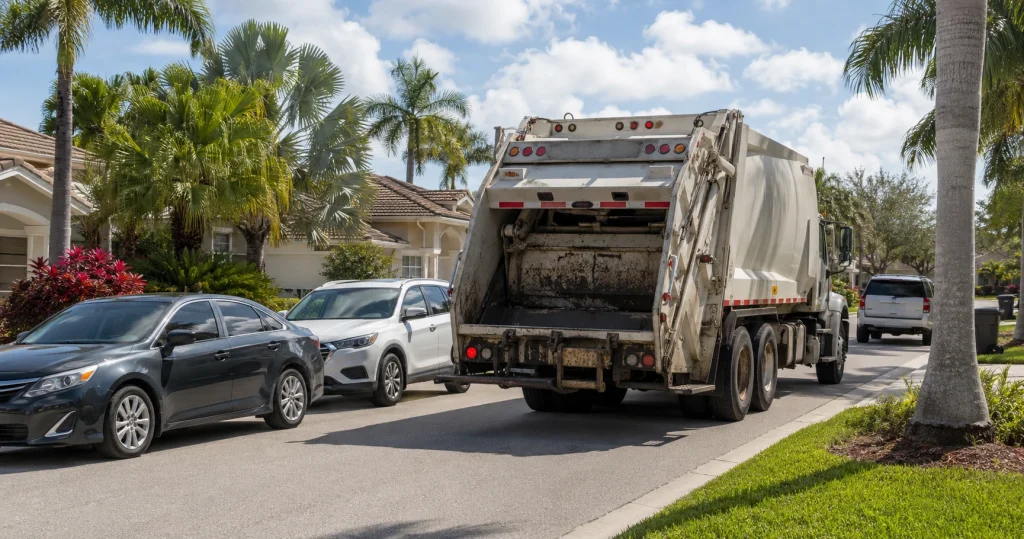
Garbage Truck Accident Lawyer in Tampa and Lithia: Who May Be Liable?
What You Need to Know Garbage truck crashes can involve a private hauler, a contractor, the truck owner, a repair shop, or a government agency. Hillsborough County says it contracts with private companies for curbside collection, so ownership, employment, and contract records matter. Onboard video, route data, inspection reports, and maintenance records can be overwritten, so you should protect evidence quickly. Claims against a city, county, or other government body have special written-notice rules and damage limits. Most Florida negligence lawsuits must be filed within two years, and government claims follow different rules, so do not wait. Had a bad day? Call The Reyes Firm at 833-4 BAD DAY. SCHEDULE A FREE CASE REVIEW A garbage truck crash can leave you badly hurt and unsure where to turn. You may not know who owns the truck, who employs the driver, or which insurance company should pay your claim. A garbage truck accident lawyer can investigate those questions before important evidence disappears. These cases may involve a private waste company, a contractor, a government agency, or several companies connected to the same truck. They can happen on neighborhood streets in Tampa, in Lithia, and in other parts of Hillsborough County. Because garbage trucks are commercial vehicles, their accident claims often involve company records, maintenance evidence, commercial insurance, and multiple responsible parties. Learn more about how The Reyes Firm handles truck and commercial vehicle accidents in Tampa. Why Are Garbage Truck Accidents Different From Other Tampa Crashes? Garbage trucks make frequent stops, reverse through residential areas, and operate close to parked cars, pedestrians, cyclists, and sanitation workers. Their size, blind spots, specialized equipment, and collection schedules create risks that don’t exist in a typical passenger-vehicle accident. A garbage truck does not have to be an 18-wheeler to qualify as a commercial vehicle. Many garbage and recycling trucks are large single-unit vehicles that carry heavy loads through narrow streets. The same is true on the residential roads of Lithia, Riverview, and other southeastern Hillsborough communities. They may operate in neighborhoods while residents are: Leaving for work or school Walking dogs Riding bicycles Placing containers near the roadway Backing out of driveways Crossing streets Waiting at school bus stops Garbage trucks also use hydraulic lifts, compactors, alarms, cameras, and other specialized equipment. A failure in any of these systems can put drivers, workers, and nearby residents in danger. 💡 Did You Know? The Federal Motor Carrier Safety Administration reported that 99 garbage or refuse trucks were involved in fatal crashes nationwide in 2021. Another 1,460 were involved in injury crashes, and 2,520 were involved in towaway crashes involving disabling vehicle damage. These are national figures for large trucks classified as garbage or refuse vehicles. They are not Tampa-only crash totals. FMCSA’s fatal-crash figures draw from the National Highway Traffic Safety Administration’s Fatality Analysis Reporting System, a nationwide census of fatal traffic crashes. The complete figures appear in FMCSA’s Large Truck and Bus Crash Facts 2021. What Causes Garbage Truck Accidents in Tampa and Lithia? Garbage truck accidents often result from unsafe backing, large blind spots, distracted driving, driver fatigue, poor maintenance, or unsafe collection procedures. The police report may not identify the exact cause, so investigators may need to review the truck’s video, route data, maintenance history, and company records. Unsafe backing Garbage trucks frequently reverse on residential streets, in apartment complexes, and near commercial properties. The driver may not see a person, bicycle, parked vehicle, or car entering the collection area. Reverse cameras, mirrors, alarms, and spotters can help reduce this danger. Investigators should determine if these safety measures were available and used. Blind-spot and wide-turn collisions A large garbage truck may have blind spots along its sides, directly behind it, and near the front. A driver who fails to check those areas can sideswipe a vehicle, strike a pedestrian, or trap a cyclist during a turn. Distracted or fatigued driving Garbage truck drivers may need to watch workers, follow route instructions, monitor equipment, and navigate tight spaces. A cellphone, dispatch message, route device, or in-cab conversation can pull the driver’s attention away from the road. Early collection schedules and long shifts may also contribute to fatigue. Poor maintenance Garbage trucks experience repeated braking, turning, stopping, lifting, and compacting. Companies should inspect and maintain important systems, including: Brakes Tires Lights Mirrors Reverse alarms Cameras Hydraulic equipment Steering components Maintenance records can show if a known problem was ignored or a required repair was delayed. Falling trash or equipment Loose garbage, tools, containers, or mechanical parts can fall into traffic. A driver may swerve, brake suddenly, or crash without touching the garbage truck. If trash, equipment, or unsecured material falls from a garbage truck and causes a collision, the claim may involve a truck-lost-load accident, even if the vehicles never make direct contact. Unsafe company practices The driver may not be the only person responsible. A waste company or contractor may contribute to a crash by: Hiring an unqualified driver Providing inadequate training Ignoring prior safety complaints Setting an unsafe collection schedule Failing to inspect the truck Keeping defective equipment in service Pressuring drivers to complete routes too quickly A careful investigation looks beyond the person behind the wheel. Who Can Be Liable for a Garbage Truck Accident in Hillsborough County? The driver, waste collection company, truck owner, contractor, maintenance provider, equipment manufacturer, or a government agency may be liable. The answer depends on who controlled the driver, owned the truck, maintained its equipment, set the route, and caused or contributed to the crash. Ownership and contract records often decide it. The garbage truck driver A driver may be responsible for speeding, unsafe backing, distracted driving, failing to yield, or ignoring a collection safety rule. A citation may support a claim, but a citation is not always required to prove negligence. The waste collection company A private sanitation company may be responsible for its employee’s actions while the driver is performing assigned work. The company may also face direct responsibility for unsafe hiring,