
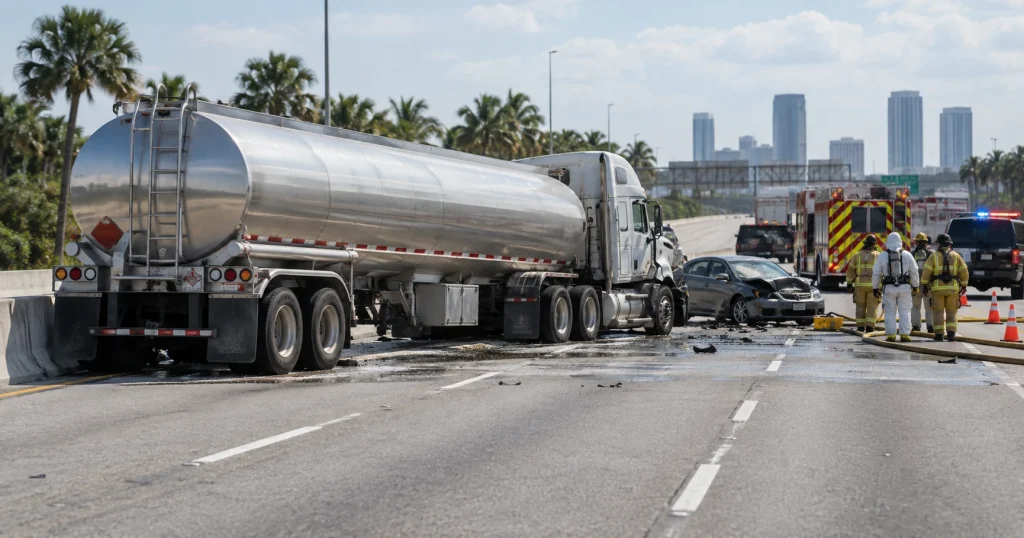
Tampa Tanker Truck Accident Lawyer: Liability After a Fuel or Hazmat Crash
A tanker truck crash can turn an ordinary drive into a frightening emergency. Along with the impact, there may be fire, smoke, leaking fuel, or chemical fumes. Police may close the road while firefighters and hazardous materials teams work to contain the danger. For the people involved, the questions often come later. What was the tanker carrying? Why did it crash? Who was responsible for inspecting the tank? Which insurance company should pay for the injuries and damage? The answers are not always simple. The driver, trucking company, tank owner, shipper, loading facility, maintenance provider, or another business may have played a part. If you were injured in this type of crash, a Tampa tanker truck accident lawyer can investigate what went wrong, identify every potentially responsible party, and help you understand your legal options. The Reyes Firm helps people injured in serious truck and commercial vehicle accidents in Tampa. We handle the investigation and insurance issues so you can focus on your health and family. SCHEDULE A FREE CASE REVIEW Quick Answer: Who Can Be Liable for a Tanker Truck Accident? More than one person or company may be responsible for a tanker truck accident. Potentially liable parties include: The tanker driver The trucking company The tractor owner The tank or trailer owner The company that shipped the cargo The loading terminal A maintenance or inspection company An equipment manufacturer A cleanup contractor Another driver or roadway contractor Liability depends on what caused the crash or spill and which company controlled the driver, vehicle, tank, cargo, loading process, or cleanup work. A complete investigation should examine every part of the operation, not just what the tanker driver did in the final moments before the crash. What Makes a Tanker Truck Accident Different? Tanker trucks carry gasoline, diesel, propane, industrial chemicals, wastewater, milk, cooking oil, and many other liquids. Not every tanker carries hazardous material, but every large liquid load can affect how the truck moves. Tankers can roll over more easily Tankers have a high center of gravity. This can make them less stable on curves, exit ramps, and uneven roads. A rollover may happen when a driver: Takes a curve or ramp too quickly Makes a sudden steering correction Swerves to avoid another vehicle Brakes hard while turning Drives onto a soft shoulder Fails to slow down for rain or heavy traffic A speed that feels safe in a passenger car may be too fast for a fully loaded tanker. Liquid moves inside the tank The liquid keeps moving when the driver brakes, accelerates, or turns. This is often called liquid surge or slosh. The movement can push the truck forward during braking or shift its weight during a turn. Partially filled tanks can be especially difficult to control because the liquid has more room to move. Some tanks contain internal walls called baffles, which help limit movement. Other tanks are smooth inside. Drivers operating these tankers must use extra care when stopping or changing direction. The Federal Motor Carrier Safety Administration advises tanker drivers to control their speed and avoid sudden movements because liquid surge and a high center of gravity can increase rollover risk. (FMCSA) 💡 Did You Know? A tanker does not have to hit another vehicle before it rolls over. Excessive speed on a ramp, sudden steering, liquid surge, or a tire leaving the pavement may be enough to cause the driver to lose control. The cargo can create a second emergency A tanker crash may involve more than damaged vehicles. A ruptured tank, broken valve, or disconnected hose can cause: Fuel fires Explosions Chemical burns Toxic smoke or vapor Contaminated soil or water Road closures Evacuations Damage to nearby homes and businesses Someone can be seriously harmed without being directly struck by the tanker. Smoke, chemical exposure, fire, or an explosion may affect drivers, passengers, emergency responders, and people near the crash scene. Who May Be Responsible for a Tanker Truck Accident? One of the most important parts of a tanker accident claim is identifying every person and company that may be responsible. The name printed on the truck may not tell the full story. One company may employ the driver, another may own the tractor, another may own the tank, and a separate facility may have loaded the cargo. The tanker driver A driver may be responsible for: Speeding on a curve or exit ramp Driving while distracted Driving while tired Following another vehicle too closely Braking or steering unsafely Failing to account for liquid surge Ignoring warning lights or visible leaks Driving too fast for weather or traffic conditions Violating hours-of-service rules The investigation should also examine the driver’s training, license, endorsements, driving history, logbook, and actions before the crash. The trucking company A trucking company may be responsible for the driver’s conduct and for its own unsafe decisions. Company failures may include: Hiring an unqualified driver Failing to verify licenses or endorsements Providing inadequate tanker training Allowing an unsafe truck onto the road Ignoring maintenance problems Encouraging unrealistic delivery schedules Failing to supervise drivers Keeping a driver on the road after repeated violations Our guide to trucking company liability after a Florida crash explains how a carrier’s hiring, training, maintenance, and safety decisions can affect an injury claim. The tractor or tank owner The tractor and tanker trailer may have different owners. The tractor owner may be responsible for problems involving the brakes, tires, steering system, engine, or other parts of the power unit. The tank owner may be responsible for arranging required inspections, repairing corrosion, maintaining valves and hoses, and making sure the tank is safe to use. The company that shipped the cargo The shipper may share responsibility if it: Misidentified the material Provided inaccurate shipping documents Selected an unsuitable tank Failed to provide proper warnings Failed to communicate important cargo hazards Shipping papers and contracts can help show which company controlled the cargo and what safety duties it agreed to perform. The loading terminal or facility