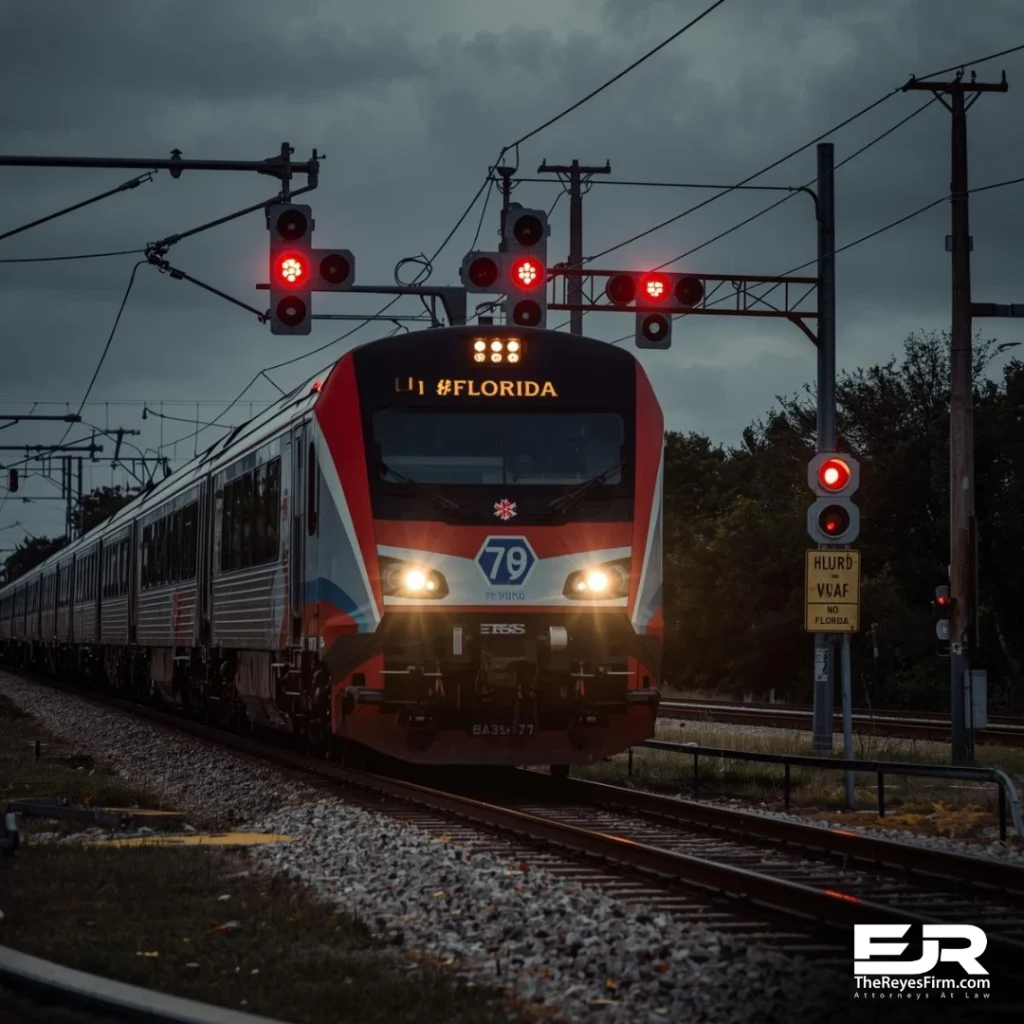
 A High-Speed Train Crash is the kind of disaster that feels impossible until it is suddenly real. One moment, people are sitting in a seat, checking a phone, or watching the scenery. The next moment, there is violent shaking, loud noise, and fear, with no time to brace.
That is why the deadly train collision in Spain is more than an overseas headline. It is a reminder that when travel goes wrong at high speed, injuries can be life-changing, and the aftermath can become complicated fast. Families are left asking the same questions everywhere: What happened? Who is responsible? What should we do next?
For Florida families, this matters because train travel and rail crossings are part of life here, too. Even though the Spain crash happened far away, the steps that protect people after a High-Speed Train Crash are very similar in Florida. The Reyes Firm breaks those steps down in plain English so injured victims can protect their health and their legal rights.
News Summary: What Happened in the Spain High-Speed Train Crash?
On January 18, 2026, reports described a deadly high-speed rail collision near Adamuz, in Córdoba province, southern Spain. A high-speed train reportedly derailed and moved onto an opposite track, where it collided with an oncoming train. Authorities reported at least 21 deaths and dozens injured, with many people transported to hospitals. Rail service between Madrid and Andalusia was suspended as rescue work and an investigation continued.
Multiple reports said the trains involved included an Iryo train traveling from Málaga to Madrid and a Renfe train traveling from Madrid toward Huelva. Officials described the derailment as unusual because it happened on a flat, straight section of track that had been recently renovated, and the cause was still under investigation.
This is the kind of event that shows why train crashes become major investigations. There are often questions about speed, track conditions, signals, maintenance work, equipment systems, and safety procedures, all at once.
Why a High-Speed Train Crash Matters to Florida Drivers and Families
Florida residents still face serious rail risks, including:
- Passenger train incidents involving sudden stops, platform falls, or collisions
- Vehicle-versus-train crashes at crossings
- Pedestrian and bicycle rail injuries near tracks
- Construction and maintenance hazards along rail corridors
Florida also has active passenger rail systems and corridors where train traffic is common, including Brightline service in Florida and SunRail commuter rail in Central Florida.
The key point is simple: when a High-Speed Train Crash happens, the injuries can be severe, and the legal side can be complicated because more than one party may share responsibility.
What Florida Train Accident Victims Should Do Immediately
After a train wreck, many people feel shocked, confused, or numb. That reaction is normal. But the first 24 to 72 hours matter, both medically and legally.
1) Get medical care the same day if possible
Injuries from train crashes are not always obvious right away. Some people feel “fine” because adrenaline is high. Then symptoms hit later, like:
- Headaches, dizziness, nausea (possible concussion)
- Neck and back pain (possible whiplash, disc injury, or strain)
- Chest pain or bruising (seat or impact trauma)
- Numbness, tingling, weakness (possible nerve injury)
- Anxiety, panic, sleep problems (trauma symptoms)
Seeing a doctor early helps protect health. It also creates medical records that show the injury timeline.
2) Call 911 and accept help from emergency responders
If first responders recommend evaluation or transport, it is usually for a reason. It also helps create an official record of what happened and how the person presented at the scene.
3) Document what can be documented safely
If the person is physically able and it is safe, they should try to capture:
- Photos of the scene (train cars, debris, track area, signage)
- Photos of injuries over time (bruising often appears later)
- Names and contact info for witnesses
- Ticket confirmations, receipts, or booking records
- Any report number provided by police, rail staff, or emergency services
If a family member is present, that person can help gather information so the injured person can focus on safety.
4) Keep conversations simple until there is legal guidance
After major crashes, insurance and investigators may start asking questions quickly. Injured people should be careful about:
- Guessing what happened
- Saying “I am fine” when they are not sure
- Agreeing to recorded statements while still in shock
A safer approach is to share basic information and save detailed statements until the person understands their rights.
5) Track expenses and daily symptoms
Train crash injuries often affect daily life. A simple notebook or phone note can help:
- Pain levels and limitations
- Missed work days
- Medical visits and medications
- Sleep problems and anxiety symptoms
- Transportation costs and other receipts
This is not about being dramatic. It is about being accurate.
Florida Law Basics That Can Affect a Train Injury Claim
A train crash claim can involve state law, federal rules, and multiple insurance layers. The Reyes Firm focuses on the Florida pieces that victims should understand.
Florida’s negligence deadline is shorter than many people expect
In Florida, an action founded on negligence generally must be filed within two years.
Waiting too long can block a claim, even when the facts seem clear.
Florida fault rules can reduce or even bar recovery
Florida uses a modified comparative fault approach in many negligence cases. If an injured person is found to be more than 50% at fault, they may not recover damages in Florida in a negligence action to which the statute applies.
This is one reason train and crossing cases can become battles over blame. Evidence matters.
A motor-vehicle-related train crash may trigger Florida PIP rules
Not every train incident involves a motor vehicle, but many Florida rail cases involve cars or trucks at crossings. Florida’s PIP statute includes a rule that medical benefits apply only if the injured person receives initial services and care within 14 days after the motor vehicle accident.
This is a common trap. People wait because they are sore but “not injured.” Then coverage disputes start.
Common Injuries After a High-Speed Train Crash
A High-Speed Train Crash can injure people in many ways, even without a direct impact to the head.
Head and brain injuries
A sudden stop can cause the brain to move inside the skull. Even a “mild” concussion can lead to:
- Ongoing headaches
- Memory and concentration issues
- Light sensitivity
- Mood changes
- Sleep disruption
Neck, back, and spine injuries
Train impacts can throw the body forward or to the side. Victims often deal with:
- Whiplash
- Herniated or bulging discs
- Pinched nerves
- Pain that radiates down the arms or legs
Broken bones and joint injuries
Falls, luggage impact, and collisions inside a train car can cause:
- Wrist and arm fractures
- Rib injuries
- Shoulder and knee injuries
- Hip injuries, especially in older passengers
Emotional trauma
Many survivors struggle emotionally after a serious wreck. This can look like:
- Fear of travel
- Panic symptoms
- Nightmares
- Avoidance and hypervigilance
Emotional harm can be real harm, especially when backed by proper medical documentation.
Who Can Be Liable in a Florida Train Accident?
Train cases are complex because multiple parties may control different pieces of safety.
The train operator or rail company
Potential issues can include:
- Excessive speed for conditions
- Poor training or supervision
- Fatigue and scheduling problems
- Lack of safety procedures
- Failure to respond to warning systems
The track owner or infrastructure operator
Track systems rely on signals, switches, and maintenance. Liability can involve:
- Track defects
- Signal malfunction
- Switch failures
- Delayed repairs or poor inspections
- Unsafe work zones on rail property
The Spain crash is being investigated partly because it reportedly occurred on a track that had been renovated, raising questions about what happened and why.
Contractors and maintenance companies
If a private contractor handled track work, signals, or safety systems, the investigation may also look at:
- Quality control
- Compliance with safety rules
- Worksite protections
- Documentation and inspection logs
Manufacturers and equipment defects
If brakes, couplers, wheels, doors, or warning systems fail, product liability may be part of the claim.
Crossing-related cases (car or truck versus train)
When a Florida train crash involves a vehicle at a crossing, liability can involve:
- The driver’s actions
- Whether gates, lights, and signage worked properly
- Sight lines and roadway design
- Prior safety complaints about the crossing
These cases often turn into “who had the last clear chance” arguments. The details matter.
What Evidence Matters Most After a High-Speed Train Crash?
In any serious rail case, evidence is everything. Some records can disappear if nobody acts quickly.
Important evidence can include:
- Train data and operational logs (speed, braking, alerts)
- Dispatch and communication records
- Onboard and platform video
- Track inspection and maintenance records
- Signal and switch data
- Work orders for repairs and renovations
- Employee training and scheduling information
- Witness statements taken early
The faster legal counsel gets involved, the faster preservation requests can be made to help prevent routine deletion.
What Compensation Can a Florida Train Accident Claim Include?
Every case is different, but train injury claims often involve large damages because injuries can be severe.
Potential compensation can include:
- Past and future medical expenses
- Rehabilitation and therapy costs
- Lost wages and future earning loss
- Transportation costs related to treatment
- Pain and suffering
- Disability and loss of enjoyment of life
- Wrongful death damages for families in fatal cases
The goal is not a quick payout. The goal is a full picture of what the injury actually costs over time.
Special Note for Railroad Workers
If a railroad employee is injured on the job, the claim may follow a different legal path than a standard injury claim. That is why railroad workers should get legal guidance early, before assuming it works like a typical car accident case.
FAQs About a High-Speed Train Crash in Florida
1) Should someone take the first settlement offer after a High-Speed Train Crash?
Usually no. Early offers often come before doctors understand the full injury, and signing can close the door on getting more help later.
2) Can a person file a claim if the train did not derail, but the sudden stop still caused injuries?
Yes. A hard impact or sudden braking can still cause real injuries, and a claim may be possible if the crash happened because someone was careless.
3) What if the injured passenger lives outside Florida or was visiting on vacation?
They can still often pursue a Florida claim, and many parts of the case can be handled remotely, so they do not have to keep traveling back and forth.
4) Is a claim different if the crash involves a private train company versus a public transit system?
It can be. Private companies and public agencies often follow different rules and insurance limits, which can affect how a case is handled.
How Can The Reyes Firm Help You
A High-Speed Train Crash can leave victims dealing with pain, fear, medical bills, missed work, and confusing questions about what happened. The Reyes Firm helps Florida families by focusing on three things from day one: health, evidence, and accountability.
Mass Transit Accident Lawyers in Tampa, Florida can help by:
- Investigating quickly and pushing to preserve critical records
- Identifying every responsible party, not just the obvious one
- Building a claim that reflects real medical needs and real-life impact
- Handling insurance calls and paperwork so victims can focus on recovery
- Fighting for compensation that covers both today’s costs and tomorrow’s needs
The Reyes Firm
4730 N. Habana Ave., Suite 201, Tampa, FL 33614
Phone: 833-4 BAD DAY
Had a bad day?
This article is for general information and is not legal advice. A lawyer can give advice after reviewing the specific facts of a case.