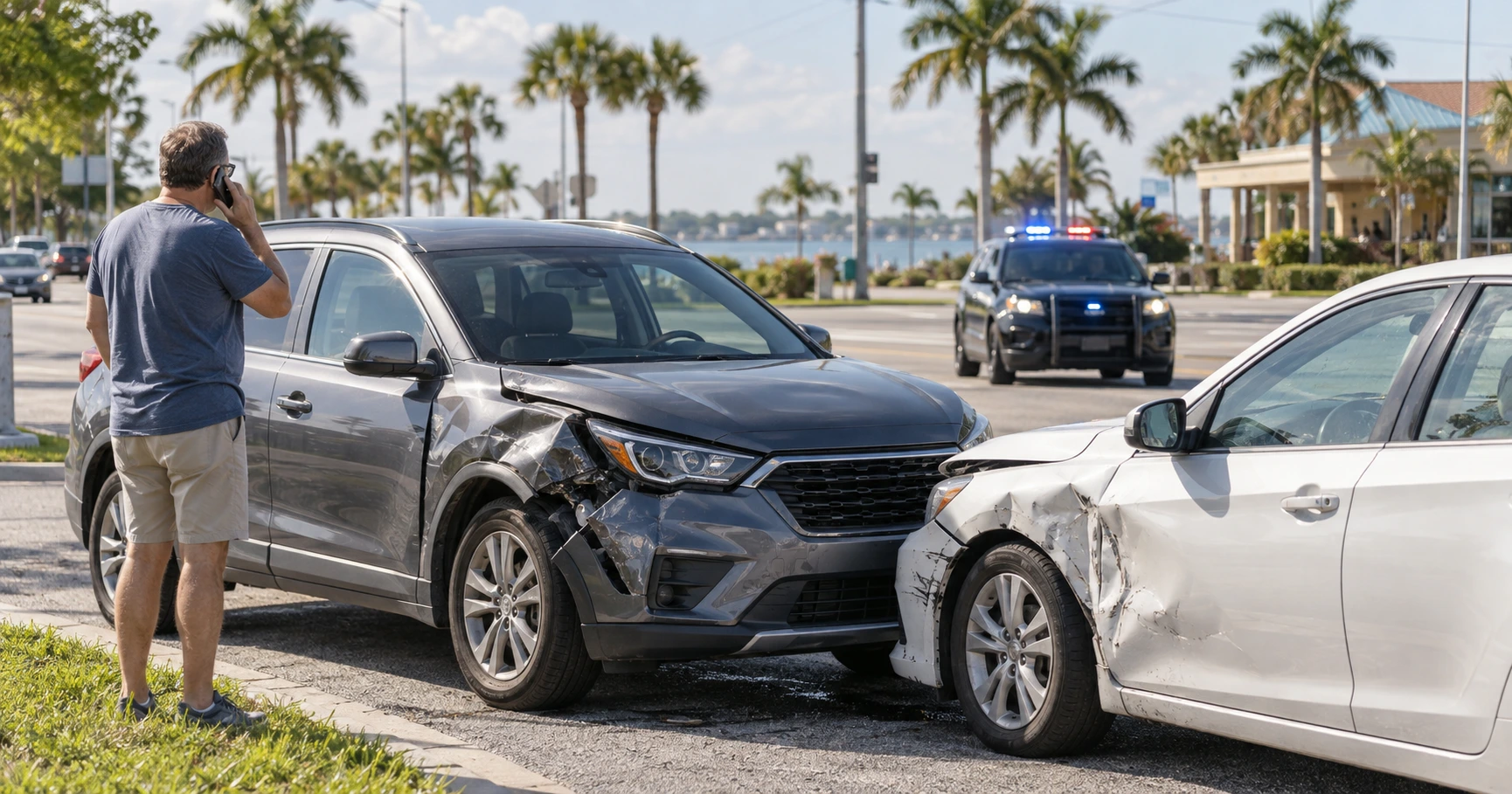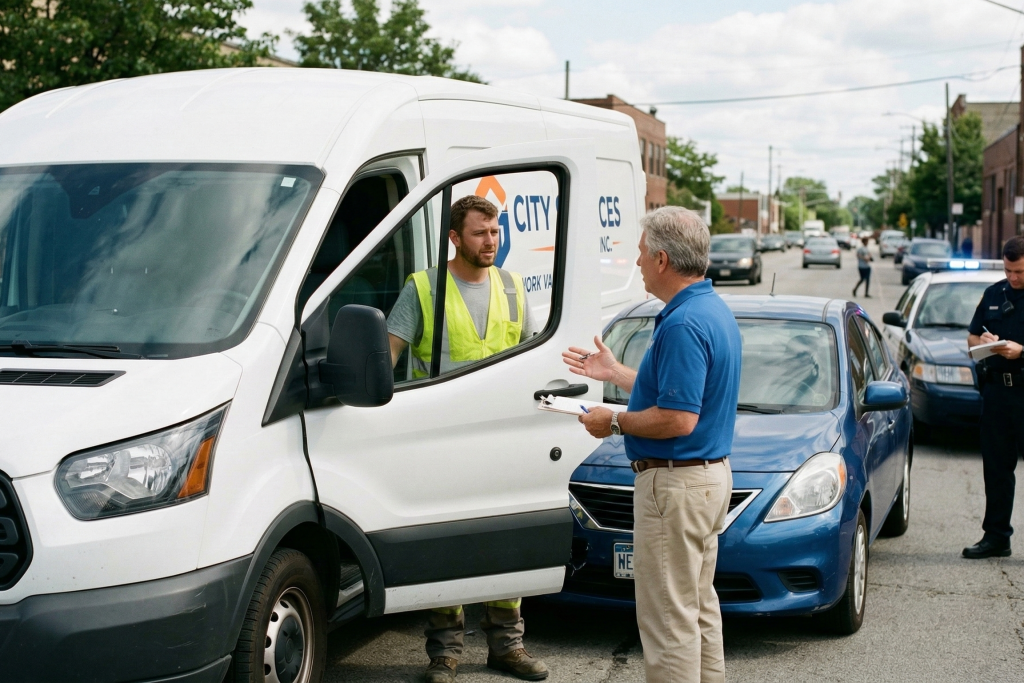
An accident in a company vehicle during work can change everything in a matter of seconds. A construction manager heading to a job site, an architect driving to a client meeting, or a government inspector traveling between properties may never expect the day to end in an emergency room. Yet in Florida’s busy cities and growing development zones, vehicle accidents are a daily reality.
For professionals in construction, engineering, architecture, real estate development, and public agencies, company vehicles are essential tools. They keep projects moving, connect teams across multiple sites, and ensure inspections and deadlines stay on track. When one of these vehicles is involved in a crash, the impact goes far beyond property damage. It can disrupt contracts, delay timelines, and create serious legal exposure.
At The Reyes Firm, a Florida personal injury law firm representing injured plaintiffs, these cases are handled with a clear understanding of both the legal system and the real-world demands of large-scale projects. Knowing what to do after an accident in a company vehicle during work is critical. Understanding your rights and responsibilities can protect your health, your livelihood, and your organization.
What Is an Accident in a Company Vehicle During Work?
An accident in a company vehicle during work occurs when an employee is involved in a crash while driving a vehicle owned, leased, rented, or provided by the employer and performing job-related duties.
This includes situations such as:
- Driving to or from an active job site
- Transporting materials, blueprints, or equipment
- Traveling between multiple project locations
- Meeting with inspectors, developers, or government officials
- Running work-related errands
- Operating fleet vehicles assigned for official duties
The key issue is whether the employee was acting “within the scope of employment.” In simple terms, was the employee doing their job at the time of the crash?
For construction professionals and engineering teams, the workday often starts before arriving at a fixed office. If the employee is driving from a company office to a project site, that is usually considered work-related. However, if the employee makes a personal stop unrelated to work and the accident happens during that detour, the legal analysis can change.
Understanding this distinction is critical because it affects insurance coverage, liability, and compensation rights.
Who Is Responsible After an Accident?
Responsibility after an accident in a company vehicle during work can involve multiple parties. Florida law recognizes a concept called “vicarious liability.” This means an employer can be legally responsible for the negligent actions of an employee if those actions occurred during job duties.
For example:
- A site supervisor driving a company truck rear-ends another vehicle while heading to a construction site.
- An engineer in a firm-owned SUV runs a red light while traveling to an inspection.
- A project manager in a fleet van sideswipes another car while transporting materials.
In each of these scenarios, the employer may share legal responsibility.
However, responsibility becomes more complex if:
- The employee was using the vehicle without permission.
- The employee was engaged in personal activities.
- The vehicle was poorly maintained.
- A subcontractor was involved.
Large development firms and property owners should also be aware of potential “negligent entrustment” claims. If a company allows an unqualified or unsafe driver to operate a company vehicle, the company may face additional liability.
For professionals managing fleets, maintaining clear policies, training records, and driver qualifications is essential to reducing legal exposure.
Workers’ Compensation and Vehicle Accidents
If an employee is injured in an accident in a company vehicle during work, Florida’s workers’ compensation system often applies.
Workers’ compensation is designed to provide benefits without requiring the employee to prove fault. These benefits may include:
- Payment of medical bills
- A percentage of lost wages
- Temporary disability benefits
- Permanent impairment benefits
However, workers’ compensation does not provide compensation for pain and suffering.
For construction professionals, engineers, and field supervisors whose work involves physical activity, even a moderate injury can affect long-term performance. A shoulder injury could prevent lifting equipment. A back injury could limit mobility at job sites. Workers’ compensation benefits may not fully address the long-term impact on earning capacity.
It is also important to understand that workers’ compensation typically prevents employees from suing their employer directly. However, it does not prevent claims against third parties.
What If Another Driver Caused the Crash?
If another driver caused the accident in a company vehicle during work, the injured employee may have the right to file a personal injury claim against that driver.
Florida follows a no-fault system. Drivers carry Personal Injury Protection (PIP), which covers:
- 80% of medical expenses
- 60% of lost wages
But PIP benefits are limited. If the injuries are serious, such as permanent injury, significant scarring, or loss of bodily function, the injured person may step outside the no-fault system and pursue full compensation.
This may include:
- Pain and suffering
- Future medical treatment
- Full wage loss
- Reduced future earning capacity
For architects, developers, and engineers who rely on their professional licenses and physical ability to oversee projects, the long-term consequences of injury must be carefully evaluated.
What Are the Employee’s Responsibilities?
After an accident in a company vehicle during work, employees must take immediate and responsible steps.
- Call 911 and seek medical care. Health comes first. Even minor injuries can worsen over time.
- Report the accident to the employer promptly. Florida workers’ compensation law requires timely reporting.
- Document the scene. Take photos of vehicles, injuries, road conditions, and traffic signals.
- Collect witness information. Independent witnesses can be crucial.
- Avoid discussing fault. Statements made at the scene can be used later.
- Consult an attorney before giving recorded statements to insurers.
Failing to follow these steps can harm a claim. Early documentation often makes the difference between a successful case and a denied one.
What Are the Employer’s Responsibilities?
Employers also have clear obligations after a company vehicle accident.
These include:
- Reporting the accident to the appropriate insurance carriers
- Filing workers’ compensation paperwork
- Preserving vehicle maintenance and inspection records
- Cooperating with investigations
- Reviewing safety policies and driver training
For property owners and government agencies operating fleet vehicles, routine maintenance and driver screening are essential. Poor tire conditions, brake failures, or ignored maintenance warnings can create serious liability.
Employers should also review contractual agreements. In large development projects, contracts often contain indemnity clauses that shift responsibility among contractors. Understanding these clauses before an accident happens is critical.
Special Issues for Construction and Engineering Professionals
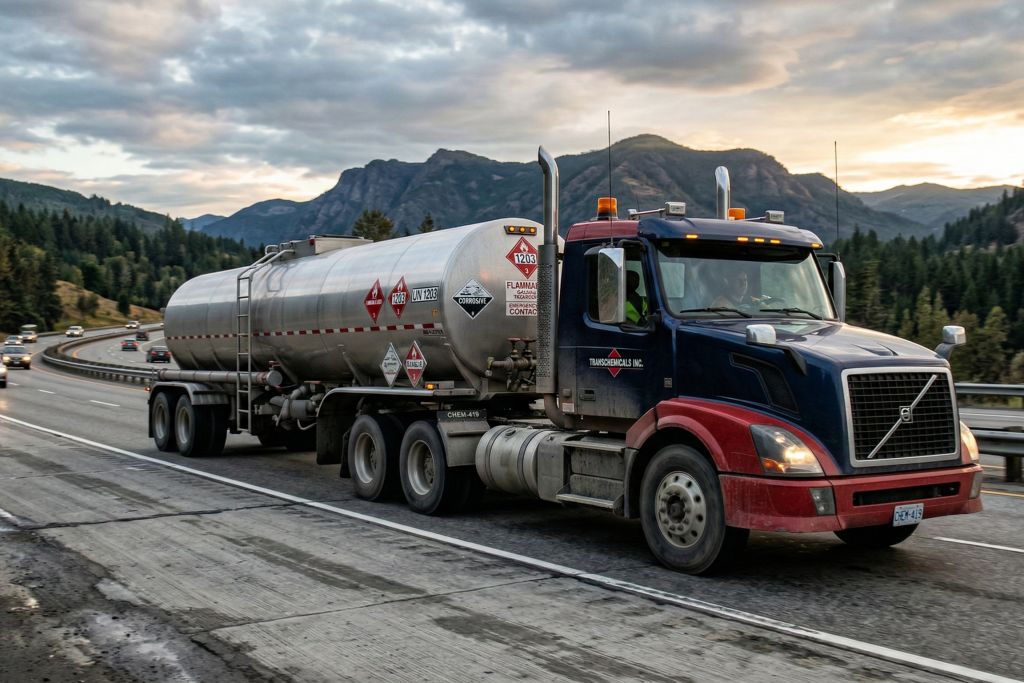
Construction and engineering work often involves unique risks that increase accident exposure.
These may include:
- Driving oversized trucks
- Transporting heavy or hazardous materials
- Navigating temporary roadways
- Traveling in high-traffic development zones
- Working near active machinery
An accident in a company vehicle during work near a job site may also trigger Occupational Safety and Health Administration (OSHA) considerations, internal investigations, and project delays.
Engineering students entering the workforce should understand that fieldwork carries risk. Employers should provide defensive driving training, vehicle safety inspections, and clear reporting procedures.
Proactive safety policies not only protect workers but also protect project budgets and reputations.
Government Vehicles and Public Agencies
When government employees are involved in an accident in a company vehicle during work, special legal rules apply.
Claims against public agencies in Florida are subject to sovereign immunity limits. There are caps on how much compensation may be recovered. There are also strict notice requirements and deadlines.
Missing a notice deadline can permanently prevent recovery.
Government agencies must also follow internal reporting rules, and failure to follow procedure can affect both employment status and legal claims.
Can You Be Fired After a Company Vehicle Accident?
Many employees worry about job security after an accident.
Florida is an at-will employment state. This means employers can generally terminate employees for many reasons. However, an employer cannot legally retaliate against an employee for filing a valid workers’ compensation claim.
If termination occurs because the employee exercised a legal right, that could create a separate claim for retaliation.
Construction professionals and engineers should document communications carefully and seek legal advice if they suspect unfair treatment.
Long-Term Consequences of Serious Injuries
Serious injuries can change careers.
For professionals who oversee job sites, inspect properties, or supervise structural installations, mobility and physical presence are often essential. A spinal injury, traumatic brain injury, or severe fracture may:
- Limit on-site leadership
- Reduce promotion opportunities
- Require career changes
- Delay licensing milestones
- Impact long-term income
Compensation claims must account for future medical care, rehabilitation, and lost earning capacity. Short-term settlements often fail to reflect lifetime consequences.
Steps to Protect Yourself After an Accident
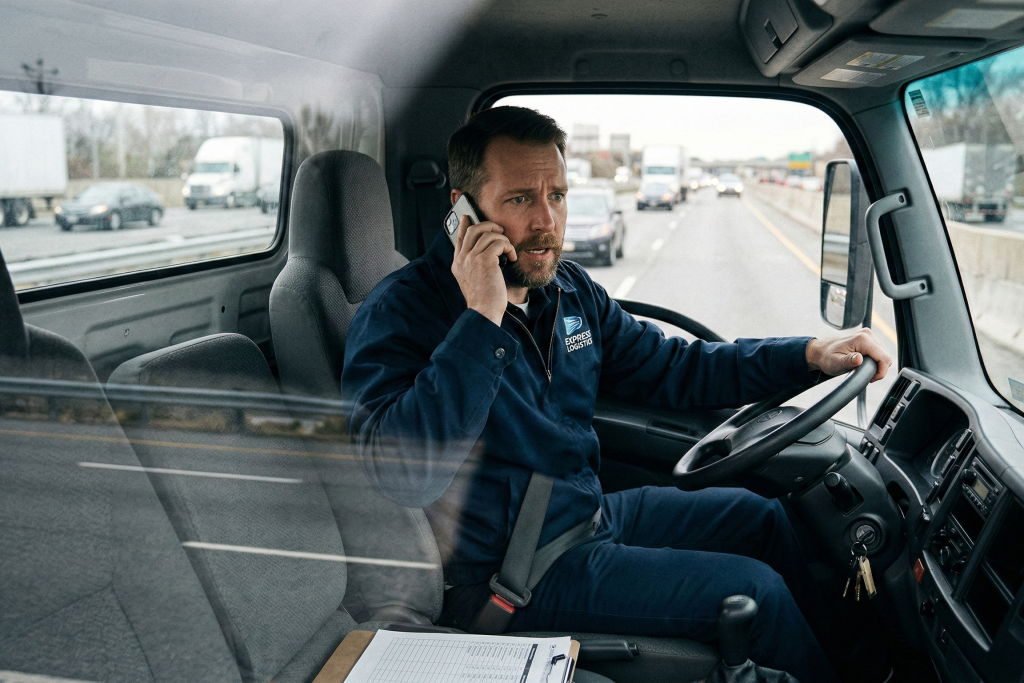
If there is an accident in a company vehicle during work, acting quickly is critical.
- Call emergency services.
- Seek immediate medical care.
- Notify supervisors in writing if possible.
- Preserve evidence and documentation.
- Avoid social media posts about the accident.
- Contact an experienced personal injury attorney.
Early legal guidance ensures deadlines are met, rights are preserved, and evidence is not lost.
How Can The Reyes Firm Help You
An accident in a company vehicle during work can create overlapping legal issues involving workers’ compensation, personal injury claims, employer liability, and insurance disputes. Construction professionals, developers, architects, and government employees cannot afford to guess about their rights.
The Reyes Firm represents injured plaintiffs throughout Florida. The firm understands how vehicle accidents impact not just medical bills, but also project timelines, professional reputations, and long-term earning potential.
The Reyes Firm can:
- Conduct a full investigation of the accident
- Identify all responsible parties
- Coordinate workers’ compensation and third-party claims
- Evaluate long-term damages and future earning loss
- Negotiate aggressively with insurance companies
- Take cases to trial when necessary
Most importantly, clients receive compassionate, client-focused representation. Every case is treated with personal attention and clear communication.
If you or a colleague has been injured in an accident in a company vehicle during work in Florida, The Reyes Firm is ready to protect your rights and fight for the compensation you deserve. Do not let insurance companies minimize your future. Take action today and secure the legal support needed to move forward with confidence.
Frequently Asked Questions
Does insurance cover damage to the company vehicle itself after a work-related accident?
Yes, damage to the company vehicle is typically handled through the employer’s commercial auto insurance policy, depending on the type of coverage purchased.
What happens if the employee was partially at fault for the accident?
Florida follows a modified comparative negligence rule, which means compensation may be reduced based on the employee’s percentage of fault.
Are independent contractors covered if they have an accident in a company vehicle during work?
Independent contractors are usually not covered by workers’ compensation, but they may still have a claim under the company’s commercial auto insurance or against a third party.
How long do you have to file a claim after an accident in a company vehicle during work in Florida?
In most cases, personal injury claims must be filed within two years from the date of the accident, while workers’ compensation claims have much shorter reporting deadlines.