When a company vehicle is involved in a crash, the damage does not stop at the body shop. For construction companies, engineering firms, property owners, architects, government agencies, and real estate developers, one accident can slow down an entire project. Materials may not arrive on time. Inspectors may miss deadlines. Crews may be left waiting. And in serious cases, lawsuits may follow.
In Florida, fleet vehicles are everywhere — from dump trucks hauling concrete to site, to engineering consultants driving between inspections, to property managers responding to maintenance calls. Whether the crash happens on a busy highway in Miami or near a job site in Orlando, what happens immediately after the collision can determine whether a fleet insurance claim is approved smoothly or becomes a long, expensive problem.
At The Reyes Firm, we represent injured individuals throughout Florida. We also understand how businesses can protect themselves when accidents happen. A properly handled fleet insurance claim protects both your company and the people involved. Below is a detailed, practical guide designed specifically for professionals managing commercial vehicles and active projects.
What Is a Fleet Insurance Claim?
A fleet insurance claim is a formal request for payment under a commercial auto policy that covers multiple vehicles under one contract. Instead of insuring each truck or car separately, businesses bundle them into one fleet policy.
Fleet insurance typically covers:
- Bodily injury liability
- Property damage liability
- Collision coverage
- Comprehensive coverage
- Uninsured/underinsured motorist coverage
- Sometimes cargo or equipment coverage
For construction firms and engineering companies, fleet policies often have higher coverage limits because vehicles may cause significant damage if involved in a crash. A loaded dump truck or utility vehicle presents far greater risk than a personal sedan.
Unlike personal auto claims, fleet insurance claims often trigger internal insurance investigations. Insurers may review safety programs, training records, maintenance logs, and compliance documentation before approving payment. That is why preparation and documentation matter.
Why Proper Documentation Matters in Florida
Florida has unique insurance and liability laws. While personal vehicles operate under a no-fault system, commercial vehicle accidents can involve additional layers of responsibility.
If a company driver was performing job duties at the time of the crash, the employer may be legally responsible. This is known as “vicarious liability.” In other words, if the driver was working, the company may share liability for injuries or damages.
For construction professionals and government contractors, this risk is even higher because:
- Fleet vehicles are often large and heavy
- Work zones increase accident risk
- Multiple contractors may be present
- Public safety may be involved
Insurance companies carefully review fleet insurance claims involving injuries because they can lead to large settlements. Clear documentation protects your company from exaggerated claims or false allegations.
Fleet Insurance Claim Checklist: Essential Documents
Strong documentation is the backbone of a successful fleet insurance claim. Below is a deeper look at what your company should collect and preserve.
1. Police Crash Report
Always obtain the official crash report. This document provides a neutral third-party account of the accident.
It typically includes:
- Officer observations
- Road and weather conditions
- Diagrams of the accident scene
- Statements from drivers and witnesses
- Any citations issued
For companies working near active construction zones, this report may also mention traffic control setups, barricades, and signage.
Never rely solely on verbal descriptions. The official report becomes critical evidence if disputes arise.
2. Driver’s Employment and Qualification Records
Insurance companies may ask:
- Was the driver properly licensed?
- Was the driver trained?
- Was the driver authorized to operate that vehicle?
Maintain organized records including:
- Driver’s license and CDL copies
- Drug and alcohol testing compliance (if required)
- Safety training certifications
- Employment status confirmation
For engineering firms and public agencies, compliance with safety regulations strengthens your position during a fleet insurance claim investigation.
3. Fleet Insurance Policy Details
Keep a complete copy of your current policy readily accessible.
Review:
- Coverage limits
- Deductibles
- Exclusions
- Endorsements
- Named insured entities
Real estate developers and government contractors often have contracts requiring specific insurance minimums. After an accident, confirm your policy satisfies contractual obligations.
4. Vehicle Maintenance and Inspection Logs
Maintenance records are one of the first things insurers examine.
If brake failure or tire blowouts contributed to the crash, insurers will investigate whether:
- Regular inspections were performed
- Repairs were delayed
- Known defects were ignored
Construction companies should maintain:
- Daily vehicle inspection checklists
- Quarterly service logs
- Repair invoices
These records demonstrate responsible fleet management.
5. Internal Incident Report
Require drivers to complete a written report immediately.
The report should detail:
- Exact timeline
- Speed estimates
- Traffic signals
- Conversations at the scene
- Environmental conditions
Encourage factual, simple statements — no opinions or guesses.
Prompt documentation prevents inconsistencies later.
Photos You Must Take After an Accident
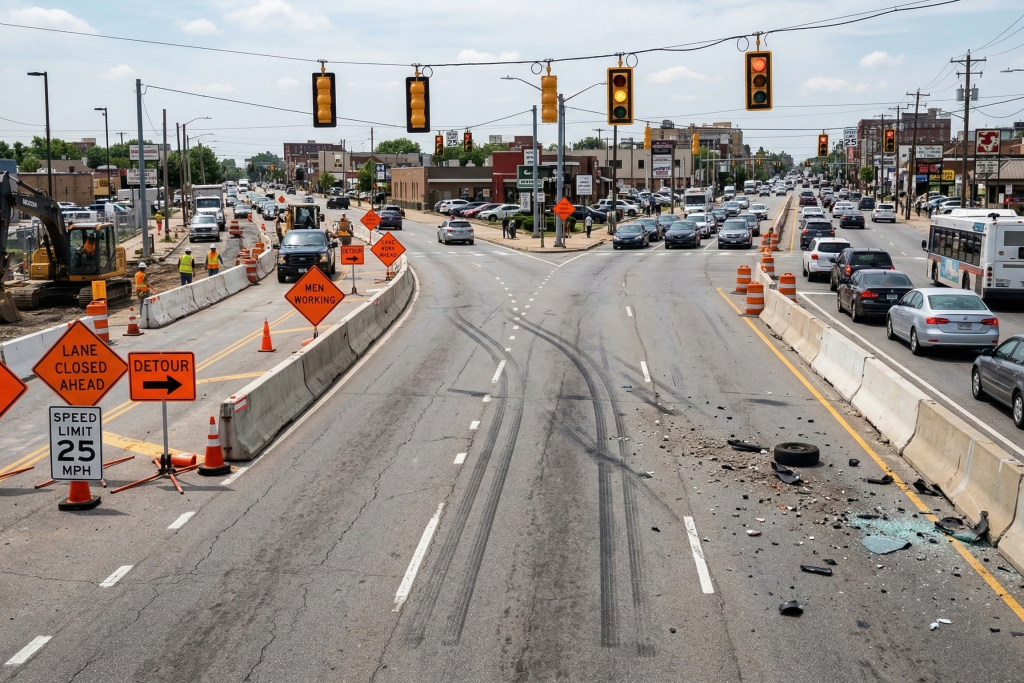
Photographs are powerful evidence in a fleet insurance claim.
Wide-Angle Scene Photos
Capture:
- Road layout
- Lane markings
- Traffic lights
- Construction signage
- Skid marks
- Debris fields
If the accident occurred near a project site, photograph traffic cones, barricades, and warning signs.
Close-Up Damage Photos
Document:
- All vehicle damage
- License plates
- Company markings
- Cargo damage
- Equipment inside the vehicle
For architects and property managers transporting materials or tools, damaged contents may be separately covered under certain policies.
Environmental and Weather Conditions
Take photos of:
- Rain or standing water
- Poor lighting
- Obstructed signage
- Uneven road surfaces
These details can affect liability determinations.
Common Mistakes That Hurt a Fleet Insurance Claim
Many companies unintentionally weaken their case.
1. Delayed Reporting
Fleet policies require prompt notice. Delays may lead to denial of coverage.
Develop an internal policy requiring immediate reporting to fleet managers and insurers.
2. Poor Driver Training
If a driver lacks documented safety training, insurers may question company oversight.
Invest in ongoing driver education.
3. Failing to Preserve Electronic Data
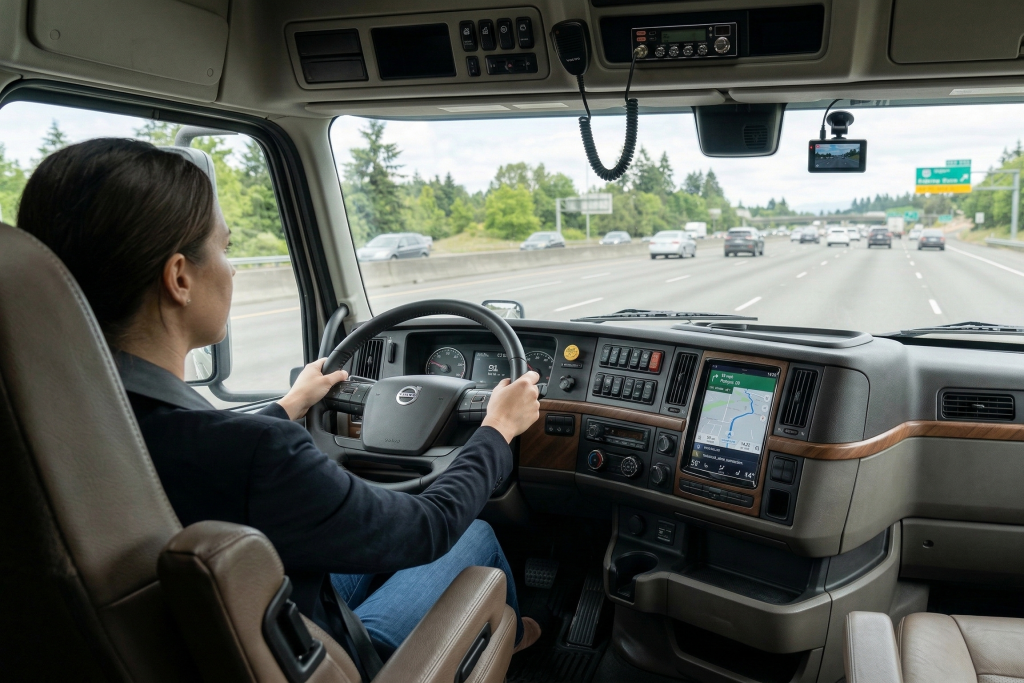
Modern vehicles contain:
- GPS tracking
- Dash cam footage
- Telematics data
Immediately secure this data after an accident. Automatic overwriting can destroy valuable evidence.
4. Direct Communication with Claimants
After serious accidents, injured parties or attorneys may contact your company directly.
All communications should be directed to insurance representatives or legal counsel. Informal statements can be misinterpreted and used later.
5. Overlooking Subcontractor Insurance
In construction projects, subcontractors may also operate vehicles on-site. Confirm their insurance coverage is active and adequate.
Multiple insurance policies may be involved in one fleet insurance claim.
Special Considerations for Construction and Engineering Fleets
Work zone accidents are complex.
Liability may depend on:
- Traffic control plans
- Signage placement
- Lane closures
- Flagging operations
- Compliance with state transportation standards
For projects in high-traffic areas like Tampa or Jacksonville, proper documentation of safety measures is critical.
Government agencies must also ensure compliance with public safety guidelines. Failure to do so can increase exposure in a fleet insurance claim dispute.
Understanding Liability in Florida Fleet Accidents
Florida courts evaluate whether:
- The driver was acting within job duties
- The vehicle was properly maintained
- The company enforced safety policies
- The company negligently hired or retained the driver
A weak internal safety system can increase legal exposure beyond insurance limits.
Proper fleet management is not just operational — it is legal protection.
Immediate Action Plan After a Fleet Accident
- Ensure medical assistance is provided.
- Call law enforcement.
- Secure the accident scene safely.
- Gather names and contact information.
- Take thorough photographs.
- Preserve electronic data.
- Notify fleet management.
- Contact your insurance carrier.
- Consult legal counsel if injuries are involved.
A structured response reduces chaos and strengthens your fleet insurance claim.
Why Future Engineers and Developers Should Pay Attention
Engineering students and emerging developers should understand that risk management is part of professional responsibility.
Vehicle accidents affect:
- Project budgets
- Insurance premiums
- Public trust
- Future contract opportunities
Understanding fleet insurance claims today prepares professionals to manage risk tomorrow.
How Can The Reyes Firm Help You
Fleet accidents can quickly turn into legal battles. Injuries, insurance disputes, and liability investigations often follow serious crashes.
The Reyes Firm represents injured individuals throughout Florida while also helping businesses navigate complex accident claims. We understand how insurance companies evaluate fleet insurance claims and how liability is assigned under Florida law.
If your company is facing:
- A disputed fleet insurance claim
- A denied coverage issue
- A serious injury lawsuit
- Questions about liability exposure
Our firm can provide clear legal guidance.
We investigate accidents thoroughly, review insurance policies carefully, and protect our clients’ legal rights at every stage. Whether your incident occurred in Fort Lauderdale or anywhere else in Florida, early legal guidance can prevent costly mistakes.
Fleet vehicles keep Florida’s projects moving forward. When accidents happen, you need experienced legal support.
Contact The Reyes Firm today to schedule a consultation and protect your company’s future.
Frequently Asked Questions
How long does a fleet insurance claim usually take to settle in Florida?
The timeline depends on the severity of the accident and whether injuries are involved, but complex fleet insurance claims can take several months or longer if liability is disputed.
Will filing a fleet insurance claim increase a company’s insurance premiums?
Yes, filing a fleet insurance claim may lead to higher premiums at renewal, especially if the company has multiple prior claims or serious safety violations.
Can a fleet insurance claim be denied even if the driver was not at fault?
Yes, claims can be denied if the insurer finds policy exclusions, missed reporting deadlines, or violations of policy terms, even when the driver was not responsible for the crash.
Is independent accident reconstruction ever necessary for a fleet insurance claim?
In serious or high-value accidents, companies may hire accident reconstruction experts to analyze vehicle data, scene measurements, and impact points to protect against disputed liability claims.