A crash involving a company vehicle does more than dent metal and shatter glass. For construction professionals, property owners, architects, engineers, developers, and even government agencies, one accident can delay projects, trigger insurance investigations, and create serious financial exposure. A single collision on the way to a job site can affect contracts, inspection schedules, and even future bids.
Florida’s roads are filled with work trucks, fleet SUVs, delivery vans, municipal vehicles, and contractor pickups. When one of these vehicles causes an accident—or is involved in one—the legal process becomes more complex than a typical car crash. Filing a company vehicle accident claim involves insurance policies, employer liability rules, employment status questions, and sometimes government immunity laws.
At The Reyes Firm, a Florida personal injury and accident law firm focused on representing injured plaintiffs, the mission is simple: protect people, not corporations. Below is a comprehensive guide explaining how a company vehicle accident claim works, what to expect, and how professionals in construction and development-related industries can protect themselves.
What Is a Company Vehicle Accident Claim?
A company vehicle accident claim is a legal claim made after a crash involving a vehicle owned, leased, rented, or operated by a business or government agency while being used for work purposes.
This may include:
- Construction company trucks transporting materials
- Engineering firm vehicles used for site inspections
- Property management fleet vehicles
- Real estate development company cars
- Government agency vehicles conducting field operations
- Utility or maintenance vehicles
The key legal concept behind these claims is called vicarious liability. Under Florida law, employers can be held responsible for the negligent actions of employees if those actions occur within the scope of employment.
In simple terms:
If the driver was doing their job when the crash happened, the employer may also be legally responsible.
For example:
- A site supervisor driving between projects runs a red light.
- An engineering consultant rear-ends another vehicle while traveling to a structural inspection.
- A municipal inspector causes a collision while on duty.
In each of these situations, an injured person may file a company vehicle accident claim against both the driver and the employer.
For construction professionals and developers, this concept is critical. It means liability may extend beyond the individual driver and reach the company’s insurance coverage.
Why These Claims Are More Complex Than Regular Car Accidents
A company vehicle accident claim is rarely simple. Compared to a standard private vehicle crash, these cases involve additional legal layers.
1. Higher Insurance Coverage — and Stronger Defense
Most businesses carry commercial auto insurance policies with higher limits than personal policies. This can be beneficial because more coverage may be available for serious injuries.
However, higher coverage also means:
- More aggressive insurance adjusters
- Detailed investigations
- Corporate defense attorneys involved early
Companies treat these cases as financial risks, not personal matters.
2. Employment Scope Disputes
One of the first questions insurers ask is:
“Was the driver acting within the scope of employment?”
If a construction manager stopped for personal errands, the company might argue the employee was not “on duty.” That argument could affect liability.
3. Fleet Maintenance Issues
For construction and engineering firms operating fleet vehicles, maintenance records can become central evidence. Poor brake maintenance, tire neglect, or overloaded trucks can increase corporate liability.
4. Government Vehicles Add Special Rules
If the accident involves a city, county, or state vehicle, Florida’s sovereign immunity laws apply. Claims against government agencies must follow special notice procedures and shorter deadlines.
This is particularly relevant for contractors working alongside municipal agencies or developers involved in public-private partnerships.
Who Can File a Company Vehicle Accident Claim?
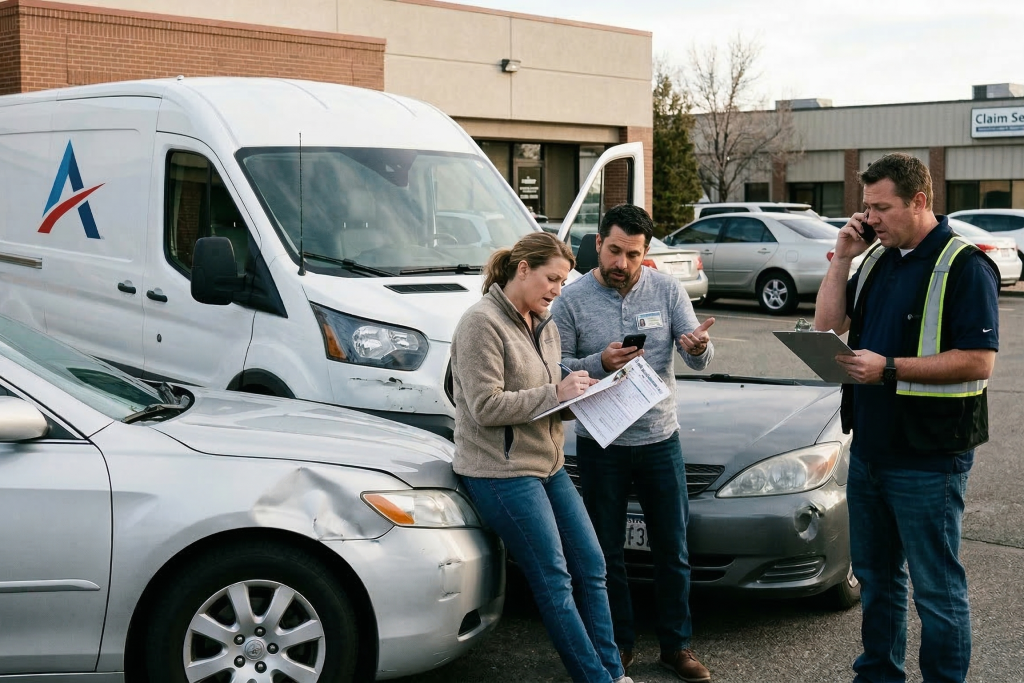
Several parties may have the right to file a company vehicle accident claim in Florida:
- Drivers hit by a company vehicle
- Passengers
- Pedestrians
- Cyclists
- Workers injured while riding in a company vehicle
- Employees injured while driving for work
For construction professionals and engineering consultants, accidents often happen while traveling between job sites. In those situations, multiple legal paths may exist:
Workers’ Compensation
If an employee is injured while driving a company vehicle during work hours, workers’ compensation may cover medical bills and partial wage replacement.
Third-Party Liability Claim
If another company’s vehicle caused the accident, the injured worker may pursue a separate third-party personal injury claim.
This dual-claim situation is common in large-scale construction projects involving multiple contractors.
Understanding these overlapping systems is critical for protecting financial recovery.
How to File a Company Vehicle Accident Claim in Florida
Filing a company vehicle accident claim involves strategic steps.
Step 1: Get Immediate Medical Care
Even if injuries seem minor, medical evaluation is essential. Florida’s no-fault law requires treatment within 14 days to access Personal Injury Protection (PIP) benefits.
Delayed symptoms are common with:
- Concussions
- Internal bleeding
- Spinal injuries
- Soft tissue damage
Medical documentation builds the foundation of any claim.
Step 2: Report the Accident Properly
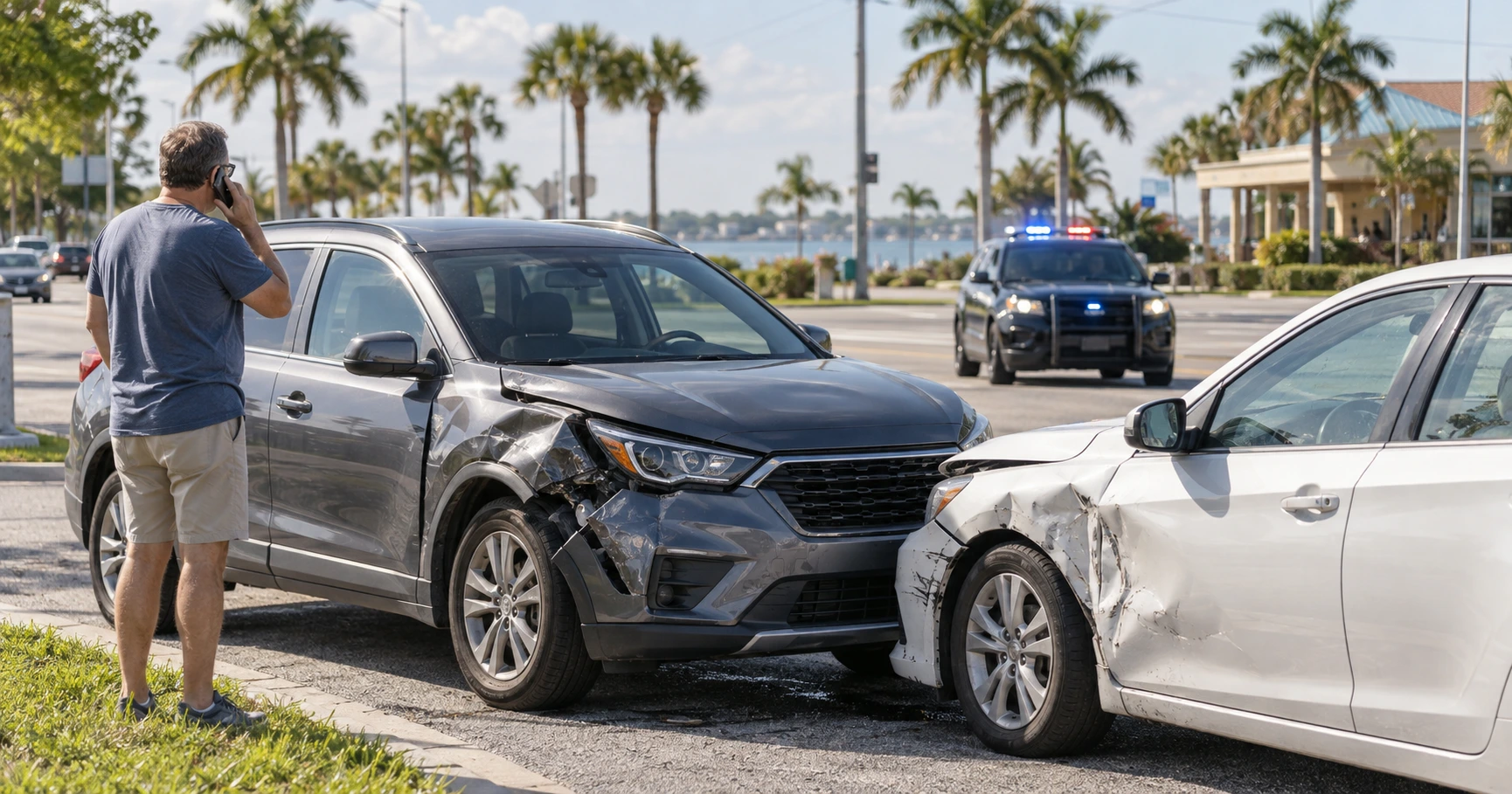
- Call law enforcement and obtain a crash report.
- Notify your employer if you were on duty.
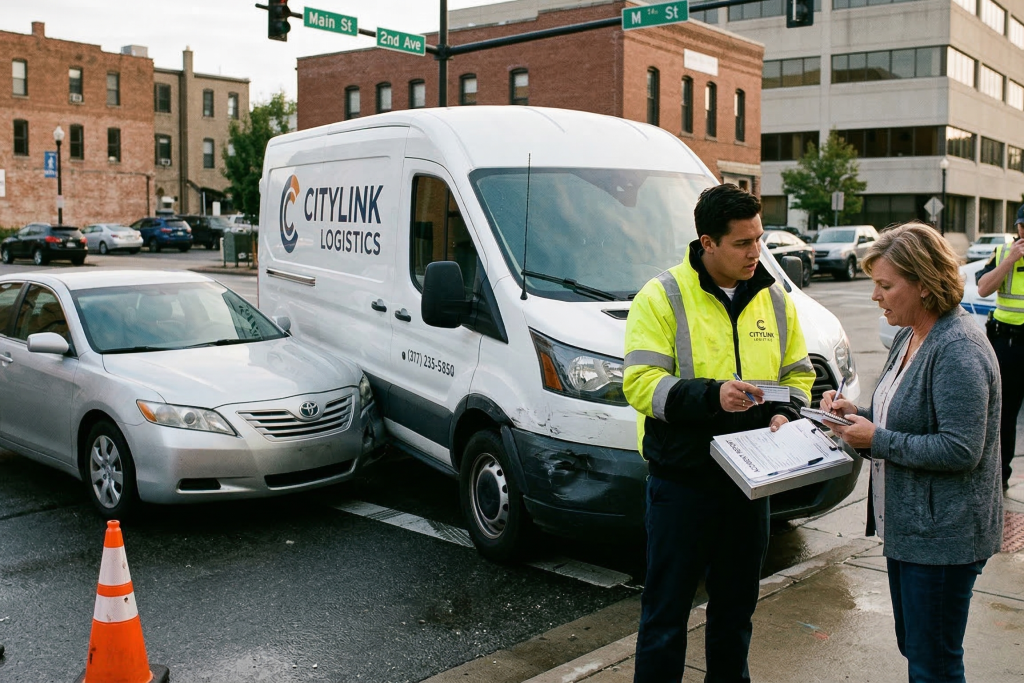
- Document the company name on the vehicle.
For professionals used to field documentation, treat this like recording site conditions. Accuracy matters.
Step 3: Preserve Evidence
Helpful documentation includes:
- Photos of damage and road conditions
- Witness statements
- Company logos and vehicle numbers
- Driver’s employer details
- Delivery schedules or job site logs
In fleet vehicle cases, maintenance logs may later become important evidence.
Step 4: Notify Insurance Carefully
Insurance companies often contact injured parties quickly. Be cautious about giving recorded statements without legal guidance.
Commercial insurers are trained to limit payouts.
Step 5: Consult a Personal Injury Attorney Early
Company vehicle accident claims often involve:
- Multiple insurance policies
- Employment disputes
- Large corporate defendants
- Technical accident reconstruction
Early legal involvement prevents costly missteps.
What to Expect During the Claim Process
Understanding the timeline helps professionals manage expectations.
Investigation Phase
A thorough investigation may include:
- Reviewing employment records
- Determining driver status at time of crash
- Analyzing vehicle maintenance logs
- Examining GPS or fleet tracking data
- Reviewing company safety training policies
In construction-related accidents, weight loads and equipment securement may be reviewed.
Insurance Negotiation Phase
Insurance companies may:
- Dispute injury severity
- Claim shared fault
- Offer early low settlements
Professionals accustomed to contract negotiations should recognize that initial offers are rarely final.
Litigation Phase (If Necessary)
If settlement negotiations fail, a lawsuit may be filed in Florida court. Many cases resolve before trial, but preparation must be strong from the beginning.
Special Considerations for Construction and Engineering Professionals
Construction and development industries face unique risks.
Heavy Equipment and Material Loads
Improperly secured materials can shift during transport, causing severe crashes. Liability may extend beyond the driver to supervisors responsible for load compliance.
Independent Contractor Classification
Many engineering and construction workers operate as independent contractors. This affects workers’ compensation eligibility and liability analysis.
Multi-Company Project Sites
On large developments, multiple companies operate vehicles on-site. Determining which employer is responsible can require detailed investigation.
Project Delays and Financial Losses
For property owners and developers, a serious accident involving a company vehicle may:
- Delay inspections
- Postpone material delivery
- Trigger contractual penalties
Understanding legal exposure early can protect business interests.
Common Defenses Companies Use in a Company Vehicle Accident Claim

Corporate defendants often raise strategic defenses, including:
- The driver was off duty
- The injured party was mostly at fault
- The injury was pre-existing
- The vehicle was properly maintained
- The accident was unavoidable
Florida follows modified comparative negligence rules. If a plaintiff is more than 50% at fault, recovery may be barred.
Thorough accident reconstruction and evidence preservation are key to overcoming these defenses.
Damages Available in a Company Vehicle Accident Claim
A successful claim may include compensation for:
Economic Damages
- Medical expenses
- Future medical treatment
- Lost wages
- Reduced earning capacity
- Property damage
Non-Economic Damages
- Pain and suffering
- Emotional distress
- Permanent disability
- Loss of enjoyment of life
For construction professionals whose careers depend on physical ability, long-term impairment can significantly impact income potential.
Wrongful Death Damages
If a fatal accident occurs, surviving family members may pursue compensation for funeral costs, lost support, and emotional loss.
Deadlines for Filing in Florida
Florida law generally provides two years from the accident date to file a personal injury lawsuit.
However:
- Government claims require advance notice.
- Workers’ compensation claims have separate timelines.
Waiting too long can permanently eliminate legal rights.
Early legal consultation protects deadlines and preserves evidence.
How to Protect Yourself After a Company Vehicle Accident
Protection begins immediately.
Avoid Admitting Fault
Even casual apologies may be used against you later.
Limit Social Media Activity
Insurance investigators monitor public posts. Photos or updates may be misinterpreted.
Keep Organized Records
Maintain copies of:
- Medical reports
- Insurance letters
- Repair estimates
- Time missed from work
- Project delay documentation
Professionals familiar with compliance documentation understand the value of detailed records.
Seek Legal Guidance Early
Early strategy decisions often determine case strength.
Why Legal Representation Is Critical in These Cases
Company vehicle accident claims often involve well-funded corporate defendants. Insurance companies move quickly to protect their financial interests.
At The Reyes Firm, the focus is on leveling the playing field. The firm understands:
- Corporate liability structures
- Fleet vehicle regulations
- Employment classification disputes
- Government claim procedures
- Accident reconstruction strategies
Whether the crash involves a construction fleet vehicle, a developer’s company SUV, or a government inspection truck, each case requires detailed investigation and strategic planning.
How Can The Reyes Firm Help You
When someone is injured in a company vehicle accident in Florida, the situation can feel overwhelming. Medical bills accumulate. Insurance companies call. Employers conduct internal reviews. Projects may stall. Reputations feel at risk.
The Reyes Firm provides strong, client-focused legal representation designed to protect injured individuals—not corporations.
The firm offers:
- Free case evaluations
- Immediate investigation of company liability
- Review of employment scope issues
- Analysis of fleet maintenance compliance
- Aggressive negotiation with commercial insurers
- Litigation-ready representation when necessary
- No legal fees unless compensation is recovered
For construction professionals, property owners, architects, developers, and engineers, a serious injury can disrupt both career and business stability. A properly handled company vehicle accident claim can restore financial security and hold negligent parties accountable.
If you or someone you know has been injured in a company vehicle accident in Florida, do not wait. Early action strengthens evidence, protects deadlines, and increases leverage.
Contact The Reyes Firm today to discuss your rights and explore your legal options. The right legal strategy can make all the difference.
Frequently Asked Questions About Company Vehicle Accident Claims
Does it matter who owns the company vehicle if the driver was borrowing it?
Yes. Ownership can affect which insurance policy applies, especially if the vehicle was leased, rented, or personally owned but used for work purposes.
Can a company fire an employee for filing a company vehicle accident claim?
Employers generally cannot legally retaliate against an employee for filing a legitimate injury or workers’ compensation claim, but disputes about employment status can sometimes arise.
What happens if the company vehicle driver was uninsured or underinsured?
In that situation, other coverage such as uninsured/underinsured motorist (UM/UIM) policies may apply, depending on the policies in place.
Will filing a company vehicle accident claim increase my personal insurance rates?
Not necessarily; if you were not at fault, your personal premiums typically should not increase, but this can depend on your specific policy and insurer practices.