What You Need to Know
Lost earning capacity is the future income you may lose because an injury affects your ability to work, earn, or advance in your career. It is different from lost wages, which usually cover income you have already missed after an accident.
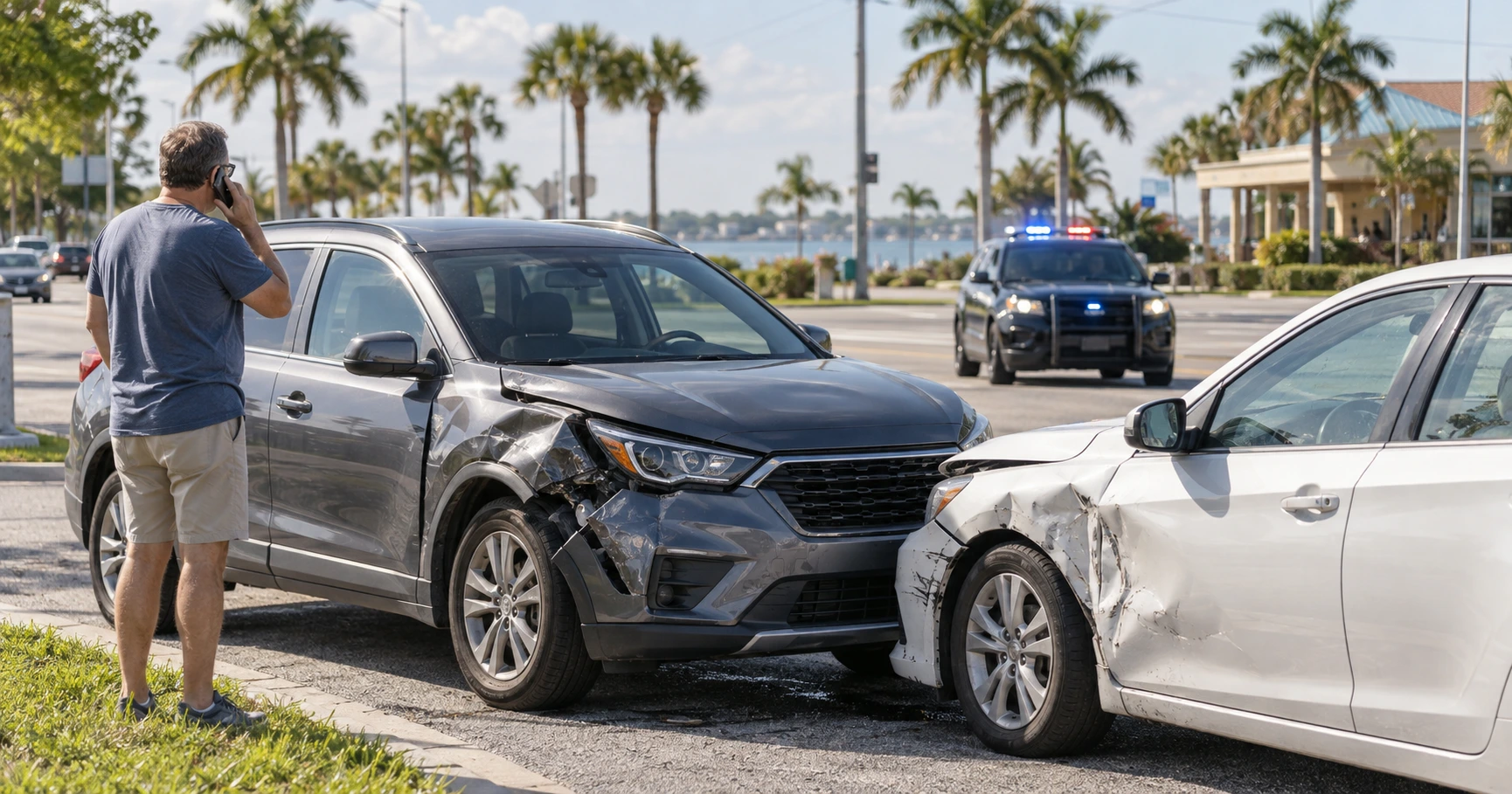
In a Florida personal injury case, lost earning capacity can matter when an injury changes your long-term work life. This may happen after a serious car accident, truck crash, slip and fall, motorcycle accident, pedestrian accident, rideshare crash, or another serious injury claim.
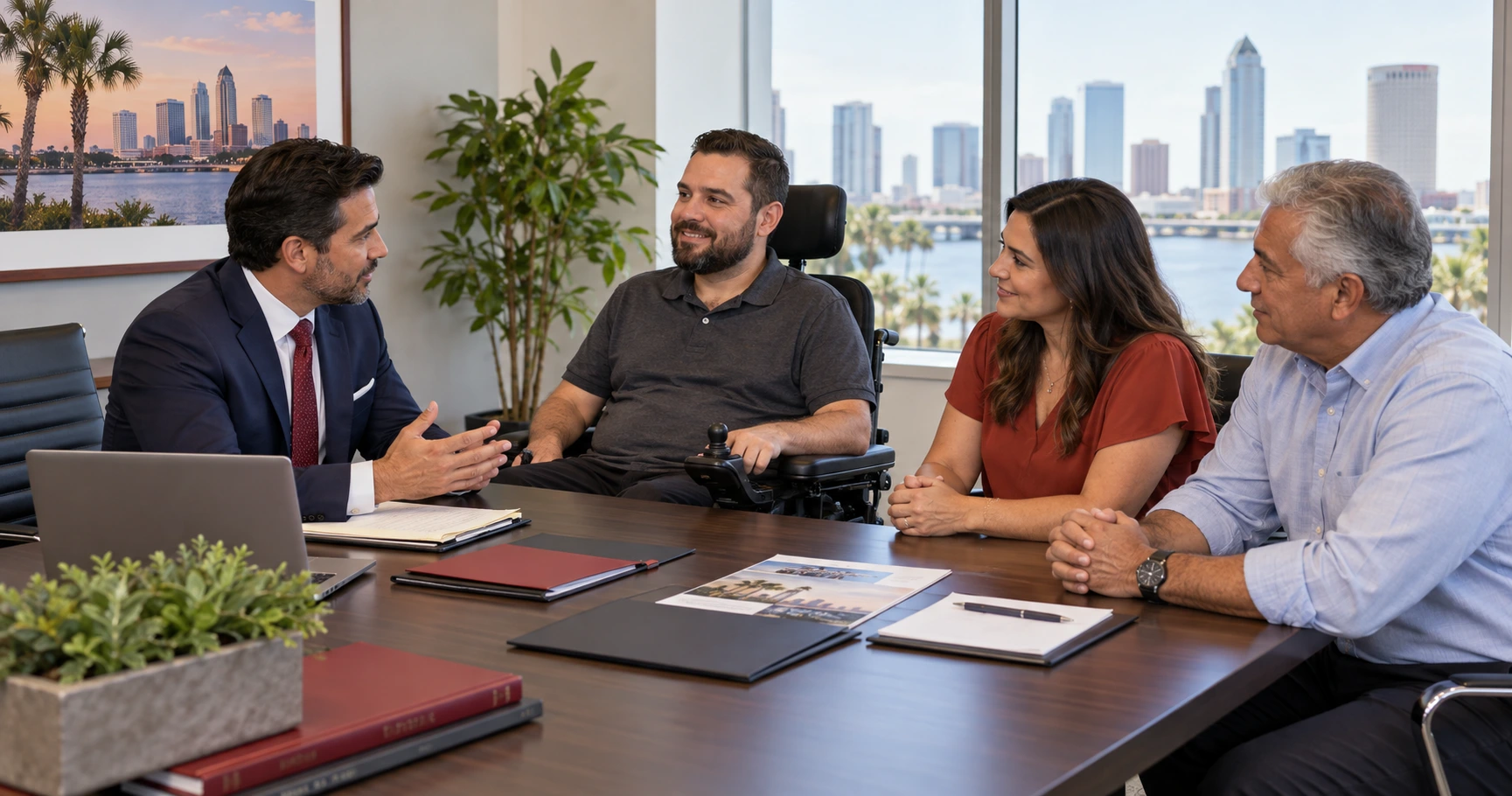
Lost earning capacity is especially important in catastrophic injury cases because the harm may affect more than today’s paycheck. It may affect your future job options, business growth, promotions, benefits, overtime, or ability to support your family. For a broader overview of serious injury claims, visit our guide to working with a Tampa catastrophic injury attorney.
A person may still have a lost earning capacity claim even if they were not working at the exact time of the accident. Students, self-employed workers, business owners, gig workers, stay-at-home parents, and people between jobs may still be able to show that their future earning potential was reduced.
🛡️ Important Florida Deadline: Most Florida negligence-based personal injury claims must be filed within two years. Some exceptions may apply, but waiting too long can affect your right to recover compensation. Florida Statute § 95.11 lists “an action founded on negligence” under a two-year limitations period.
Had a bad day? Call The Reyes Firm at 833-4 BAD DAY.
What Counts as Lost Earning Capacity in Florida?
Lost earning capacity is the loss of your ability to earn money in the future because of an injury. It looks at your earning power, not just the paychecks you already missed.
This type of claim may apply if your injury causes you to:
- Leave a higher-paying job
- Work fewer hours
- Stop doing physical work
- Miss overtime, tips, bonuses, or commissions
- Lose future promotions
- Change careers
- Reduce or close a business
- Accept lower-paying work because of medical limits
For example, a warehouse worker with a serious back injury may return to work, but only in a lighter-duty role that pays less. A business owner with a traumatic brain injury may still run the business, but not at the same pace or level of growth. A student may have to change career paths because their injury limits what they can do physically or mentally.
The key question is not only, “How much money did you lose already?” The deeper question is, “How has this injury changed what you can reasonably earn in the future?”
How Is Lost Earning Capacity Different From Lost Wages?
Lost wages are income you already missed. Lost earning capacity is the future income you may lose because your injury limits your ability to work.
Here is the simple difference:
| Type of Claim | What It Covers | Common Proof |
| Lost wages | Paychecks, tips, commissions, or income already missed after the accident | Pay stubs, tax returns, employer letters, schedules |
| Lost earning capacity | Future reduction in your ability to earn money | Medical records, work history, vocational expert reports, and economist reports |
Lost wages are often easier to prove because they look backward. You can usually show missed income with payroll records, tax documents, or an employer statement.
Lost earning capacity is harder because it looks forward. It asks what your career, income, or business could have looked like if the injury had not happened.
Florida’s Personal Injury Protection, or PIP, may provide limited disability benefits after a motor vehicle crash. Florida Statute § 627.736 states that PIP disability benefits include 60% of the loss of gross income and loss of earning capacity caused by the injury, subject to policy limits and other rules.
However, PIP is limited. A serious injury may create future losses that go far beyond available PIP benefits. That is why lost earning capacity often becomes part of a broader claim against the at-fault driver, company, property owner, or other responsible party.
How Do You Calculate Lost Earning Capacity in Florida?
Lost earning capacity is usually calculated by comparing what you could reasonably earn before the injury with what you can reasonably earn after the injury. The difference may then be projected over your expected work life and adjusted to present value.
There is no single formula that works for every case. A calculation may consider:
- Your age
- Education
- Training
- Work history
- Career path before the injury
- Physical or cognitive limits after the injury
- Whether you can return to your old job
- Whether you can work full-time or only part-time
- Lost overtime, bonuses, commissions, or benefits
- Lost business income
- Work-life expectancy
- Inflation, wage growth, and present value
A simple example may look like this:
| Factor | Example |
| Pre-injury earning ability | $70,000 per year |
| Post-injury earning ability | $45,000 per year |
| Annual earning capacity loss | $25,000 per year |
| Expected remaining work life | 20 years |
| Raw future loss before adjustments | $500,000 |
That example is only a simplified illustration. Real claims usually require deeper analysis because future income can be affected by raises, promotions, benefits, inflation, taxes, work-life expectancy, and present value.
In many cases, a vocational expert and an economist are used. The vocational expert looks at what work you can realistically do after the injury. The economist turns that information into a financial projection.
What Evidence Helps Prove Lost Earning Capacity?
The strongest lost earning capacity claims use medical, employment, vocational, and financial evidence together.
Helpful evidence may include:
- Medical records
- Doctor opinions about work restrictions
- Functional capacity evaluations
- Pay stubs
- W-2s or 1099s
- Tax returns
- Business records
- Profit and loss statements
- Employer letters
- Job descriptions
- Performance reviews
- Overtime history
- Vocational expert reports
- Economist reports
- Testimony from coworkers, supervisors, clients, or family members
The goal is to connect the injury to the work limitation and then connect the work limitation to the financial loss.
It is usually not enough to say, “I cannot work as I used to.” A stronger claim shows:
- What you could do before the injury
- What changed medically after the injury
- How those changes affect your job or career
- How much income you may lose because of those changes
This is why documentation matters early. Medical records, employment records, tax documents, and expert reports can help turn a future income claim from a rough estimate into a supported damages calculation.
If your injury happened in a crash involving a work truck, delivery van, service vehicle, or other business-owned vehicle, the claim may also involve employer records, insurance coverage, and vehicle evidence. Learn more about common company vehicle accident injuries in Tampa.
Can You Claim Lost Earning Capacity Without a Traditional Paycheck?
Yes. A person may still have a lost earning capacity claim even without a traditional paycheck if the evidence shows that the injury reduced their earning capacity.
This can apply to:
- Self-employed workers
- Contractors
- Gig workers
- Small business owners
- Students
- Recent graduates
- Stay-at-home parents
- Retirees who still worked or planned to work
- People are between jobs at the time of the injury
Each situation is proven differently.
A self-employed person may use tax returns, invoices, bank records, client contracts, bookkeeping records, and profit and loss statements.
A gig worker may use app earnings records, delivery logs, mileage records, deposit history, and tax documents.
A student may use education records, career plans, grades, training, and expert projections.
A stay-at-home parent may show the value of household services they can no longer provide, along with evidence of any planned return to paid work.
The key question is not only whether you had a paycheck on the date of the accident. The key question is whether the injury reduced your ability to earn money in the future.
Does a Lost Earning Capacity Claim Require a Permanent Injury?
Not always. A permanent injury can strengthen a lost earning capacity claim, but a long-term loss may still be considered when the evidence supports it.
A permanent injury often makes the future loss easier to explain because the limitation is expected to continue. But some injuries may last long enough to affect earning capacity even if the person is not permanently disabled.
Examples may include:
- A serious fracture that limits work for a long period
- A traumatic brain injury that affects focus or memory
- A spinal injury that prevents heavy lifting
- Chronic pain that reduces hours or productivity
- A shoulder, knee, or back injury that limits trade work
- A psychological injury that affects job performance after a traumatic event
Medical documentation is important. If a doctor clearly explains your restrictions, expected recovery timeline, and work limitations, it can help show whether the income loss is temporary, long-term, or permanent.
When an injury requires surgery, the value of the claim may also depend on medical necessity, recovery time, future care, and how the operation affects your ability to work. Learn more about how surgery affects a Florida injury claim value.
What Affects the Value of a Lost Earning Capacity Claim?
The value of a lost earning capacity claim depends on the size of the future income gap and how long that gap is expected to last.
Several factors may affect the value:
- How much did you earn before the injury
- How much can you earn after the injury
- Whether you can return to your old job
- Whether you need retraining
- Whether your work hours are reduced
- Whether your career path changed
- Whether your injury affects promotions or business growth
- Your age and expected work life
- The strength of the medical evidence
- The quality of expert analysis
- Your percentage of fault
- Available insurance coverage
🛡️ Florida Fault Rule: In many Florida negligence cases, your compensation may be reduced by your percentage of fault. If you are found more than 50% at fault for your own harm, Florida Statute § 768.81 may bar recovery. This rule does not apply to personal injury or wrongful death claims arising out of medical negligence under Chapter 766.
This rule matters because insurance companies may dispute liability and argue that you were partly responsible for the accident. If they can increase your assigned percentage of fault, it may reduce the value of your claim.
That means the earning capacity calculation is only one part of the case. Liability, medical proof, expert testimony, insurance coverage, and comparative fault can all affect the final outcome.
Why Insurance Companies Challenge Lost Earning Capacity
Lost earning capacity claims are often challenged because they involve future projections. Insurance companies may argue that:
- You can still work
- You can earn the same amount in another job
- Your injury is not the reason your income changed
- Your business losses were caused by something else
- Your career path was uncertain before the accident
- Your expert’s calculation is too high
- You did not do enough to reduce your losses
- Your medical restrictions are not permanent or long-term
These arguments are common because future income loss can be one of the largest parts of a serious injury claim.
A well-documented claim can help address those arguments. Medical records explain the injury. Work records show your earning history. A vocational expert explains your job limitations. An economist explains the financial loss.
How The Reyes Firm Helps With Lost Earning Capacity Claims
At The Reyes Firm, we help injured people in Tampa and Hillsborough County understand how an injury may affect their financial future.
In a lost earning capacity case, we may help by:
- Reviewing your work history and income records
- Identifying the income you have already lost
- Looking at how your injury affects future work
- Working with medical providers to understand your restrictions
- Consulting vocational and economic experts when needed
- Evaluating lost benefits, overtime, commissions, or business income
- Communicating with insurance companies on your behalf
- Preparing the case with trial evidence in mind
No attorney can guarantee a result. Every case depends on the facts, the evidence, the available insurance coverage, and the applicable law.
The Reyes Firm represents injured people in Tampa, Riverview, Brandon, Plant City, South Shore communities, and throughout Hillsborough County. If your injury has affected your ability to work, earn, or support your family, our Tampa catastrophic injury attorney page explains how serious injury claims are handled from the beginning.
Office: 4730 N. Habana Ave., Suite 201, Tampa, FL 33614
Phone: 833-4 BAD DAY
Frequently Asked Questions About Lost Earning Capacity in Florida
How much is my lost earning capacity claim worth in Florida?
There is no fixed amount. The value depends on your pre-injury earning capacity, your post-injury earning capacity, your age, your career path, your medical restrictions, and the expected duration of the loss.
Can I claim lost earning capacity if I went back to work?
Yes. You may still have a claim if you are earning less than you likely would have earned without the injury, working fewer hours, missing overtime, or working in a lower-paying role because of your limitations.
Can I claim lost earning capacity if I was unemployed when I got hurt?
Possibly. Florida focuses on the ability to earn, not only whether you had a paycheck on the date of the accident. Students, self-employed people, stay-at-home parents, and people between jobs may still have evidence of reduced earning capacity.
What experts are used in a lost earning capacity claim?
Many cases use medical experts, vocational experts, and economists. Doctors explain your medical limits. Vocational experts explain how those limits affect your job options. Economists calculate the future income loss.
How long do I have to file a Florida personal injury claim?
In most Florida negligence cases, the deadline is generally two years. Florida Statute § 95.11 lists “an action founded on negligence” under the two-year limitations period. Some cases may have different deadlines, so it is important to speak with an attorney about your specific situation.
Is lost earning capacity the same as lost wages?
No. Lost wages usually cover income already missed. Lost earning capacity covers future income you may lose because the injury reduced your ability to work, earn, or advance in your career.
What happens if I was partly at fault for my accident?
Your damages may be reduced by your percentage of fault. In many Florida negligence cases, if you are found more than 50% at fault for your own harm, you may not be able to recover damages under Florida Statute § 768.81.
Is a lost earning capacity settlement taxable?
Many settlements for personal physical injuries may be non-taxable under federal tax rules, but the tax treatment depends on the facts and the settlement’s structure. This is not tax advice. Speak with a tax professional about your specific situation.

Edward Reyes, Esq., is the founding attorney of The Reyes Firm, a personal injury law firm based in Tampa, Florida. He represents people injured in serious accident cases, including claims involving long-term medical needs, lost income, and reduced earning capacity.
Read more about Edward Reyes.
How Can The Reyes Firm Help?
If an injury has affected your ability to work, The Reyes Firm can help you understand your options. We offer free consultations for personal injury cases.
There are no attorneys’ fees unless there is a recovery. Costs and case expenses are handled in accordance with the written fee agreement, and those terms are explained before representation begins.
Had a bad day? Call The Reyes Firm.
📍 Address: 4730 N. Habana Ave., Suite 201, Tampa, FL 33614
📞 Phone: 833-4 BAD DAY
Legal Disclaimer: This article is for general informational purposes only and is not legal advice. Reading this page does not create an attorney-client relationship with The Reyes Firm or Edward Reyes, Esq. Every case depends on its own facts, deadlines, evidence, insurance coverage, and applicable law. Speak with a licensed Florida attorney about your specific situation before making legal decisions.