FAQ

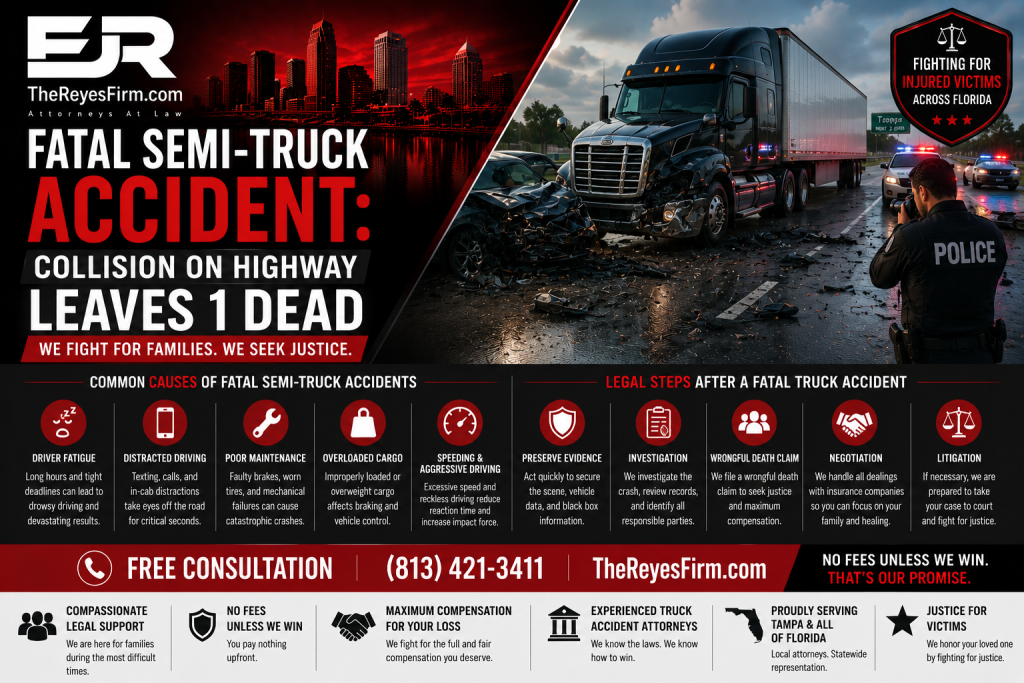
Semi-truck accident legal advertisement
Accident Injuries & why, FAQ, Legal, personal injury attorney, Road Accidents, Settlement, Truck Accidents

Fatal Semi-Truck Accident: Collision on Highway Leaves 1 Dead

Losing someone you love in a semi-truck crash is a kind of pain no family should have to carry, and the days that follow can feel impossible. While nothing can undo that loss, Florida law gives surviving families a way to hold a negligent trucking company accountable. Here is what causes these tragedies, who can be held responsible, and what your options are afterward. The Reyes Firm Lost a Loved One in a Tampa Semi-Truck Crash? Get compassionate, clear guidance on your family’s rights. Had a bad day? Contact Us Now 315 CMV fatalities in Florida, 2024 FLHSMV By the Numbers 2024 46,651 Florida CMV crashes in 2024 FLHSMV By the Numbers 2024 2 Years Deadline to file a wrongful death claim Fla. Stat. § 95.11 $750K+ FMCSA min. liability coverage 49 C.F.R. § 387.9 A fatal semi-truck accident sends a shockwave through an entire family. Beyond the grief, there are sudden financial pressures and difficult questions about how it happened and whether it could have been prevented. Understanding the causes, the liability, and the legal path forward can help a grieving family make informed decisions when they have the least energy to spare. Can you file a claim after a fatal semi-truck accident in Florida? Yes, when a truck driver or trucking company’s negligence causes a fatal crash, Florida law allows surviving family members to pursue a wrongful death claim against the responsible parties. These cases are rarely simple, because liability can extend beyond the driver to the company and other businesses behind the truck, and they involve federal trucking regulations and large commercial insurance policies. A claim cannot undo your loss, but it can provide accountability and the financial security your family needs to move forward. That is why the steps taken in the first days after a crash, and the lawyer a family chooses, can shape the entire outcome. ⚠️ Deadline Warning: Under Florida Statute § 95.11, a wrongful death claim generally must be filed within two years of the date of death, and a personal injury claim within two years of the crash. Missing this deadline almost always means losing the right to recover. Don’t wait to speak with a lawyer. What are the common causes of fatal semi-truck accidents? Most fatal semi-truck crashes trace back to preventable failures by the driver or the trucking company, and identifying the cause often points directly to who is responsible. The most common causes fall into a few categories. You can read more about the common causes of commercial truck accidents in our detailed guide, but the leading factors include: Driver error and fatigue. Most truck crashes involve some mistake by the driver, often tied to long hours, distraction, or inadequate training. Fatigue impairs reaction time and judgment, and federal hours-of-service rules exist to limit it, though violations are common. Neglected maintenance and mechanical failure. Brake malfunctions and tire blowouts are frequent culprits in fatal wrecks. Trucking companies are responsible for keeping their vehicles safe, and skipping required maintenance can create liability. Environmental and road conditions. Rain, fog, and slick roads demand longer stopping distances and extra caution. Potholes and debris can trigger a sudden loss of control, and a driver who fails to adjust to conditions sharply raises the risk. 💡 Did You Know? According to FLHSMV’s 2024 “By the Numbers” report, commercial motor vehicle crashes in Florida resulted in 315 fatalities in 2024, out of 46,651 CMV crashes statewide. Behind each of those numbers is a family changed forever. Source: FLHSMV By the Numbers 2024, flhsmv.gov. Note: 2024 crash numbers are preliminary. Why are semi-truck accidents so often deadly? The severity comes down to physics. A loaded semi-truck can weigh many times more than a passenger car, so the force it delivers in a collision is enormous, frequently crushing the smaller vehicle. Semi-trucks also produce unique and dangerous crash types, including rollovers when a truck takes a turn too fast, jackknife crashes where the trailer folds against the cab, and pileups involving multiple vehicles. For the people in a passenger vehicle, the results are often catastrophic. Survivors frequently suffer a serious traumatic brain injury, a spinal cord injury, fractures, or internal damage that can require a lifetime of care. The same size and weight that make these trucks essential to the economy make them devastating when a crash occurs. Who can be held liable for a fatal semi-truck accident in Florida? Liability in a fatal truck crash often extends well beyond the driver. Because federal regulations and commercial contracts govern how these trucks operate, several parties may share responsibility, including: The truck driver, for negligent driving, fatigue, distraction, or hours-of-service violations The trucking company, for poor hiring, inadequate training or supervision, unrealistic schedules, or neglected maintenance A maintenance provider, for failing to inspect or repair brakes, tires, or other critical systems A cargo loading company, when overloaded or improperly secured freight contributed to the crash A parts manufacturer, if a defective component such as a brake or tire failed Commercial trucks must carry federally mandated insurance, often $750,000 or more under FMCSA rules (49 C.F.R. § 387.9), far above a typical car policy. Identifying every responsible party is one of the most important parts of building a full claim for a grieving family. 🛡️ Your Rights Under Florida Law: Under Florida Statute § 768.81, compensation is reduced by the deceased’s share of fault, and recovery may be barred if they are found greater than 50% responsible. Trucking companies often try to shift blame onto the victim, and an experienced Tampa truck accident lawyer works to protect the facts and keep that assigned fault as low as the evidence allows. What is a wrongful death claim, and what can your family recover? A wrongful death claim allows a family to recover for the losses caused by a death that resulted from someone else’s negligence. Under Florida’s Wrongful Death Act, the claim is brought by the personal representative of the deceased’s estate on behalf of the surviving family


Fatal 18-wheeler crash
Accident Injuries & why, After an Accident, Blog, Drugs, DUI/DWI, FAQ, Injury, Legal, Our Community, personal injury attorney, Road Accidents, Truck Accidents, Why we serve

Fatal 18-Wheeler Crash Involving DWI Driver in Fort Worth

The recent fatal crash involving an 18-wheeler in Fort Worth has drawn significant attention, mainly due to the involvement of a driver under the influence (DWI). This tragic incident not only resulted in the loss of life but also had severe ramifications for traffic on the interstate. In this article, we will delve into the details of the crash; the driver involved, and the broader implications of such accidents on our highways. What Happened in the Fatal 18-Wheeler Crash in Fort Worth? Details of the Crash Involving the 18-Wheeler Truck The crash happened on a busy stretch of the highway in Fort Worth, where a semi-truck collided with several vehicles. According to police reports, the incident occurred as the 18-wheeler was traveling westbound on Interstate 35. Eyewitnesses described the scene as chaotic, with debris scattered across multiple lanes after the collision. The truck driver, who was later determined to be under the influence, failed to maintain control of the rig, leading to a deadly crash that killed a woman and injured a man in a Fort Worth area vehicle. This tragic event is a stark reminder of the potential dangers of large trucks on our highways. What Caused the Deadly Crash on the Highway? Investigators are still looking into the factors that led to this unfortunate incident. Initial reports suggest that the DWI driver was speeding and weaving in and out of traffic, which ultimately culminated in the crash involving the 18-wheeler. Police say the collision was completely avoidable had the driver adhered to traffic regulations and not engaged in reckless behavior. The consequences of driving under the influence are severe, and this incident highlights the need for stricter enforcement of DWI laws, particularly for truck drivers who have a higher responsibility on the road. Impact on Traffic on Interstate 35 The aftermath of the crash severely impacted traffic on Interstate 35, causing significant delays for motorists. With the northbound lanes shut down for investigation and cleanup, drivers were left navigating through congested alternate routes. The crash also led to lane closures on the eastbound side of the highway, complicating the situation further. Traffic reports indicated a jam that extended for miles, frustrating many drivers attempting to traverse the Dallas-Fort Worth area during peak hours. Who Was the DWI Driver Involved in the Crash? Background Information on the 18-Wheeler Driver The 18-wheeler driver involved in the crash has a checkered record, raising questions about the adequacy of regulations surrounding commercial drivers. Reports indicate that the truck driver had prior arrests related to DWI offenses, highlighting a troubling pattern of behavior. The trucking company that employed the driver faces scrutiny regarding their hiring practices and whether they conducted adequate background checks. Trucking firms must prioritize safety and compliance, ensuring that their drivers are fit to operate heavy vehicles like 18-wheelers. What Are the Consequences of DWI for Truck Drivers? The consequences of DWI are particularly severe for truck drivers. Aside from potential criminal charges, including hefty fines and prison time, drivers face the loss of their commercial driver’s license (CDL). The implications extend beyond personal penalties; trucking companies risk losing their operating licenses if they continue to employ drivers with DWI offenses. This situation underscores the importance of accountability in the trucking industry, as the stakes regarding highway safety are incredibly high. How Was the Driver’s Behavior Linked to the Fatal Incident? The driver’s decision to operate the 18-wheeler while impaired directly contributed to the fatal incident. Witness accounts and police investigations indicated erratic driving patterns that are often associated with DWI cases. The driver’s behavior not only endangered their life but also the lives of countless others on the highway. The tragic outcome of this crash serves as a grim reminder that impaired driving can have devastating consequences, particularly when larger vehicles like semi-trucks are involved. What Are the Implications of 18-Wheeler Crashes on Highways? Statistics on Truck Accidents Involving DWI Drivers Statistics reveal that truck accidents involving DWI drivers are alarmingly frequent, leading to tragic outcomes. According to recent data, a significant percentage of fatal truck accidents include drivers who are under the influence of drugs or alcohol. In the Dallas-Fort Worth area, these incidents result in loss of life and contribute to substantial economic costs related to damages, medical expenses, and traffic disruptions. Understanding these statistics is crucial in advocating for stronger regulations and preventive measures to enhance road safety. Safety Measures for Preventing 18-Wheeler Crashes Several safety measures can be implemented to mitigate the risks associated with 18-wheeler crashes: Rigorous training programs for truck drivers should be enforced, emphasizing the dangers of DWI and the importance of responsible driving. Regular drug and alcohol testing for commercial drivers can help identify impaired individuals before they have a chance to operate heavy vehicles. Public awareness campaigns aimed at educating drivers and trucking companies about the risks associated with impaired driving are essential in fostering a safety culture on our highways. Legal Ramifications of Fatal Truck Accidents Fatal truck accidents carry significant legal ramifications for those involved. Families of victims may pursue wrongful death lawsuits against the driver and the trucking company, seeking compensation for their losses. Furthermore, the DWI driver may face criminal charges, which can include vehicular manslaughter if found guilty. The legal consequences serve as a deterrent for potential offenders but also highlight the need for improved legislative measures to prevent such tragedies from occurring in the future. How Did the Fatal Crash Affect Traffic on the Interstate? Traffic Flow and Lane Closures Following the Incident The fatal crash had an immediate and extensive impact on traffic flow. Following the incident, the northbound lanes of Interstate 35 were shut down for several hours as authorities investigated the crash involving the 18-wheeler. This closure led to significant backups, with traffic extending several miles. Commuters found themselves stranded in long queues, and many expressed frustration as they sought to navigate the congested roads. Alternatives for Drivers Affected by the Traffic Jam Local traffic agencies suggested several alternative routes

Accident Injuries & why, After A Car Accident, After an Accident, Blog, Car accident, FAQ, florida cities we serve, Injury, Legal, Our Community, personal injury attorney, Settlement, Why we serve

Auto Accident Attorney: Understanding Florida’s Car Accident Laws and How They Impact Your Case

Understanding Florida’s car accident laws can be tricky, especially if you are unfamiliar with the state’s unique rules. Florida differs from many other states because of its comparative negligence system and no-fault insurance. In this blog post, we’ll break down the complexities of Florida car accident laws and explain how a skilled auto accident attorney can help you understand your rights and navigate the legal process. Understanding Comparative Negligence in Florida Florida is a modified comparative negligence state. This means that even if you are partially at fault for a car accident, you may still be able to recover compensation. However, your compensation will be adjusted to your degree of fault. For example, if you are found to be 20% at fault for an accident, your compensation will be reduced by 20%. However, if you are found to be more than 50% at fault, you cannot recover any compensation.   It’s crucial to understand that Florida’s modified comparative negligence law can significantly impact the outcome of a car accident case. A skilled car crash lawyer can help you navigate the complexities of this system and fight to minimize your degree of fault. Here are some additional factors to consider: The burden of proof: In Florida, the plaintiff (the injured party) bears the burden of proving that the defendant (the at-fault party) was negligent. Contributory negligence: If the plaintiff is found to be slightly at fault for the accident, their compensation will be reduced. Comparative negligence and insurance: Florida’s no-fault insurance system can also affect the compensation available to accident victims. Working with a qualified car crash lawyer increases your chances of obtaining fair compensation and protecting your rights.  Our attorneys at The Reyes Firm have extensive experience handling car accident cases in Florida and are committed to providing personalized legal representation. How PIP Insurance Works in Florida Florida is a no-fault insurance state. This means that, regardless of who is at fault in a car accident, you are generally required to file a claim with your insurance company for personal injury protection (PIP) coverage. PIP coverage provides limited benefits for medical expenses and lost wages. However, it’s essential to understand the limitations of PIP: Coverage Limits: Florida law sets limits on the amount of PIP coverage that is available. Deductibles: Many PIP policies have deductibles that you must pay before coverage kicks in. Thresholds: In some cases, you may need to meet a certain threshold of medical expenses or lost wages before you can file a personal injury claim outside of PIP. Suppose your injuries exceed the limits of your PIP coverage, or you have significant lost wages. In that case, you may need to pursue additional compensation with the help of a car accident lawyer. Our attorneys at The Reyes Firm can help you navigate the complexities of Florida’s no-fault insurance system and maximize your chances of obtaining fair compensation. Statute of Limitations for Car Accident Lawsuits Florida’s statute of limitations for filing a personal injury lawsuit arising from a car accident is generally two years. You must file your lawsuit within two years from the accident date. However, there are a few notable exceptions to this general rule: Minor children: If the injured party is a minor child, the statute of limitations may be extended until they reach the age of majority (18 in Florida). Defective products: In cases involving defective products, the statute of limitations may be extended beyond four years. It’s important to note that the statute of limitations can be a complex legal issue. If you are still determining the specific time limit for your case, it’s essential to consult with an auto accidents lawyer as soon as possible.  They can help you understand the statute of limitations and ensure you file your lawsuit within the required timeframe. Additionally, the statute of limitations can be affected by factors such as: Discovery rule: In some cases, the statute of limitations may be tolled (paused) until the injured party discovers or should have reasonably discovered their injury. Tolling due to incapacity: If the injured party is incapacitated at the time of the accident, the statute of limitations may be tolled until they regain capacity. It’s crucial to consult with a qualified car accident attorney to determine the specific statute of limitations that applies to your case and to ensure that you file your lawsuit within the appropriate timeframe. The Role of a Lawyer in Navigating Florida’s Car Accident Laws With recent NHTSA data showing a 3.2% decrease in traffic fatalities in early 2024, car accidents still lead to thousands of injuries and deaths annually.  Navigating Florida’s complex car accident laws can be challenging, and a skilled car accident lawyer can help maximize your chances of obtaining fair compensation. Here’s how a lawyer can assist you: Building a Strong Case: Your lawyer will meticulously gather evidence, including police reports, medical records, and witness statements. They will also work to reconstruct the accident and identify the liable party. Understanding Florida’s Laws: Car accident laws in Florida can be complex, and a lawyer can help you understand your rights and the specific laws that apply to your case. This includes knowledge of Florida’s no-fault insurance system, comparative negligence rules, and statute of limitations. Negotiating with Insurance Companies: Insurance companies may attempt to undervalue or deny your claim. A skilled lawyer can negotiate on your behalf and advocate for fair compensation. Filing a Lawsuit: If negotiations fail, your lawyer can file a lawsuit to pursue compensation through the legal system. They will represent you in court and argue your case to a judge or jury. Working with qualified automobile accident lawyers increases your chances of obtaining the maximum compensation and protecting your rights.  Our attorneys at The Reyes Firm have extensive experience handling car accident cases in Florida and are committed to providing personalized legal representation. Conclusion Understanding Florida’s car accident laws is crucial for protecting your rights and maximizing your potential compensation. You can make informed decisions about your case

Accident Injuries & why, After A Car Accident, After an Accident, Blog, Car accident, FAQ, florida cities we serve, Legal, Our Community, personal injury attorney, Settlement, Why we serve

Car Crash Lawyer: How They Prove Fault and Secure Your Claim

Proving fault is crucial for securing fair compensation for damages in a car accident. However, understanding the legal process and gathering the necessary evidence can be overwhelming. Thus, a skilled car crash lawyer can make a significant difference. With extensive experience in handling car accident cases, lawyers for auto accidents can help you navigate the complexities of the legal system and build a solid case to prove fault.    Demonstrating that the other party was responsible for the accident can increase your chances of obtaining the compensation you deserve. Understanding Car Accidents Car accidents can take many forms, but some of the most common types include: Rear-end collisions: These occur when a vehicle strikes another vehicle from behind, often due to excessive speed, following too closely, or distracted driving. Side-impact collisions (T-bones) happen when a vehicle collides with the side of another vehicle, typically at intersections or when one car runs a red light. Head-on collisions: These are direct collisions between two vehicles facing each other, often resulting from driving on the wrong side of the road, speeding, or impaired driving. Multi-car accidents involve more than two vehicles colliding, often caused by chain reactions or traffic congestion. Determining fault in a car accident is crucial for personal injury claims. Establishing who is responsible for the accident can significantly impact your ability to recover compensation for medical expenses, lost wages, and pain and suffering.  A skilled car crash lawyer can help you gather evidence, build a strong case, and negotiate with insurance companies for fair compensation. Common Causes of Car Accidents A variety of factors can cause car accidents, but some of the most common include: Speeding: Driving at excessive speeds reduces a driver’s ability to react quickly to unexpected situations, significantly increasing the risk and severity of accidents. Distracted Driving: Using a mobile phone, eating, or other distractions can impair a driver’s ability to focus on the road, leading to accidents. Drunk Driving: Driving under the influence of alcohol significantly increases the risk of accidents and can result in severe consequences. Adverse Weather Conditions: Rain, snow, fog, and other adverse weather conditions can reduce visibility and make roads slippery, increasing the risk of accidents. If you or someone you know has been involved in a car accident caused by one of these factors, it’s essential to consult a car crash lawyer.    An experienced auto accident attorney can help you gather evidence, build a strong case, and pursue compensation from the responsible party. The Role of a Car Crash Lawyer in Proving Fault A skilled car crash lawyer plays a crucial role in proving fault and securing compensation for victims of car accidents. Here’s how they can assist: Investigating the Accident Scene: A good lawyer for car accident will meticulously investigate the accident scene to gather critical evidence, including photos, police reports, and witness statements. This evidence can be instrumental in determining fault and reconstructing the accident. Obtaining Police Reports: Police reports often contain initial fault determinations based on the officer’s accident assessment. A car crash lawyer can get and analyze these reports for potential errors or inconsistencies. Working with Medical Experts and Witnesses: To substantiate injury claims, the at fault accident attorney collaborates with medical professionals who can provide expert testimony regarding the extent of the victim’s injuries and their long-term effects. Additionally, lawyers may enlist witnesses who can give firsthand accounts of the accident and corroborate other evidence. Using Accident Reconstruction Experts: In complex cases, car crash lawyers may hire accident reconstruction experts to scientifically analyze the accident and determine the cause and contributing factors. These experts can use advanced techniques to recreate the accident and identify the party at fault. By leveraging these strategies, a car crash lawyer can effectively prove fault and build a solid case to maximize client compensation. Proving Fault in Various Types of Accidents Rear-End Collisions In most cases, rear-end collisions are considered the driver’s fault in the rear. This is because the driver in the rear typically has more time to react and avoid the collision.  However, there may be exceptions, such as if the driver in the front suddenly braked without warning or was driving recklessly. T-Bone Accidents Side-impact collisions, or T-bone accidents, often involve a vehicle running a red light or failing to yield at an intersection.  In these cases, the driver who violated traffic laws is generally considered at fault. However, other factors like excessive speed or distracted driving can also contribute to the accident. Multi-Car Accidents Multi-car accidents can be complex, and determining fault may involve analyzing multiple factors, such as the sequence of events, the speed of each vehicle, and each driver’s actions.  A car crash lawyer can help gather evidence and build a solid case to prove fault. It’s important to note that fault can be complex in any car accident. Multiple factors may contribute to the accident, and the specific circumstances of each case will influence the outcome.  A skilled car crash lawyer can help you navigate these complexities and maximize your chances of obtaining fair compensation. How a Car Crash Law Firm Builds a Strong Case for Fault A skilled car crash law firm plays a crucial role in building a solid case to prove fault and secure compensation for car accident victims.  Here’s how they typically approach these cases: Case Preparation Gathering Evidence: Car crash law firms meticulously gather evidence from the accident scene, including photos, police reports, witness statements, and medical records. Hiring Experts: In complex cases, law firms may hire accident reconstruction experts or medical specialists to provide expert testimony and support the client’s claims. Negotiating with Insurance Companies: Automobile accident lawyers are skilled negotiators who can handle interactions with insurance companies to ensure clients receive fair compensation. Experience and Expertise A reputable car crash law firm has a proven track record of successfully representing clients in various car accident cases. Their experience and expertise enable them to: Identify Potential Liable Parties: In commercial vehicle cases, car crash lawyers can

Blog, FAQ, Legal, Our Community, personal injury attorney, Why we serve

Trucking Regulations: Key Rules Every Driver Must Know

Navigating the complex trucking world requires a deep understanding of federal and state regulations. Non-compliance with these rules can have devastating consequences, leading to accidents, injuries, and significant legal penalties.   This blog post will explore the critical federal and state trucking regulations that every driver and company must know.    We will discuss the importance of compliance, the potential consequences of non-compliance, and how trucking lawyers can assist victims of truck accidents. Federal Trucking Regulations: An Overview The Federal Motor Carrier Safety Administration (FMCSA) is the regulatory agency responsible for overseeing the safety of commercial trucking operations in the United States.  The FMCSA establishes and enforces federal regulations that govern various aspects of commercial trucking, including: Driver Qualifications: The FMCSA sets standards for commercial truck drivers, including requirements for obtaining a Commercial Driver’s License (CDL), passing medical examinations, and completing required training. Vehicle Safety: The FMCSA establishes safety standards for commercial trucks, including requirements for vehicle inspections, maintenance, and equipment. Operational Guidelines: The FMCSA regulates various aspects of truck operations, such as service hours, recordkeeping, and hazardous materials transportation. If you or someone you know has been involved in a truck accident, contact The Reyes Firm to discuss your legal options. Hours of Service (HOS) Rules and the 8/2 Split Rule The Federal Motor Carrier Safety Administration (FMCSA) imposes strict Hours of Service (HOS) regulations on commercial truck drivers to reduce fatigue-related accidents.  These regulations limit how long a driver can be behind the wheel to prevent excessive tiredness. Fundamental HOS rules include: 14-Hour Driving Window: Drivers cannot operate a commercial motor vehicle for more than 14 hours in 24 hours. 11-Hour Driving Limit: Within the 14-hour driving window, drivers are limited to driving for a maximum of 11 hours. 30-Minute Rest Break: Drivers must take a 30-minute break after driving for 8 hours. The 8/2 Split Rule The 8/2 split rule allows drivers to divide their required 10-hour off-duty break into two segments: Eight hours: This 8-hour segment must be spent in a sleeper berth. Two hours: This 2-hour segment can be off-duty but does not need to be spent in a sleeper berth. If you’ve been involved in a truck accident where the truck driver exceeded legal driving hours, it’s crucial to consult with truck wreck attorneys. Safety Regulations for Commercial Vehicles Commercial truck drivers and trucking companies must adhere to strict safety regulations to ensure the safe operation of their vehicles.  These rules encompass various aspects of vehicle maintenance, including: Tire and Brake Safety: Trucks must maintain adequate tire pressure and tread depth, and brakes must be inspected and maintained regularly to ensure proper functioning. Vehicle Inspections: Commercial trucks are subject to regular inspections to identify and address any mechanical issues that could lead to accidents. Hazardous Materials Transportation: Trucks transporting hazardous materials must comply with specific regulations, including proper packaging, labeling, and emergency procedures. CDL Requirements and Driver Responsibilities Commercial truck drivers must obtain a Commercial Driver’s License (CDL) to operate commercial motor vehicles.  The CDL requirements differ based on the vehicle type. There are three classes of CDLs: Class A authorizes drivers to operate combination vehicles with a gross vehicle weight rating (GVWR) of 26,001 pounds or more, including a combination of a tractor and one or more trailers. Class B: This class enables drivers to operate single vehicles with a GVWR of 26,001 pounds or more or combination vehicles with a GVWR of 26,001 pounds or more and a GVWR of 10,000 pounds or less for the towed vehicle. Class C permits drivers to operate vehicles with a GVWR of 26,001 pounds or less, transporting 16 or more passengers or hazardous materials. In addition to the CDL class, drivers may need to obtain endorsements for specific types of vehicles or operations, such as: Hazardous Materials Endorsement: Necessary for drivers responsible for hauling dangerous substances. Passenger Endorsement: Required for drivers transporting 16 or more passengers. Tanker Endorsement: Required for drivers operating tanker trucks. Doubles/Triples Endorsement: Required for drivers operating vehicles with double or triple trailers. Suppose a truck driver fails to meet these CDL requirements or operates the vehicle safely, and an accident occurs. In that case, The Reyes Firm can help prove liability and pursue compensation on your behalf. The Legal Consequences of Violating Trucking Regulations Violating federal trucking regulations can have severe legal and financial consequences for commercial truck drivers and companies. These consequences may include: Fines and Penalties: The FMCSA can impose substantial fines on trucking companies and drivers who violate trucking regulations. These fines can range from thousands to hundreds of thousands of dollars. Lawsuits: Violations of trucking regulations can increase the risk of lawsuits in the event of an accident. If a trucking company or driver is found to have violated truck accident laws, it can be easier for plaintiffs to prove negligence. Criminal Charges: In some cases, violations of trucking regulations can lead to criminal charges, mainly if the violations result in serious injuries or fatalities. Best lawyers for truck accidents are crucial when trucking companies and insurance firms try to minimize liability in truck accident cases. Conclusion To sum up, understanding and complying with federal trucking regulations is essential for ensuring road safety and protecting the public.  Adhering to these rules can reduce the risk of accidents and minimize liability for commercial truck drivers and trucking companies. If you or a loved one has been involved in a truck accident, it is crucial to consult with a qualified truck accident lawyer.  The Reyes Firm, a leading law firm in Tampa, Florida, has the experience and expertise to help you navigate the complex legal landscape and secure the compensation you deserve. Contact us today for a free consultation, and let us help you obtain justice. Frequently Asked Questions How long does it typically take to settle a truck accident case? The timeline for settling a truck accident case can vary depending on several factors, including the case’s complexity, the insurance company’s willingness to negotiate, and the need

Settlements and Claims
After an Accident, Blog, FAQ, Legal, personal injury attorney, Settlement, Why we serve

Understanding Truck Accident Lawsuits: Settlements and Claims Explained

Truck accidents can have devastating effects on victims and their families, leading to severe injuries, emotional trauma, and significant financial burdens due to medical bills and lost wages. Understanding the intricacies of truck accident lawsuits, including settlements and claims, is crucial for victims seeking compensation. This article aims to provide a comprehensive overview of truck accident lawsuits, the average settlement amounts, how to choose the right lawyer, what damages can be claimed, and common mistakes to avoid in the claims process. What is a Truck Accident Lawsuit, and How Does it Work? Overview of Truck Accident Lawsuits A truck accident lawsuit is a legal action taken by an injured party or the family of a deceased victim against a truck driver, trucking company, or other responsible parties for compensation related to injuries or damages sustained in a collision involving a truck. These lawsuits fall under personal injury law, which addresses negligence cases that harm individuals. In a truck accident case, the plaintiff must prove that the defendant’s negligence contributed to the accident. This may involve demonstrating that the truck driver was operating the vehicle recklessly, that the trucking company failed to maintain their commercial truck properly, or that another party was responsible for the accident. The complexity of these cases often necessitates the expertise of a truck accident lawyer to navigate the legal system effectively. Steps Involved in Filing a Truck Accident Lawsuit The process of filing a truck accident lawsuit typically begins with the collection of evidence that supports the claim. This evidence may include police reports, witness statements, photographs of the accident scene, and medical documentation of injuries. Once sufficient evidence is gathered, the injured party or their personal injury lawyer will file a complaint with the appropriate court, detailing the circumstances of the accident and the damages sought. Following the filing, both parties may engage in a discovery process, exchanging information and evidence related to the case. If the case does not settle during negotiations, it may proceed to trial, where a verdict will be reached, and a judge or jury will determine a settlement amount. Key Players in a Truck Accident Lawsuit Several key players are involved in a truck accident lawsuit. The primary parties are the plaintiff, usually the injured person or their family, and the defendant, who may be the truck driver, the trucking company, or even a third party responsible for the accident. Insurance companies also play a significant role, as they often handle the claims process and negotiate settlement offers on behalf of the defendants. Additionally, expert witnesses may be called upon to provide testimony related to the accident, such as accident reconstruction specialists or medical experts who can detail the extent of the injuries sustained. Each of these players contributes to the overall dynamics of the lawsuit, influencing the outcome of settlement negotiations or trial proceedings. What Are the Average Truck Accident Settlement Amounts? Factors Influencing Truck Accident Settlement Amounts The average truck accident settlement amount can vary significantly based on several factors. One crucial factor is the severity of the injuries sustained by the accident victims. Cases involving severe injuries, such as traumatic brain injuries or spinal cord injuries, typically result in higher settlement amounts due to the extensive medical bills and long-term care needs associated with such conditions. Other factors include: Lost wages due to the inability to work. The degree of negligence involved. The specific circumstances of the accident. Additionally, the experience and reputation of the truck accident lawyer representing the victim can influence the settlement amount, as a skilled attorney may be more adept at negotiating favorable terms with insurance companies. Average Semi-Truck Accident Settlement Explained When discussing truck accidents, it’s essential to understand the average semi-truck accident settlement. These settlements can range from tens of thousands to over $1 million, depending on the case’s specifics. Factors such as the extent of injuries, property damage, and the impact on the victim’s quality of life determine the settlement amount. For instance, an accident in Texas involving an 18-wheeler may have different average settlements compared to a collision involving a smaller commercial truck due to the potential for more severe injuries and damages. Each case is unique, and understanding the average settlement can help victims set realistic expectations for their claims. Comparing Settlement Amounts for Different Types of Truck Accidents Settlement amounts can differ significantly based on the type of truck accident involved. For example, a semi-truck collision will likely yield a higher settlement than a minor auto accident due to the severe injuries often associated with larger commercial vehicles. Accidents involving multiple cars or trucking companies’ negligence in maintaining their fleet may also lead to higher settlements. Understanding these differences is crucial for accident victims to navigate their claims effectively and to seek compensation that accurately reflects the damages incurred. How to Choose the Right Truck Accident Lawyer? Qualities to Look for in a Truck Accident Lawyer Choosing the right truck accident lawyer is essential for successfully navigating the complexities of a truck accident lawsuit. One of the most critical qualities to look for is experience, particularly in handling truck accident cases. A lawyer specializing in truck accident law will deeply understand the regulations governing trucking companies and the unique challenges associated with these cases. Additionally, strong communication skills are crucial, as a reasonable attorney should be able to explain legal concepts clearly and keep clients informed throughout the process. Moreover, a proven track record of successful verdicts and settlements in similar cases strongly indicates a lawyer’s ability to secure favorable client outcomes. How a Truck Accident Lawyer Can Help Your Case A skilled truck accident lawyer can provide invaluable assistance throughout the claims process. They will investigate the accident thoroughly, gathering evidence and expert testimony to build a strong case. This includes obtaining police reports, medical records, and any available surveillance footage from the accident scene. Furthermore, an experienced attorney can negotiate with insurance companies on behalf of the victim to ensure that the settlement offer

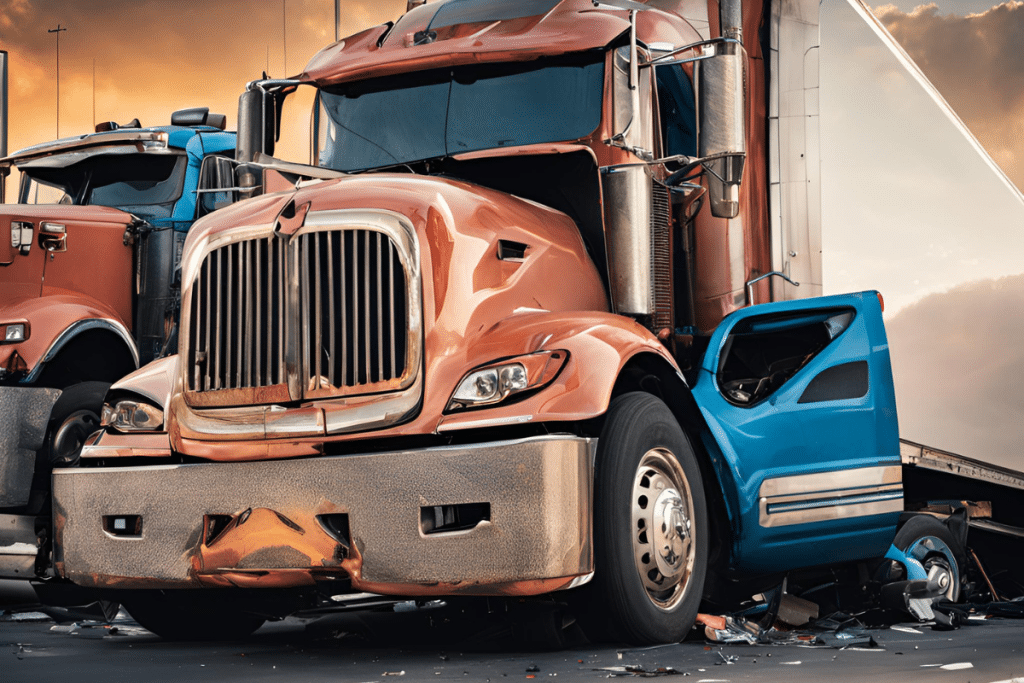
large truck crash | fatal 18-wheeler crash truck
Accident Injuries & why, Blog, FAQ, Legal, personal injury attorney, Settlement, Truck Accidents, Why we serve

Large Truck Crash: Tragic Accident Involving Texas A&M Professor

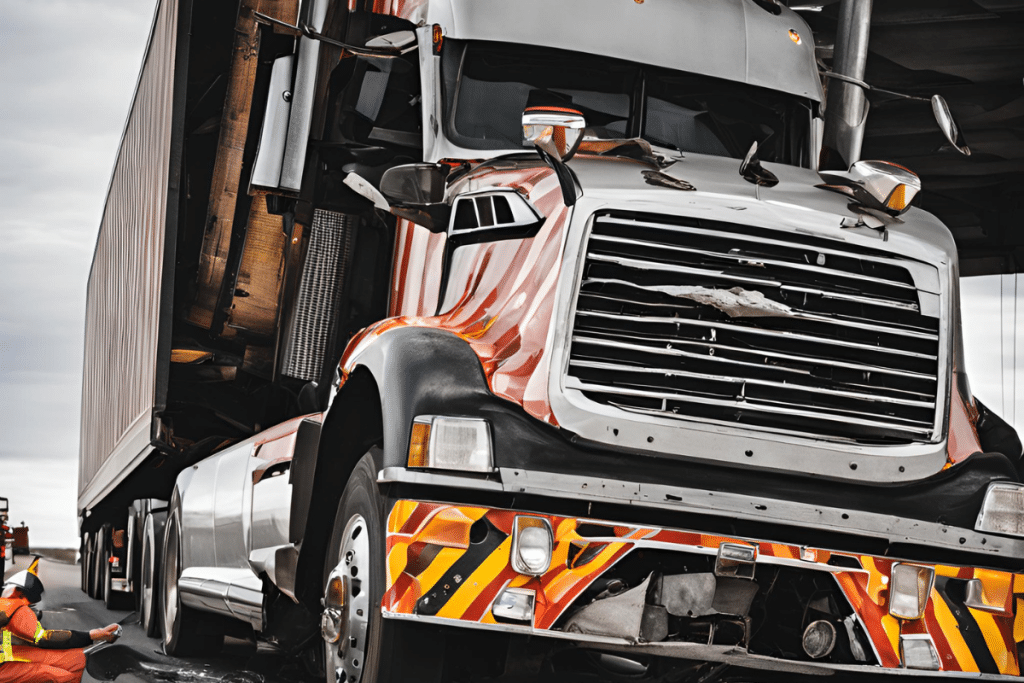
The recent large truck crash in College Station has shaken the local community and drawn attention to the critical issues surrounding truck safety and regulation. This tragic accident, which involved a Texas A&M professor, resulted in severe injuries and raised questions about the factors that contribute to such devastating truck wrecks. As we delve deeper into the details of this truck accident, we aim to explore its causes, implications, and the legal aspects that follow such incidents. What Happened in the Large Truck Accident in College Station? Details of the Truck Crash Incident The large truck crash occurred on a busy afternoon in College Station, Texas, when a semi-truck collided with a passenger vehicle, leading to a catastrophic truck wreck. Eyewitnesses reported seeing the truck driver lose control of the car while navigating a lane change on the interstate, which ultimately resulted in the truck rolling over and crashing into a nearby bus stop. The impact of the collision was severe, causing extensive damage to the large truck and the passenger vehicle involved. Emergency services arrived promptly, assessing the scene for injuries and fatalities. The tragic nature of this accident has prompted a crash report sampling system initiated by the National Highway Traffic Safety Administration (NHTSA), aiming to gather critical data on the incident. Victims Involved in the Truck Wreck The truck crash sadly resulted in fatalities, including the Texas A&M professor who was an occupant of the passenger vehicle. The NHTSA’s fatality analysis reporting system has indicated that the professor was a respected member of the academic community and a beloved figure among students and colleagues. Multiple other truck occupants sustained injuries, with some requiring immediate medical attention. The toll of this accident extends beyond physical injuries, affecting the emotional well-being of the victims’ families and the local community as a whole. Immediate Response to the Truck Accident Following the truck accident, local authorities and emergency responders worked diligently to secure the scene and assist the injured. This immediate response is crucial in truck crash cases, as it can significantly affect the victims’ outcomes. Paramedics transported injured individuals to nearby hospitals, where they received critical care for their injuries. The police launched a thorough investigation to determine the circumstances leading to the crash, gathering evidence and interviewing witnesses to piece together the events that led to this tragic accident. What Are the Causes of Large Truck Crashes? Common Factors Leading to Truck Accidents Crashes involving large trucks often stem from vehicle maintenance issues, driver error, and external conditions. The size and weight of large trucks play a significant role in their ability to maneuver and stop effectively, making them more susceptible to accidents in certain situations. Road conditions, weather, and traffic patterns can also contribute to the likelihood of a collision. Understanding these factors is paramount in preventing future truck accidents and ensuring the safety of all road users. The Role of Driver Error in Truck Crashes Driver error remains a leading cause of truck crashes, with studies indicating that a significant percentage of accidents involve mistakes the truck driver makes. Distracted driving, fatigue, and improper training can all lead to a hazardous situation on the road. In the case of the College Station accident, investigators focus on the truck driver’s actions leading up to the incident. The Federal Motor Carrier Safety Administration (FMCSA) emphasizes the importance of proper training and adherence to safety regulations as vital components in reducing driver error and preventing truck wrecks. Impact of Vehicle Maintenance on Collision Rates Maintenance of large trucks is another critical factor in crash prevention. A well-maintained truck is less likely to experience mechanical failures that can lead to accidents. Regular inspections and adherence to maintenance schedules are essential practices that trucking companies must follow to minimize risks. Failures in brakes, tires, or other critical systems can result in devastating truck crashes, as evidenced by the recent incident in College Station. The trucking industry must prioritize vehicle maintenance to safeguard truck occupants and other road users. How Do Truck Accidents Affect the Community? Implications for Local Traffic Safety Truck accidents, such as the one involving the Texas A&M professor, have far-reaching implications for local traffic safety. Following a tragic event, the community often experiences heightened anxiety about road safety. This can lead to increased calls for stricter regulations and enhanced safety measures to prevent similar incidents. Local authorities may respond by implementing awareness campaigns and educational programs aimed at promoting safe driving practices for both truck drivers and the general public. Support for Victims and Their Families In the aftermath of a truck crash, support systems must be in place for the victims and their families. Community organizations, mental health services, and even local government agencies can provide resources to help those affected cope with the emotional and financial repercussions of a truck accident. The tragic loss of life and injuries sustained in such accidents necessitate a compassionate response from the community, ensuring that victims receive the necessary support during their recovery process. Long-Term Community Recovery After a Truck Crash Long-term recovery from a truck crash involves physical healing and rebuilding the community’s sense of safety and security. This can include infrastructural changes to improve road safety and the establishment of memorials to honor those lost in tragic accidents. Communities often rally together to advocate for safer road conditions, pushing for legislative changes that address the root causes of truck-related incidents. Fostering a safety culture can help mitigate the impact of future truck accidents and create a more secure environment for all road users. What Are the Legal Aspects of Truck Accident Cases? Understanding Liability in Truck Wrecks Understanding liability is essential for victims seeking justice and compensation for their losses following a truck accident. Determining fault can be complex in many cases, as multiple parties may share responsibility, including the truck driver, the trucking company, and vehicle manufacturers. Liability can hinge on factors such as adherence to safety regulations and vehicle maintenance during the crash. Legal experts often

Accident Injuries & why, Blog, FAQ, Legal, Motorcycle Education, Motorcycles, personal injury attorney, Why we serve

Motorcycle Riding in Rain: How to Stay Safe and Confident

Motorcycle riding in the rain can be a thrilling experience. Still, a different approach is required to ensure safety.  According to the Federal Highway Administration, rain can significantly reduce visibility and road traction, making it essential for riders to adapt their techniques. Thus, adjusting your riding style and gear can help you confidently navigate wet roads.  This guide provides essential tips and techniques for riding safely and enjoyably in the rain. Let’s get into it! Guidelines for Safe Motorcycle Riding in the Rain To begin with, driving a motorcycle in the rain presents unique challenges due to reduced visibility and slippery roads.  So, adjusting your riding style and practicing safe techniques can significantly enhance your safety on wet roads. Adjust Your Riding Style Reduce Speed: Slow down to give yourself more time to react to changing conditions. Increase Following Distance: Maintain a safe following distance to allow braking time in case of sudden stops. Avoid Sudden Movements: Smoothly accelerate, brake, and turn to avoid losing traction. Throttle Control Smooth Throttle Input: Gradually apply and release the throttle to prevent sudden acceleration or deceleration. Avoid Sudden Jerks: Avoid abrupt movements that can cause wheelspin or loss of control. Braking Gentle Pressure: Apply the brakes progressively and avoid sudden, hard braking to prevent skidding. Anti-lock Brakes (ABS): If your motorcycle has ABS, use it effectively to help prevent wheel lockup during braking. Cornering Reduce Speed: Approach corners with reduced speed to maintain control. Lean Less: Lean into corners less than usual to avoid excessive lean angles on slippery surfaces. Avoid Sudden Changes: Avoid abrupt changes in direction or speed while cornering. Avoid Puddles Deep Puddles: Avoid deep puddles, as they can cause hydroplaning, in which your tires lose contact with the road surface due to water buildup. Loss of Control: Hydroplaning can lead to loss of control, so exercise caution and avoid deep puddles whenever possible. Proper Gear for Rain Riding Furthermore, having the right gear to stay dry, comfortable, and visible when riding a motorbike in the rain is crucial.  Here are some essential items to consider: Waterproof Gear Waterproof Jacket and Pants: Invest in a high-quality jacket and pants to keep you dry in heavy rain. Look for garments with sealed seams and waterproof materials. Waterproof Gloves and Boots: Protect your hands and feet from the elements with waterproof gloves and boots.  Choose options with good traction to help you stay safe on wet roads. Anti-fog Helmet Visor Clear Visibility: A fogged-up visor can significantly impair your vision in the rain. Opt for a helmet with an anti-fog visor, or consider using an anti-fog spray to prevent fogging. Reflective Gear Visibility: In low-light conditions, reflective gear is essential for other drivers to see you. Wear reflective jackets, vests, or patches to increase your visibility on the road. Handling Wet Roads and Slippery Conditions Riding in wet weather requires extra caution due to reduced traction. Here are some tips for handling slippery conditions: Tire Grip Reduced Traction: Tires have less grip on wet roads, so you need to be more careful with your throttle control and braking. Smooth Throttle Control: Avoid sudden acceleration or deceleration, as this can cause wheelspin and loss of traction. Gentle Braking: Apply the brakes progressively and avoid harsh braking to prevent skidding. Body Position Upright Position: Maintain an upright body position to help you balance better on slippery surfaces. Relaxed Grip: Avoid gripping the handlebars too tightly, as this can make it difficult to react to changes in road conditions. Anti-lock Brakes (ABS) Prevent Skidding: ABS systems help prevent wheel lockup during braking, reducing the risk of skidding. Improved Control: ABS can help you maintain control of your motorcycle in wet conditions, even during emergency braking. Tire Maintenance and Traction Proper tire maintenance ensures optimal traction and safety, especially in wet conditions. Tire Pressure Optimal Traction: Maintaining the correct tire pressure ensures that your tires have the proper contact patch with the road, which is essential for good traction. Check your tire pressure regularly, especially before long rides or in changing weather conditions. Tread Depth Grip on Wet Roads: Adequate tread depth is vital for griping wet roads. Worn tires with shallow treads may have difficulty displacing water, increasing the risk of hydroplaning. Regular Inspections: Check your tire tread depth regularly using a tread depth gauge or visually inspect the tread. Tire Types Wet Weather Tires: Consider using tires specifically designed for wet weather riding. These tires often have deeper grooves that help displace water and provide better traction in moist conditions. Sport Touring Tires: Many sport touring tires offer a good balance of performance and wet weather handling. By paying attention to tire maintenance and choosing the right tires, you can significantly improve your traction and safety on wet roads.  For legal assistance in case of motorcycle accidents, visit The Reyes Firm for expert support. Visibility During Rainy Rides In terms of visibility, it is also crucial for safety riding in the rain, so here are some tips to improve it: Headlights and Reflective Gear Headlights On: Always keep your headlights on, even during daylight hours, to increase your visibility to other drivers. Reflective Gear: Wear reflective clothing or vests to make yourself more visible to other road users, especially in low-light conditions. Anti-fog Solutions Clear Vision: Apply anti-fog solutions to your helmet visor to help prevent fogging and maintain clear visibility. Bright Clothing Stand Out: Wearing bright-colored clothing or vests can help you stand out and be seen more quickly by other drivers.   Following these tips can significantly improve your visibility during motorbike riding in the rain and reduce the risk of accidents. Weather Conditions and Emergency Preparedness Riding in the rain on a motorcycle requires skill and preparedness. Here are some tips for handling various weather conditions and emergencies: Adjust to Rain Intensity Light Rain: Maintain a steady pace and be cautious of slick surfaces. Heavy Rain: Reduce speed, increase the following distance, and avoid deep puddles. Torrential Rain: If possible,

Truck accidents
After an Accident, FAQ, Legal, personal injury attorney, Settlement, Truck Accidents, Why we serve

Average Cost of a Truck Accident Settlement: What to Expect

Truck accidents can lead to devastating consequences, both physically and financially. Understanding the average cost of a truck accident settlement is crucial for accident victims seeking compensation for their injuries and losses. This article delves into the various aspects of truck accident settlements, including the average costs, factors influencing these amounts, and what to expect throughout the claims process. What is the Average Cost of a Truck Accident Settlement? Understanding Truck Accident Settlement Amounts The average cost of a truck accident settlement can vary significantly based on numerous factors. Typically, these settlements encompass compensation for medical bills, lost wages, pain and suffering, and other damages incurred due to the accident. In general, the average truck accident settlement can range from tens of thousands to millions of dollars, depending on the severity of the injuries, the extent of property damage, and the specifics of each case. It’s essential to note that the complexity of truck accident cases often leads to higher settlement amounts than other vehicular accidents. Factors Influencing Average Truck Accident Settlement Typical Costs Associated with Truck Accidents The costs associated with truck accidents can be extensive and multifaceted. Typical expenses include: Immediate medical bills. Rehabilitation costs. Lost income due to time off work. Long-term care for chronic conditions resulting from the accident. Furthermore, accident victims may incur indirect costs such as transportation for medical appointments and modifications to their living environments to accommodate disabilities. Understanding these costs is essential for accurately estimating the average price of a truck accident settlement and ensuring comprehensive compensation for all damages incurred. What are the Average Costs of a Commercial Truck Accident? Breakdown of Costs in Commercial Truck Accident Cases The average costs in commercial truck accident cases are substantial. These accidents often involve larger vehicles, which can cause more significant damage and injuries. The breakdown of costs typically includes medical expenses, property damage, legal fees, and potential punitive damages if negligence is proven. The average price of a commercial truck accident settlement may be higher than a standard vehicle accident due to the complexities involved, including multiple parties such as the driver, trucking companies, and sometimes even truck parts manufacturers. Comparing Semi-Truck Accident Costs with Other Vehicles When comparing semi-truck accident costs with those of other vehicles, it becomes evident that truck accidents often result in higher settlement amounts. This disparity arises from the sheer size and weight of commercial trucks, which can lead to more severe injuries and fatalities. For instance, while the average settlement for a car accident might range from a few thousand to several hundred thousand dollars, an average semi-truck accident settlement can easily exceed these figures, often reaching the millions, particularly in cases involving significant injuries or wrongful death claims. Medical Bills and Other Expenses in Commercial Truck Accidents Medical bills are a primary concern for victims of commercial truck accidents. The costs can accumulate quickly, encompassing emergency room visits, surgeries, physical therapy, and ongoing treatment for lasting injuries. Additionally, accident victims may face other expenses, such as psychological counseling for trauma related to the accident. These medical expenses are critical in determining the average cost of a commercial truck accident settlement, as they directly impact the financial burden on the victim and their family. How Much is the Average Truck Accident Settlement? Average Settlement Figures for Truck Accident Claims Various factors, including the specifics of the accident and the injuries involved, influence the average settlement figures for truck accident claims. While an average truck accident settlement can range from $20,000 to over $1 million, many factors contribute to the final amount. For instance, cases involving severe injuries, long-term disabilities, or fatalities tend to result in higher settlements. Understanding these averages can help victims set realistic expectations as they navigate the complexities of their truck accident claim. Impact of Negligence on Settlement Amounts The impact of negligence on settlement amounts cannot be overstated. If a truck driver is operating under the influence, speeding, or violating safety regulations, this negligence significantly affects the settlement. It often leads to higher compensation for the victim due to the clear liability established against the negligent party. In contrast, if the accident is determined to involve shared fault, the settlement may be adjusted accordingly, emphasizing the importance of thorough investigations in truck accident cases. Variations in Settlement Amounts Based on Accident Cases It’s essential to recognize that each truck accident case is unique, leading to variations in settlement amounts. Factors such as the jurisdiction of the accident, the insurance policies in place, and the willingness of the involved parties to negotiate all play significant roles in determining the final settlement. Moreover, mitigating circumstances, such as weather conditions during the accident, can influence the outcome. Understanding these variations helps victims approach their claims with a realistic perspective. What Should I Expect in a Truck Accident Case? Steps Involved in a Truck Accident Claim Process The truck accident claim process typically involves several key steps. Initially, the accident victim must gather evidence related to the accident, including police reports, medical records, and witness statements. Following this, consulting with a truck accident attorney specializing in personal injury claims is advisable. The attorney will assist in evaluating the case, negotiating with insurance companies, and filing necessary legal documents. Ultimately, the goal is a fair settlement compensating the victim for their losses. Role of a Truck Accident Attorney in Your Case A truck accident attorney plays a crucial role in navigating the complexities of a truck accident case. Their expertise in personal injury law allows them to advocate for the victim’s rights and interests effectively. This includes negotiating with insurance adjusters, preparing legal arguments, and representing the victim in court if necessary. A skilled truck accident lawyer can significantly enhance the chances of securing a favorable settlement, ensuring that all aspects of the victim’s suffering are accounted for in the final compensation. Possible Outcomes of a Truck Accident Settlement Possible outcomes of a truck accident settlement can range from total compensation for all damages to partial

Semi-Truck Crash
Accident Injuries & why, Blog, FAQ, Injury, Legal, personal injury attorney, Truck Accidents, Why we serve

Major Semi-Truck Crash Shuts Down Highway Lanes: Accident Details Inside

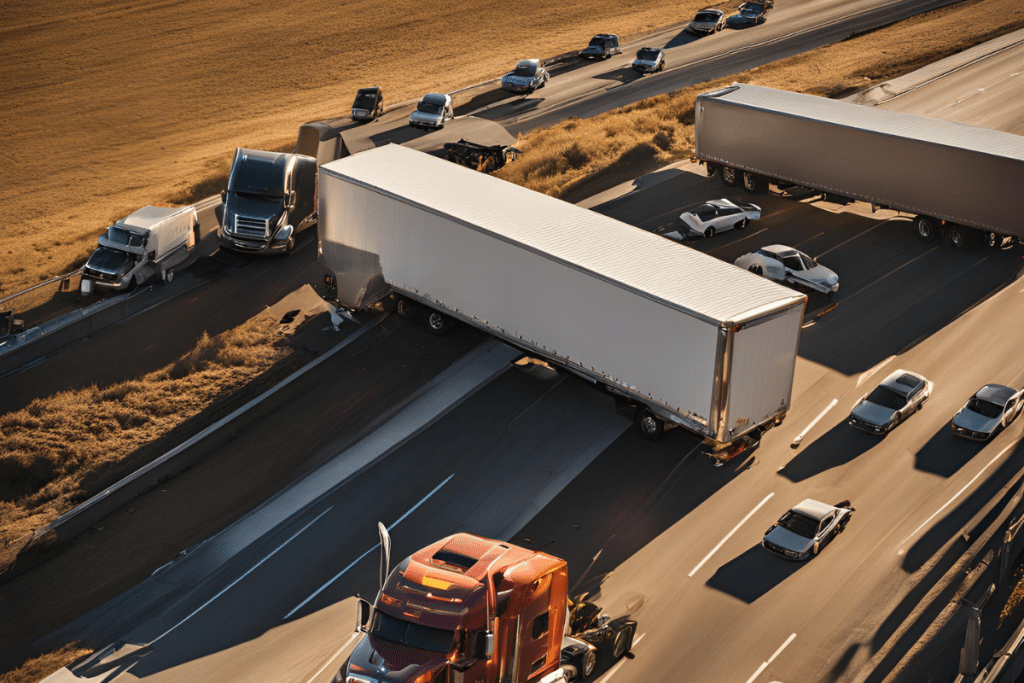
  The roads are designed to facilitate smooth traffic flow, but incidents can lead to extensive disruptions and serious consequences. A recent semi-truck crash has captured attention due to its severity and impact on highway operations. This article delves into the details surrounding this major accident, exploring what happened, the causes, law enforcement responses, and how we can prevent such incidents in the future. What Happened in the Latest Semi-Truck Crash? Details of the Semi-Truck Collision The latest semi-truck crash occurred on a busy highway involving multiple vehicles, resulting in a chaotic scene. According to reports from the Florida Highway Patrol, the accident happened when a semi-truck driver lost control of their vehicle, causing it to collide with another truck and a passenger car. Witnesses described the moment of the crash as alarming, with flames erupting from one of the vehicles following the collision. Emergency responders quickly arrived on the scene, and the situation necessitated a complete shutdown of the eastbound lanes to clear the wreckage and transport the injured to the hospital. Which Highway Was Involved in the Accident? The accident occurred on Interstate 95, a significant highway crucial for regional transportation. This highway is known for its heavy traffic, especially during peak hours, exacerbating the consequences of such accidents. The closure of the eastbound lanes near mile marker 252 led to significant delays as traffic was backed up for miles, forcing many drivers to seek alternate routes. The Department of Transportation worked diligently to manage the situation and inform motorists about the ongoing closure and the expected reopening time. What Time Did the Crash Occur? The semi-truck crash occurred on a Tuesday afternoon at approximately 3:45 p.m. This timing coincided with a busy period for commuters returning home from work, which increased the number of vehicles affected by the highway closure. Law enforcement and emergency responders faced the challenge of handling the accident scene and the growing traffic congestion resulting from the collision. They worked tirelessly to ensure the area was secured and the situation was controlled. What Are the Causes of Semi-Truck Accidents? Common Factors Leading to Truck Crashes Understanding the causes of semi-truck accidents is essential for preventing future incidents. A variety of factors can contribute to the occurrence of crashes involving these large vehicles. Common causes of truck accidents include driver fatigue, speeding, and mechanical failures. The sheer size and weight of semi-trucks make them more challenging to maneuver, and even minor errors can lead to severe consequences. Furthermore, distractions, such as mobile phone use, can significantly impair a driver’s ability to operate a semi-truck safely. How Do Driver Errors Contribute to Accidents? Driver errors are a leading contributor to many truck accidents. These errors can range from misjudging the distance required to stop to failing to signal lane changes adequately. In the recent crash, preliminary investigations indicated that the semi-truck driver may have been engaging in unsafe driving practices, ultimately leading to the collision. Authorities emphasize the importance of rigorous training and adherence to safety regulations to mitigate the risks associated with driver errors. The Role of Road Conditions in Truck Accidents Road conditions play a significant role in truck operations’ safety. Poorly maintained highways, inclement weather, and construction zones can all create hazardous driving situations. In this particular crash, investigators are investigating whether road conditions contributed to the semi-truck driver’s loss of control. The importance of regular road maintenance by the Department of Transportation cannot be overstated, as it plays a crucial role in preventing accidents and ensuring safe travel for all vehicles, including huge trucks. How Does Law Enforcement Respond to Truck Accidents? What Actions Do Police Take After a Semi-Truck Crash? In the aftermath of a semi-truck crash, law enforcement agencies take several critical actions to ensure public safety and gather information for investigations. First responders, including officers from the local police department and the highway patrol, secure the area to prevent further accidents and ensure the safety of those involved. They assess injuries, provide assistance, and work to clear the wreckage as quickly as possible. Additionally, they document the scene, taking photographs and gathering witness statements to contribute to their reports. How Are Suspects Identified and Arrested? When a semi-truck accident involves suspected negligence or criminal activity, law enforcement conducts thorough investigations to identify any suspects. In some cases, this may include reviewing video footage from traffic cameras or eyewitness accounts. If driver impairment is suspected, officers may conduct sobriety tests on-site. If evidence supports charges against a driver, such as reckless driving or DUI, the police can make arrests and bring the case to the court system for prosecution. What Reports Are Generated Following a Collision? Following a semi-truck crash, law enforcement generates multiple reports detailing the accident’s circumstances. These reports typically include accident reconstruction details, witness statements, and any charges filed against individuals involved in the incident. The data compiled in these reports is crucial for understanding the factors that contributed to the collision and for making informed decisions regarding highway safety improvements in the future. What Are the Consequences of a Major Truck Accident? Injuries and Fatalities: What to Expect? Major truck accidents can lead to severe injuries or fatalities, impacting not only those involved in the collision but also their families and communities. Injuries sustained in these accidents can range from minor to life-threatening, often requiring extensive medical treatment and rehabilitation. In tragic cases, fatalities may occur, leading to emotional trauma and financial burdens for the victims’ families. It is essential for all drivers, especially those behind the wheel of semi-trucks, to prioritize safety to prevent such devastating outcomes. Impact on Traffic and Road Closures The impact of a significant truck accident extends far beyond the immediate scene of the collision. Road closures can cause significant traffic delays, as seen with the recent incident on Interstate 95. Commuters may face detours, leading to frustration and lost time. Local businesses can also suffer due to decreased access and potential customer loss. Transportation departments need to communicate

Scroll to Top