FAQ

Tampa electric scooter accident lawyer | tow truck accident lawyer
After an Accident, FAQ, florida cities we serve, Injury, Legal, Our Community, personal injury attorney, Scooter Accident, Why we serve

Tampa Electric Scooter Accident Lawyer: Fight for Your Compensation

Electric scooters have become a popular mode of transportation in Tampa, offering an eco-friendly and convenient way to navigate the bustling city. However, the rise of electric scooters has also led to increased accidents involving riders and pedestrians. If you’ve been injured in an electric scooter accident, understanding your rights and the process for seeking compensation is crucial. This article will guide you through essential steps after an accident, common causes of scooter accidents, how an electric scooter accident lawyer can assist you, the compensation you may seek, and when to schedule a free consultation with a personal injury attorney. What Should You Do After an Electric Scooter Accident? Immediate Steps to Take Following a Scooter Accident After an electric scooter accident, the priority is ensuring your safety and the safety of others. Call emergency services immediately if you or anyone involved in the accident is injured. Once you are safe, exchanging information with other parties, including names, contact information, and insurance details, is essential. If there were witnesses to the accident, gather their information as well, as their statements may be crucial for your accident case later. Document the scene by taking photos, capturing the location, the vehicles involved, and any visible injuries. This visual evidence can play a significant role in your claim. How to Document Your Accident Case Effectively Adequate documentation is vital in building a solid case following an electric scooter accident. Start by keeping a detailed record of all medical treatments you receive, including doctor visits, hospital stays, and rehabilitation. Maintain copies of all medical bills related to your injuries, as these will be essential when you seek compensation. Additionally, document any pain and suffering you experience from the accident, as this can be included in your claim. Keeping a daily journal that outlines your physical and emotional state can help illustrate the accident’s impact on your life. Lastly, consider contacting a scooter accident lawyer for guidance on how to document your case best. When to Contact an Accident Attorney It’s wise to contact an accident attorney immediately after your electric scooter accident, especially if you have sustained severe injuries. A personal injury lawyer can help you navigate the complexities of your case, ensuring that you meet all deadlines for filing a claim. If the accident involves complications such as multiple parties, potential negligence, or disputes over liability, an experienced scooter accident attorney can provide valuable legal representation. Remember, many personal injury attorneys offer free consultations, allowing you to discuss your case without any financial obligation. What Are Common Causes of Scooter Accidents? Understanding Negligence in Electric Scooter Accidents Negligence is often a significant factor in electric scooter accidents. A scooter rider may be injured due to the reckless behavior of other drivers, such as distracted driving or speeding. In some cases, scooter operators may also contribute to accidents by not following traffic laws, such as riding on sidewalks instead of designated bike lanes. Understanding the nuances of negligence can help identify who may be liable for your injuries, which is crucial when you seek compensation. How Poor Infrastructure Contributes to Scooter Accidents Poor infrastructure can significantly increase the risk of electric scooter accidents. Inadequate bike lanes, poorly maintained sidewalks, and insufficient signage can lead to dangerous situations for scooter riders. When cities do not invest in safe riding environments, collisions with motor vehicles or pedestrians can result. As a rider, being aware of your surroundings and the condition of the road can help minimize your risk of being involved in an accident. However, if road conditions contribute to your accident, you may have grounds to file a claim against the city’s negligence. Common Mistakes Riders Make Leading to Accidents Electric scooter riders sometimes make mistakes that can lead to accidents. One standard error is failing to wear a helmet, which can lead to severe injuries in the event of a fall or collision. Additionally, many riders underestimate the speed of electric scooters and may need more preparation for sudden stops or turns. Riding while distracted or under the influence of alcohol can also increase the likelihood of an accident. Understanding these common pitfalls can help scooter riders take precautions to protect themselves and others. How Can an Electric Scooter Accident Lawyer Help You? The Role of an Accident Attorney in Your Case An electric scooter accident lawyer is crucial in advocating for accident victims. They possess the legal knowledge and experience necessary to navigate the complexities of personal injury law, ensuring that you receive the compensation you deserve. Your attorney will investigate the accident’s circumstances, gather evidence, speak to witnesses, and negotiate with insurance companies on your behalf. Their expertise can significantly impact the outcome of your case, allowing you to focus on recovery while they handle legal matters. Benefits of Hiring a Scooter Accident Lawyer Hiring a scooter accident lawyer offers numerous benefits, particularly when maximizing compensation. These professionals understand the intricacies of personal injury claims. They can accurately assess your case’s value, considering factors such as medical expenses, lost wages, and pain and suffering. Additionally, your attorney will work on a contingency fee basis, meaning you only pay if they successfully recover compensation on your behalf. This arrangement allows you to access legal representation without the stress of upfront costs. What to Expect During Your Free Consultation During your free consultation with an electric scooter accident attorney, you can expect to discuss the details of your accident and the injuries you sustained. The attorney will ask questions regarding the circumstances of the accident, your medical treatment, and any documentation you have gathered. They will then provide an initial assessment of your case, discussing potential legal strategies and what compensation you may be entitled to. This meeting is an excellent opportunity for you to ask questions and determine if the attorney fits your needs. What Compensation Can You Seek After a Scooter Accident? Understanding Pain and Suffering Claims Pain and suffering claims are a critical component of many personal injury cases, including
Cycling nutrition tips for safer rides
Blog, FAQ, Health, Legal

Cycling Nutrition 101: Fuel Choices for Healthier, Safer Rides

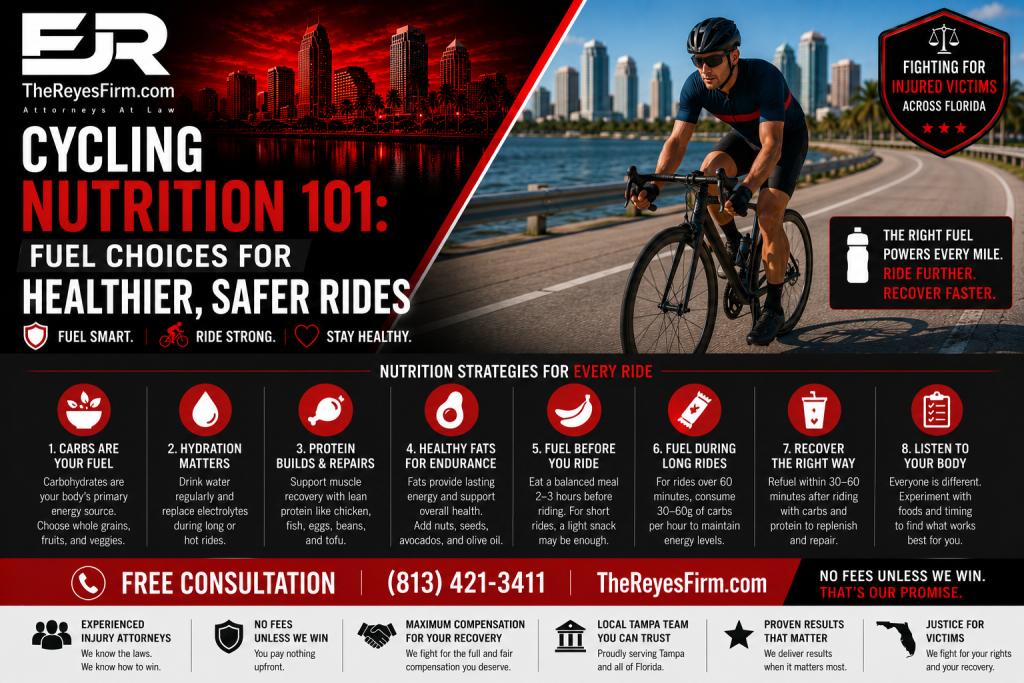
Strong legs get you up the hill, but what you eat gets you to the top and back safely. Good cycling nutrition helps you ride longer, stay focused, and recover faster, and staying sharp on the road can help you avoid a crash. Here is how to fuel every ride, plus what your rights are in Florida if a careless driver ever puts you down. The Reyes Firm Hit by a Driver While Cycling in Tampa? Know your rights as an injured cyclist in Florida. Had a bad day? Contact Us Now 2 Years Deadline to file an injury claim Fla. Stat. § 95.11(3)(a) 3 Feet Minimum safe passing distance Fla. Stat. § 316.083 Under 16 Bicycle helmet requirement age Fla. Stat. § 316.2065 50% Fault share that bars recovery Fla. Stat. § 768.81 Cycling is as much about fueling your body as it is about training it. The right nutrition helps you ride stronger, recover faster, and stay alert, and staying alert helps keep you safe. This guide walks through what to eat before, during, and after a ride, how nutrition connects to safety, and the legal rights Florida cyclists should know if a crash ever happens. What should you eat before a bike ride? The right pre-ride meal gives you the energy and focus to perform your best. Carbohydrates are a cyclist’s primary fuel, so for a long ride, gradually increase your carb intake in the days beforehand with foods like pasta, rice, bread, and potatoes to build up glycogen stores. Start the ride well-hydrated, and for hot or intense efforts, add an electrolyte drink to keep your fluids balanced. Timing matters too. Aim to eat a balanced meal about 2 to 3 hours before you ride, combining carbohydrates for energy, protein for muscle support, and a little healthy fat for lasting fuel. Good options include oatmeal with fruit and nuts, whole-grain toast with avocado and eggs, or pasta with vegetables and lean protein. What should you eat and drink during a ride? Fueling during a ride keeps your energy steady and helps you avoid the sudden fatigue that leads to mistakes. On longer or hotter rides, sports drinks replace the carbohydrates and electrolytes you lose through sweat, while energy gels deliver a fast, easy-to-carry boost during hard efforts. Hydration is just as important. Sip water or a sports drink regularly, even before you feel thirsty, and drink more in hot and humid conditions. A quick way to check your hydration is urine color, aim for pale yellow, and replace electrolytes like sodium and potassium on long rides to help prevent cramping. What should you eat after a ride to recover? What you eat after a ride helps your body rebuild so you are ready for the next one. Refuel with carbohydrates soon after finishing to replenish glycogen, and pair them with protein to support muscle repair, ideally within about 30 minutes. Rehydrate with water, and add an electrolyte drink after a long or intense effort. A good recovery meal within 30 to 60 minutes might be a smoothie with fruit, yogurt, and protein, scrambled eggs with whole-grain toast, or chicken or fish with rice and vegetables. Prioritizing recovery nutrition reduces soreness and keeps your performance consistent. What are the best foods and snacks for cyclists, and what should you avoid? A balanced cycling diet leans on carbohydrates for energy, lean protein for muscle repair, and healthy fats for overall health. Reach for whole grains, fruits, vegetables, and legumes for carbs, chicken, fish, tofu, and beans for protein, and olive oil, nuts, seeds, and avocado for fats, all supported by plenty of fluids. For on-the-go fuel, energy bars, gels, bananas, nuts, seeds, and trail mix all travel well. Some foods are better left off the menu before and during a ride. Fatty and greasy foods can cause indigestion, spicy foods can upset your stomach, too much fiber can lead to bloating, and alcohol dehydrates you and impairs performance. For a plan tailored to your body and goals, a registered dietitian can help, and sports nutrition research continues to show how much the right balance matters. How does proper nutrition keep you safer on the bike? Nutrition is a safety issue as much as a performance one. When your body runs low on fuel or fluids, your energy drops, your judgment slips, and your reaction time slows, exactly the conditions that lead to crashes. Poor fueling can leave you unable to respond quickly to a pothole, a car door, or a driver who does not see you. Staying properly fueled and hydrated helps you stay sharp and in control for the whole ride. That said, even a perfectly fueled cyclist can be hit by a careless driver, which is where knowing your legal rights becomes important. 💡 Did You Know? In Florida, a bicycle is legally defined as a vehicle, which gives cyclists the same rights to the road, and the same responsibilities, as the driver of a car. That means a cyclist injured by a negligent driver has the right to pursue a claim, just like any other crash victim. Source: Fla. Stat. § 316.2065. What are your legal rights if a cycling accident injures you in Florida? As a cyclist, you have the right to share the road safely, and Florida law backs that up. Drivers are required to give cyclists room when passing, and a driver who is speeding, distracted, or fails to yield can be held responsible for a crash. If another party’s negligence injures you, you may be entitled to compensation for your medical bills, lost wages, and pain and suffering. Florida law includes specific protections for cyclists. Drivers must allow at least three feet of clearance when passing a bicycle under Florida Statute § 316.083, and while only riders under 16 are legally required to wear a helmet, wearing one is one of the best ways to prevent a serious head injury. Understanding these rules helps you know when a driver was

Blog, FAQ, florida cities we serve, For Parents, For Teens, Injury, Legal, Our Community, Pedestrian Accident, personal injury attorney, Why we serve

Pedestrian Safety for Kids: Simple Tips Every Parent Should Know

With more vehicles on the road than ever, pedestrian safety for kids is a top priority. Each year, countless young pedestrians are involved in traffic accidents, making it essential for parents to teach children safe walking habits.  Equipping your kids with the proper knowledge and skills can help them stay aware and safe on busy streets.  This guide offers practical tips to empower your children to navigate their surroundings confidently and responsibly. Teaching Children Pedestrian Safety Start Early The earlier you start teaching your children about pedestrian safety, the better. Even toddlers can learn basic safety rules, like holding your hand while crossing the street. Lead by Example Children learn by observing their parents. Consistently model safe pedestrian behavior by using crosswalks and following traffic signals. Use Kid-Friendly Language Explain safety rules in simple terms that your child can understand. For instance, instead of using the word “right of way,” try saying, “Wait until the cars have stopped.” Focus on Crosswalks and Signals Teach your child always to use crosswalks and wait for the green light before crossing the street. Explain the meaning of different traffic signals in a way they can understand. Avoid Distractions Remind your child to avoid using electronic devices like phones or tablets while walking. These distractions can impair their awareness of their surroundings. Stay Visible Encourage your child to wear bright, reflective clothing, especially when visibility is low. This makes it easier for drivers to notice them. Practicing Pedestrian Safety for Kids Through Role-Play Creating Safe Scenarios To reinforce safe pedestrian habits, create role-playing scenarios where you and your child can practice crossing streets, obeying traffic signals, and avoiding distractions. Real-World Practice Take your child to a nearby crosswalk and practice safe crossing techniques. Remind them to look left, right, then left once more before crossing. Fun and Learning Make learning fun by incorporating games and activities into your child’s pedestrian safety education. For example: Obstacle Course: Set up an obstacle course with traffic cones and markers to simulate real-life situations. Safety Bingo: Create a bingo card with safety symbols and have your child spot them during walks. By using these techniques, you can make learning about pedestrian safety engaging and effective. The Importance of Supervision and Setting a Good Example Adult Supervision Young children, especially those under 10, should always be supervised by adults when crossing streets or walking near roads. Adults should hold their children’s hands and guide them safely across intersections. Setting a Positive Example Children learn by observing their parents and caregivers. Always model safe pedestrian behavior, such as: Look Both Ways, Twice:  Before crossing, check for traffic by looking left, right, and left again. Using Crosswalks: Emphasize the importance of using crosswalks and obeying traffic signals. Avoid Distractions: Avoid using electronic devices while walking, and encourage your child to do the same. Being Mindful of Traffic: Teach your child to be aware of cars, bicycles, and other vehicles. By setting a positive example and practicing safe pedestrian habits, you can help your child develop lifelong safety skills. For additional resources on teaching pedestrian safety to kids, consider exploring the Child Pedestrian Safety Curriculum by the NHTSA. This curriculum offers practical lessons and activities designed to build safe walking habits. Additional Pedestrian Safety Tips for Kids and Parents Car Safety Proper Car Seat Usage: Ensure your child is always properly restrained in a car or booster seat appropriate for their age and size. Seat Belt Safety: Once your child is old enough, teach them always to wear a seatbelt. Stranger Safety Stranger Danger: Teach your child never to talk to or accept rides from strangers. Emergency Contacts: Make sure your child knows your phone number and the phone number of another trusted adult. Safe Places: Designate safe places, such as a store or police station, where your child can go if they feel lost or unsafe. Family Safety Rules Family Meetings: Regularly review pedestrian safety tips, establish rules, and practice emergency procedures together. Role-Playing: Role-play different scenarios, such as getting lost or encountering a dangerous situation. Reward Positive Behavior: Reward your child for following safety rules to reinforce good habits. Positive Reinforcement Verbal Praise: Praise your child for following safety rules and making good choices. Small Rewards: Consider small rewards, such as stickers or special privileges, to motivate your child. Celebrate Milestones: Celebrate your child’s progress in learning and practicing safety skills. Following these tips and setting a solid example can help your child develop lifelong safety habits. Community and School Involvement in Pedestrian Safety Community Initiatives Many communities have organizations and programs focused on road safety for kids. These initiatives often include educational campaigns, safety audits of local roads, and advocacy for safer infrastructure. School Safety Programs Schools are essential in educating children about pedestrian safety. Encourage your child’s school to implement pedestrian safety programs that include: Classroom Education: Lessons on traffic signals, crosswalks, and safe walking practices. Field Trips: Organized walks to practice safe pedestrian crossing techniques and identify hazards. Safety Drills: Regular practice of emergency procedures, such as evacuations and lockdown drills. Working with schools and community organizations can create safer environments for children and reduce the risk of pedestrian accidents. Legal Considerations and Parental Support Understanding Pedestrian Rights As a pedestrian, you and your child have the right to use public roads safely. However, it’s essential to understand your area’s specific laws and regulations. When to Seek Legal Advice Legal guidance is essential if your child is involved in a pedestrian accident. A pedestrian accident attorney can assist you throughout the legal process and strive to secure the compensation you’re entitled to. A pedestrian accident law firm like The Reyes Firm can provide expert legal counsel to protect you and your child’s rights. Common Pedestrian Accident Scenarios Vehicle-Pedestrian Accidents: These accidents can occur when a driver fails to yield to a pedestrian, speeds or is distracted. Slip and Fall Accidents: Poorly maintained sidewalks or crosswalks can lead to slip and fall accidents, especially for children. Dog

Blog, FAQ, florida cities we serve, Health, Legal, Our Community, Pedestrian Accident, Why we serve

Night Walking Safety: Essential Tips for Staying Visible and Secure

Nighttime can be a peaceful and serene time to enjoy a solitary walk. While it’s a great way to de-stress, clear your mind, and improve your overall well-being, night walking also comes with certain risks. Taking precautions ensures a safe and enjoyable walk in the dark. This blog post will provide night walking safety gear recommendations and essential tips to help you stay visible and secure during nighttime walks. Choosing Safe, Well-Lit Routes As the sun sets, so does our sense of security. While nighttime walks can be peaceful and rejuvenating, it’s essential to prioritize pedestrian safety. One of the most effective ways to do this is by carefully choosing your route. Stick to Well-Lit Paths Well-lit streets and paths are your first line of defense. The increased night visibility deters potential threats and allows you to see and be seen. When planning your route, look for areas with ample streetlights, storefront lighting, or other illumination sources. Avoid Remote Areas Isolated or dimly lit locations can be tempting targets for criminals. Stick to familiar, populated areas with plenty of foot traffic. This reduces the risk of encountering danger and provides a sense of security. You can significantly enhance your safety during nighttime outings by carefully selecting your walking route. Wearing Reflective and Visibility Gear When venturing out at night, making yourself visible to others is crucial. Reflective clothing and nighttime lighting are essential tools to ensure your safety. The Importance of Reflective Gear Reflective clothing and accessories can be a lifesaver. By reflecting light from vehicle headlights and streetlights, you are more visible to drivers and pedestrians.  Consider investing in: High-Visibility Apparel: Jackets, vests, and pants with bright colors and reflective strips can significantly improve your visibility. Reflective Accessories: Reflective bands for your wrists, ankles, or backpacks can add a layer of protection, especially when wearing darker clothing. The Benefits of Nighttime Lights Nighttime lights are another essential safety measure. By illuminating your path and making you more visible, they can help prevent pedestrian accidents and deter potential threats. Consider using: Headlamps: A headlamp provides hands-free illumination, allowing you to see where you’re going while keeping your hands free. Handheld Flashlights: A handheld flashlight is a versatile tool for signaling for help, illuminating your path, or checking your surroundings. Incorporating pedestrian safety gear, such as reflective items and nighttime lighting, into your routine can significantly reduce the risk of accidents and enhance your overall safety during nighttime walks. If you’ve been involved in a pedestrian accident, consult The Reyes Firm’s pedestrian accident lawyers to understand your rights and options for seeking compensation. Essential Safety Devices for Night Walking In addition to visibility gear and lighting, consider carrying personal safety devices to enhance your security. Personal Safety Tools A personal alarm can be a powerful deterrent to potential attackers. A simple button press can emit a loud, piercing sound to attract attention and scare off threats. Pepper spray is another effective self-defense tool. It can temporarily incapacitate an attacker, giving you time to escape or call for help. Safety Apps and Emergency Contacts Technology can also be a valuable tool for nighttime safety. Consider using safety apps that allow you to share your location with friends or family or that can automatically alert emergency services if you’re in trouble. Remember, it’s essential to have a plan in place in case of an emergency. Identify trusted contacts who you can call for help and practice your escape routes. Taking these proactive steps can significantly increase your safety during nighttime walks. Stay Aware of Your Surroundings In the hustle and bustle of modern life, it’s easy to become distracted and lose sight of our surroundings. However, staying alert and aware when walking alone at night is crucial for your safety. Avoid Distractions While it may be tempting to listen to music or scroll through your phone, these distractions can impair your senses and make you more vulnerable to potential threats. By putting away your phone and tuning into your surroundings, you can better anticipate and respond to danger. Trust Your Instincts Your instincts are powerful tools. If you feel uneasy about a particular person, place, or situation, don’t ignore it. Listen to your instincts and take action to protect yourself. This may involve changing your route, crossing the street, or seeking help from a nearby business or passerby. You can significantly enhance your safety during nighttime walks by prioritizing situational awareness and trusting your instincts. Walk in Groups When Possible Walking with a friend or in a group is one of the most effective ways to enhance your safety during nighttime outings. The presence of others can act as a powerful deterrent to potential threats. Safety in Numbers When walking in a group, you become less of an easy target. Potential attackers are more likely to target individuals who appear alone and vulnerable. By walking with others, you can reduce your risk of becoming a victim of crime. Informing Loved Ones of Your Plans Before heading out, informing a friend or family member of your plans is crucial. Share your route and expected return time, and let them know if you’ll deviate from your usual path. If you don’t return as scheduled, they can take action and alert the authorities. Consider group walks and inform loved ones of your plans to significantly enhance your safety during nighttime outings. Weather and Time Considerations The time of day and weather conditions can significantly impact your safety during nighttime walks. Therefore, choosing optimal walking times and dressing appropriately for the weather is essential. Choosing Optimal Walking Times While a late-night stroll is tempting, it is generally safer to avoid late or early hours when fewer people are around.  Although a recent Gallup report shows that 72% of Americans feel safe walking alone at night, many still believe crime rates are on the rise. FBI data, however, indicates a recent decrease in violent crime.  Even with these improvements, staying cautious in lower-traffic times can help enhance

Stay safe on running paths
Blog, FAQ, florida cities we serve, Health, Legal, Our Community, personal injury attorney, Why we serve

Running Paths: Discover New Routes and Stay Safe

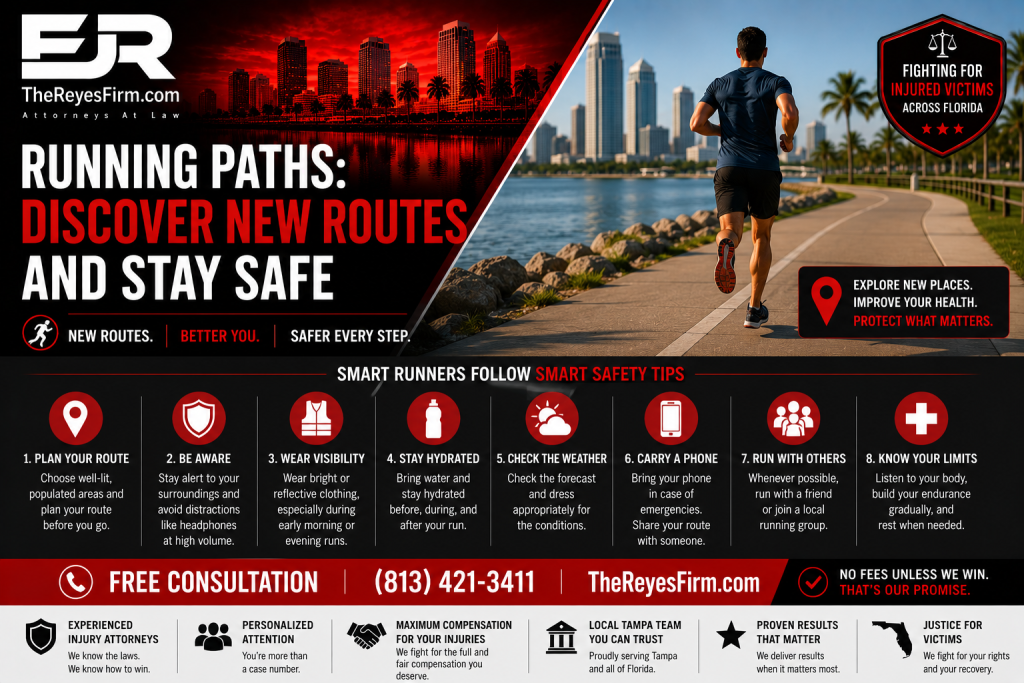
A good run can clear your head and start your day, but the wrong route, or one careless driver, can change everything in an instant. Whether you are chasing a personal best or just getting started, knowing where to run, how to stay safe, and what your rights are if a crash or hazard injures you makes every mile better. Here is your guide to all three. The Reyes Firm Injured While Running in Tampa? Hit by a car, bitten by a dog, or hurt by a hazard? Know your rights. Had a bad day? Contact Us Now 2 Years Deadline to file an injury claim Fla. Stat. § 95.11(3)(a) Strict Dog owner liability for bites Fla. Stat. § 767.04 3 Years Notice deadline for government claims Fla. Stat. § 768.28 50% Fault share that bars recovery Fla. Stat. § 768.81 Running is one of the simplest ways to stay healthy, and the right route keeps it interesting. This guide covers how to find great places to run, the apps that make it easier, how to stay safe on every outing, and the legal rights Florida runners should know if something goes wrong along the way. How do you find the best running routes near you? The best running route balances distance, terrain, safety, and scenery to match your goals. Most routes fall into three shapes: an out-and-back, where you run to a point and return, a loop that circles back to your start, or a point-to-point that ends somewhere new. Each offers a different rhythm and challenge. For ideas close to home, local parks often have scenic trails for every level, riverfront paths offer flat terrain and good views, and quiet residential streets can be a peaceful, low-traffic option. To keep things fresh, explore unfamiliar neighborhoods, run your usual loop in the opposite direction, or stitch together sections of different routes into a custom workout. What are the best apps for finding and tracking running routes? Running apps are like a digital training partner, helping you discover routes, track your pace, and map custom paths. A few of the most popular include: MapMyRun for route mapping, GPS tracking, and social features Strava for connecting with other runners, joining challenges, and tracking progress RunGo for turn-by-turn voice navigation, which is ideal for exploring new routes AllTrails for a large database of trails, especially in parks and rural areas Most apps let you draw and save custom routes, then calculate the distance and elevation for you. When you build one, mark clear waypoints at turns and intersections, add notes about hazards, and factor in traffic and lighting so your route is as safe as it is enjoyable. How can you stay safe on any running route? A few simple habits keep you safe no matter where you run. Stay hydrated before, during, and after your run, dress for the weather in breathable clothing, wear reflective gear in low light, and warm up to lower your injury risk. Just as important, carry your phone and some identification, use a safety app to share your location, and always let someone know your route and when you expect to be back. Weather changes the equation too. In heat, hydrate well and run during cooler hours. In cold, wear layers, a hat, and gloves. In rain, choose water-resistant gear and take extra care on slick surfaces. In wind, pick sheltered routes and protect exposed skin. For more running safety guidance, the Road Runners Club of America is a helpful national resource. What makes a good running route? The perfect route fits your fitness level while keeping you motivated. When choosing one, weigh the terrain, the distance, the difficulty, and above all the safety, favoring well-lit, low-traffic paths, especially after dark. Start with shorter distances and build gradually as your endurance grows. A strong route tends to be safe, scenic, easy to access, and varied enough to keep things interesting. Urban routes offer convenience and amenities but come with traffic and crowding, while rural routes offer peace and nature but take more planning. The right mix depends on what you value most in a run. What are your legal rights if you’re injured while running in Florida? Runners have the right to use public spaces safely, and when someone else’s negligence causes an injury, Florida law may entitle you to compensation. The most common situations are being struck by a careless driver, being attacked by a loose or unleashed dog, and being hurt by a dangerous condition on a poorly maintained path. Each of these can support a personal injury claim against the party responsible. Knowing your rights ahead of time helps you respond well if the unexpected happens. The sections below break down the three scenarios runners face most often, along with the Florida laws that apply. ⚠️ Deadline Warning: Under Florida Statute § 95.11(3)(a), you generally have two years from the date of your injury to file a personal injury lawsuit. If a government entity is responsible for a hazardous public path, an even earlier written notice may be required, so do not wait to speak with a lawyer. Can a dog owner be held liable if their dog attacks you while running? Yes, and Florida law is unusually protective of bite victims. Under Florida Statute § 767.04, a dog owner is strictly liable when their dog bites someone who is in a public place or lawfully in a private place, regardless of whether the dog ever showed aggression before. That means you do not have to prove the owner knew the dog was dangerous. Owners can also be held responsible under Florida law for other injuries a dog causes, such as knocking a runner down. If a dog attacks you on a run, get to safety, seek medical care, and document the dog, the owner, and the location. These cases are often covered by the owner’s homeowner’s or renter’s insurance. 💡 Did You Know? Florida is a strict liability state for dog

After an Accident, Blog, FAQ, florida cities we serve, Legal, Motorcycle Education, Motorcycles, Our Community, personal injury attorney, Why we serve

Motorcycle Insurance Explained: What Coverage Fits Your Needs?

The thrill of the open road on a motorcycle is undeniable. However, it’s essential to remember that riding a bike has inherent risks. Thus, motorcycle insurance is a crucial safety net as it can protect you financially in an accident. This blog post will delve into the unique aspects of motorcycle insurance, highlighting the importance of adequate coverage and providing insights to help you make informed decisions. Let’s get into it! Understanding Motorcycle Insurance Coverage Options Motorcycle insurance offers various coverage options to protect you and your bike from potential risks.  Here are some key types of coverage: Liability Coverage Liability coverage is an essential part of motorcycle insurance. It protects you financially if you’re at fault in an accident that causes injury to others or property damage. Motorcycle liability insurance is typically required by law and covers the costs of medical bills, property damage, and legal fees. Comprehensive and Collision Coverage Comprehensive coverage protects your motorcycle against non-accident damages like theft, vandalism, and natural disasters. Collision coverage covers damage to your motorcycle resulting from a collision with another vehicle or object. Choosing the Right Coverage: When choosing motorcycle insurance, keep these factors in mind: Your budget: Assess what you can comfortably allocate for insurance premiums. The value of your motorcycle: Consider the cost of replacing your bike in case of theft or damage. Your riding habits: You may need more comprehensive motor vehicle insurance coverage if you ride frequently or in high-risk areas. State laws: Familiarize yourself with your state’s minimum insurance requirements. By carefully evaluating your needs and budget, you can select the appropriate motorcycle insurance coverage to protect yourself and your bike. Key Factors Determining Motorcycle Insurance Cost Several factors influence the cost of motorcycle insurance. Understanding these factors can help you make informed decisions and lower your premiums. Bike Type and Age Your motorcycle’s make, model, and age significantly impact insurance rates. High-performance bikes or those with a history of theft may have higher premiums. Older bikes, while often less expensive to purchase, may have higher insurance rates due to the increased risk of mechanical failures. Location and Usage Where you live and how you use your motorcycle can affect your insurance rates. Urban areas with high traffic and accident rates may have higher insurance costs. Additionally, using your bike for commuting or recreational riding can influence your premium. Driver’s Record and Experience Your driving history, including accidents, traffic violations, and DUI convictions, can significantly impact your motorcycle insurance rates. Having a clean driving record can result in reduced premiums. Additionally, experienced riders may qualify for discounts. You can lower your motorcycle insurance costs by understanding these factors and taking steps to mitigate risks. Essential Motorcycle Insurance Requirements in Florida Is Motorcycle Insurance Required in Florida? Yes, motorcycle insurance is mandatory in Florida. Like most states, Florida requires motorcyclists to carry a minimum liability insurance to cover damages to others in case of an accident. This insurance is essential to protect yourself financially and legally. Special Considerations for Florida Riders Florida has specific regulations regarding motorcycle insurance. It’s crucial to familiarize yourself with these rules to ensure adequate coverage. Additionally, Florida’s no-fault insurance laws may impact motorcycle accidents. While no-fault insurance primarily applies to automobile accidents, it’s essential to understand how it could affect your motorcycle insurance claim. Legal Insight: When to Consult a Personal Injury Lawyer If you’re involved in a motorcycle accident with an uninsured or underinsured motorist, it’s crucial to consult with a personal injury lawyer. A knowledgeable attorney can help you navigate the complex legal process and fight for the compensation you deserve. Different Types of Motorcycle Insurance Coverage While liability insurance is essential, there are additional types of motorcycle insurance coverage that can provide comprehensive protection. Uninsured/Underinsured Motorist Coverage This coverage safeguards you if you’re in an accident with a driver with insufficient insurance or none. It can help cover medical expenses and property damage.   Medical Payments (MedPay) Coverage MedPay coverage helps pay for your medical expenses, regardless of who is at fault in an accident. This coverage can be especially beneficial for covering costs not covered by health insurance or PIP (Personal Injury Protection) coverage. Roadside Assistance Coverage Roadside assistance coverage provides help in case of breakdowns or accidents. This can include towing services, flat tire assistance, and emergency fuel delivery. Additional Insurance Coverage for Gear and Accessories To protect your investment in your motorcycle and gear, consider these additional coverage options: Coverage for Riding Gear While only sometimes standard, some insurance policies may offer coverage for your riding gear, such as helmets, jackets, and boots. This coverage can be particularly beneficial for high-value gear. Customization Insurance Consider additional coverage if you’ve customized your motorcycle with aftermarket parts or accessories. Customization insurance can help protect your investment in these modifications. It’s essential to consult with your insurance provider to understand the specific coverage options available and any applicable limitations. Motorcycle Insurance Discounts and Savings Tips Consider these tips to help lower your motorcycle insurance costs: Discounts for Safe Riders Good Rider Discount: A clean driving record and safe riding habits can qualify you for significant discounts. Rider Training Courses: Completing motorcycle safety courses can lower your premium. Anti-Theft Devices: Installing anti-theft devices like alarms or GPS trackers can reduce insurance costs. Multi-Policy Discounts Combining motorcycle insurance with other auto or home insurance policies can provide substantial discounts. Choosing the Right Deductible A higher deductible can lower your monthly premium. However, it means you’ll pay more out-of-pocket in case of a claim. When selecting a deductible, thoughtfully evaluate your budget and comfort with risk. These discounts and tips can lower motorcycle insurance costs and protect investments. Choosing the Best Motorcycle Insurance Provider Selecting the right motorcycle insurance provider is crucial to ensure adequate coverage and peace of mind. Here are a few tips to guide you in choosing the best provider for your needs: Comparing Insurance Quotes Use Online Comparison Tools: Utilize online comparison tools to quickly and easily compare

Tampa Motorcycle Crash Results in Fatal Injury for Motorcyclist
Accident Injuries & why, Blog, FAQ, Injury, Legal, Moped Accidents, Motorcycle Education, Motorcycles, Our Community, personal injury attorney, Scooter Accident, Why we serve

Tampa Motorcycle Crash Results in Fatal Injury for Motorcyclist

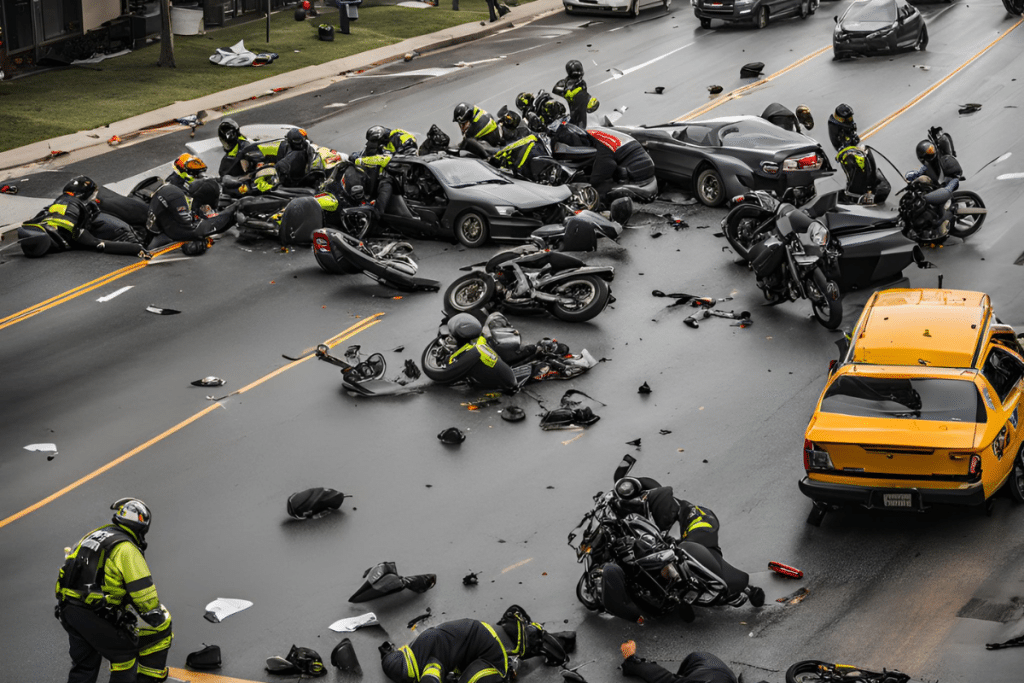
The recent surge in motorcycle crashes in Tampa has raised significant concerns regarding rider safety and the underlying causes of these tragic incidents. Despite the freedom and thrill that comes with motorcycle riding, the risks associated with it can lead to fatal consequences. This article delves into the various factors contributing to motorcycle crashes in Tampa, offers safety tips for riders, outlines how Tampa police handle accident investigations, and discusses the legal implications following a motorcycle crash. What Are the Causes of Motorcycle Crashes in Tampa? Understanding Common Factors Leading to Fatal Motorcycle Accidents A myriad of factors often influences motorcycle crashes in Tampa. One of the most critical causes is motorcyclists’ lack of visibility on busy streets and highways. In many instances, drivers of larger vehicles fail to notice motorcyclists, leading to collisions that can result in severe injuries or fatalities. Additionally, the high speed at which motorcycles can travel can exacerbate the severity of accidents, mainly when they occur at intersections or during lane changes. The recent crash on Courtney Campbell Causeway, where a motorcyclist was fatally injured, highlights how quickly a ride can turn tragic due to the negligence of other drivers or poor road conditions. How Weather Conditions Affect Motorcycle Safety in Tampa Bay Weather conditions significantly affect motorcycle safety throughout the Tampa Bay area. Florida’s unpredictable weather, including sudden rain showers and high winds, can create treacherous riding conditions. Wet roads can lead to decreased traction, increasing the likelihood of a crash. Riders must remain vigilant and adjust their riding techniques in response to changing weather. During inclement weather, motorcyclists must reduce speed, maintain greater following distances, and enhance their visibility through proper lighting and reflective gear. The Role of Driver Negligence in Motorcycle Crashes Driver negligence is a prevalent factor in many motorcycle accidents. Distractions such as mobile phones, aggressive driving behaviors, and impaired driving can significantly increase the risk of a collision. In Tampa, where traffic congestion is expected, the likelihood of a driver making a critical error that impacts a motorcyclist’s safety is heightened. The Florida Highway Patrol often emphasizes the importance of awareness and accountability among all road users to prevent fatal crashes. Furthermore, the aftermath of such negligence can lead to devastating consequences, as seen in numerous incidents where motorcyclists have been thrown from their vehicles due to a driver’s reckless behavior. What Are the Safety Tips for Motorcyclists in Tampa? Essential Safety Gear for Motorcycle Riders Wearing appropriate safety gear is paramount for motorcyclists to protect themselves in the event of a crash. Essential gear includes: A DOT-approved helmet. Gloves. Jackets made of durable materials. Riding pants that offer protection against abrasions. In addition, reflective vests can enhance visibility, especially when riding during low-light conditions. Investing in high-quality protective gear is a proactive measure that can significantly reduce the chances of severe injury or fatality in the unfortunate event of a motorcycle accident. Best Practices for Navigating Busy Streets and Highways Motorcyclists in Tampa should adopt best practices when navigating busy streets and highways. Defensive riding techniques, such as anticipating the actions of surrounding vehicles and maintaining a safe distance from other traffic, are crucial. Riders should also avoid weaving between lanes, which can lead to dangerous situations if a driver fails to check their blind spots. Awareness of the surroundings, especially at intersections and during lane changes, can help prevent crashes. The Gandy Bridge, a busy thoroughfare in Tampa, is notorious for motorcycle accidents, underscoring the need for caution when traversing heavy traffic. How to Stay Alert on the Road Staying alert while riding is essential for ensuring safety on the road. Motorcyclists should avoid riding when tired or under the influence of substances that impair judgment. Regular breaks during long rides help maintain focus and prevent exhaustion. Additionally, ongoing rider education and training can enhance skills and awareness, equipping motorcyclists with the necessary strategies to handle unexpected situations on the road. Techniques such as scanning the environment for potential hazards and practicing emergency maneuvers can prepare riders for unpredictable traffic. How Do Tampa Police Handle Motorcycle Accidents? Investigation Procedures for Fatal Motorcycle Crashes When a motorcycle accident occurs in Tampa, particularly a fatal crash, the Tampa Police and Florida Highway Patrol initiate a thorough investigation. This typically involves securing the accident scene, collecting evidence, and interviewing involved parties. Investigators meticulously examine vehicle damage, road conditions, and any contributing factors, such as traffic signals or signage. The goal is to ascertain the circumstances surrounding the crash and determine liability, which is crucial for any ensuing legal actions. The Importance of Witness Statements in Crash Reports Witness statements play a critical role in the investigation of motorcycle accidents. Eyewitness accounts can provide valuable insights into the events leading up to the collision, helping clarify the actions of the motorcyclist and the other drivers involved. The Tampa Police Department often seeks statements from bystanders to supplement their findings and create a comprehensive report. This information can be vital for determining fault and supporting any legal claims that may arise from the accident. How to Obtain a Police Report After a Motorcycle Accident After a motorcycle accident, obtaining a police report is essential for documenting the incident and supporting insurance claims. In Tampa, individuals can request a report through the Tampa Police Department or the Florida Highway Patrol, depending on which agency responded to the crash. Typically, this process involves filling out a request form and providing identification. Access to the report can facilitate communication with insurance companies and legal representatives, ensuring that victims are adequately compensated for their injuries and damages related to the crash. What Should You Do After a Motorcycle Crash in Tampa? Steps to Take Immediately Following a Motorcycle Accident In the aftermath of a motorcycle crash, victims must take immediate steps to safeguard their health and legal rights. First, if it is safe, the rider should assess their injuries and seek medical attention if necessary. Documenting the scene through photographs and gathering information from other

bicycle accident lawyer
Accident Injuries & why, Blog, FAQ, florida cities we serve, Injury, Legal, Our Community, personal injury attorney, Scooter Accident, Slip and fall, Why we serve

Tampa Bicycle Accident Lawyer: Experienced Bicycle Accident Attorneys

In the vibrant Tampa Bay area, riding a bicycle is a popular mode of transportation and a cherished recreational activity. However, with the increasing number of bicycle riders on the roads, the risk of accidents has also escalated. When these unfortunate events occur, having an experienced Tampa bicycle accident lawyer can be crucial in navigating the aftermath of a bicycle accident. This article delves into the common causes of bicycle accidents in Tampa, how a bicycle accident attorney can assist victims, the types of accidents that occur, and the steps to take if you find yourself injured in a bicycle accident. What are the common causes of bicycle accidents in Tampa? The top causes are contributing to bicycle accidents. The causes of bicycle accidents in Tampa are varied and complex. One of the top causes is the lack of dedicated bike lanes, which forces cyclists to share the road with motor vehicles. This situation increases the likelihood of collisions, especially in busy urban areas. Additionally, many bicycle accidents stem from distracted drivers who fail to notice cyclists sharing the road. Other common causes include reckless driving behaviors such as speeding, failing to obey traffic signals, and making unsafe lane changes. Weather conditions can also play a role, as rain or fog may reduce visibility and road traction, heightening the risk of an accident. Understanding road conditions and their impact Road conditions significantly affect bicycle safety in Tampa. Potholes, debris, and poorly maintained roadways can create hazardous situations for cyclists. In many cases, a bicycle rider may be unable to avoid a fall or collision due to unexpected obstacles. Additionally, construction zones can lead to confusion and dangerous conditions for cyclists and motorists. Understanding these road conditions is vital for riders and drivers, as it can help prevent accidents and promote bicycle safety. The role of motor vehicles in bicycle accidents Motor vehicles are often significant contributors to bicycle accidents in Tampa. The sheer size and weight of a car or truck compared to a bicycle means that even a minor collision can result in severe injuries or fatalities for the bicycle rider. Many bicycle accident cases involve a motor vehicle failing to yield the right of way to a cyclist, resulting in a traffic accident that could have been avoided. Both cyclists and drivers must remain vigilant and respectful of each other’s space on the road to minimize the risk of these tragic incidents. How can a Tampa bicycle accident lawyer help victims? Legal representation for bicycle accident victims When a bicycle accident occurs, the legal complexities can be overwhelming for victims. An experienced Tampa bicycle accident attorney can provide essential legal representation, ensuring that the injured party’s rights are protected. They can help gather evidence, negotiate with insurance companies, and represent the victim in court if necessary. Having an attorney who understands the nuances of Florida law can make a significant difference in the outcome of a bicycle accident case. Understanding the compensation process The compensation process following a bicycle accident can be intricate and challenging. Victims may be entitled to compensation for medical expenses, lost wages, pain and suffering, and other damages resulting from the accident. A knowledgeable personal injury attorney will guide the victim through this process, helping them understand what they may be eligible for and ensuring that all necessary documentation is submitted accurately and promptly. This support is crucial in securing the compensation needed for recovery. What to expect during a bicycle accident case Understanding what to expect during a bicycle accident can alleviate some stress for victims. Initially, the attorney will thoroughly investigate the accident to establish liability. This may involve gathering witness statements, police reports, and medical records. Following this, the lawyer in Tampa will communicate with insurance companies on behalf of the victim, negotiating a settlement. If a fair settlement cannot be reached, the case may proceed to trial, where the attorney will represent the victim’s interests in court. Throughout this process, clear communication from the attorney is vital to keep the victim informed and involved. What types of bicycle accidents occur in Tampa? Common types of bicycle crashes Bicycle accidents can take many forms, each with its unique hazards. Common types of bicycle crashes include collisions with motor vehicles, falls caused by poor road conditions, and accidents resulting from collisions with pedestrians. Additionally, many bicycle accidents occur when cyclists are struck while riding in bike lanes, indicating the pressing need for improved infrastructure and awareness. Each type of accident presents different challenges and risks, making it essential for victims to understand the specifics of their situation. Injury risks associated with different types of accidents The injury risks associated with various types of bicycle accidents can be severe. Collisions with motor vehicles often result in the most serious injuries, including traumatic brain injuries, fractures, and spinal injuries. Even falls caused by road hazards can lead to significant injuries, including concussions and lacerations. Understanding the potential injury risks is crucial for cyclists and motorists, as it highlights the importance of exercising caution and adhering to safety regulations while sharing the road. Statistical analysis of bicycle accidents in Tampa Statistical analysis reveals the alarming frequency of bicycle accidents in Tampa. According to recent data, many bicycle accidents occur annually, often leading to severe injuries and fatalities. The statistics underscore the need for greater awareness and improved safety measures within the Tampa Bay area. By understanding these trends, local authorities can implement better regulations and infrastructure changes to enhance bicycle safety and reduce accident rates. What should you do if you are injured in a bicycle accident? Immediate steps to take after a bike accident If you are injured in a bicycle accident, taking immediate steps to protect your health and legal rights is crucial. First, ensure your safety and those of others involved by moving to a safe location if possible. Next, call the authorities to report the accident. Documenting the scene with photos and gathering witness information can also be incredibly helpful.

tractor trailer crash
Accident Injuries & why, After an Accident, Blog, Car accident, FAQ, florida cities we serve, Injury, Legal, Our Community, personal injury attorney, Road Accidents, Truck Accidents, Why we serve

Tractor-Trailer Crash on Highway Leaves One Injured in Frederick County

In an unfortunate turn of events on Monday, a tractor-trailer crash in Frederick County injured one individual, highlighting the inherent dangers lurking on our highways. The accident, which unfolded on a typical Tuesday morning, reminds us of the risks associated with the massive vehicles that traverse our roadways. The rumble of a tractor-trailer can often signal the approach of trouble; on this occasion, it did just that. What Happened in the Tractor-Trailer Crash Near Frederick County? Details of the Accident on Tuesday Morning On a crisp Tuesday morning, the tranquility of the Highway was shattered by a crash involving a tractor-trailer. The incident occurred on an eastbound stretch near an exit that locals are all too familiar with, causing quite a stir among morning commuters. Witnesses reported a loud bang followed by the sight of the tractor-trailer overturning, its trailer portion spilling cargo across the Highway. As the scene unfolded, Virginia State Police quickly responded, ensuring that safety protocols were followed and traffic began to be diverted. The crash on this Highway was a stark reminder that even the most routine journeys can take a dangerous turn. How Many Vehicles Were Involved in the Tractor-Trailer Crash? While the primary focus was on the tractor-trailer’s driver, the crash on the route did not occur in isolation, affecting multiple vehicles and the trailer portion of the car. Reports indicate that this particular accident involved vehicles near exits, leading to a chaotic scene as cars swerved to avoid the overturned truck. The aftermath created a bottleneck that tested the patience of many drivers caught in the web of this unexpected disaster on Thursday afternoon. Thankfully, the injuries remained limited in scope, but the fact that several vehicles were involved left many shaken. What Caused the Tractor-Trailer to Overturn? The cause of this tractor-trailer crash is still under investigation. Still, preliminary reports suggest that speed and road conditions played a crucial role in I-95 during the collision. The tractor-trailer driver may have lost control while navigating a curve, leading to the fateful rollover. This incident has sparked discussions around the safety of our highways, particularly in areas where heavy vehicles, like tractor-trailers, frequently travel. The question lingers: could this accident have been prevented? Are the Injuries Reported from the Tractor-Trailer Crash? Who Was Injured in the Accident? The injuries resulting from the tractor-trailer crash were thankfully not fatal, but they were severe enough to warrant immediate medical attention at the time of the crash. The driver, who was taken to the hospital, suffered from significant injuries that could potentially lead to long-term implications. Eyewitnesses noted that the driver appeared shaken but conscious as first responders arrived. The trauma of being involved in such a crash can leave lasting effects, both physically and mentally. What Kind of Medical Attention Was Required? Upon arriving at the hospital, the injured driver received comprehensive medical care, including imaging studies to assess the extent of the injuries sustained during the crash. Treatments ranged from pain management to potential surgical interventions, highlighting the severe nature of the injuries that can arise from such incidents. The medical team worked diligently to ensure that the driver received the best possible care, underscoring the critical need for prompt medical attention following a truck accident. Are There Any Fatalities Associated with This Crash? Fortunately, this particular tractor-trailer crash did not result in any fatalities, which is a relief given the dangers associated with such incidents on the eastbound near the interstate. However, the close call serves as a reminder of how quickly situations can escalate on the Highway. Many truck accidents do not end as favorably, leading to tragic outcomes. The lack of fatalities this time offers a glimmer of hope but also fuels the conversation around safety measures that need to be reinforced on our highways, particularly concerning tractor-trailers. How Does a Tractor-Trailer Crash Impact Traffic and Highway Safety? What Were the Traffic Delays Following the Accident? In the wake of the tractor-trailer crash, traffic delays became unfortunate for countless drivers who were forced to navigate alternate routes. The aftermath of such an accident often leads to extensive backups, creating frustration among commuters. Reports indicated that traffic was delayed for several hours as crews worked diligently to clear the wreckage from the Highway. This incident affected those directly involved in the crash and disrupted the daily routines of many, illustrating how one crash can have a ripple effect throughout the county. How Can Other Drivers Stay Safe on the Highway? Highway safety is a shared responsibility, and there are several measures that other drivers can take to ensure their safety while navigating roads populated with tractor-trailers. Maintaining a safe distance from large trucks, staying vigilant for sudden stops, and avoiding distractions are all crucial steps. Additionally, understanding truck drivers’ limitations, such as their blind spots and longer stopping distances, can significantly reduce the risk of accidents. Education is critical, and awareness can go a long way in preventing future incidents. What Measures Are in Place to Prevent Future Tractor-Trailer Crashes? In light of such accidents, various measures have been implemented to enhance highway safety and prevent future tractor-trailer crashes, especially on I-95. These initiatives may include stricter regulations for truck maintenance, driver training programs, and improved monitoring of trucking companies. On a community level, awareness campaigns to educate the public about the dynamics of sharing the road with large vehicles have gained traction. As we strive for safer highways, all stakeholders must remain vigilant and proactive in implementing preventive measures. What Should You Do if Involved in a Tractor-Trailer Accident? Steps to Take Immediately After the Crash Being involved in a tractor-trailer accident can be overwhelming, but knowing the steps to take immediately afterward can make a significant difference. First and foremost, ensure your safety and the safety of others involved. If possible, move to a safe location and call for emergency services after witnessing a tractor-trailer crash en route. Documenting the scene with photos and gathering contact information from witnesses can

types of truck
Blog, FAQ, Legal, Truck Accidents, Why we serve

Exploring Types of Truck Drivers: What Truck Do They Drive?

The trucking industry is a vital component of the economy, facilitating the movement of goods across vast distances. However, not all truck drivers are the same; they operate different types of trucks based on their qualifications, the nature of their jobs, and the specific requirements of the cargo they transport. This article delves into the various types of truck drivers, the trucks they drive, their challenges, and essential regulations governing their profession. Understanding these aspects can help aspiring truck drivers make informed decisions about their career paths. What Are the Different Types of Truck Drivers in the Trucking Industry? In the trucking industry, there are several types of truck drivers, each specializing in different aspects of truck driving. Some common types include long-haul drivers, local drivers, and specialized drivers. Long-haul drivers typically transport freight over long distances, often crossing state lines, while local drivers focus on deliveries within a specific area, usually returning home each night. Specialized drivers may operate trucks requiring specific skills or certifications, such as those transporting hazardous materials or driving tankers. To succeed in these roles, a truck driver must possess a range of skills, including excellent navigational abilities, time management, and vehicle maintenance knowledge. What Qualifications Do Truck Drivers Need? To operate a commercial truck legally, drivers must obtain a CommerciaDriver’s License (CDL). This license is crucial as it demonstrates that the driver has met the necessary training and skills required to handle heavy vehicles. The CDL process includes a written test, a skills test, and a medical examination to ensure the driver is fit for the job. Different types of trucks may require different classes of CDL, meaning that the qualifications for driving a flatbed truck could differ from those needed for operating a tanker truck. Furthermore, drivers may need additional endorsements depending on the type of cargo they transport, such as hazardous materials. Aspiring truck drivers must enroll in reputable truck driving schools to prepare for the CDL requirements and gain the necessary skills to excel in the industry. How Does CDL Affect Truck Driver Types? The CDL directly influences the types of truck drivers in the industry. For instance, drivers need a Class A CDL to operate combination vehicles with a gross vehicle weight rating (GVWR) over 26,001 pounds, which includes most tractor-trailers. In contrast, a Class B CDL is needed for single vehicles with a GVWR of more than 26,001 pounds, such as buses and dump trucks. Specific endorsements, such as those for transporting hazardous materials, are also tied to the CDL. Therefore, the type of truck a driver can operate heavily depends on their CDL classification and endorsements, which define their role within the trucking industry. What Are the Common Types of Trucks Driven by Truck Drivers? Truck drivers operate a variety of trucks tailored to their specific freight needs. Common types of trucks include flatbed trucks, refrigerated trucks, and tanker trucks. Flatbed trucks are versatile and often used to transport construction materials, machinery, and oversized loads. Refrigerated trucks, or” “reefer,” are essential for transporting perishable goods and maintaining a controlled temperature throughout the journey. Tanker trucks are designed to transport liquids, including hazardous materials, and require specialized training to handle them safely. Understanding the specific functions of these trucks helps truck drivers choose their career paths and navigate the complexities of their jobs. What Types of Trucks Do Truck Drivers Typically Operate? Truck drivers typically operate several types of trucks, each designed for specific tasks and cargo needs. The choice of truck largely depends on the nature of the job and the freight being transported. For example, some drivers may specialize in flatbed trucks that are open at the top and sides, allowing for easy loading and unloading of goods that do not require protection from the elements. These trucks often carry heavy or oversized loads, such as steel beams, lumber, and construction equipment. What is a Flatbed Truck and What Are It Used? Flatbed trucks are trendy due to their versatility in transporting various goods. They feature a flat, open trailer that makes loading and unloading straightforward, often using cranes or forklifts. Common uses for flatbed trucks include transporting construction materials, machinery, and large equipment. Because flatbed drivers must secure their loads carefully, they need to possess strong skills in load management and safety regulations. This type of truck driving often requires a Class A CDL, especially when dealing with larger combination vehicles. How Do Refrigerated Trucks Function? Refrigerated trucks, or reefers, are specialized vehicles that maintain a specific temperature range to transport perishable goods. These trucks are equipped with a refrigeration unit that keeps the cargo cool, ensuring that products like food and pharmaceuticals remain fresh throughout transit. Operating refrigerated trucks requires drivers to monitor temperature settings continuously and be knowledgeable about the types of goods they are transporting. Many drivers who operate refrigerated trucks must have endorsements on their CDLs to handle the unique challenges associated with this type of cargo. What Are the Features of a Tanker Truck? Tanker trucks are designed to carry liquids, including fuel, chemicals, and hazardous materials. The design of a tanker truck varies depending on the type of liquid it transports, with specific features to ensure safety and compliance with federal regulations. Drivers of tanker trucks must receive specialized training, as they face unique challenges such as the potential for sloshing and shifting of liquid during transport. Additionally, these drivers must hold a specific endorsement on their CDL to handle hazardous materials, ensuring they are well-versed in safety protocols and emergency procedures. What Challenges Do Truck Drivers Face on the Road? While truck driving can be a rewarding career, it also comes with numerous challenges. Truck drivers often encounter various driving conditions, from inclement weather to challenging terrains, significantly impacting their safety and timely delivery. Additionally, long hours on the road can lead to fatigue, increasing the risk of accidents. Understanding these challenges is crucial for current and aspiring truck drivers, as it equips them with the knowledge to

Scroll to Top