Motorcycle Education

Accident Injuries & why, Blog, FAQ, Legal, Motorcycle Education, Motorcycles, personal injury attorney, Why we serve

Motorcycle Riding in Rain: How to Stay Safe and Confident

Motorcycle riding in the rain can be a thrilling experience. Still, a different approach is required to ensure safety.  According to the Federal Highway Administration, rain can significantly reduce visibility and road traction, making it essential for riders to adapt their techniques. Thus, adjusting your riding style and gear can help you confidently navigate wet roads.  This guide provides essential tips and techniques for riding safely and enjoyably in the rain. Let’s get into it! Guidelines for Safe Motorcycle Riding in the Rain To begin with, driving a motorcycle in the rain presents unique challenges due to reduced visibility and slippery roads.  So, adjusting your riding style and practicing safe techniques can significantly enhance your safety on wet roads. Adjust Your Riding Style Reduce Speed: Slow down to give yourself more time to react to changing conditions. Increase Following Distance: Maintain a safe following distance to allow braking time in case of sudden stops. Avoid Sudden Movements: Smoothly accelerate, brake, and turn to avoid losing traction. Throttle Control Smooth Throttle Input: Gradually apply and release the throttle to prevent sudden acceleration or deceleration. Avoid Sudden Jerks: Avoid abrupt movements that can cause wheelspin or loss of control. Braking Gentle Pressure: Apply the brakes progressively and avoid sudden, hard braking to prevent skidding. Anti-lock Brakes (ABS): If your motorcycle has ABS, use it effectively to help prevent wheel lockup during braking. Cornering Reduce Speed: Approach corners with reduced speed to maintain control. Lean Less: Lean into corners less than usual to avoid excessive lean angles on slippery surfaces. Avoid Sudden Changes: Avoid abrupt changes in direction or speed while cornering. Avoid Puddles Deep Puddles: Avoid deep puddles, as they can cause hydroplaning, in which your tires lose contact with the road surface due to water buildup. Loss of Control: Hydroplaning can lead to loss of control, so exercise caution and avoid deep puddles whenever possible. Proper Gear for Rain Riding Furthermore, having the right gear to stay dry, comfortable, and visible when riding a motorbike in the rain is crucial.  Here are some essential items to consider: Waterproof Gear Waterproof Jacket and Pants: Invest in a high-quality jacket and pants to keep you dry in heavy rain. Look for garments with sealed seams and waterproof materials. Waterproof Gloves and Boots: Protect your hands and feet from the elements with waterproof gloves and boots.  Choose options with good traction to help you stay safe on wet roads. Anti-fog Helmet Visor Clear Visibility: A fogged-up visor can significantly impair your vision in the rain. Opt for a helmet with an anti-fog visor, or consider using an anti-fog spray to prevent fogging. Reflective Gear Visibility: In low-light conditions, reflective gear is essential for other drivers to see you. Wear reflective jackets, vests, or patches to increase your visibility on the road. Handling Wet Roads and Slippery Conditions Riding in wet weather requires extra caution due to reduced traction. Here are some tips for handling slippery conditions: Tire Grip Reduced Traction: Tires have less grip on wet roads, so you need to be more careful with your throttle control and braking. Smooth Throttle Control: Avoid sudden acceleration or deceleration, as this can cause wheelspin and loss of traction. Gentle Braking: Apply the brakes progressively and avoid harsh braking to prevent skidding. Body Position Upright Position: Maintain an upright body position to help you balance better on slippery surfaces. Relaxed Grip: Avoid gripping the handlebars too tightly, as this can make it difficult to react to changes in road conditions. Anti-lock Brakes (ABS) Prevent Skidding: ABS systems help prevent wheel lockup during braking, reducing the risk of skidding. Improved Control: ABS can help you maintain control of your motorcycle in wet conditions, even during emergency braking. Tire Maintenance and Traction Proper tire maintenance ensures optimal traction and safety, especially in wet conditions. Tire Pressure Optimal Traction: Maintaining the correct tire pressure ensures that your tires have the proper contact patch with the road, which is essential for good traction. Check your tire pressure regularly, especially before long rides or in changing weather conditions. Tread Depth Grip on Wet Roads: Adequate tread depth is vital for griping wet roads. Worn tires with shallow treads may have difficulty displacing water, increasing the risk of hydroplaning. Regular Inspections: Check your tire tread depth regularly using a tread depth gauge or visually inspect the tread. Tire Types Wet Weather Tires: Consider using tires specifically designed for wet weather riding. These tires often have deeper grooves that help displace water and provide better traction in moist conditions. Sport Touring Tires: Many sport touring tires offer a good balance of performance and wet weather handling. By paying attention to tire maintenance and choosing the right tires, you can significantly improve your traction and safety on wet roads.  For legal assistance in case of motorcycle accidents, visit The Reyes Firm for expert support. Visibility During Rainy Rides In terms of visibility, it is also crucial for safety riding in the rain, so here are some tips to improve it: Headlights and Reflective Gear Headlights On: Always keep your headlights on, even during daylight hours, to increase your visibility to other drivers. Reflective Gear: Wear reflective clothing or vests to make yourself more visible to other road users, especially in low-light conditions. Anti-fog Solutions Clear Vision: Apply anti-fog solutions to your helmet visor to help prevent fogging and maintain clear visibility. Bright Clothing Stand Out: Wearing bright-colored clothing or vests can help you stand out and be seen more quickly by other drivers.   Following these tips can significantly improve your visibility during motorbike riding in the rain and reduce the risk of accidents. Weather Conditions and Emergency Preparedness Riding in the rain on a motorcycle requires skill and preparedness. Here are some tips for handling various weather conditions and emergencies: Adjust to Rain Intensity Light Rain: Maintain a steady pace and be cautious of slick surfaces. Heavy Rain: Reduce speed, increase the following distance, and avoid deep puddles. Torrential Rain: If possible,
Blog, FAQ, Injury, Motorcycle Education, Motorcycles, personal injury attorney, Why we serve

Motorcycle Group Riding: Safety and Etiquette Guide

Have you ever dreamed of motorcycle group riding? Cruising down the open road with a pack of fellow riders offers unparalleled freedom, camaraderie, and shared passion. But to ensure a safe and enjoyable experience for everyone involved, it’s crucial to understand and practice the essential guidelines for group riding safety and etiquette. In this guide, we’ll delve into the key aspects that will help you contribute to a positive and memorable journey for all riders.  Get ready to hit the road with confidence and create lasting memories! Motorcycle Group Riding: A Community on Wheels Motorcycle group riding is often organized by motorcycle clubs, charities, or individual riders. It’s a popular activity among motorcycle enthusiasts who enjoy the camaraderie, shared experiences, and enhanced riding safety. Types of Group Rides Motorcycle Club Rides: These rides are organized by motorcycle clubs and typically involve club members.  They offer a strong sense of community and often include club-specific activities like rallies, charity events, and social gatherings. Charity Rides: These rides are organized to raise funds for charitable causes.  They often involve many riders from various clubs and organizations and may include stops at designated locations for donations or fundraising activities. Adventure Rides: These rides are designed to explore new and exciting destinations. Adventure rides may involve off-road riding, camping, and other adventurous activities. They often attract riders who enjoy challenging and unique experiences. Benefits and Challenges of Group Riding Benefits Companionship and Camaraderie: Riding in a group fosters a strong sense of community and camaraderie.  It’s a great way to meet like-minded people, share stories, and create lasting friendships. Safety in Numbers: Riding in a group can provide added protection. Having multiple riders can deter potential threats and increase visibility on the road.  Additionally, group members can look out for each other and assist in emergencies. Shared Experiences: Group rides offer the opportunity to explore new destinations, experience different riding conditions, and create shared memories.  It’s a fantastic way to broaden your horizons and discover new riding adventures. Challenges Varying Skill Levels: Group rides often involve riders with different skill levels. Maintaining a consistent pace and ensuring everyone feels comfortable can make it challenging.  Communicating and adjusting the ride’s pace is essential to accommodate all riders. Different Riding Styles: Riders may have varying preferences for riding styles, such as aggressive or defensive riding.  This can lead to disagreements and safety concerns.  Clear communication and expectations are essential to ensure everyone feels comfortable and safe. Communication Difficulties: Miscommunication can be a significant challenge in group riding.  Effective communication methods, such as hand signals and verbal cues, ensure everyone is on the same page and can respond to changing situations. Essential Safety Tips for Group Riding Riding Formation Staggered Formation: This is the most common formation for group riding.  Riders are positioned in a staggered line, with each rider slightly behind and to the side of the rider in front.  This allows for better visibility and easier maneuvering in various traffic conditions. Single-File Riding: Switching to single-file riding may be necessary in tight conditions, such as crowded city streets or narrow roads.  This reduces the risk of collisions and makes it easier to navigate through traffic. Communication Hand Signals: Effective communication is essential for safe group riding.  Riders should be familiar with and use standard hand signals to indicate intentions, such as stopping, turning, or slowing down. Pre-Ride Meetings: Before embarking on a group ride, it’s essential to hold a pre-ride meeting to discuss the route, expected conditions, and any specific safety concerns.  This helps to ensure everyone is on the same page and understands the plan. Motorcycle-to-Motorcycle Communication Systems: While not always necessary, motorcycle-to-motorcycle communication systems can enhance communication and safety.  These systems allow groups of motorcycle riders to communicate directly with each other, providing real-time updates and warnings. Motorcycle Group Riding Etiquette Respect for Fellow Riders Maintain Proper Distance: It is crucial to maintain a safe following distance between your motorcycle and the one in front of you.  This allows for sufficient stopping time and prevents rear-end collisions. Respect Formations: Always adhere to the agreed-upon formation and follow the ride leader’s signals.  Only cut in or pull out of formation with proper communication. Avoid Aggressive Behavior: Aggressive riding, such as excessive speeding, tailgating, or passing on the right, can be dangerous and disruptive to the group.  Always ride defensively and courteously. Staying in Formation Maintain Your Position: Once in a staggered formation, it’s important to maintain your position and avoid weaving in and out of the line.  This can disrupt the flow of traffic and create confusion. Respect the Ride Leader’s Signals: Pay close attention to the ride leader’s signals and adjust your speed or position accordingly.  This helps to ensure the group stays together and avoids accidents. Tips for Joining a Motorcycle Group Finding the Right Group Utilize Online Resources: Many motorcycle clubs and groups have an online presence, such as websites, social media pages, or forums.  You can find potential options online using keywords like “motor bike clubs near me” or “motorbike riding groups.” Attend Local Events: Participate in local motorcycle events, such as rallies, bike nights, or charity rides.  These events are excellent opportunities to meet other riders and learn about local groups. Ask for Recommendations: Talk to friends, family, or acquaintances involved in motorcycle riding.  They can recommend groups or clubs that align with your interests and riding style. Joining a Motorcycle Club Understand Club Rules and Expectations: Before joining a motorcycle club, it’s essential to research their rules, expectations, and commitment levels.  Some clubs may require specific experience, equipment, or membership fees. Attend Club Events: Attend club events as a guest to get a feel for the group’s culture and dynamics. This will help you determine if the club is a good fit for you. Be Patient: Joining a motorcycle club may take time. Be patient and persistent in your search for the right group.  Remember, the goal is to find a club that shares your passion for riding

Motorcycle safety tips and road hazards
Legal, Motorcycle Education, Motorcycles, personal injury attorney, Traffic Violence, Why we serve

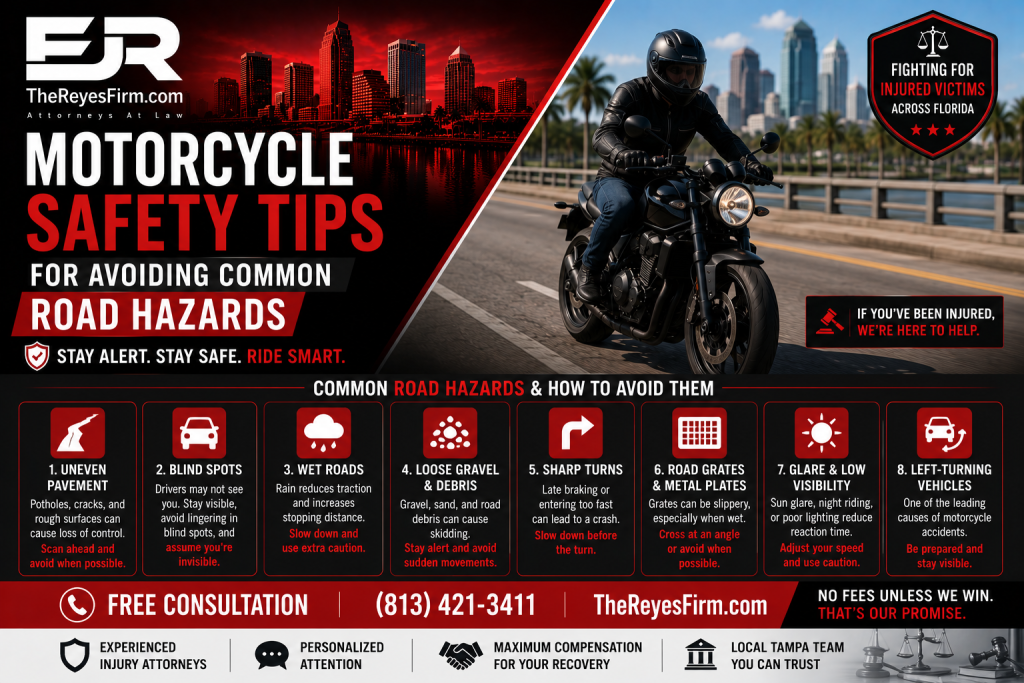
Motorcycle Safety Tips for Avoiding Common Road Hazards

Few things match the freedom of riding Florida’s open roads, but every rider knows the road does not forgive the way a car does. One distracted driver, one patch of gravel, one missed left turn, and everything can change in a heartbeat. These safety tips can help you ride smarter, and they can help you know exactly what to do if a careless driver ever puts you down. The Reyes Firm Hit by a Careless Driver While Riding in Tampa? Get clear answers about your rights as an injured rider. Had a bad day? Contact Us Now 2 Years Florida injury filing deadline Fla. Stat. § 95.11(3)(a) $10,000 Coverage to ride helmet-free at 21+ Fla. Stat. § 316.211 No PIP Florida no-fault excludes motorcycles Fla. Stat. § 627.732 50% Fault share that bars recovery Fla. Stat. § 768.81 Motorcyclists are far more exposed than drivers, which makes safety a daily discipline rather than an afterthought. The good news is that most crashes are preventable, and the habits below can keep you upright and in control. The reality is that even a perfect rider can be hit by someone else’s mistake, so this guide covers both how to ride safely and what to do if the worst happens. What motorcycle safety gear protects you best? Quality gear is the difference between walking away and a long hospital stay. The single most important piece is a DOT-approved helmet, which protects against the head trauma that causes the most serious and fatal motorcycle injuries. Beyond the helmet, build a full kit: Protective clothing. A jacket, pants, and gloves made from abrasion-resistant materials guard against road rash and deep cuts in a slide. Sturdy boots. Over-the-ankle motorcycle boots protect your feet and ankles and shield against road debris. High-visibility and reflective elements. Bright and reflective gear helps drivers see you, which is half the battle on a motorcycle. Gear cannot prevent every crash, but it can dramatically reduce how badly you are hurt when one happens. How do you ride defensively to avoid common road hazards? Defensive riding means assuming no one else sees you and giving yourself room to react. A few core habits prevent the majority of avoidable crashes. Keep a safe following distance using the 3-second rule, scan constantly for potholes, gravel, and debris, and check your mirrors so you are never lingering in a driver’s blind spot. Make your movements predictable with clear, early signals so drivers can anticipate what you will do. Knowing your machine matters just as much. Keep up with manufacturer-recommended maintenance, practice emergency braking so it is instinct when you need it, and understand how your bike handles in corners and on different surfaces. Above all, eliminate distractions: no phone, no eating, and no music so loud you cannot hear sirens or traffic around you. What is the most common cause of motorcycle accidents? One of the most common causes is a vehicle turning left across a motorcycle’s path. Drivers often fail to see an approaching rider, especially in low light or when the motorcycle sits in a blind spot, and they turn directly into the bike’s lane. These collisions are usually the driver’s fault, not the rider’s, because the motorcyclist had the right of way. This matters legally as much as it matters for safety. When a careless driver causes your crash, you have the right to pursue compensation for your injuries, even though you were the one on two wheels. How should you ride in rain, fog, at night, or in a group? Changing conditions demand changing tactics. In rain, slow down, increase your following distance, avoid standing water, and make sure your tires have enough tread for wet pavement. In fog, use low beams, ride slowly, and stay off the road entirely if visibility drops too far. Florida heat is its own hazard, so stay hydrated, wear breathable gear, and avoid the hottest hours when you can. Night riding calls for extra caution because visibility falls for everyone. Use your high beams when it is safe, wear reflective gear, and ride defensively for hazards you might spot late. When riding in a group, stay in a staggered formation for visibility, leave room between riders for braking, agree on hand signals in advance, and set a pace every rider is comfortable with. What are Florida’s motorcycle helmet, license, and insurance laws? Florida’s motorcycle laws hold a few surprises that every rider should understand. Under Florida Statute § 316.211, riders under 21 must always wear a DOT-approved helmet, while riders 21 and older may ride without one only if they carry at least $10,000 in medical insurance coverage. You also need a motorcycle endorsement on your license to ride legally on public roads. Insurance is where Florida differs most from what many riders assume. Florida’s no-fault PIP system does not apply to motorcycles under Florida Statute § 627.732, so the $10,000 in PIP that covers car drivers does not cover you on a bike. That makes your own health insurance, optional medical payments coverage, and the at-fault driver’s liability coverage especially important after a crash. 💡 Did You Know? Florida’s no-fault PIP law does not cover motorcycles. Unlike car drivers, motorcyclists have no automatic Personal Injury Protection benefits, so after a crash they rely on their own health insurance, optional medical payments coverage, or a claim against the at-fault driver. Source: Fla. Stat. § 627.732. Should you take a motorcycle safety course? A motorcycle safety course is one of the best investments any rider can make, regardless of experience. These courses sharpen your handling in real road conditions, teach proven defensive strategies, and build the kind of confidence that helps you react calmly under pressure. Newer riders gain fundamentals faster, and seasoned riders often discover bad habits they did not know they had. What should you do if you’re hit by a negligent driver in Tampa? Even the most careful rider can be taken down by someone else’s mistake, and what you do next

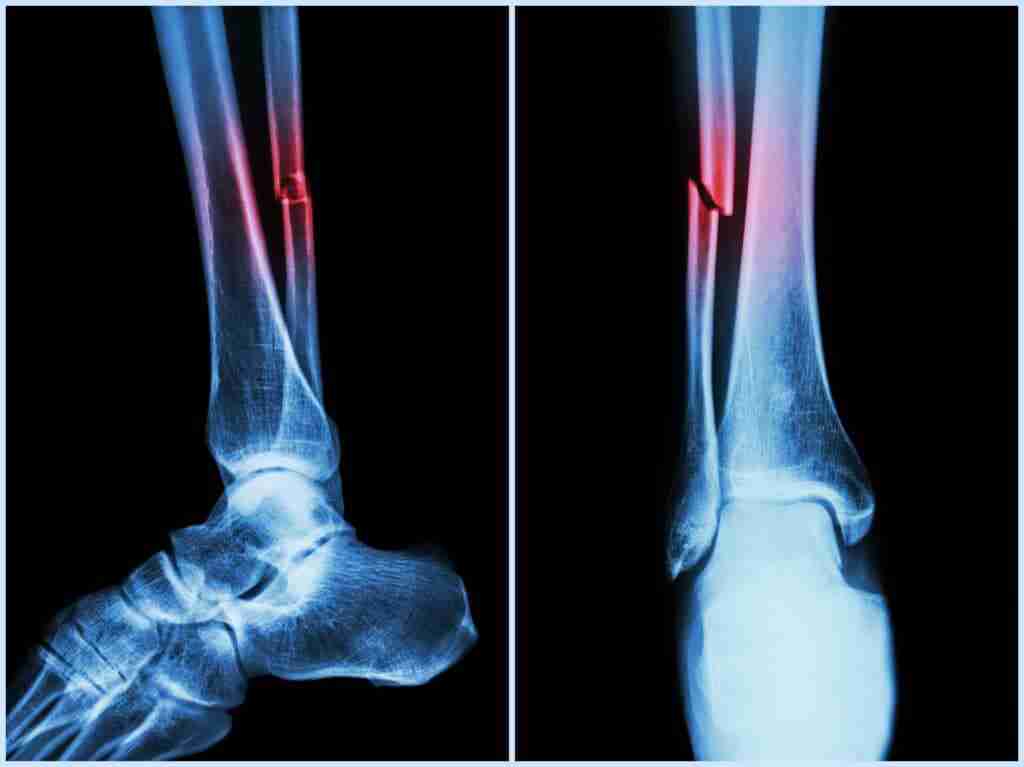
Fracture Shaft Of Fibula Bone ( Leg Bone ) . X-ray Of Leg ( 2 P
Accident Injuries & why, After an Accident, Blog, Car accident, FAQ, For Parents, For Teens, Health, Injury, Legal, Motorcycle Education, Motorcycles, Our Community, Pedestrian Accident, Personal Injury, Premise Liability, Road Accidents, Scooter Accident, Slip and fall, Teen Accidents, Why does this hurt, Why we serve

Knee Injury

Knee Injury Knee injuries can be very minor or life changing. No matter how minor or how big the outcome by having me as your attorney I will help you hold those accountable for your or your loved one’s injuries.   What are common causes of knee injury? Rear end collisions Slip and falls Pedestrian accidents Construction accidents Bicycle accidents What are common knee injuries? There are many types of knee injuries. After an accident these are the most common injuries: ACL injuries Fractures Torn Meniscus Knee Bursitis Patellar tendinitis What are the possible treatments that I might need? With every injury there is a recovery time. These are possible types of treatment: Medications Therapy Injections Surgery What damages can I recover? If someone else’s negligence caused you to have an injury you can claim compensatory damages against the liable party. Compensatory damages include economic and non-economic damages. Economic damage claim can include medical expenses, lost wages, loss of future earnings, home modifications, and non-medical needs. Non- economic damages include pain and suffering, loss of consortium, damage to reputation, emotional distress, and loss of companionship. You may also be able to recover punitive damages. Punitive damages can be recoverable if the liable party acted malice or fraud. These may include the liable party being under the influence while driving, fleeing from the police, and/or reckless driving.   How do you calculate my damages? Though I cannot guarantee a certain outcome, but by having me as your attorney I will guarantee the best possible outcome out there. I will be looking at these factors to get the total amount of compensation you are owed: The amount spent for your past and future treatment The amount of your income that will be lost while you’re recovering How much your injury will affect your future The affect your injury will have on your relationships with others They cost of any home care you are going to need   How will you prove my damages? You may think that those documents or photographs may not strengthen your case, but they actually make your case even stronger. It may be obvious that the liable party caused your injury but you are going to need those photographs and documents to make your case even stronger. Some examples that will make your case stronger is: Medical documents Any medical imaging Photographs of the accident scene and your injuries Police report Proof of loss benefits Any receipts that show any expenses related to your injury   Should I file for worker’s compensation? Workers’ compensation is the company’s insurance that gives benefits to the employees who are injured on the job. These benefits include medical bills, lost wages compensation, and help with disability. Like every other insurance they too want to avoid paying a huge cost and pay you what you earn. By having me as your attorney I will help you maximize the amount of benefit you need and deserve. I will not stop until you get it.   Let me help you get all the compensation you deserve because you don’t deserve anything less! Contact The Reyes Firm at 813-421-3411 We are here for you 24/7 and have the experience to protect your interests and get you the recovery you deserve. Call us today – and above all be safe on the roads!

Bigstock–127587473
Accident Injuries & why, After an Accident, Blog, Car accident, FAQ, Injury, Legal, Motorcycle Education, Motorcycles, Spanish, Teen Accidents, TMJ, Why we serve

Accidentes de Motocicleta

Accidentes de Motocicleta Cada año en nuestra comunidad hay miles de accidentes de motocicleta que podrían haberse prevenido. La motocicleta pasa el doble que los accidentes automovilísticos. Al menos la mitad de esos accidentes involucra un vehículo motorizado. Los motociclistas tienen todos los mismos derechos que los que conducen vehículos motorizados. Esto incluye usar los mismos caminos. El motociclista sufre las mismas lesiones traumáticas que una persona que tuvo un accidente automovilístico. ¿Cuáles son algunas causas comunes de accidente de motocicleta? Un conductor negligente de una motocicleta o un automóvil son las principales causas de accidentes de motocicleta. Durante estos accidentes, el motociclista es quien tiene un mayor riesgo de lesiones graves debido a la falta de protección que tienen. Las causas comunes son: Conducir ebrio Conducir distraído Mal funcionamiento en moto Exceso de velocidad ¿Cuáles son las lesiones comunes después de un accidente de motocicleta? Como motociclista, eres propenso a sufrir traumas físicos graves. Estas lesiones graves pueden causar daños permanentes de por vida. Las lesiones graves comunes incluyen: Lesión cerebral traumática Lesión de la médula espinal Traumatismo facial Huesos rotos Concusiones ¿Cómo puedo ayudar a prevenir estos accidentes? El automovilista puede ser muy consciente de su entorno. Además, los que conducen automóviles deben ser cautelosos y corteses con las motocicletas. El motociclista siempre debe usar el equipo de protección adecuado para disminuir la posibilidad de lesiones graves. ¿Qué daños puedo recuperar? Si la negligencia de otra persona le causó una lesión en la motocicleta, puede reclamar daños compensatorios contra la parte responsable. Los daños compensatorios incluyen daños económicos y no económicos. La reclamación por daños económicos puede incluir gastos médicos, salarios perdidos, pérdida de ingresos futuros, modificaciones en el hogar y necesidades no médicas.  Los daños no económicos incluyen dolor y sufrimiento, pérdida de consorcio, daño a la reputación, angustia emocional y pérdida de compañía. También puede ser capaz de recuperar daños punitivos. Los daños punitivos pueden ser recuperables si la parte responsable actuó por malicia o fraude. Estos pueden incluir que la parte responsable esté bajo la influencia mientras conduce, huye de la policía y/o que conduce de manera imprudente. ¿Cómo calculas mis daños? Aunque no puedo garantizar un cierto resultado, pero al tenerme como su abogado, le garantizaré el mejor resultado posible. Observaré estos factores para obtener el monto total de la compensación que se le debe: La cantidad gastada para su tratamiento pasado y futuro. El monto de sus ingresos que se perderá mientras se recupera ¿Cuánto afectará tu lesión en tu moto a tu futuro? El efecto que tu lesión cerebral tendrá en tus relaciones con los demás. Coste de cualquier atención domiciliaria que vaya a necesitar. ¿Cómo demostrarás mis daños? Puede pensar que esos documentos o fotografías pueden no fortalecer su caso, pero en realidad lo hacen aún más sólido. Puede ser obvio que la parte responsable causó su lesión cerebral, pero va a necesitar esas fotografías y documentos para fortalecer su caso. Algunos ejemplos que fortalecerán su caso son: Documentos médicos Cualquier imagen médica. Fotografías de la escena del accidente y sus heridas. Reporte policial Prueba de beneficios de perdida Cualquier recibo que muestre los gastos relacionados con su lesión en motocicleta.  ¡Déjame ayudarte a obtener toda la compensación que mereces porque no mereces nada menos! Póngase en contacto con la firma Reyes al 813-421-3411 Estamos aquí para usted 24/7 y tenemos la experiencia para proteger sus intereses y conseguirle la recuperación que merece. Llámanos hoy y, sobre todo, quédate seguro en las carreteras.    

Black Screen Display Of Motorcycle Miles. Vintage Style Motorcyc
Accident Injuries & why, After an Accident, Blog, Car accident, FAQ, Injury, Motorcycle Education, Motorcycles, Road Accidents, Scooter Accident, Teen Accidents, Why does this hurt, Why we serve

Motorcycle Accidents

Motorcycle Accidents Every year in our community there are thousands of motorcycle accidents that could’ve been prevented. Motorcycle happens twice as much as auto accidents. At least half of those accidents involve a motor vehicle. Motorcyclist have all the same rights as those who drive motor vehicles. This includes using the same roads. Motorcyclist suffer the same traumatic injuries that a person who was in an auto accident. What are some common causes of motorcycle accident? A negligent driver of either a motorcycle or automobile are the major causes of motorcycle accidents. During these accidents the motorcyclist are the one who’s who have a higher risk of serious injury due to lack of protection they have. Common causes are: Drunk driving Driving while distracted Malfunction in motorcycle Speeding What are common injuries after a motorcycle accident? As a motorcyclist you are prone to severe physical trauma. These serious injuries can cause permanent lifelong damages. Common serious injuries include: Traumatic brain injury Spinal cord injury Facial trauma Broken bones Concussions How can I help prevent these accidents? Motorist can be very aware of their environment. In addition, those who driving cars be cautious and courteous to those who are motorcycles. Motorcyclist should always wear the proper protective gear to lessen the chance of serious injuries. What damages can I recover? If someone else’s negligence caused you to have a motorcycle injury you can claim compensatory damages against the liable party. Compensatory damages include economic and non-economic damages. Economic damage claim can include medical expenses, lost wages, loss of future earnings, home modifications, and non-medical needs. Non-economic damages include pain and suffering, loss of consortium, damage to reputation, emotional distress, and loss of companionship. You may also be able to recover punitive damages. Punitive damages can be recoverable if the liable party acted malice or fraud. These may include the liable party being under the influence while driving, fleeing from the police, and/or reckless driving. How do you calculate my damages? Though I cannot guarantee a certain outcome, but by having me as your attorney I will guarantee the best possible outcome out there. I will be looking at these factors to get the total amount of compensation you are owed: The amount spent for your past and future treatment The amount of your income that will be lost while you’re recovering How much your motorcycle injury will affect your future The affect your brain injury will have on your relationships with others They cost of any home care you are going to need How will you prove my damages? You may think that those documents or photographs may not strengthen your case, but they actually make your case even stronger. It may be obvious that the liable party caused your brain injury but you are going to need those photographs and documents to make your case even stronger. Some examples that will make your case stronger is: Medical documents Any medical imaging Photographs of the accident scene and your injuries Police report Proof of loss benefits Any receipts that show any expenses related to your motorcycle injury Let me help you get all the compensation you deserve because you don’t deserve anything less! Contact The Reyes Firm at 813-421-3411 We are here for you 24/7 and have the experience to protect your interests and get you the recovery you deserve. Call us to

Roadtrip
Accident Injuries & why, Blog, Car accident, FAQ, Health, Injury, Legal, Motorcycle Education, Our Community, Police Interaction, Road Accidents, Teen Accidents

Here are some tips to get ready for your summer trips:

Here are some tips to get ready for your summer trips: Every one love taking a road trip in the summer with the family! During these road trips unfortunately, accidents can happen. Follow these tips before hitting the road to minimize an possibilities of an accident. Have your vehicle checked. By doing this you can check if the air conditioning is working, the fluid levels, change your oil, brakes, and other belts and hoses.  Check for any recalls. Check to see if any parts of your car have been affected by the recalls. You can check the NHTSA Recall Database. Here you can enter your VIN and see your specific car’s recall.  Have an emergency roadside kit. In this kit you should have a first aid kit, a flashlight, portable charger, jumper cables, flares, water, non-perishable food, map, extra clothes, and an extra blanket and towel.  As always, BUCKLE UP!! Everyone who is in your vehicle should be wearing a seatbelt. By wearing a seatbelt, you and your passengers will be safe. Having an accident while on a road trip around Florida can ruin your vacation, call my office and let me help relieve your stress. Contact The Reyes Firm at 813-421-3411 We are here for you 24/7 and have the experience to protect your interests and get you the recovery you deserve. Call us today – and above all be safe on the roads!

Motorcycle accidents
Accident Injuries & why, florida cities we serve, Motorcycle Education, Motorcycles, Scooter Accident, Settlement, Why we serve

Motorcycle Accident Injury and Evidence

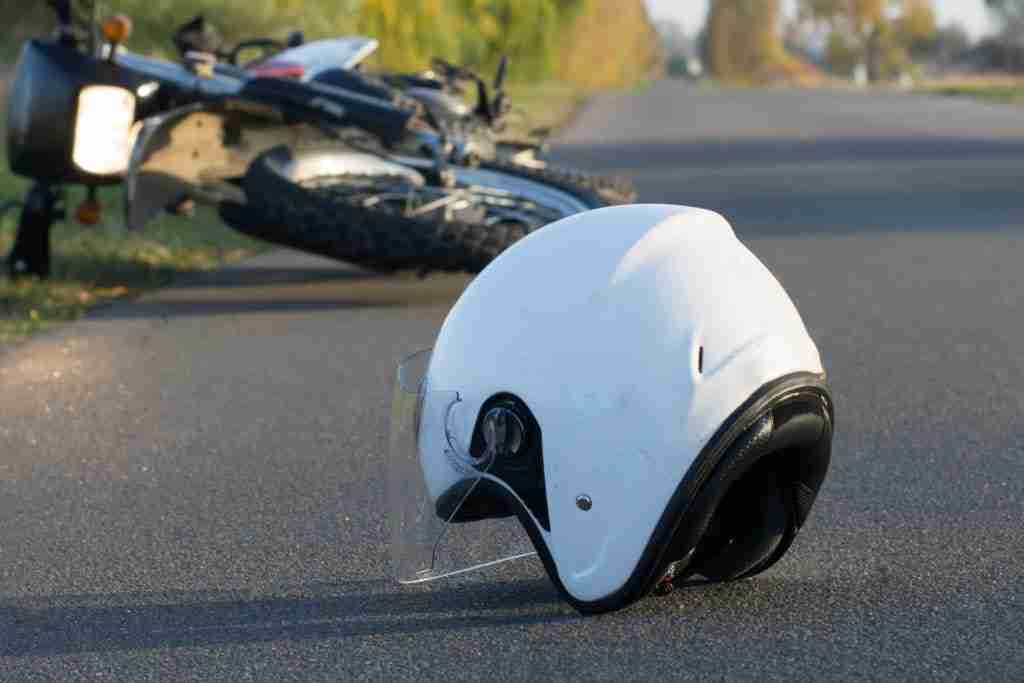
When injured in a motorcycle accident in Tampa Bay, contacting an experienced Tampa Bay motorcycle accident attorney could be crucial for your chances to get compensated for your personal injuries. Call us at 813-421-3411 to help you navigate the damages recovery procedures, and gather the following evidence to prove that the crash wasn’t your fault: Accident reports.If a police officer comes to the scene, he or she will make a report about the accident. It will include many important facts observed by the officer, such as road conditions, weather, property damage, skid marks, and others. It will include only information observed by the officer since due to accident reporting privilege he or she doesn’t have to include anything that drivers say. The accident report is very important evidence and it’s not easy to be contested. Witness statements.Other people who have seen or heard something about the accident can offer valuable information as well. Make sure you collect contact information of witnesses who have seen that it wasn’t your fault. Surveillance recordings.Street cameras, red light cameras, local businesses surveillance on storefronts – they could have recorded your motorcycle accident and secured evidence to prove you were right. Videos and photos made by you.Make sure you follow the “Rule of 8”, which means taking photos and videos from the following eight angles: front, front driver corner, driver side, rear driver corner, rear, rear passenger side corner, passenger side, front passenger corner. It will give a great picture of the accident to the insurance company and the judge. Helmet.Don’t use your helmet again as it may serve as an evidence that you were wearing one when the injuries occurred. It’s wise to take photos of the helmet too. Clothing.Like the helmet, the clothing could provide valuable evidence about the motorcycle accident circumstances. It’s best if you just put the clothes in a zip bag and hand it to your lawyer to help him help you by extracting evidence from the clothes.

Motorcycle Accident Attorney Tampa - Edward Reyes
Accident Injuries & why, Blog, Injury, Legal, Motorcycle Education, Motorcycles

Motorcycles and the Law in Florida

Motorcycles and the Law in Florida The weather in Florida enables motorcyclists to ride nearly year round, provided they can handle the slightly cooler temperatures during the winter months.  For many people it is an economical way to get around to run errands or go to work. Motorcycle accidents can, however, lead to catastrophic and long term consequences including injuries and financial losses to a motorcycle rider, especially if he is not wearing a helmet or other safety gear.  For obvious reasons, a motorcycle rider is more exposed to suffering serious and debilitating injuries, and even death, just because a motorcycle offers no bodily protection to the rider when struck by an automobile or truck. In recent years, helmet laws in Florida have changed several times.  The mandatory helmet law of 2000 in Florida was repealed and the laws were subsequently updated because the number of death related motorcycle accidents had increased. Florida Statutes §316.211 covers motorcycle helmet laws in the state of Florida.  Pursuant to the statute, motorcycle riders are required to wear a protective helmet on their head.  Specifically the statute provides: Anyone under the age of 21 riding a motorcycle is required to wear a helmet. Anyone who is over the age of 21 may ride a motorcycle provided they have a $10,000 medical insurance policy which will cover any injuries resulting from an accident while riding a motorcycle. The National Highway Traffic Safety Administration (NHTSA) did recent studies and discovered that motorcycle riders in states with mandatory helmet laws nearly 100% of riders wear safety helmets while riding a motorcycle. This research further disclosed that in 2011 nearly 56% of motorcyclists who were involved in an accident resulted in death when a motorcyclist was not wearing a helmet as provided in Florida Statutes §316.211. If you or a loved one has been injured due to the negligence of another person or a corporation while riding a motorcycle, you may be entitled to receive compensation for the injuries you sustained, payment of your medical bills and compensation for your lost wages or loss of earning capacity. Be aware, however, Florida is a “comparative negligence” state. As a result, the jury can assign a percentage of fault to the motorcycle driver.  This means that if a motorcyclist is hit by another vehicle, and the accident might have been prevented or the injury less serious if the motorcyclist had been wearing a safety helmet, the jury can place part of the blame on the motorcycle rider. Have you been injured in a motorcycle accident due to another driver’s negligence?  Our firm has handled numerous motorcycle accident cases.  We have the staff to devote to investigating your accident; we can help you obtain medical treatment for your injuries and obtain the settlement that you are entitled to. Contact the Reyes Firm at 813-421-3411  We are here for you 24/7 and have the experience to protect your interests and get you the recovery you deserve.  Call us today – and above all be safe on the roads!

Scroll to Top