Getting into a car accident is stressful enough, but discovering the other driver doesn’t have insurance can make the situation even more overwhelming.
Unfortunately, accidents involving uninsured drivers happen more often than you might think, leaving many victims unsure how to cover medical bills, vehicle repairs, and other expenses. If you’ve been hit by an uninsured driver, taking the proper steps immediately can protect your rights and financial well-being.
In this guide, we’ll explain everything you need to know to navigate this challenging situation confidently.
What to Do Immediately After an Accident
Contact the Police
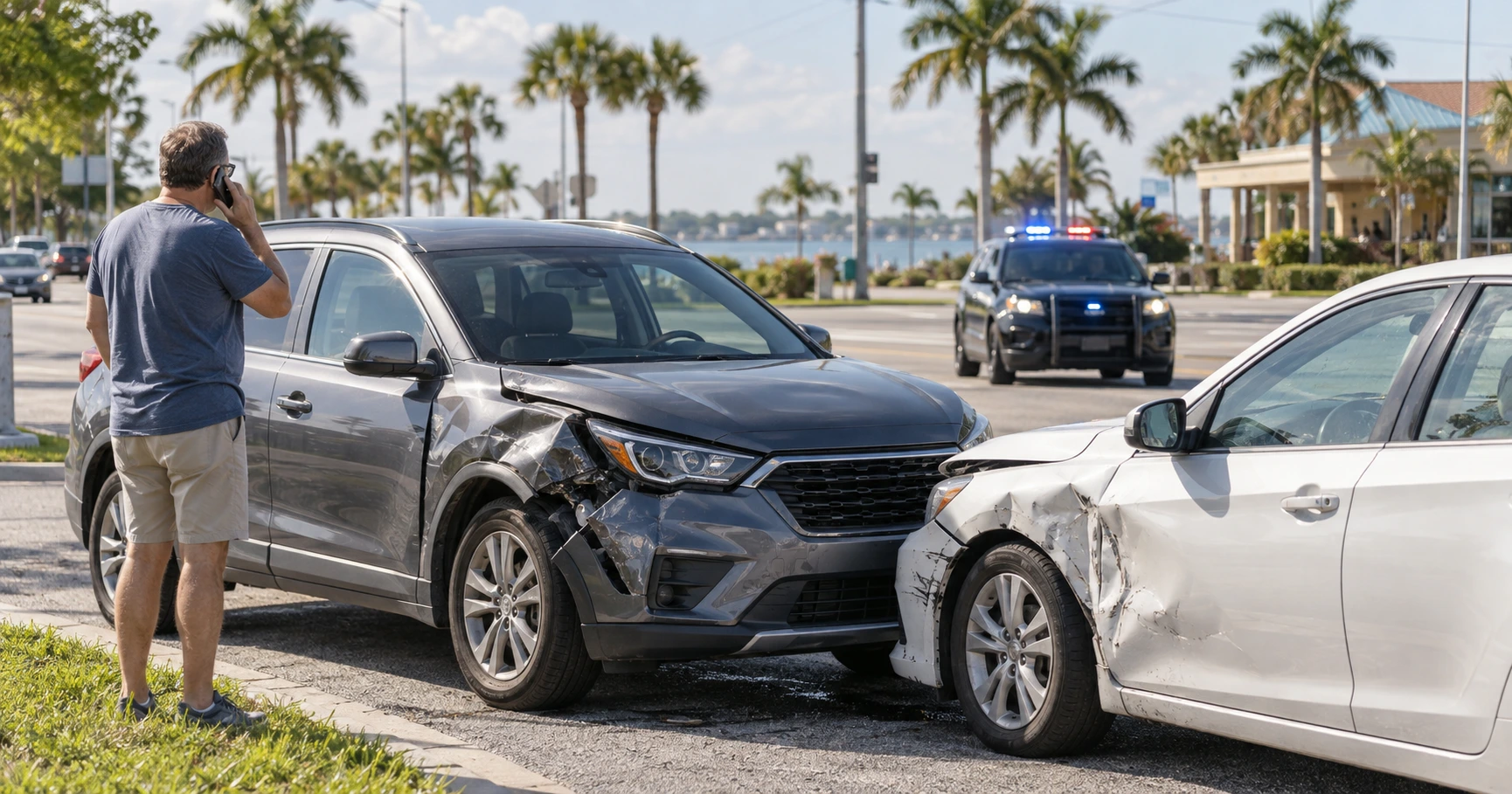
One of the first things you should do after an accident, regardless of its severity, is contact the police. Even if the damage seems minor, filing a police report is essential.
Here’s why:
- Official Record: A police report provides an unbiased, official record of the accident, including details like the time, location, and any statements from the involved parties. This is invaluable when filing insurance claims or pursuing legal action.
- Supports Your Claim: Insurance companies often require a police report to process claims, especially if the other driver is uninsured.
- Legal Protection: If there’s a dispute about what happened, the police report can be crucial evidence to support your side of the story.
When the police arrive, share all relevant details honestly and ask for a copy of the report or instructions on obtaining it later.
Gather Evidence
While waiting for the police or immediately after ensuring everyone’s safety, take steps to document the scene. This evidence could be vital for your insurance claim or legal case.
Here’s what to focus on:
- Take Photos: Use your phone to capture clear images of:
- Vehicle damage (yours and the other driver’s).
- The accident scene includes skid marks, road signs, and weather conditions.
- Any visible injuries you or your passengers sustained.
- Collect Witness Information: If there are witnesses, ask for their names and contact information. Their statements can help corroborate your account of the accident.
- Get the Driver’s Details (if possible): If the uninsured driver cooperates, try to gather their:
- Name and contact information.
- License plate number.
- Driver’s license details.
- Make and model of their vehicle. If the other driver refuses to provide details, inform the police when they arrive.
This evidence will be invaluable when filing an insurance claim or seeking legal help.
Seek Medical Attention
Even if you feel fine immediately after the accident, seeing a doctor as soon as possible is essential.
Here’s why:
- Hidden Injuries: Some injuries, such as whiplash or concussions, may not show symptoms immediately. A medical evaluation can detect these issues early.
- Medical Records: Visiting a doctor creates an official record of your injuries, which can strengthen your insurance claim or legal case. Ensure you keep copies of all medical bills, diagnoses, and treatment plans.
- Peace of Mind: Prompt medical attention safeguards your health, helps you recover faster, and prevents complications.
If the accident is severe, prioritize getting to the hospital immediately. Your health and safety are always the top priority.
Notify Your Insurance Company
After addressing immediate safety concerns, you must inform your insurance company about the accident.
Here’s how to approach this step:
- Contact Them Promptly: Notify your insurer as soon as possible—many policies have time limits for filing a claim.
- Provide Accurate Details: Be honest and thorough when explaining the accident. Include details like:
- The time, date, and location of the accident.
- A description of what happened.
- Any photos or witness information you collected.
- Ask About Uninsured Motorist Coverage: If you have uninsured motorist (UM) coverage, discuss how to proceed with your claim under this policy.
- Follow-up: Record all communication with your insurance company, including claim numbers and the names of representatives you speak with.
For more detailed guidance on dealing with insurance companies after an accident, check out our blog post: How to Handle Insurance Companies After an Accident: A Step-by-Step Guide to Protect Yourself.
Being proactive and organized can streamline the claims process and ensure you receive the compensation you are entitled to.
Understanding Uninsured/Underinsured Motorist Coverage
What is UM/UIM Coverage?
Uninsured Motorist (UM) and Underinsured Motorist (UIM) coverage are types of car insurance that provide extra protection when the other driver isn’t adequately insured.
Here’s how they work:
- Uninsured Motorist (UM) Coverage: This kicks in when the at-fault driver has no insurance. For example:
- If an uninsured driver hits you and suffers injuries or vehicle damage, your UM coverage can help cover medical bills, lost wages, and repair costs.
- This is especially critical in states where many drivers are uninsured.
- Underinsured Motorist (UIM) Coverage: This applies when the at-fault driver has insurance, but their policy limits aren’t high enough to cover all your expenses. For instance:
- If your medical bills total $50,000, but the other driver’s liability insurance only covers $25,000, UIM coverage can make up the $25,000 difference up to your policy’s limit.
Having UM/UIM coverage ensures you’re not left footing the bill for someone else’s lack of responsibility. It’s a safety net that provides peace of mind when the other driver’s insurance (or lack thereof) fails to meet your needs.
Coverage Limits and Policy Details
When it comes to UM/UIM coverage, understanding your policy’s limits is key. Here’s what you should know:
- Typical Coverage Limits: Insurance policies usually list limits in two parts:
- Per Person Limit: This is the maximum amount the policy will pay for one individual’s injuries.
- Per Accident Limit: This is the maximum payout for all injuries in a single accident.
- For example, if your policy has a UM/UIM limit of $50,000/$100,000:
- It will pay up to $50,000 per person injured.
- It will pay $100,000 for all injuries in the accident.
- How Coverage Limits Impact Claims: If your damages exceed your policy limits, you may need to explore other compensation options, such as suing the at-fault driver. This highlights the importance of selecting higher coverage limits when possible.
- Reviewing Your Policy: Regularly reviewing your insurance policy is a good idea to ensure you’re adequately protected. Key questions to ask:
- What are my UM/UIM coverage limits?
- Does my policy cover bodily injury and property damage under UM/UIM?
- Are my limits high enough to cover potential medical bills or repairs?
Why It Matters:
Many people only realize the importance of UM/UIM coverage after an accident. By understanding your policy and its limits now, you can ensure you’re prepared for the unexpected and won’t face financial hardship due to someone else’s lack of insurance.
Legal Rights and Options
Filing an Insurance Claim
Filing a claim under uninsured motorist (UM) coverage is essential if an uninsured driver has hit you. Here’s how the process typically works:
- Contact Your Insurance Company: Notify your insurer as soon as possible after the accident. Many policies have strict deadlines for filing a claim, so don’t delay.
- Provide Documentation: Be prepared to submit:
- A copy of the police report.
- Photos of the accident scene, damage, and injuries.
- Medical records and bills related to the accident.
- Statements from any witnesses.
- Work With Your Claims Adjuster: Your insurer will assign a claims adjuster to evaluate your case.
- Understand Your Coverage: Your UM coverage will determine what is reimbursed, whether it’s medical bills, lost wages, or vehicle repair costs.
- Act Quickly: Insurance policies often have specific timeframes for filing claims, so acting promptly is crucial. Missing these deadlines could result in a denied claim.
Hiring Legal Representation
Dealing with an accident involving an uninsured driver can quickly become complicated, especially if the insurance company is uncooperative or your damages exceed policy limits.
Here’s why hiring an experienced car accident lawyer can make a significant difference:
- Expert Guidance: A lawyer understands the nuances of uninsured motorist claims and can protect your rights at every step.
- Negotiation Power: Insurance companies often try to minimize payouts. An attorney can negotiate on your behalf to secure the compensation you deserve.
- Legal Strategy: If your case requires going to court, a skilled lawyer can build a strong case, gather evidence, and effectively represent your interests.
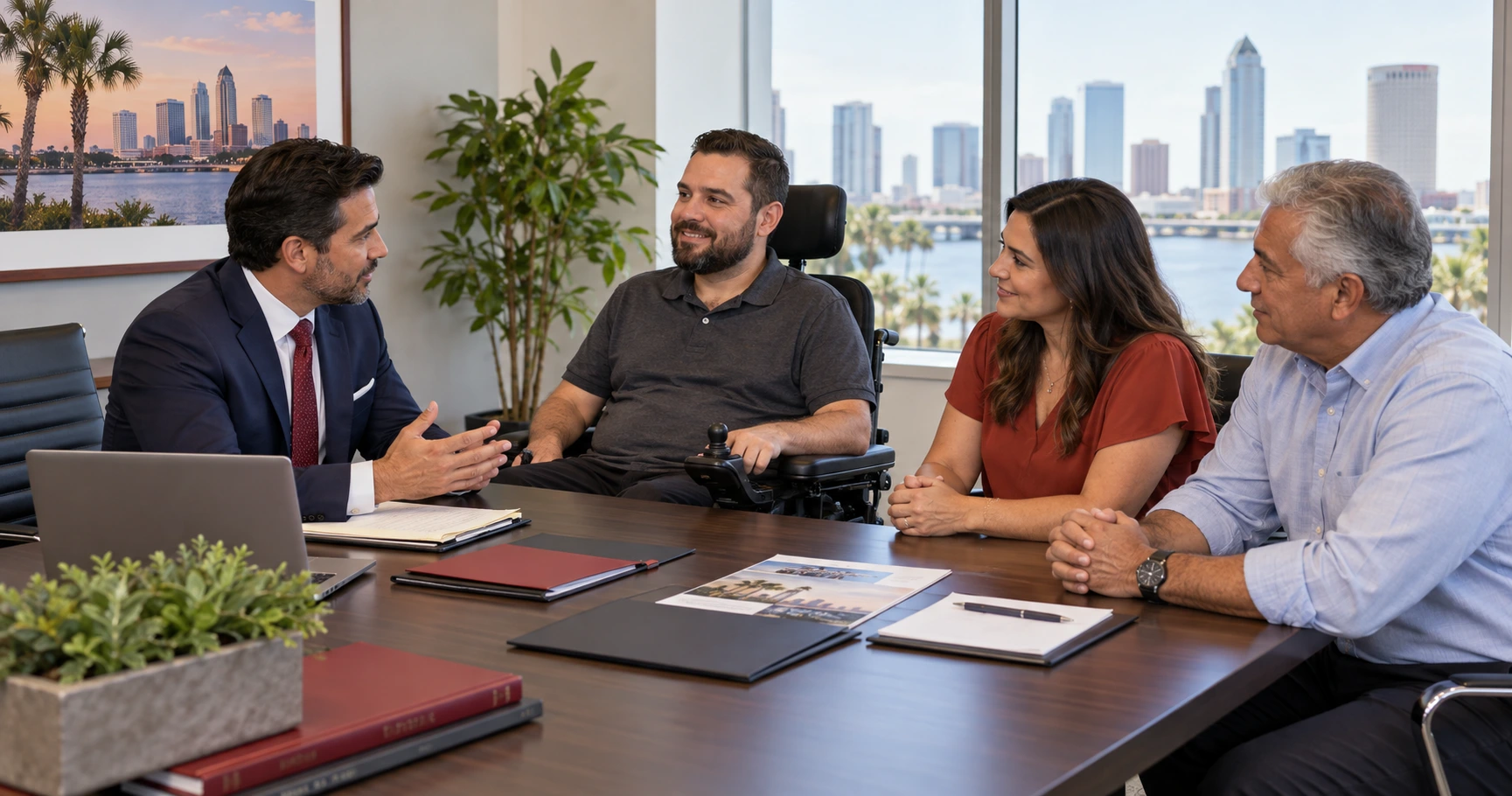
How The Reyes Firm Can Help: At The Reyes Firm, we specialize in car accident cases, including those involving uninsured drivers. We can:
- Help you file a claim under your UM coverage.
- Handle all communication with the insurance company to reduce your stress.
- Pursue maximum compensation for your injuries, property damage, and other losses.
- Provide compassionate, results-driven legal representation every step of the way.
Having a trusted legal advocate can make all the difference in the aftermath of an accident with an uninsured driver.
Recoverable Damages
If you’ve been in an accident with an uninsured driver, you may be eligible to recover various damages through your UM coverage or legal action.
Here are the most common categories:
- Medical Expenses:
- Costs for emergency care, hospital stays, surgeries, medications, physical therapy, and follow-up appointments.
- Future medical expenses if you need ongoing treatment.
- Lost Wages and Future Earning Potential:
- Compensation for income lost while recovering from the accident.
- Damages for reduced earning capacity if your injuries impact your ability to work long-term.
- Pain and Suffering:
- Non-economic damages for the physical pain and emotional distress caused by the accident.
- This can include anxiety, depression, or loss of enjoyment of life.
- Property Damage:
- The costs to repair or replace your vehicle and any other damaged personal property, such as electronics or valuables in the car.
Understanding the full scope of recoverable damages is crucial to ensuring you don’t settle for less than you deserve. An experienced lawyer can help accurately calculate these damages and fight for maximum compensation.
State-Specific Information
Relevant Laws
Florida has unique laws regarding car accidents, including those involving uninsured drivers.
Here’s what you need to know:
- Uninsured Drivers in Florida:
While Florida requires all drivers to carry insurance, many uninsured drivers are still on the road. If you’re hit by one of them, it’s essential to understand your legal options. - State Insurance Requirements:
Florida law requires drivers to carry:- $10,000 in Personal Injury Protection (PIP): Covers medical bills and lost wages, regardless of who was at fault.
- $10,000 in Property Damage Liability (PDL): Covers damage you cause to someone else’s property.
- However, Florida does not require drivers to carry bodily injury liability coverage, leaving many accident victims relying on their own insurance or uninsured motorist (UM) coverage.
- Deadlines for Claims:
- Florida has a statute of limitations for filing personal injury claims. You typically have two years from the accident date for car accidents to file a claim.
- If filing a claim for uninsured motorist benefits through your insurance, the deadlines may vary depending on your policy. It’s crucial to report the accident and start the claims process immediately.
- Legal Considerations:
If an uninsured driver hits you, you can pursue compensation through:- Your own UM/UIM coverage (if you have it).
- A personal injury lawsuit against the at-fault driver. However, many uninsured drivers lack the financial resources to pay for damages, making UM coverage an invaluable safety net.
No-Fault Insurance and PIP in Florida
Florida operates under a no-fault insurance system, which means that after an accident, your insurance covers your medical expenses and lost wages—regardless of who was at fault.
Here’s how it works:
- Personal Injury Protection (PIP):
PIP is mandatory for all Florida drivers and provides coverage for:- Medical Bills: PIP covers 80% of your medical expenses up to $10,000, including emergency care, doctor visits, and rehabilitation.
- Lost Wages: If your injuries prevent you from working, PIP can cover 60% of your lost wages up to your policy limit.
- Death Benefits: PIP provides up to $5,000 in death benefits for fatal accidents.
- When PIP Isn’t Enough:
While PIP helps with immediate expenses, it may not cover all your damages, especially in serious accidents. For example:- If your medical bills exceed $10,000, you must obtain additional coverage, such as UM insurance, or file a lawsuit.
- PIP does not cover non-economic damages, such as pain and suffering. If certain thresholds are met (e.g., permanent injury or significant disfigurement), these must be recovered through a claim or lawsuit.
- Important Notes About PIP:
- You must seek medical treatment within 14 days of the accident to be eligible for PIP benefits.
- Not all treatments may be covered—PIP primarily focuses on necessary and emergency care.
Florida’s no-fault system and PIP laws are designed to ensure you can access immediate financial help after an accident. However, they also highlight the importance of having additional coverage, like uninsured motorist insurance, to fully protect yourself. If an uninsured driver has hit you, The Reyes Firm can help you navigate Florida’s complex insurance system, file claims, and explore all available legal options to recover the compensation you deserve.
Closing Thoughts
Being hit by an uninsured driver can feel overwhelming, but taking the right steps can protect your health, finances, and legal rights. Start by contacting the police, gathering evidence, seeking medical attention, and filing a claim with your insurance company. If you have uninsured motorist coverage, it can be a lifesaver, helping you recover expenses that the at-fault driver cannot pay. Most importantly, don’t try to navigate this process alone—having the right legal support can make all the difference.
At The Reyes Firm, we understand the challenges of dealing with uninsured driver accidents. Our experienced team is here to guide you every step of the way, ensuring your rights are protected and you receive the compensation you deserve. Whether it’s negotiating with insurance companies or pursuing legal action, we’ll handle the complexities so you can focus on your recovery.
Contact us today to schedule your free consultation and learn how we can assist you.
Frequently Asked Questions:
Is it worth suing an uninsured driver?
- Yes, if the accident caused significant injuries and the uninsured driver has assets, a lawsuit may be necessary to recover damages.
Do insurance companies go after uninsured drivers?
- Yes, insurance companies often pursue subrogation claims against uninsured drivers to recover the money they paid to their insured clients.
Can I recover from a crash with an uninsured driver?
- Yes, you may be able to recover damages through your own Uninsured/Underinsured Motorist (UM/UIM) coverage or by pursuing legal action against the uninsured driver.