personal injury lawyer Tampa

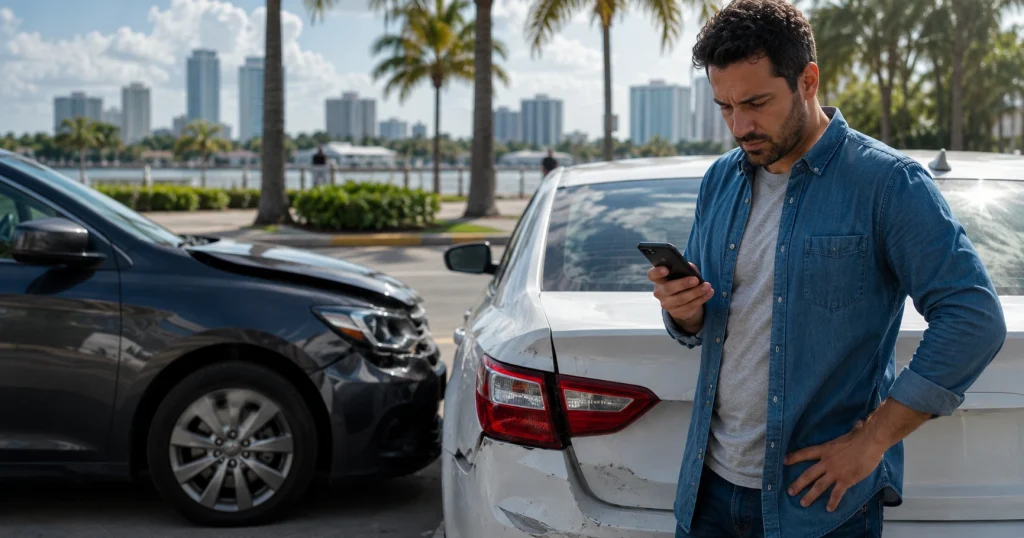
Illustrative image of a concerned driver checking his phone beside two damaged cars after a rideshare accident in Tampa, Florida.
Blog, Ride Sharing

What to Do When Lyft’s Insurance Company Stops Returning Your Calls in Tampa

What You Need to Know Stop relying only on phone calls. Put your request for an update in writing. Save every email, voicemail, claim number, and unanswered message. Ask for the adjuster’s supervisor if your assigned adjuster stays silent. Keep getting the medical care your doctor recommends. Do not let an insurance delay cause you to miss a Florida legal deadline. Had a bad day? Call The Reyes Firm at 833-4 BAD DAY. You reported the Lyft crash. You provided the claim information. You may have even sent medical records, bills, or photographs. Now the adjuster has stopped returning your calls. If Lyft insurance is not responding in Tampa after your accident, you may feel like your claim has disappeared. It has not. You still have options, and keeping a clear written record can be especially important if you later consider suing Lyft for car accident injuries in Tampa. Who Pays After a Lyft Accident in Tampa? Lyft accident coverage may depend on whether the driver was offline, waiting for a ride request, traveling to pick up a passenger, or completing a ride. Watch this short video to learn why the driver’s app status can affect which insurance policy applies. Even when Lyft’s insurance company stops responding, continue documenting your calls, emails, medical treatment, bills, photographs, and claim submissions. Why Has the Lyft Insurance Adjuster Stopped Calling You Back? The claim may have been reassigned, the insurer may still be reviewing coverage, or the adjuster may be waiting for more information. Silence does not always mean your claim was denied. It does mean you should stop relying on phone calls and move every important request into writing. A Lyft crash can involve several insurance companies. The company handling your claim may be: Lyft’s insurance carrier. A third-party claims administrator. The Lyft driver’s personal insurer. Another driver’s insurance company. Your own PIP or uninsured motorist carrier. The correct policy often depends on what the Lyft driver was doing when the crash happened. Under Florida Statute § 627.748: If the Lyft app was off, the driver’s personal auto policy may apply. If the app was on but the driver had not accepted a ride, Florida requires at least $50,000 per person and $100,000 per crash in bodily injury coverage. If the driver had accepted a ride or had a passenger, at least $1 million in primary automobile liability coverage is required. The driver must also disclose, when properly asked after a crash, if the driver was logged into the Lyft network or completing a prearranged ride. Your Lyft receipt, app screenshots, driver details, and trip history may help show which insurance phase applied. What Should You Do When the Adjuster Ignores Your Calls? Send a short written request that includes your claim number, the crash date, and the dates of your unanswered calls. Ask for a clear update and give the insurer a reasonable date to respond. Send the message via email and through the claim portal to prove it was received. Your written request should ask: Is my claim still open? Who is the adjuster currently assigned to my claim? Is the insurer still investigating fault or coverage? Are any documents missing? When should I expect the next update? Who is the adjuster’s supervisor? You can use language like this: I am requesting a written update regarding claim number [claim number] from the Lyft crash on [date]. I have called on [dates] and have not received a response. Please confirm the current adjuster, the status of the claim, any remaining documents, and the expected date of the next update. Keep the message calm. Do not threaten the adjuster or make claims you cannot support. You can also send the request by certified mail when the delay continues, or important deadlines are approaching. ⚠️ Warning: The Adjuster’s Silence Does Not Stop Florida Deadlines Florida’s PIP law generally requires you to receive initial medical care within 14 days of a motor vehicle accident to qualify for medical benefits under Florida Statute § 627.736. Florida law also generally gives you two years to file a negligence lawsuit under Florida Statute § 95.11. Other deadlines may apply based on the facts of your case. Do not stop medical treatment while waiting for the insurer. Follow your doctor’s instructions and keep copies of every medical record, bill, referral, prescription, and work restriction. The Reyes Firm Has Lyft’s Insurance Company Stopped Returning Your Calls? You do not have to keep chasing the adjuster on your own. Talk with a Tampa rideshare accident attorney about your next steps. Schedule a Free Consultation What Records Should You Keep for a Delayed Lyft Claim? Save anything that shows what happened, what you sent, and how the insurer responded. A clear timeline can prevent the insurance company from claiming that you failed to cooperate. It can also help your lawyer identify delays, missing evidence, and changes in the insurer’s explanation. Create one folder for your Lyft accident claim. Keep: Your Lyft ride receipt and trip history. Screenshots from the Lyft app. The police crash report. Photographs and videos from the scene. Medical records and bills. Proof of lost income. Emails and claim portal messages. Voicemails from the adjuster. Certified-mail receipts. A written call log. Your call log can be simple: Date Person Contacted What Happened Next Step Promised July 6 Assigned adjuster Left voicemail No response July 8 Claims office Asked for update Told adjuster would call July 10 Supervisor Sent email Requested response by July 14 After any phone conversation, send a short email confirming what was discussed. For example: Thank you for speaking with me today. As discussed, you stated that the coverage review should be completed by Friday and that you would contact me afterward. Please let me know if I misunderstood anything. Florida Statute § 627.4137 also allows a claimant to request certain liability insurance information in writing. The insurer generally has 30 days to provide information such as the insurer’s name, the insured’s name, liability
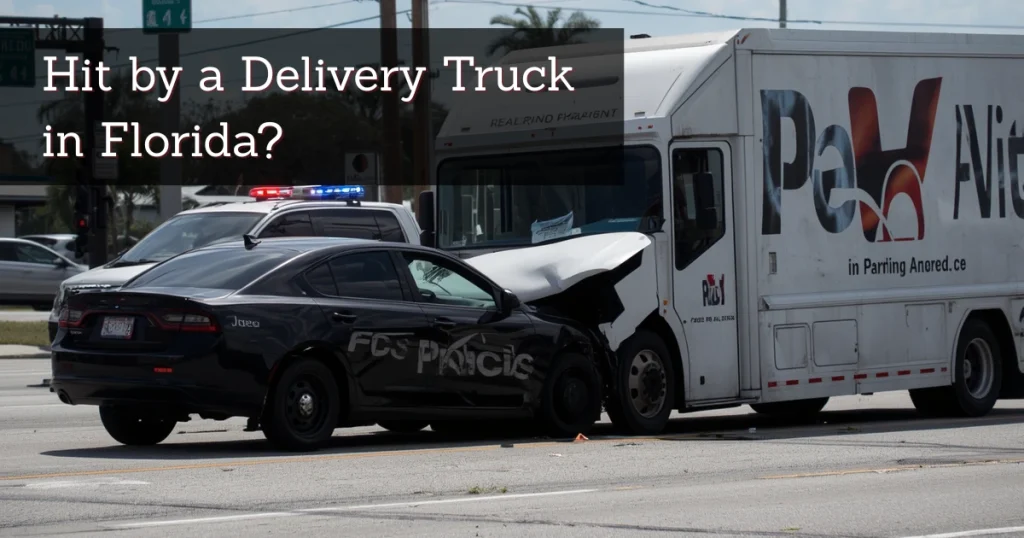
Illustration for article about being hit by a delivery truck in Florida, showing a delivery truck and damaged vehicle at a crash scene
Blog, Commercial Vehicles, Truck Accidents

Who Represents Delivery Truck Accident Victims in Florida?

Right after a delivery truck crash, most people are not thinking about statutes or insurance rules. They are thinking about pain, shock, car damage, missed work, and whether the company behind the truck is already getting ready to blame them. That reaction is normal. Delivery truck cases are often more stressful than a typical car accident because they may involve a driver, an employer, a vehicle owner, multiple insurance policies, and, in some cases, federal regulations the average person has never heard of. A Florida delivery truck accident lawyer represents people injured by working delivery vehicles and handles the company, insurers, and evidence on their behalf. After a crash, call law enforcement, get medical care, document the truck and scene, and contact The Reyes Firm before giving a recorded statement or accepting a settlement. Quick Summary Florida’s preliminary 2024 data shows 46,651 commercial motor vehicle crashes and 315 fatalities statewide. If a crash involves injury, death, a commercial motor vehicle, a wrecker, or at least $500 in apparent damage, Florida requires you to stay at the scene and call law enforcement. Florida PIP benefits generally require that initial medical care be obtained within 14 days of the crash. PIP typically provides up to $10,000 in medical and disability benefits, subject to the statute’s terms. If you are found more than 50% at fault, Florida’s modified comparative negligence rule can bar your recovery. Most negligence actions in Florida now have a 2-year filing deadline. Federal FMCSA regulations — including hours of service and vehicle maintenance rules — apply to commercial delivery vehicles and can strengthen your claim. Recoverable compensation may include medical bills, lost wages, loss of earning capacity, pain and suffering, and more. Key Takeaway A delivery truck accident case can get stronger or weaker in the first few days. The most important steps are getting safe, calling 911 when required, getting medical care quickly, and preserving the evidence that the delivery company may not volunteer later. What should someone do right after a delivery truck accident in Florida? First, get to safety, call law enforcement when required, get medical help, and start preserving evidence. In Florida, crashes involving injury or death, a commercial motor vehicle, a vehicle requiring a wrecker, or at least $500 in apparent damage must be reported to law enforcement immediately. That rule matters because delivery truck cases can change quickly. Vehicles are moved, camera footage disappears, company dispatch systems overwrite themselves, and the first version of the story is not always the most accurate one. Florida Law — When to Call 911 FLHSMV requires you to stay at the scene and call 911 if the crash involves an injury, fatality, hit and run, DUI, a vehicle needing a wrecker, a commercial motor vehicle, or at least $500 in apparent damage. What to do right away: Move to a safe location if possible. Call 911 or local law enforcement. Get the driver’s name, employer, plate number, insurance details, and any company information visible on the vehicle. Photograph vehicle positions, damage, skid marks, debris, road conditions, and delivery branding. Collect witness names and phone numbers. Do not admit fault or speculate about what happened. Florida law also requires drivers involved in a crash to provide identifying information and render reasonable assistance to injured people, meaning exchange information and help get medical care if someone may be hurt. Why are delivery truck crashes often more serious? Official crash data shows why delivery truck and commercial vehicle cases deserve careful attention in Florida. 46,651 Commercial motor vehicle crashes in Florida (preliminary 2024 data) 315 Fatalities in Florida commercial vehicle crashes (preliminary 2024) 40,901 Total U.S. roadway fatalities (NHTSA final 2023 data) Source context: FLHSMV preliminary 2024 crash data and NHTSA final 2023 roadway fatality data. Delivery truck crashes can be more catastrophic than a typical two-car collision due to a combination of physical and operational factors, vehicle size and weight, longer stopping distances, large blind spots, and the constant pressure on drivers to stay on schedule. Not every delivery vehicle is a tractor-trailer, but even smaller commercial vehicles can cause serious harm when they move through neighborhoods, stop suddenly, back into driveways, or rush through back-to-back deliveries. A delivery truck case is often not just “a car accident with a van.” It may involve business records, route pressure, vehicle maintenance questions, driver qualification issues, and multiple potentially responsible parties, all of which require a different kind of investigation than a simple two-car crash. What Are the Most Common Causes of Delivery Truck Accidents in Florida? Understanding what caused the crash is central to proving who is responsible. Some of the most frequent causes include: Driver fatigue and hours-of-service violations. Federal rules limit how long commercial drivers can operate without rest. When delivery companies push schedules too aggressively, drivers operate well past the point of safe alertness. Distracted driving. Delivery drivers frequently use GPS navigation, in-cab computers, and phones to manage route updates, customer communications, and proof-of-delivery systems, all while driving. Delivery quota pressure. Many delivery drivers are tracked by stop count and delivery time. That pressure can lead to speeding, running stop signs, and skipping mandatory rest breaks. Improper backing and blind spot failures. A large percentage of delivery truck crashes occur when drivers back into driveways, loading zones, or parking spaces with limited rear visibility. Inadequate vehicle maintenance. Brake failure, tire blowouts, and steering defects are more likely when trucks skip required pre-trip inspections or maintenance schedules. Unfamiliar routes. Delivery drivers constantly cover new neighborhoods, increasing the likelihood of sudden stops, wrong turns, and last-second lane changes. Overloaded vehicles. Cargo that exceeds weight limits or is improperly secured makes vehicles harder to control and significantly increases stopping distances. Impaired driving. Drug and alcohol violations occur in commercial trucking despite federal screening requirements, and prior violations may be discoverable through the FMCSA Drug and Alcohol Clearinghouse. Identifying the true cause, not just the surface-level description in the crash report, is one of the most important things an attorney can do in the

Kids trick-or-treating at night in Tampa — Halloween safety tips for parents and children
Blog

Tampa Halloween Safety Tips: Protect Kids and Prevent DUI Crashes

Halloween should be fun for Tampa families, not a trip to the ER. Crowded sidewalks, low lighting, excited kids in dark costumes, and more cars on the road all raise the risk on October 31. With a few wise choices, families, drivers, and party hosts can keep the night safe. This guide shares Halloween safety tips that are suitable for neighborhoods in Tampa. It covers trick-or-treating safety, pedestrian safety, driver safety, and the prevention of drunk or impaired driving on Halloween. It also explains what to do after a crash and when to call a Tampa personal injury attorney. Readers can scan the checklists, learn which areas get busy, and share steps with neighbors. Safer choices protect children, prevent DUI crashes, and reduce injuries across the city. Who’s the best accident lawyer near me? The best lawyer has local experience, strong reviews, clear communication, and results in cases like yours. In Tampa, look for a firm that moves fast to preserve evidence, coordinate medical care, and handle insurers while you heal. Most offer free consultations so you can compare options with confidence. Trick-or-Treating Safety For Families in Tampa Plan the route before sunset. Choose well-lit streets with sidewalks and easy crossing points. In South Tampa, Hyde Park, and Seminole Heights, pick blocks you know. Avoid alleys, cut-throughs, and poorly lit side roads. Dress to be seen. Bright costumes are best. If kids want dark outfits, add reflective tape to sleeves and hems. Clip LED lights to treat bags. Give each child a flashlight or a glow stick and keep it on while walking. Cross at corners and marked crosswalks. Teach kids to stop at the edge, look left, right, and left, and make eye contact with drivers. Use signals on Dale Mabry Highway, Kennedy Boulevard, and Bayshore Boulevard, and wait for the whole “Walk” phase. Heads up, phones down. Kids should avoid texting or filming while crossing. Adults can take photos on the sidewalk, then pocket the phone when moving. Group up and set simple rules. Young children should be with an adult. Older kids can go in groups of three or more. Set a firm area, a return time, and 30-minute check-ins by text. Costume comfort and safety. Masks can block side vision. Consider face paint or lifting the mask before crossing. Keep capes short, secure loose accessories, and choose shoes that fit well to prevent trips. Pet awareness. Dogs get stressed by costumes and noise. If a pet joins, keep it on a short leash and away from crowded sidewalks. Does Florida no-fault (PIP) cover pedestrians or kids on Halloween? Often, yes. Florida PIP can help with medical bills even if the injured person wasn’t driving. Kids hit while walking may access PIP through a household policy, and other coverages may apply. Every case is different, so a quick local review helps families understand benefits fast. These steps reduce falls and pedestrian crashes, supporting trick-or-treating safety all night. Pedestrian accidents tend to spike around the holidays in Tampa. In this short video, Attorney Edward Reyes shares why it’s so important to report the crash right away—and why grabbing a photo of the license plate can make a big difference, especially in hit-and-run situations. Pedestrian Safety On Halloween: See And Be Seen Pick the safest side. Where there’s no sidewalk, walk facing traffic. Keep kids inside and adults near the curb. Use crosswalk safety habits. Cross only at corners or marked crosswalks. Never weave between parked cars. Wait for turning vehicles to stop, even on “Walk.” Boost night visibility. Reflective stickers, ankle bands, and clip-on lights help drivers see movement. A small headlamp helps kids spot uneven sidewalks and curbs. Teach the pause. Excited kids sprint to the next porch. Build the habit to pause at every driveway and intersection. One second prevents many injuries. “Do we need a lawyer after a minor Halloween crash?” If there are injuries, a child is involved, liability is unclear, or the other driver’s insurance is already contacting you, talk to a Tampa car accident lawyer. A short consult explains medical billing, Florida PIP, and the next steps for evidence. If it’s minor, we will tell you that with no pressure. These habits make pedestrian safety on Halloween easier for parents and kids. Halloween Driver Safety Across Tampa Neighborhoods Halloween is not a typical weeknight. Expect sudden crossings, hard-to-see costumes, and families near the roadway. Slow down in neighborhoods. Drive 20 mph or less on residential streets. Extra seconds give time to react if a child darts into the road. The neighborhoods of Westchase, Carrollwood, Brandon, and FishHawk see heavy trick-or-treat traffic. Scan wider at intersections. Approach stop signs and crosswalks slowly. Check mirrors and blind spots twice before turning. Children are short and hidden by parked SUVs. Follow the rules of the road. Keep headlights on, signal early, and make complete stops. Do not pass a stopped vehicle at a crosswalk. These basics are core Halloween driver safety habits. Cut distractions. Set navigation and music before driving. Use do-not-disturb on phones. Ask a passenger to handle calls or texts. Watch busy corridors. Bayshore Boulevard, Howard Avenue, Kennedy Boulevard, Dale Mabry Highway, Fowler near USF, and West Park Village in Westchase will be active. Expect slower traffic and more pedestrians. What if the driver leaves the scene after hitting someone? Call 911 immediately and get medical help. Note the car’s color, make, damage, and direction. Nearby cameras or doorbells may have footage. A lawyer can move fast to preserve video and use uninsured motorist coverage while police investigate. Drivers who follow these steps reduce collisions that end with calls to a Tampa pedestrian accident lawyer. Preventing Drunk Or Impaired Driving On Halloween Alcohol, medications, and fatigue can impair driving. A plan before the party stops most DUI crashes. Designated driver Halloween plan. Choose a sober driver early. If plans change, switch to rideshare without debate. Rideshare planning. Schedule Uber or Lyft for peak times around Ybor City, SoHo, Channelside, or Downtown Tampa.

Large commercial delivery truck driving on a Florida highway near Tampa – Amazon vs UPS vs FedEx delivery truck accident claims – The Reyes Firm
Blog, Truck Accidents

Amazon vs. UPS vs. FedEx Truck Crashes: What Tampa Drivers Need to Know About Filing a Claim

You see them every day—Amazon, UPS, and FedEx trucks racing through Tampa’s streets, delivering packages to homes and businesses across Florida. With more people shopping online than ever before, it’s no surprise these delivery trucks are now just as typical as any car on the road. However, when one of these massive vehicles is involved in a crash, the results can be devastating and far more complex than those of a typical car accident. Unlike regular accidents between two drivers, crashes involving major delivery companies can feel like taking on a corporate giant. You’re not just dealing with one insurance company; you’re potentially dealing with national legal teams, third-party contractors, and complex liability issues. That’s especially true if you’re hurt in places like Lakeland, Sarasota, Clearwater, or along I-275 near Tampa or St. Petersburg, where truck traffic is high and accidents are increasing. If you or someone you love was hit by a UPS, FedEx, or Amazon delivery truck in Tampa, you need to know who may be responsible, which insurance applies, and why these claims differ from a normal car accident. At The Reyes Firm, we help injured individuals in Florida navigate these complex cases and fight for the compensation they deserve. Quick Answer: Who can help after a UPS, FedEx, or Amazon delivery truck accident in Tampa? If you were hit by a UPS, FedEx, or Amazon delivery truck in Tampa, a delivery truck accident lawyer can help identify the driver’s employer, the appropriate insurance policy, and any other companies that may be responsible. These claims can involve contractors, commercial insurance, route data, driver logs, GPS records, and corporate claims teams. Why Delivery Truck Accidents Are Different From Typical Car Accidents Crashes involving delivery trucks like Amazon, UPS, or FedEx aren’t just larger in size. They’re also more complex. Here’s why: Multiple Parties Could Be Liable In many personal injury claims, you’re filing against the other driver’s insurance. But with a delivery truck accident, the responsible party could be: The driver A third-party contractor The delivery company (Amazon, UPS, FedEx) A logistics firm A vehicle maintenance provider For example, Amazon frequently uses Delivery Service Partners (DSPs) who operate independently, which Amazon may use to deflect direct responsibility. This is very different from a UPS truck crash in Riverview or Brandon, where the driver is often a direct UPS employee. Commercial Insurance Means Higher Stakes Unlike regular car insurance, commercial policies typically have higher limits, sometimes exceeding $1 million per accident. However, don’t expect these companies to hand over that money easily. Their adjusters are trained to look for ways to deny or reduce your claim. These Companies Have Powerful Legal Teams Whether you’re filing in Sarasota, Orlando, or right here in Tampa, you’re not just going against one driver; you’re going against a company that delivers hundreds of thousands of packages a day and has deep pockets to defend itself. Understanding Amazon Delivery Truck Accident Claims Amazon often doesn’t directly employ its delivery drivers. Instead, it hires smaller companies called Delivery Service Partners (DSPs) to handle local routes. Why That Matters If you’re hit by an Amazon truck in St. Petersburg or Clearwater, your claim may need to go through that third-party delivery company, not Amazon directly. That makes identifying the right insurance policy and the responsible party more difficult. Example: Let’s say an Amazon-branded van on Dale Mabry Highway in Tampa rear-ends you. The driver wears an Amazon shirt, but their paycheck comes from a company called “Speedy Logistics LLC.” In this case, Speedy, not Amazon, might be the defendant in your claim. Who Pays After a UPS Truck Accident in Tampa? UPS typically owns its fleet and employs its drivers directly. This can make the legal process more straightforward for those seeking compensation, because: You can file a claim directly against UPS Liability is clearer when the driver is an employee of the company. There’s likely a single commercial insurance policy involved. If you are searching for a Tampa UPS truck accident lawyer, the key issue is not just the UPS logo. The lawyer needs to confirm who owned the truck, who employed the driver, what route the driver was on, and what commercial insurance applies. UPS also maintains detailed records of driver routes and behavior, which can be requested during the claims process. These can help prove negligence in crashes on major roads, such as US-301 in Lakeland or US-41 in Brandon. 🛑 Did You Know? UPS trucks are subject to federal regulations governing commercial drivers. A truck accident lawyer can request driver logs, GPS data, and training records as evidence to support their case. How Do FedEx Truck Accident Claims Work in Florida? FedEx operates differently depending on the service: FedEx Express drivers are company employees FedEx Ground drivers are independent contractors. If you need help with a FedEx truck accident claim in Tampa, the first step is identifying the FedEx service involved. FedEx Express and FedEx Ground claims may be handled differently because the driver’s work relationship, insurance coverage, and records may not be the same. This split structure affects how you file a claim. If a FedEx Ground driver hit you in Orlando or Sarasota, you might not be able to sue FedEx directly. Instead, your claim could be against the individual contractor or their business. Red Flag: Some FedEx Ground contractors carry only the minimum liability coverage, which might not be enough to cover major injuries. A personal injury attorney may need to identify additional liable parties or policy layers. Common Injuries in Delivery Truck Crashes Due to their size, delivery trucks can cause catastrophic injuries, particularly in high-speed zones such as Interstate 4 (I-4) or Interstate 75 (I-75). Common injuries include: Traumatic brain injuries (TBI) Spinal cord injuries Broken bones and fractures Internal organ damage Wrongful death In many cases, injured drivers are rushed to local trauma centers like Tampa General Hospital or Lakeland Regional Health, where emergency surgery or long-term care may be required. 📊 According to the

Person in a back brace using a walker during recovery from spinal cord injuries after a jackknife accident.
Blog, Truck Accidents

Spinal Cord Injuries After a Jackknife Accident on the Howard Frankland Bridge

What Tampa Drivers and Families Need to Know If you’ve ever driven across the Howard Frankland Bridge, you know how quickly traffic can go from smooth to chaotic. One moment you’re cruising along I-275, and the next, you’re slamming the brakes as everything comes to a standstill. When a semi-truck jackknifes on a narrow, high-speed bridge like that, the outcome is usually more than just a traffic jam. It can be a life-changing tragedy. At The Reyes Firm, we’ve worked with families who’ve experienced the worst after these types of crashes. And one of the most devastating injuries we see is spinal cord injuries after a jackknife accident. These injuries don’t just affect the body, but also your future, your finances, and your way of life. If this happened to you or someone you care about, let’s walk through what you need to know, your rights, what recovery looks like, and how we can help. What Is a Jackknife Accident? A jackknife accident is exactly what it sounds like. It happens when a truck bends sharply at the point where the cab and trailer connect, causing the trailer to swing sideways and often block several lanes of traffic. These crashes usually happen when the driver brakes too suddenly or loses control of the vehicle. Here’s what typically causes a jackknife: Slippery Roads: Rain, oil, or debris can make tires lose traction. Speeding: Going too fast makes it harder for truck drivers to stop safely. Driver Fatigue: Long hours behind the wheel can lead to poor judgment and slow reflexes. Sudden Braking: Slamming the brakes too hard can cause the trailer to swing out of control. Improper Loading: When the cargo isn’t evenly distributed, it can cause the truck to become unstable and harder to control. Mechanical Problems: Brake failure or worn tires increase the risk of crashes. On narrow roads like the Howard Frankland Bridge, drivers usually have no room to avoid a jackknifing truck. That’s why these accidents can cause such serious injuries, generally leading to catastrophic injuries like those seen in the I-275 truck crash. Why Spinal Cord Injuries Are So Serious in Truck Accidents When a massive 18-wheeler crashes into a passenger vehicle, the force is usually brutal. Your spine isn’t built to absorb that kind of impact. When it’s damaged, the consequences can be permanent. The spinal cord controls your body’s ability to move, feel, and function. An injury to the cord can mean: Loss of movement (paralysis) Loss of feeling (numbness) Loss of bladder or bowel control Chronic pain or weakness Breathing difficulties Even a spinal injury that appears minor at first can take a long time, sometimes months, to fully heal. Others may never fully recover. Sometimes these symptoms are immediate. Other times, they creep in hours or even days later. Either way, a spinal cord injury is a medical emergency and a legal one, too. Watch: Why Truck Accidents Are So Much More Dangerous Than Car Accidents In this brief video, Attorney Edward Reyes explains how trucking accidents pose a significantly higher risk of serious injury due to the size, weight, and legal responsibilities of commercial drivers. These differences are critical when spinal cord trauma or catastrophic injuries are involved. Types of Spinal Cord Injuries After a Jackknife Accident Spinal injuries can vary widely, and how they affect your body depends on both where the injury occurs and how severe it is. We typically see two main types: 1. Complete Injury These are the most severe. A complete injury means you lose all movement and feeling below the point of injury. This can lead to: Paraplegia – paralysis of the legs Quadriplegia – paralysis of all four limbs 2. Incomplete Injury Some signals can still pass between the brain and the body. You may experience limited sensation or movement, and outcomes vary depending on the extent of the damage. Other common injuries we see after truck crashes include: Herniated discs (bulging spinal discs) Fractured vertebrae Nerve damage Spinal stenosis (narrowing of the spine) Whiplash and chronic neck/back pain Whether the injury is complete or incomplete, the effects can be long-lasting, and the medical care is costly. Signs of a Spinal Cord Injury to Watch For After a serious accident, adrenaline can mask pain. Many people walk away from a crash only to realize hours later that something feels “off.” Here are warning signs to take seriously: Numbness or tingling in arms or legs Weakness or difficulty moving. Discomfort or a feeling of pressure may be felt in the back, neck, or along the spine. Trouble breathing Loss of control over bladder or bowel Inability to move or stand Important: Never move someone with a suspected spinal injury unless they are in immediate danger (like from fire or flooding). Always wait for paramedics. Florida Laws That Protect Crash Victims In Florida, your first $10,000 in medical bills are typically covered by your Personal Injury Protection (PIP) insurance, no matter who caused the crash. But spinal cord injuries usually cost far more than that. You may have the right to file a personal injury lawsuit if: You suffered a “serious injury” under Florida Statute § 627.737 Another driver (like the trucker) caused the accident through negligence. The injury led to lasting harm, long-term disability, or a fatal outcome. You file your claim within 2 years of the accident date (as of 2023) Trucking companies and their insurers may try to avoid paying full compensation. That’s why it’s helpful to work with a truck accident lawyer who understands both Florida law and how to handle trucking accidents effectively. What To Do After a Jackknife Crash on the Howard Frankland Bridge Here’s a simple step-by-step list to protect your health and legal rights: Call 911 – Ensure that police and emergency responders arrive promptly. Do Not Move Injured People – Let the pros handle it. Seek Medical Attention Right Away – Even if you don’t notice any symptoms. Take Photos and Videos – Document the scene,

Injured man with bandages and neck brace meeting a lawyer after catastrophic injuries from a semi-truck crash – The Reyes Firm, Tampa.
Blog, Truck Accidents

Catastrophic Injuries After a Semi-Truck Crash on I-275 in Tampa – What Victims Should Do

Every day, thousands of cars and semi-trucks share the busy lanes of Interstate 275 in Tampa. For most drivers, the commute is routine—get on the highway, fight through traffic, and get to work or home. But for some, one moment on the road changes everything. When a semi-truck weighing up to 80,000 pounds collides with a passenger car, the results are usually devastating. Families may suddenly find themselves dealing with catastrophic injuries after a semi-truck crash, injuries so severe that they affect every part of life. Victims are left with questions: How will I recover? Who pays my medical bills? What are my rights under Florida law? These are not simple fender-benders where insurance paperwork fixes the problem. Instead, semi-truck crashes often lead to brain damage, paralysis, or even wrongful death. And in a city like Tampa—where I-275 is one of the busiest highways in Florida—truck accidents are not uncommon. This article will explain what catastrophic injuries are, why crashes on I-275 are so dangerous, the laws that apply in Florida, and what victims should do to protect themselves. It will also share how The Reyes Firm, located in Tampa, helps families get the justice and compensation they deserve after such life-altering accidents. What Are Catastrophic Injuries? A catastrophic injury causes long-term or permanent damage. They are not minor sprains or bruises that heal with rest. Instead, these injuries usually mean a victim cannot return to the life they once had. Medical care may be required for years, and independence may be lost. Common severe injuries caused by semi-truck collisions include: Traumatic Brain Injuries (TBI): These can cause memory loss, difficulty concentrating, mood swings, or permanent disability. Even a mild TBI can affect a victim’s ability to work or study. Spinal Cord Injuries: Damage to the spinal cord usually leads to partial or complete paralysis. Victims may need wheelchairs, in-home care, and lifelong rehabilitation. Amputations and Crush Injuries: In high-impact crashes, victims may lose limbs or suffer crushing injuries when trapped inside a vehicle. Severe Burns: Semi-truck crashes sometimes cause explosions or fuel fires, leaving victims with disfiguring burns and the need for multiple surgeries. Internal Organ Damage: Injuries to the liver, kidneys, lungs, or other organs may not be evident at first but can be fatal without immediate treatment. In legal cases, catastrophic injuries are defined by their long-term effects. They impact a victim’s quality of life, ability to work, and ability to care for themselves. For families, this usually means financial hardship and emotional stress that lasts for years. Why I-275 in Tampa Is So Dangerous Interstate 275 cuts directly through Tampa, connecting downtown, the airport, and the surrounding neighborhoods. With its heavy mix of commuters, tourists, and commercial trucks, the highway is one of the busiest and most accident-prone roads in the region. Here’s a look at I-275 in Tampa, one of Florida’s busiest and most dangerous trucking routes. Several factors make I-275 especially dangerous for semi-truck crashes: Congested Traffic: During rush hour, cars and trucks compete for space. Lane changes happen quickly, and semi-trucks cannot stop as fast as smaller vehicles. Driver Fatigue: Long-haul truckers often spend long hours behind the wheel with limited rest. Federal law sets strict Hours of Service (HOS) rules to prevent fatigue-related crashes, including limits on daily driving time and required rest breaks (FMCSA Hours of Service). Unfortunately, studies show that violations of these rules remain common, and tired truck drivers continue to pose a danger on highways like I-275. Distracted or Impaired Driving: A single glance at a phone or a driver under the influence can trigger a chain-reaction crash. Overloaded or Poorly Maintained Trucks: A truck carrying too much cargo or one with faulty brakes or tires creates extreme risks. Construction Zones: I-275 frequently has roadwork, which narrows lanes and increases the chance of a deadly collision. For Tampa residents, this means that driving on I-275 comes with risks beyond their control. When accidents happen, the results are rarely minor. Florida Laws That Affect Semi-Truck Crash Claims Victims of catastrophic injuries after a semi-truck crash must understand the Florida laws that shape their case. Trucking accidents are not handled the same way as minor car accidents. Statute of Limitations In most cases, Florida allows two years from the accident to take legal action for personal injuries, as outlined in Statute §95.11. Missing this deadline means losing the right to pursue compensation. Modified Comparative Negligence Florida follows a modified comparative negligence system. This means victims can still recover money if they share some blame, but only if they are less than 50% at fault. So if a victim is 20% at fault, their compensation would be reduced by 20%. Commercial Liability In many semi-truck accidents, more than one party may be held responsible—unlike most car crashes. The truck driver. The trucking company. The cargo loading company. Maintenance providers. Even the shipping broker. Each of these entities may be held accountable if negligence is proven. Florida’s No-Fault Insurance Rules In Florida, all drivers must carry Personal Injury Protection (PIP) insurance, which provides up to $10,000 for medical costs. However, PIP falls far short in cases involving catastrophic injuries. That’s why pursuing a personal injury claim against the trucking company and others is essential. What You Should Do Following a Truck Crash in Tampa Knowing what to do after a semi-truck crash can save lives and strengthen a legal case. After a crash, it’s important for victims and their families to take these steps: 1. Call 911 and Seek Medical Help Immediately Even if injuries seem minor, hidden conditions like brain trauma or internal bleeding may not appear right away. Getting checked at a hospital is critical. 2. Document the Accident Scene If possible, take photos of the vehicles, the truck’s license plate, skid marks, and traffic signals. Save any dashcam or cellphone footage. 3. Collect Witness Information Independent witnesses can provide valuable testimony later. Names, phone numbers, and even quick statements are helpful. 4. Avoid Speaking With the Trucking Company’s

Blog, Truck Accidents

Injured in a Truck or Car Accident in Historic Hyde Park? Here’s What You Need to Know

Carlos M. was just going about his usual day in Historic Hyde Park, Tampa, FL 33606, when everything changed. A sudden crash, the screech of tires, and a commercial truck turned a peaceful afternoon into a life-altering moment. While Historic Hyde Park is known for its tree-lined streets, historic homes, and vibrant community, it’s not immune to serious traffic accidents. With bustling nearby areas like Downtown Tampa and the University of Tampa campus bringing in constant traffic, collisions can happen when you least expect them. Dealing With the Impact of a Historic Hyde Park Accident For Carlos, what followed was a long journey through pain, confusion, and a fight for accountability. His recovery required ongoing medical treatment, time away from work, and the emotional strength to move forward after the accident. In situations like this, having an experienced truck accident lawyer in Historic Hyde Park, Tampa, Florida 33606 can make all the difference. From dealing with insurance companies to gathering the right evidence, legal guidance ensures your rights are protected. Why Accidents Happen in This Area Historic Hyde Park’s narrow roads, active pedestrian areas, and busy intersections — especially near Bayshore Boulevard and Platt Street — can be dangerous for drivers, cyclists, and pedestrians. Common causes of accidents here include: Distracted or impaired driving Speeding through residential streets Large delivery trucks navigating tight turns Failing to yield at crosswalks If you’ve been injured in this neighborhood, a car accident attorney serving Historic Hyde Park and surrounding Tampa areas (ZIP 33606) can help you hold negligent drivers accountable.   Steps to Take After an Accident in Historic Hyde Park If you’re involved in a crash in Historic Hyde Park, Tampa, here’s what you should do: Dial 911 to get medical assistance and have an official police report created. Document the scene – Take photos and include nearby landmarks or street signs to clearly show where the accident happened. Get witness statements – Neighbors, pedestrians, or other drivers can help strengthen your case. Contact a lawyer immediately – A skilled personal injury lawyer in Historic Hyde Park can start protecting your claim right away. How The Reyes Firm Helps At The Reyes Firm, we’ve helped countless clients in Historic Hyde Park, Tampa, Florida 33606 recover fair compensation after truck and car accidents. Our team can: Investigate the accident and gather evidence Negotiate with insurance companies. Represent you in court if needed Help you get the medical treatment you need Carlos’s story is proof that no one should face this process alone. With the right legal team, you can focus on recovery while we handle the legal battle. Serving Historic Hyde Park and the Greater Tampa Area Whether you’re in Historic Hyde Park, Hyde Park Village, Downtown Tampa, or surrounding ZIP codes near 33606, our mission is to help accident victims reclaim their lives. Don’t wait to seek help if you or someone close to you has been hurt in a truck or car accident. Call 833-4-BAD-DAY to speak with an experienced Tampa personal injury lawyer today.

Scroll to Top