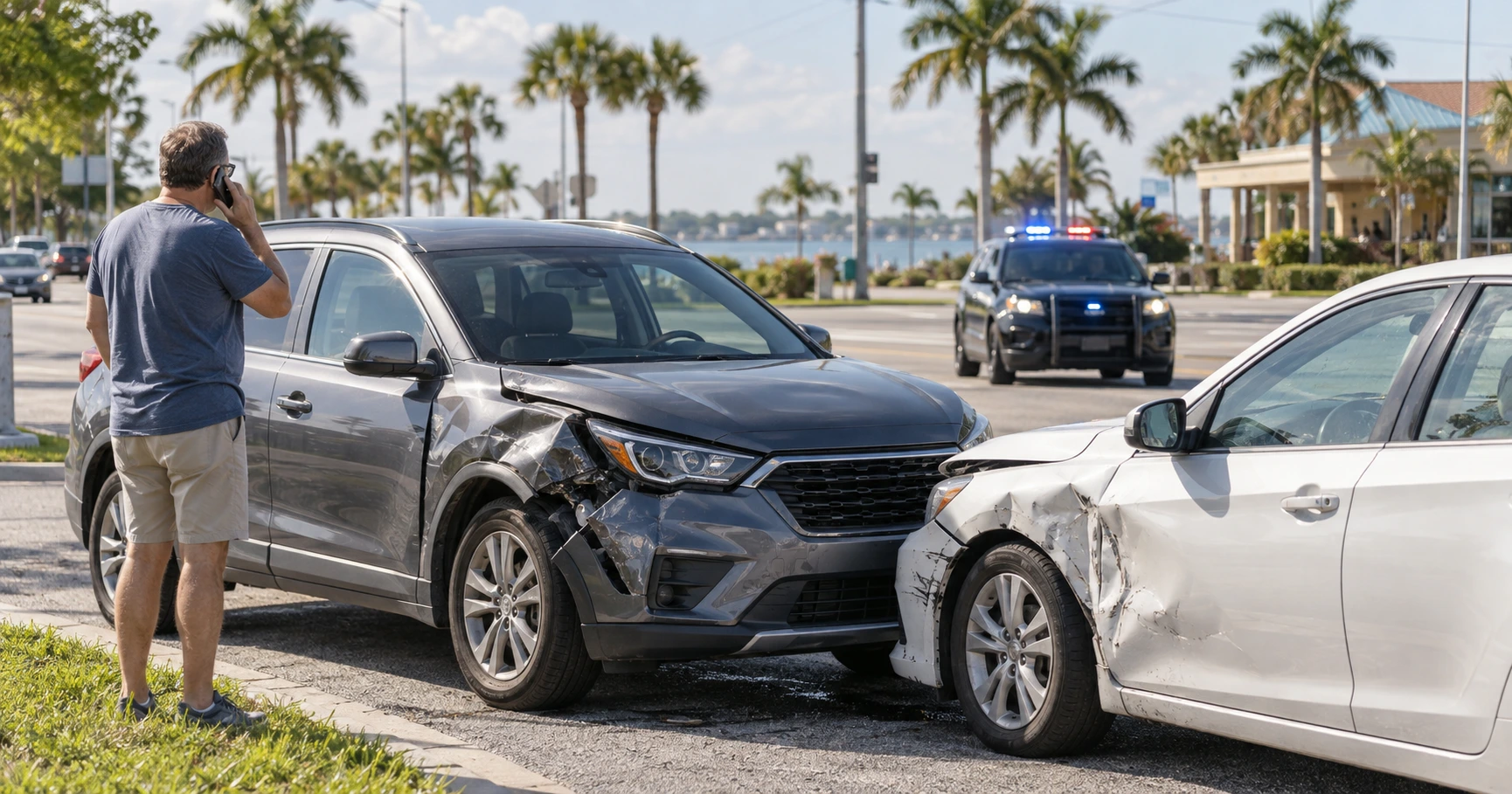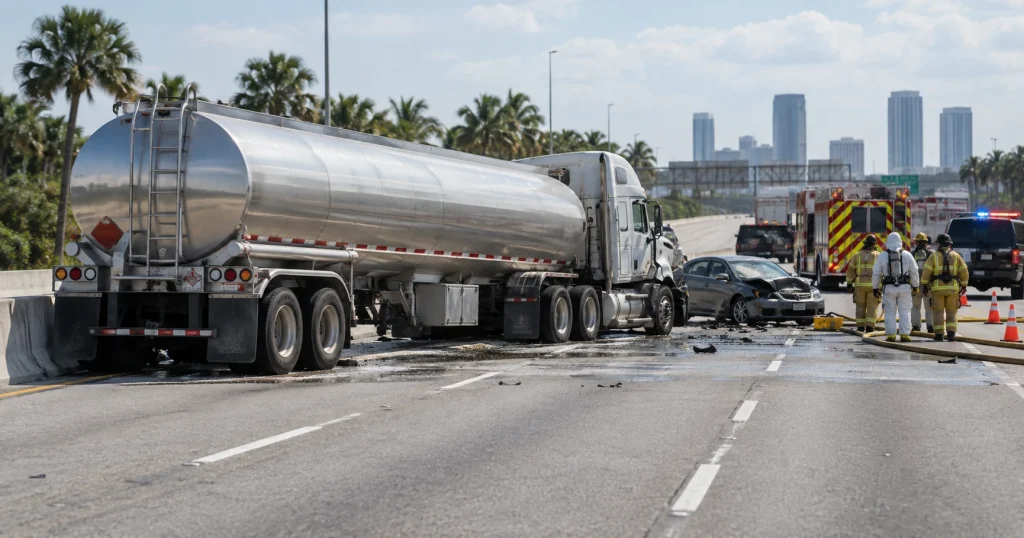
A tanker truck crash can turn an ordinary drive into a frightening emergency. Along with the impact, there may be fire, smoke, leaking fuel, or chemical fumes. Police may close the road while firefighters and hazardous materials teams work to contain the danger.
For the people involved, the questions often come later.
What was the tanker carrying? Why did it crash? Who was responsible for inspecting the tank? Which insurance company should pay for the injuries and damage?
The answers are not always simple. The driver, trucking company, tank owner, shipper, loading facility, maintenance provider, or another business may have played a part.
If you were injured in this type of crash, a Tampa tanker truck accident lawyer can investigate what went wrong, identify every potentially responsible party, and help you understand your legal options.
The Reyes Firm helps people injured in serious truck and commercial vehicle accidents in Tampa. We handle the investigation and insurance issues so you can focus on your health and family.
Quick Answer: Who Can Be Liable for a Tanker Truck Accident?
More than one person or company may be responsible for a tanker truck accident. Potentially liable parties include:
- The tanker driver
- The trucking company
- The tractor owner
- The tank or trailer owner
- The company that shipped the cargo
- The loading terminal
- A maintenance or inspection company
- An equipment manufacturer
- A cleanup contractor
- Another driver or roadway contractor
Liability depends on what caused the crash or spill and which company controlled the driver, vehicle, tank, cargo, loading process, or cleanup work.
A complete investigation should examine every part of the operation, not just what the tanker driver did in the final moments before the crash.
What Makes a Tanker Truck Accident Different?
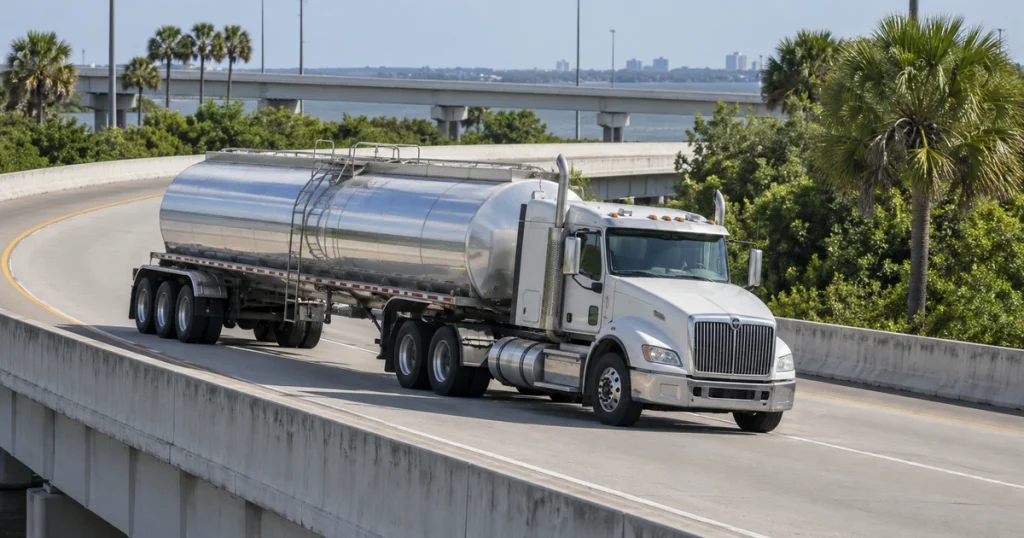
Tanker trucks carry gasoline, diesel, propane, industrial chemicals, wastewater, milk, cooking oil, and many other liquids. Not every tanker carries hazardous material, but every large liquid load can affect how the truck moves.
Tankers can roll over more easily
Tankers have a high center of gravity. This can make them less stable on curves, exit ramps, and uneven roads.
A rollover may happen when a driver:
- Takes a curve or ramp too quickly
- Makes a sudden steering correction
- Swerves to avoid another vehicle
- Brakes hard while turning
- Drives onto a soft shoulder
- Fails to slow down for rain or heavy traffic
A speed that feels safe in a passenger car may be too fast for a fully loaded tanker.
Liquid moves inside the tank
The liquid keeps moving when the driver brakes, accelerates, or turns. This is often called liquid surge or slosh.
The movement can push the truck forward during braking or shift its weight during a turn. Partially filled tanks can be especially difficult to control because the liquid has more room to move.
Some tanks contain internal walls called baffles, which help limit movement. Other tanks are smooth inside. Drivers operating these tankers must use extra care when stopping or changing direction.
The Federal Motor Carrier Safety Administration advises tanker drivers to control their speed and avoid sudden movements because liquid surge and a high center of gravity can increase rollover risk. (FMCSA)
💡 Did You Know? A tanker does not have to hit another vehicle before it rolls over. Excessive speed on a ramp, sudden steering, liquid surge, or a tire leaving the pavement may be enough to cause the driver to lose control.
The cargo can create a second emergency
A tanker crash may involve more than damaged vehicles. A ruptured tank, broken valve, or disconnected hose can cause:
- Fuel fires
- Explosions
- Chemical burns
- Toxic smoke or vapor
- Contaminated soil or water
- Road closures
- Evacuations
- Damage to nearby homes and businesses
Someone can be seriously harmed without being directly struck by the tanker. Smoke, chemical exposure, fire, or an explosion may affect drivers, passengers, emergency responders, and people near the crash scene.
Who May Be Responsible for a Tanker Truck Accident?
One of the most important parts of a tanker accident claim is identifying every person and company that may be responsible.
The name printed on the truck may not tell the full story. One company may employ the driver, another may own the tractor, another may own the tank, and a separate facility may have loaded the cargo.
The tanker driver
A driver may be responsible for:
- Speeding on a curve or exit ramp
- Driving while distracted
- Driving while tired
- Following another vehicle too closely
- Braking or steering unsafely
- Failing to account for liquid surge
- Ignoring warning lights or visible leaks
- Driving too fast for weather or traffic conditions
- Violating hours-of-service rules
The investigation should also examine the driver’s training, license, endorsements, driving history, logbook, and actions before the crash.
The trucking company
A trucking company may be responsible for the driver’s conduct and for its own unsafe decisions.
Company failures may include:
- Hiring an unqualified driver
- Failing to verify licenses or endorsements
- Providing inadequate tanker training
- Allowing an unsafe truck onto the road
- Ignoring maintenance problems
- Encouraging unrealistic delivery schedules
- Failing to supervise drivers
- Keeping a driver on the road after repeated violations
Our guide to trucking company liability after a Florida crash explains how a carrier’s hiring, training, maintenance, and safety decisions can affect an injury claim.
The tractor or tank owner
The tractor and tanker trailer may have different owners.
The tractor owner may be responsible for problems involving the brakes, tires, steering system, engine, or other parts of the power unit.
The tank owner may be responsible for arranging required inspections, repairing corrosion, maintaining valves and hoses, and making sure the tank is safe to use.
The company that shipped the cargo
The shipper may share responsibility if it:
- Misidentified the material
- Provided inaccurate shipping documents
- Selected an unsuitable tank
- Failed to provide proper warnings
- Failed to communicate important cargo hazards
Shipping papers and contracts can help show which company controlled the cargo and what safety duties it agreed to perform.
The loading terminal or facility
A loading facility may be responsible if workers:
- Loaded the wrong product
- Overfilled the tank
- Mixed incompatible materials
- Failed to close or secure a valve
- Used the wrong placard
- Allowed an unsafe loading process
- Failed to check for leaks before departure
Federal rules generally require a qualified person to attend covered cargo-tank loading and unloading operations. (49 CFR §177.834)
A maintenance or inspection company
A third-party company may be responsible if it missed corrosion, approved an unsafe tank, performed a poor repair, or failed to test an important safety system.
An equipment manufacturer
A defective tank, hose, valve, fitting, tire, brake, or emergency shutoff system may cause a crash or allow more fuel or chemicals to escape after the initial impact.
A cleanup contractor
A cleanup company is not automatically responsible simply because it responded to the scene.
It may become part of a claim if its own careless work caused additional harm. For example, a contractor might fail to contain contaminated runoff, mishandle hazardous material, or allow people to enter an unsafe area.
Another driver or roadway contractor
Another motorist may have forced the tanker driver to brake or swerve.
Unsafe construction zones, missing warnings, pavement defects, or poorly designed roadwork may also contribute to a rollover or collision.
A complete investigation should look at everyone involved instead of placing all the attention on the tanker driver.
What Should You Do After a Fuel or Hazmat Tanker Crash?
Your first priority is getting away from danger. Do not walk toward a leaking or burning tanker to take pictures or check the vehicle’s placard.
If you see leaking liquid, smoke, or fire:
- Move away from the tanker and call 911.
- If possible, move upwind, uphill, and upstream.
- Do not touch or walk through spilled material.
- Stay away from smoke, vapor, flames, and strong odors.
- Avoid cigarettes, flames, or other possible ignition sources.
- Follow instructions from firefighters, police officers, and hazmat teams.
- Seek medical care for breathing problems, burns, dizziness, nausea, headaches, or eye irritation.
- Tell your medical provider that you may have been exposed to fuel, smoke, or chemicals.
The federal Emergency Response Guidebook advises people to remain clear of spills, vapors, fumes, and smoke and to approach hazardous material incidents only from a safer direction.
Some symptoms may not appear right away. Make a note of where you were, how long you were near the tanker, and any odors, smoke, or physical symptoms you noticed.
Once you are safe, try to preserve:
- Photographs or videos taken from a safe distance
- The tanker’s company name
- The truck’s license plate or identification numbers
- Names and contact information for witnesses
- Evacuation or shelter-in-place notices
- Damaged or contaminated clothing
- Medical records and bills
- Receipts for lodging, transportation, or other emergency costs
Florida’s personal injury protection law generally requires initial medical care within 14 days of a motor vehicle accident for someone seeking PIP benefits. (Florida Statute §627.736)
What Can Cause a Fuel or Hazmat Tanker Accident?
Driver error is one possible cause, but it is not the only one. Some crashes begin with a safety problem that existed long before the tanker entered the road.
Driver and carrier errors
These may include:
- Speeding on a curve or ramp
- Distracted or fatigued driving
- Following too closely
- Unsafe braking or steering
- Failing to account for liquid surge
- Driving too fast for rain or heavy traffic
- Inadequate tanker training
- Violating hours-of-service rules
Tank and equipment failures
A tanker accident or spill may result from:
- Worn brakes or tires
- Corrosion in the tank
- Weak or damaged welds
- Defective valves, hoses, fittings, or seals
- A failed emergency shutoff system
- An improperly repaired tank
- An overdue inspection
Federal regulations require regular inspections and testing of cargo tanks. A tank that is due for a required inspection generally should not be filled or transported until that inspection is completed. (49 CFR §180.407)
Loading and cargo mistakes
Dangerous mistakes may include:
- Overfilling the tanker
- Loading the wrong substance
- Mixing incompatible materials
- Using an unsuitable tank
- Failing to secure valves or caps
- Using incorrect placards
- Providing inaccurate shipping papers
- Failing to check for leaks
A crash investigation may uncover earlier warning signs, such as repeated maintenance problems, failed inspections, previous leaks, or safety violations that were never properly addressed.
For a closer look at the issues investigators may examine after a tanker fire, read our guide to a Florida tanker truck fire investigation.
What Evidence Is Important in a Tanker Truck Claim?
Some of the most important evidence in a tanker case belongs to the trucking company, tank owner, shipper, or loading terminal.
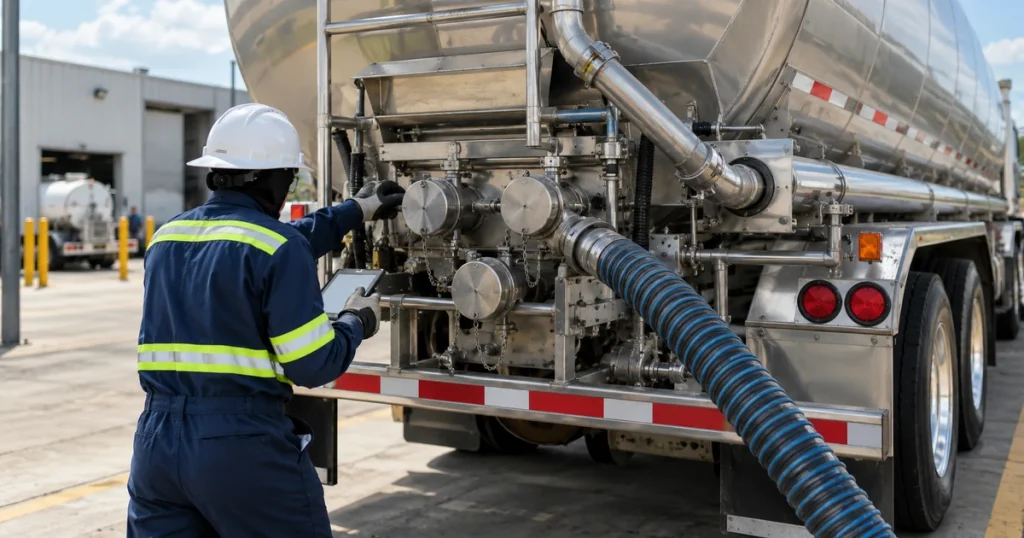
Video and electronic data may be overwritten. Damaged parts may be repaired or discarded. This makes early evidence preservation especially important.
Evidence from the crash scene
Useful evidence may include:
- Police reports
- Fire department reports
- Hazmat response records
- Photographs and videos
- Dashcam footage
- Traffic camera footage
- Nearby business surveillance
- Witness statements
- Road and weather conditions
Evidence from the truck and driver
An attorney may request:
- Electronic logging device records
- GPS and dispatch information
- Engine-control data
- In-cab camera footage
- Driver qualification records
- Training records
- License and endorsement information
- Drug and alcohol testing records
- Vehicle inspection reports
- Maintenance and repair records
A history of ignored safety problems or federal violations may help show that a crash was preventable. Learn more about FMCSA violations in Tampa truck accident claims.
Evidence about the tank and cargo
Tanker-specific evidence may include:
- Bills of lading
- Hazardous material shipping papers
- The cargo’s UN or NA identification number
- Safety Data Sheets
- Tanker placards
- Loading tickets
- Tank fill levels
- Compartment records
- Weight tickets
- Tank identification plates
- Pressure-testing reports
- Inspection records
- Corrosion and welding records
- Hose and valve inspections
- Emergency shutoff test results
- Product samples
- Environmental testing
- Cleanup reports and invoices
Federal rules require cargo-tank owners to keep written inspection and testing reports containing detailed information about the tank and the work performed. (49 CFR §180.417)
A lawyer can send preservation notices asking the involved companies to keep relevant records, recordings, truck data, tank components, and physical evidence.
Warning
Florida generally allows two years to file a negligence lawsuit, but important evidence can disappear within days or weeks. Some cases also have different deadlines or notice requirements. (Florida Statute §95.11)
What Insurance and Compensation May Be Available?
Many people assume every fuel or chemical tanker has the same insurance coverage. That is not the case.
Coverage may depend on:
- The material being transported
- The amount of cargo
- The size and type of tank
- The vehicle’s weight
- The companies involved
- State and federal requirements
- The terms and exclusions in each policy
Multiple insurance policies may apply
Certain dangerous hazardous materials transported in bulk require at least $5 million in financial responsibility under federal law. Other tanker operations may be subject to different limits. (49 CFR §387.9)
Florida also has weight-based insurance requirements for certain commercial vehicles. (Florida Statute §627.7415)
A single tanker crash could involve:
- The carrier’s commercial liability policy
- The tractor owner’s policy
- The tank owner’s policy
- The shipper’s insurance
- The loading terminal’s policy
- A maintenance company’s coverage
- A cleanup contractor’s policy
- Product liability insurance
- Excess or umbrella coverage
- Pollution or environmental liability insurance
- The injured person’s uninsured or underinsured motorist coverage
Insurance companies may point fingers at one another or claim that another policy should pay first. Pollution exclusions can create additional disputes when fuel or chemicals escape from the tanker.
Our guide to insurance after a Florida semi-truck accident explains why finding every available policy matters.
Compensation for injuries and other losses
A serious tanker accident can affect nearly every part of a person’s life. Medical appointments, missed work, pain, property damage, and uncertainty about the future can place tremendous pressure on an injured person and their family.
Depending on the facts, compensation may be available for:
- Ambulance and emergency care
- Hospital treatment
- Surgery
- Burn treatment and skin grafts
- Respiratory care
- Rehabilitation and therapy
- Future medical needs
- Lost wages
- Reduced future earning ability
- Pain and suffering
- Emotional distress
- Scarring and disfigurement
- Loss of enjoyment of life
- Vehicle and personal property damage
- Temporary housing
- Evacuation expenses
- Property testing and cleanup
- Wrongful death damages
Burns and smoke inhalation
Fuel fires and explosions may cause severe burns. Smoke from fuel, cargo, tires, and vehicle parts may also cause breathing problems and other health concerns.
Chemical exposure
Hazardous chemicals can affect the skin, eyes, lungs, and other parts of the body. The type of chemical, exposure duration, and distance from the spill can all matter.
Impact injuries
The force of the collision may cause brain injuries, spinal injuries, broken bones, internal injuries, crush injuries, or amputations.
Property contamination
Fuel or chemicals may contaminate a car, home, business, clothing, or personal belongings. Environmental testing, cleanup reports, repair estimates, and receipts can help document these losses.
Medical records are especially important when a person was exposed to smoke or chemicals without being directly hit by the tanker.
How Can The Reyes Firm Help You?
A tanker truck accident can leave you dealing with injuries while several companies and insurers work to protect their own interests.
You should not have to untangle all of that alone.
At The Reyes Firm, we can:
- Investigate how the crash happened
- Determine what the tanker was carrying
- Identify the driver, carrier, tank owner, shipper, and loading company
- Send notices to preserve video, records, and truck data
- Review tank inspections and maintenance history
- Examine driver training and safety records
- Locate every potentially available insurance policy
- Consult qualified trucking, medical, fire, and environmental professionals
- Document your injuries and financial losses
- Handle communication with insurance companies
- Prepare the case for court if a fair resolution is not offered
Florida applies many federal commercial vehicle safety regulations to owners and drivers operating in the state. (Florida Statute §316.302)
⚖️ Your Rights: A trucking company cannot avoid an investigation simply because the driver was called an independent contractor or another company owned the tank. The contracts, insurance policies, and actual control of the work should all be reviewed.
Frequently Asked Questions
Are all tanker trucks hazardous material vehicles?
No. Tankers carry both hazardous and nonhazardous liquids. The material, quantity, tank design, and transportation rules determine which hazardous material requirements apply.
How can I find out what the tanker was carrying?
The tanker’s placards may provide information about the material’s hazard class. Shipping papers, bills of lading, loading records, Safety Data Sheets, and emergency response reports can provide more details.
Do not approach a damaged tanker to read its placard. Share only what you can see from a safe distance.
Can the loading company be held responsible?
It may be responsible if workers overfilled the tank, loaded the wrong product, failed to secure a valve, used an incorrect placard, or made another mistake that contributed to the crash or spill.
What if different companies owned the tractor and tanker?
Both companies may need to be investigated. One company may be responsible for maintaining the tractor, while another is responsible for tank inspections, valves, hoses, and repairs.
Do tanker trucks always carry $5 million in insurance?
No. Certain hazardous materials transported in bulk require $5 million in financial responsibility, but the same requirement does not apply to every tanker. The cargo, operation, vehicle, and applicable regulations determine the required coverage.
Can I have a claim if my vehicle was not hit?
Possibly. Smoke, chemical exposure, fire, explosions, and contamination can cause harm even without direct contact between vehicles.
Medical records and evidence showing where you were and how you were exposed will be important.
Should I give the trucking company a recorded statement?
You are not required to give the other company’s insurance adjuster a recorded statement simply because it asks for one.
The adjuster may use your answers to question your injuries or shift blame. You can speak with an attorney before giving a statement or signing an authorization.
How long do I have to file a claim?
Florida generally gives injured people two years to file a negligence lawsuit. Some exceptions and special claims have different deadlines.
It is safer to investigate early because video, electronic data, and physical evidence may disappear long before the filing deadline.
Talk to a Tampa Tanker Truck Accident Lawyer
After a tanker truck accident, you may be facing painful injuries, medical bills, missed work, or concerns about chemical exposure. At the same time, several companies and insurance carriers may be trying to limit what they have to pay.
The Reyes Firm is here to help you understand what happened and what you can do next.
Our Tampa personal injury attorneys offer free consultations and work on a contingency fee basis. This means you pay no attorney’s fee unless we recover compensation for you.
📍 Address: 4730 N. Habana Ave., Suite 201, Tampa, FL 33614
📞 Phone: 833-4 BAD DAY
Had a bad day? Call The Reyes Firm. We’ll handle the rest.

Edward Reyes, Esq. is a Florida Bar-admitted personal injury attorney and the founder of The Reyes Firm, a Tampa personal injury law firm representing people and families affected by serious accidents. He helps injured clients understand their rights, deal with insurance companies, and pursue the compensation they may deserve.
This article is provided for general informational purposes and is not legal advice. Reading this article or contacting the firm does not create an attorney-client relationship.