Hit by an Uninsured Driver? Here’s What You Should Do Next
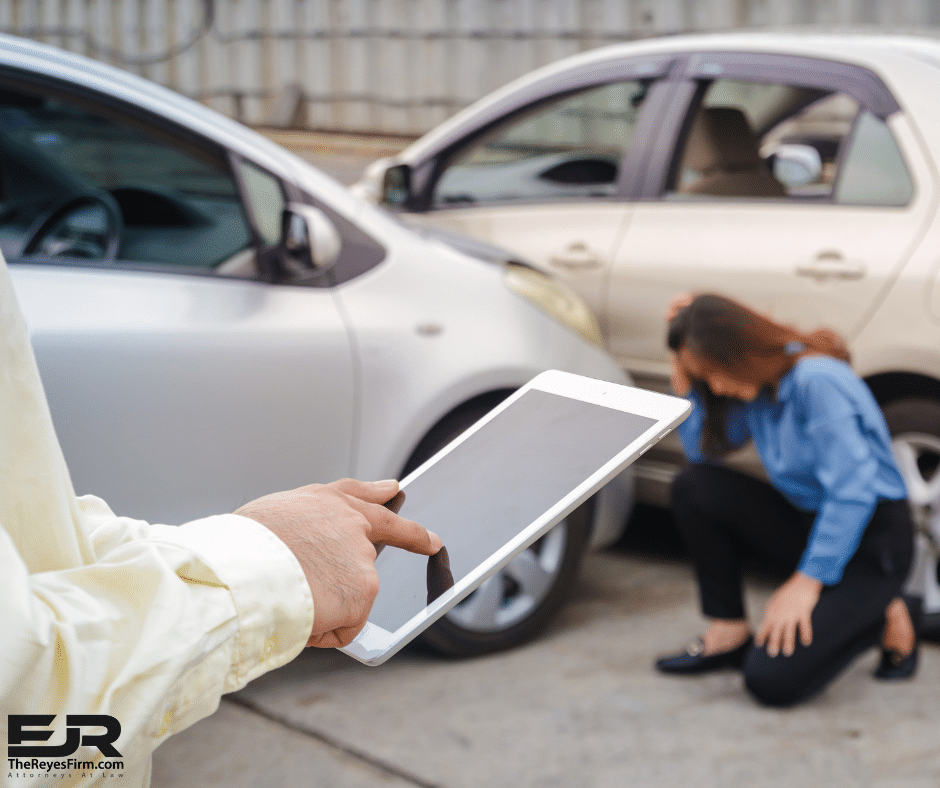
Getting into a car accident is stressful enough, but discovering the other driver doesn’t have insurance can make the situation even more overwhelming. Unfortunately, accidents involving uninsured drivers happen more often than you might think, leaving many victims unsure how to cover medical bills, vehicle repairs, and other expenses. If you’ve been hit by an uninsured driver, taking the proper steps immediately can protect your rights and financial well-being. In this guide, we’ll explain everything you need to know to navigate this challenging situation confidently. What to Do Immediately After an Accident Contact the Police One of the first things you should do after an accident, regardless of its severity, is contact the police. Even if the damage seems minor, filing a police report is essential. Here’s why: Official Record: A police report provides an unbiased, official record of the accident, including details like the time, location, and any statements from the involved parties. This is invaluable when filing insurance claims or pursuing legal action. Supports Your Claim: Insurance companies often require a police report to process claims, especially if the other driver is uninsured. Legal Protection: If there’s a dispute about what happened, the police report can be crucial evidence to support your side of the story. When the police arrive, share all relevant details honestly and ask for a copy of the report or instructions on obtaining it later. Gather Evidence While waiting for the police or immediately after ensuring everyone’s safety, take steps to document the scene. This evidence could be vital for your insurance claim or legal case. Here’s what to focus on: Take Photos: Use your phone to capture clear images of: Vehicle damage (yours and the other driver’s). The accident scene includes skid marks, road signs, and weather conditions. Any visible injuries you or your passengers sustained. Collect Witness Information: If there are witnesses, ask for their names and contact information. Their statements can help corroborate your account of the accident. Get the Driver’s Details (if possible): If the uninsured driver cooperates, try to gather their: Name and contact information. License plate number. Driver’s license details. Make and model of their vehicle. If the other driver refuses to provide details, inform the police when they arrive. This evidence will be invaluable when filing an insurance claim or seeking legal help. Seek Medical Attention Even if you feel fine immediately after the accident, seeing a doctor as soon as possible is essential. Here’s why: Hidden Injuries: Some injuries, such as whiplash or concussions, may not show symptoms immediately. A medical evaluation can detect these issues early. Medical Records: Visiting a doctor creates an official record of your injuries, which can strengthen your insurance claim or legal case. Ensure you keep copies of all medical bills, diagnoses, and treatment plans. Peace of Mind: Prompt medical attention safeguards your health, helps you recover faster, and prevents complications. If the accident is severe, prioritize getting to the hospital immediately. Your health and safety are always the top priority. Notify Your Insurance Company After addressing immediate safety concerns, you must inform your insurance company about the accident. Here’s how to approach this step: Contact Them Promptly: Notify your insurer as soon as possible—many policies have time limits for filing a claim. Provide Accurate Details: Be honest and thorough when explaining the accident. Include details like: The time, date, and location of the accident. A description of what happened. Any photos or witness information you collected. Ask About Uninsured Motorist Coverage: If you have uninsured motorist (UM) coverage, discuss how to proceed with your claim under this policy. Follow-up: Record all communication with your insurance company, including claim numbers and the names of representatives you speak with. For more detailed guidance on dealing with insurance companies after an accident, check out our blog post: How to Handle Insurance Companies After an Accident: A Step-by-Step Guide to Protect Yourself. Being proactive and organized can streamline the claims process and ensure you receive the compensation you are entitled to. Understanding Uninsured/Underinsured Motorist Coverage What is UM/UIM Coverage? Uninsured Motorist (UM) and Underinsured Motorist (UIM) coverage are types of car insurance that provide extra protection when the other driver isn’t adequately insured. Here’s how they work: Uninsured Motorist (UM) Coverage: This kicks in when the at-fault driver has no insurance. For example: If an uninsured driver hits you and suffers injuries or vehicle damage, your UM coverage can help cover medical bills, lost wages, and repair costs. This is especially critical in states where many drivers are uninsured. Underinsured Motorist (UIM) Coverage: This applies when the at-fault driver has insurance, but their policy limits aren’t high enough to cover all your expenses. For instance: If your medical bills total $50,000, but the other driver’s liability insurance only covers $25,000, UIM coverage can make up the $25,000 difference up to your policy’s limit. Having UM/UIM coverage ensures you’re not left footing the bill for someone else’s lack of responsibility. It’s a safety net that provides peace of mind when the other driver’s insurance (or lack thereof) fails to meet your needs. Coverage Limits and Policy Details When it comes to UM/UIM coverage, understanding your policy’s limits is key. Here’s what you should know: Typical Coverage Limits: Insurance policies usually list limits in two parts: Per Person Limit: This is the maximum amount the policy will pay for one individual’s injuries. Per Accident Limit: This is the maximum payout for all injuries in a single accident. For example, if your policy has a UM/UIM limit of $50,000/$100,000: It will pay up to $50,000 per person injured. It will pay $100,000 for all injuries in the accident. How Coverage Limits Impact Claims: If your damages exceed your policy limits, you may need to explore other compensation options, such as suing the at-fault driver. This highlights the importance of selecting higher coverage limits when possible. Reviewing Your Policy: Regularly reviewing your insurance policy is a good idea to ensure you’re adequately protected. Key questions to ask: