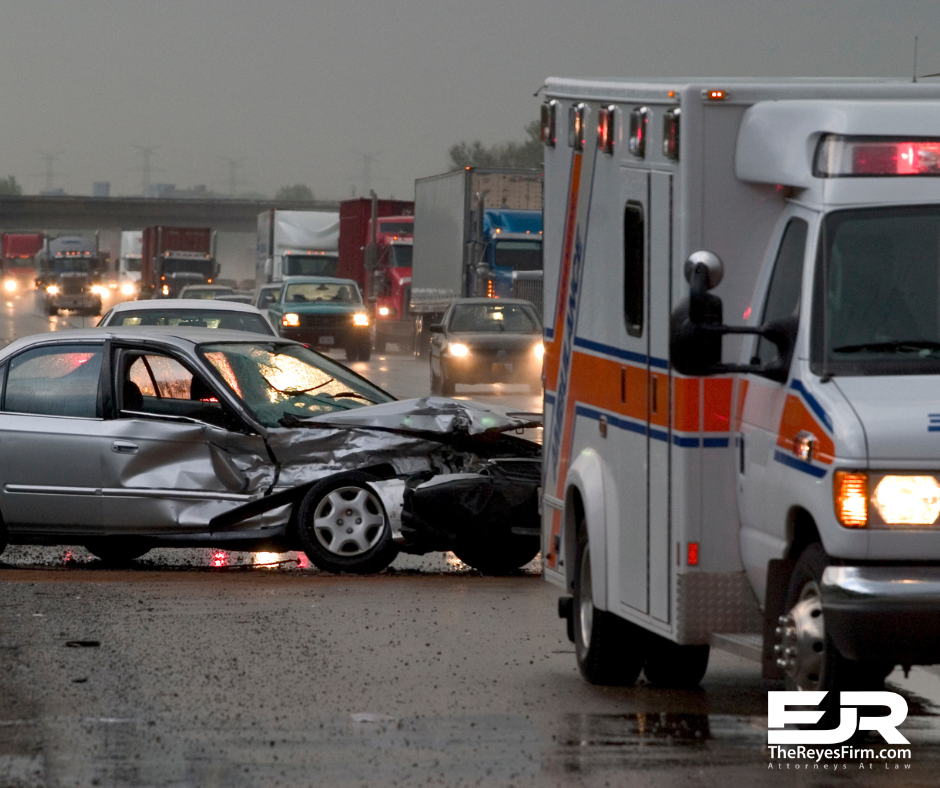
Most Dangerous Roads in Tampa Bay and Florida
Some of the most dangerous roads in Tampa Bay are the same highways and corridors families drive every day, including I-275, I-4, Dale Mabry Highway, Gandy Boulevard, Gulf-to-Bay Boulevard, and US-19. Every year, national studies and crash data point to specific Florida cities and even particular roads that carry a higher risk of serious accidents. If you’re driving in or around Tampa Bay, it’s essential to know where those danger zones are and how to protect your family if the unexpected happens. At The Reyes Firm, we’ve helped hundreds of families across Tampa, Clearwater, St. Petersburg, and Lakeland after devastating crashes. We’ve seen how a split-second collision on a dangerous road can change lives. That’s why we’re breaking down what the latest rankings mean for you, along with legal tips that can help you stay protected. Whether you’re a commuter, parent, or weekend driver, this guide is for you. What Are the Most Dangerous Roads in Tampa Bay? The most dangerous roads in Tampa Bay often include I-275, I-4, Dale Mabry Highway, Gandy Boulevard, Brandon Boulevard, Gulf-to-Bay Boulevard, US-19, 34th Street, and busy beach-access routes. These roads pose a higher risk due to heavy traffic, rapid merging, tourist drivers, commercial vehicles, sudden stops, and pedestrian activity. What Is the Most Dangerous Road in Florida? Many studies and reports identify I-4 as one of the most dangerous highways in Florida, particularly because it connects Tampa, Lakeland, Orlando, and Daytona Beach. However, the “most dangerous road” can vary depending on whether the ranking measures total crashes, fatal crashes, pedestrian deaths, or deaths per mile. These Florida Cities Keep Ranking High for Dangerous Roads A recent study ranked 327 U.S. cities based on crash-related behaviors like speeding, hard braking, and rapid acceleration. Several cities in Florida made the list, again, including some right here in Tampa Bay. Here’s how they moved in 2025: City 2025 Ranking 2024 Ranking What Changed Clearwater #127 #184 Moved up the danger list. Watch out near Gulf-to-Bay Blvd and beach access roads. Lakeland #35 #39 Still high-risk, especially along I-4 and commercial truck corridors. Tampa #168 #49 Significant improvement, but known crash zones remain. St. Petersburg #174 #83 Improved ranking, but high foot traffic and busy streets still pose risks. Lakeland continues to be one of the riskiest driving cities in the state. Clearwater’s risk level jumped significantly, while Tampa and St. Pete showed improvement, but still have crash-prone zones drivers should be aware of. Why Florida Has Some of the Most Dangerous Roads What makes roads in Florida more dangerous than those in other states? It’s not just volume, it’s the combination of unique risks: Tourists and snowbirds unfamiliar with local routes Fast-changing weather, including glare, pop-up storms, and flooding High-speed highways and dense traffic on I-275, I-4, US-19, and SR-60 Rapid growth, leading to more cars on old infrastructure Shared space between cars, semis, scooters, bikes, and pedestrians You can’t control who’s on the road, but you can control how you drive. Leave extra space. Expect sudden stops. Stay alert in merge zones, beach corridors, and interchanges. Florida Law: What You Need to Know After a Crash Florida personal injury law can be complicated, but knowing the basics and the statutes that support them can make all the difference when protecting your rights and recovery. How long do I have to file a claim? Under Florida Statutes §95.11, you generally have two years from the date of your accident to file a personal injury lawsuit. If you miss this deadline, the court will likely dismiss your case, no matter how serious your injuries are. 🎙️ Voice Search Tip: “How long do I have to file a car accident claim in Florida?” You typically have two years under Florida Statute 95.11. But don’t wait—evidence fades. A Florida personal injury attorney can protect your timeline and build your case. Do I need to see a doctor right away? Yes. Florida’s Personal Injury Protection (PIP) law, outlined in Florida Statutes §627.736, requires that you seek medical attention within 14 days of the crash. If you wait longer, you could lose your right to PIP benefits even if you’re clearly injured. In this short video, Attorney Edward Reyes explains what PIP is, what it covers, and why the 14-day rule matters if you want your medical bills and lost wages covered after a crash. Here’s a quick answer if you’re asking, “Do I need to see a doctor after a minor crash?” Yes. Even if you feel fine, get checked within 14 days. Florida Statute §627.736 requires it to access your PIP benefits up to $10,000 in medical costs and partial lost wages. After day 14, you lose that coverage. What if I were partly at fault? Florida follows a modified comparative negligence rule under Florida Statutes §768.81. If you’re more than 50% at fault, you can’t recover damages. But if you’re 50% or less at fault, you may still receive compensation, reduced by your percentage of fault. 🎙️ Voice Search Tip: “What if I’m partly at fault for a Florida crash?” You can still file a claim under Florida Statute 768.81 unless you’re more than 50% at fault. A Tampa car accident lawyer can help prove the other driver’s responsibility. What to Do After an Accident Accidents are overwhelming. Here’s a clear plan to follow after a crash on one of Florida’s most dangerous roads: Call 911 – even if injuries seem minor Get medical care – don’t wait for symptoms to appear. Take photos – damage, vehicles, street signs, skid marks. Collect witness info – names, numbers, and nearby business names. Skip recorded statements – wait to speak with a personal injury lawyer. Contact an attorney early – protect evidence and reduce stress 🎙️ Voice Search Tip: “What should I do right after a car accident in Tampa?” Call 911, get medical care, take photos, and talk to a Tampa car accident lawyer before dealing with insurance. Most Dangerous Roads in Tampa Bay by City Let’s zoom