Car accident

The Christmas morning skyline and holiday safety tips in Tampa from personal injury lawyer The Reyes Firm.
Blog, Car accident, DUI/DWI, News, Personal Injury, personal injury attorney, Premise Liability

The Christmas Morning ‘Nice List’: Staying Safe While You Celebrate

It is Christmas morning in Tampa, and the city is filled with excitement. While many people are busy opening gifts or starting their holiday breakfast, the team at The Reyes Firm is thinking about our neighbors. We know that today is the most magical day of the year for families across Florida. However, as local personal injury lawyers, we also understand that a busy morning can sometimes lead to an unexpected “bad day” if we aren’t careful. Accidents do not take a holiday, and neither does our goal of keeping you safe. From the busy intersections near International Plaza to the quiet residential streets of Seminole Heights, Christmas morning presents unique risks. Whether it is a slip on a slick patio or a distracted driver on the Howard Frankland Bridge, being prepared is the best gift you can give your family. This guide is designed to help you navigate the day with peace of mind. To help everyone stay on the “Nice List” this year, we have compiled these comprehensive holiday safety tips in Tampa. We want your only surprise today to be the joy on your children’s faces, not a trip to the emergency room or a call to an insurance company. By following these simple, expert-backed steps, you can help ensure that your Christmas stays merry, bright, and, most importantly, safe for everyone involved. Why Holiday Safety Tips in Tampa Matter Today In Central Florida, we don’t have to shovel snow, but our warm weather and “Florida Winter” activities come with their own set of rules. On Christmas morning, local emergency rooms often see a spike in preventable injuries. In fact, the National Safety Council estimates hundreds of traffic fatalities occur nationally during this holiday period, making caution more critical than ever. Tampa Police Chief Lee Bercaw recently shared that the department is increasing its efforts to keep our city safe. According to the City of Tampa, additional officers, including undercover units, are patrolling for impaired and aggressive drivers. Safety is a shared responsibility, and by following these holiday safety tips in Tampa, you are doing your part to protect your community. Home Safety: Avoiding Trips and Falls The living room is “Zone One” of Christmas morning. Between the tree, the lights, and the pile of presents, it is easy for a hazard to go unnoticed. As wrapping paper piles up, it creates a very slippery surface on tile or hardwood floors. If a guest or family member falls on your property due to an unsafe condition, it could lead to a premises liability claim. To keep your home safe, make sure to clear away trash as you go. It might be tempting to leave the mess until later, but a stray ribbon or a piece of plastic film can cause a nasty fall. Also, be careful with “button” batteries found in many new toys. The Consumer Product Safety Commission warns that these can cause severe internal burns in a matter of hours if swallowed. Kitchen Safety: Watching Out for Fires The kitchen is often the busiest room in a Tampa home on Christmas Day. Whether you are preparing a traditional roast or a festive Florida brunch, the risks of burns and fires increase when the house is full of guests. Cooking remains the number one cause of home fires and fire-related injuries in the U.S. Never leave the kitchen unattended while frying, grilling, or broiling your holiday meal. Keep a “kid-free zone” of at least three feet around the oven to prevent accidental burns. Be careful with steam when opening lids on slow cookers or removing foil from hot trays. A steam burn can be just as debilitating as direct flame contact and may require immediate medical attention. Road Safety: Tampa Police Department’s Warning on Aggressive Driving If you are traveling today to visit family in Brandon or St. Petersburg, stay alert. Chief Lee Bercaw warned that aggressive driving causes preventable crashes. TPD advises that if a driver tries to start an altercation or follows you, you should never engage or follow them. Instead, call 911 immediately. For incidents that aren’t emergencies, residents can use the Tampa Connect Traffic Complaint Request portal to report delayed issues. To stay safe on the road: Buzzed Driving is Drunk Driving: Whether it is alcohol or narcotics, use a rideshare service or a designated driver. Avoid Distractions: Don’t check your “thank you” texts until you’ve reached your destination. If you’re involved in a collision, our car accident lawyers are here to help. A Special Warning: QR Code Parking Scams If you are heading to a local restaurant or a holiday event in Downtown Tampa, be careful where you park. Chief Bercaw highlighted a growing issue with QR code fraud. Scammers are placing fake QR code stickers over real ones in pay-to-park lots to steal your banking information. Remember: The City of Tampa does not use QR codes for its paid lots. If you see a QR code on a city sign, it is likely a scam. To stay safe, manually enter the website URL, or download parking apps only from your phone’s official app store. Significant Events: Preparing for the ReliaQuest Bowl The holidays in Tampa also feature major sporting events, such as the ReliaQuest Bowl at Raymond James Stadium. Chief Bercaw noted that large crowds and detours should be expected throughout the city. If you are traveling near the stadium or Downtown Tampa, plan and expect road closures. Giving yourself extra time can prevent the frustration that often leads to aggressive driving. How Can The Reyes Firm Help You? At The Reyes Firm, we sincerely hope your Christmas is safe and joyful. However, we also know that you can do everything right and still get hurt because someone else was being careless. Whether it is an impaired driver on I-275 or a slip-and-fall at a local business, we are here to support our Tampa neighbors. If you or a loved one suffers an injury today, you don’t have to
Ambulance and police car with flashing lights at a nighttime intersection, representing an ambulance crash in Haines City, Polk County, Florida.
Blog, Car accident, News

Polk County Ambulance Crash in Haines City: What Injured Victims Need to Know About Their Legal Rights

Sirens, flashing lights, and speeding vehicles usually mean help is on the way. But in a Polk County ambulance crash, the very vehicle that is intended to save lives can suddenly become the cause of serious harm. When a Polk County Fire Rescue ambulance crashes at a busy intersection in Haines City or anywhere in Central Florida, patients, paramedics, and everyday drivers can all be put in danger. News about a Haines City ambulance crash or a “Haines City car accident today” is never just a headline. Behind every story are real people dealing with sudden injuries, hospital visits, and the stress of determining who will pay medical bills and lost wages. Ambulance collisions are more complex than regular car wrecks because special rules apply to emergency vehicles, and multiple parties may share responsibility. This article explains, in clear and straightforward terms, what injured people and their families should know after an ambulance accident in Polk County. It covers the recent crash, how Florida’s rules for emergency vehicles apply, who is liable in an ambulance crash, victims’ rights, and steps to take after an emergency vehicle accident in Florida. It also explains how a Polk County personal injury lawyer at The Reyes Firm can help. News Summary: Polk County Ambulance Crash in Haines City According to local news reports, a Polk County ambulance crash happened just after 8:30 p.m. at a busy intersection near Haines City. A Polk County Fire Rescue ambulance was traveling from Haines City toward a nearby hospital, with a patient already inside, when it entered an intersection with emergency lights activated. At the same time, a pickup truck towing a trailer entered the intersection and struck the ambulance’s side, pushing it off the roadway. Four people were taken to local hospitals: the patient and a paramedic in the back suffered critical injuries. At the same time, the ambulance driver and the pickup driver were also hurt but are expected to recover. Deputies shut down part of the highway for several hours while investigators examined the crash scene. Polk County Ambulance Crash Location and Directions to The Reyes Firm Directions from the Haines City ambulance crash area to The Reyes Firm: If you or a loved one were involved in an ambulance crash near the intersection of US Highway 27 and Lucerne Park Road in Haines City, you can travel west toward Tampa and follow I-4 West. From there, follow the signs into Tampa and head toward North Habana Avenue. The Reyes Firm’s Tampa office is located at 4730 N. Habana Ave., Suite 201, Tampa, FL 33614, near the intersection of N. Habana Ave. and W. Cayuga Street. For turn-by-turn directions from the crash area or from anywhere in Polk County, you can open Google Maps and search for “The Reyes Firm, 4730 N. Habana Ave., Suite 201, Tampa, FL 33614”. Why Ambulance Crashes Are So Serious An ambulance accident in Polk County is often more dangerous than a typical crash for several reasons, and understanding these helps explain why injuries can be so severe. Speed and urgency Ambulances respond to emergencies and often travel faster than other vehicles. They may need to go through red lights or stop signs when they believe it is safe. High speeds combined with intersections and cross-traffic increase the risk of serious collisions, especially when other drivers are not paying attention. Size and weight An ambulance is larger and heavier than most passenger vehicles. In a collision, the smaller car usually takes more damage, and the people inside that car are more likely to suffer serious injuries like broken bones, head injuries, and spinal problems. Even at moderate speeds, the impact can be catastrophic. Vulnerable patients and crew Inside the ambulance, the patient is often already injured, sick, or unable to move. They may be strapped to a stretcher and cannot brace for a crash. Paramedics in the back are focused on medical care, not seat belts, and may also be thrown around in a collision. A Polk County ambulance crash can turn an already serious medical situation into a true emergency for everyone involved. Complex insurance and responsibility In a Polk County ambulance accident, several insurance companies may be involved. Polk County Fire Rescue, a private ambulance company, or a hospital system might own the ambulance. Another driver on the road might share fault. This mix of government entities, private companies, and multiple policies makes these cases more complex than a simple two-car crash. Florida Emergency Vehicle Right-of-Way Laws Explained Many people assume that emergency vehicles can ignore all traffic rules, but that is not true. Florida emergency vehicle right-of-way laws grant ambulances certain privileges but also impose duties on both ambulance drivers and other drivers. Duties of regular drivers When drivers in Florida see or hear an ambulance with lights and sirens: They must safely move over to the right side of the road when possible. They should slow down and, if necessary, stop until the ambulance passes. They should avoid blocking intersections or turning directly in front of the ambulance. If a driver fails to yield and causes or contributes to a crash involving a Polk County ambulance, that driver can be held responsible for the resulting injuries. Duties of ambulance drivers Emergency drivers must still exercise caution, even in an emergency. They are expected to: Use lights and sirens when responding to an emergency call. Slow down when approaching red lights, stop signs, and intersections. Ensure an intersection is reasonably clear before entering. Drive with “due regard” for the safety of other drivers, cyclists, and pedestrians. Obey standard traffic rules when not responding to an emergency. If an ambulance driver speeds through an intersection without checking cross-traffic, fails to use lights and sirens, or otherwise drives carelessly, that behavior can be considered negligence. When negligence causes a Polk County Fire Rescue ambulance to crash, the driver and the ambulance’s owner may be legally responsible. Who Is Liable in an Ambulance Crash? After a serious Polk County

Overturned SUV at night with police lights on a Tampa highway, representing a DUI rollover crash on I-275.
Blog, Car accident, DUI/DWI, News

Tampa DUI Driver Flips SUV on I-275: What Injured Victims Need to Know About Their Rights

When a Tampa DUI driver flips an SUV on I-275, it is not just breaking news. It is a catastrophic event for the people in those vehicles and their families. In a few seconds, a typical drive can turn into a rollover crash, flashing lights, blocked lanes, and a rush to the hospital. The problem is that DUI rollover crashes on busy roads like I-275 are rarely minor. High speed, heavy traffic, and an impaired driver create a perfect storm for serious injuries. Victims often face ambulances, emergency room visits, surgery, and weeks or months away from work. At the same time, they may be getting calls from insurance companies trying to settle the case quickly and cheaply. This issue matters because anyone injured by a drunk driver in Tampa has necessary rights under Florida law. With the right help, they can seek full compensation after a DUI crash in Tampa for their medical bills, lost income, and pain. This article explains what usually happens after a DUI rollover SUV accident in Tampa, how Florida DUI car accident laws work, and how a Tampa DUI accident lawyer at The Reyes Firm can support injured victims and their families. Recent News: Tampa DUI Driver Flips SUV on I-275 Near I-4 According to a recent news report, a Tampa DUI driver flipped an SUV in a crash that happened on southbound I-275 near the I-4 interchange on Thanksgiving night. Troopers say a 29-year-old Tampa woman driving a Honda CR-V changed lanes and hit a Subaru Outback driven by a 25-year-old Tampa woman.  The impact caused the CR-V to spin out of control and flip, while the Subaru was pushed off the road into a concrete barrier, according to WFLA’s report. Troopers say the SUV driver gave a breath sample of about 0.205 — more than twice Florida’s legal DUI limit of 0.08 for drivers 21 and over, as outlined by the Florida Highway Safety and Motor Vehicles (FLHSMV) — and she was arrested on a DUI charge. Thankfully, early reports said the Subaru driver was not physically injured. Still, the crash is a clear reminder of how quickly an I-275 DUI crash in Tampa can turn into a rollover and how dangerous an over-the-legal-limit DUI crash can be for everyone on the road.  According to the Florida Department of Highway Safety and Motor Vehicles (FLHSMV) Crash Dashboard, preliminary data from January 1, 2025, through November 20, 2025, shows how severe drunk driving still is on Florida’s roads. In that time, there were 3,873 impaired driving crashes involving alcohol only statewide, causing 141 deaths and 2,224 injuries, the same kind of preventable harm seen when a Tampa DUI driver flips an SUV on I-275. What Happens When a Tampa DUI Driver Flips an SUV on I-275? A rollover crash on I-275 usually starts with a bad decision behind the wheel. A drunk or drugged driver might: Drift out of a lane Speed in heavy traffic Misjudge a curve or exit. Overcorrect the steering when they realize they are off course. On a fast, crowded interstate, one mistake can quickly lead to a disaster. When a Tampa DUI driver flips an SUV, the vehicle can: Roll across multiple lanes Hit guardrails, medians, or other cars. Shed debris that hits vehicles behind it. In high-traffic areas such as the southbound I-275 near the I-4 crash zone, other drivers may slam their brakes or swerve, causing additional collisions. The scene can turn into a pileup involving several vehicles and many injured people. What injuries are common in a DUI rollover SUV accident in Tampa? A Tampa rollover accident injury lawyer often sees serious, sometimes permanent injuries after a DUI rollover SUV accident in Tampa, including: Traumatic brain injuries (TBI) Concussions and other brain injuries can cause headaches, confusion, memory loss, and mood changes. Neck and back injuries Whiplash and herniated discs can lead to long-term pain and limited movement. Spinal cord injuries In severe cases, damage to the spinal cord can result in partial or total paralysis. Broken bones Arms, legs, ribs, and facial bones can break during the violent rolling of an SUV. Internal injuries Damage to organs like the liver, lungs, or spleen can be life-threatening. Emotional trauma Many victims experience anxiety, nightmares, and fear of driving after an I-275 DUI crash in Tampa. Some injuries show up right away. Others appear hours or days later. That is why prompt medical care and follow-up visits are so important. How Do Florida DUI Car Accident Laws Apply After a Crash on I-275? When a Tampa DUI driver flips an SUV on I-275, the legal response usually has two parts: A criminal DUI case against the impaired driver A civil personal injury claim by the people who were hurt These are separate processes with different goals. What happens in a criminal DUI case? Under Florida DUI car accident laws, a driver can face DUI charges if they are: Over the legal alcohol limit, or Impaired by alcohol or drugs, even if the exact level is still being tested After an over-the-legal-limit DUI crash, police and the Florida Highway Patrol DUI investigation team may: Take breath or blood samples Photograph and measure the crash scene Collect witness statements Review dashcam or traffic camera footage. Note signs of impairment, such as slurred speech or stumbling If the evidence is strong, prosecutors may file DUI charges. If someone is seriously injured or killed, the charges are usually more serious. The criminal case focuses on punishment and public safety, not on paying victims’ bills. How is a Hillsborough County DUI accident claim different? A Hillsborough County DUI accident claim is a civil case. Its goal is to get the injured person compensated for their losses. A civil claim can move forward even if: The driver is acquitted of DUI The driver pleads guilty to a lesser offense. Prosecutors decide not to continue the criminal case The main questions in a civil case are: Was the driver negligent or reckless?

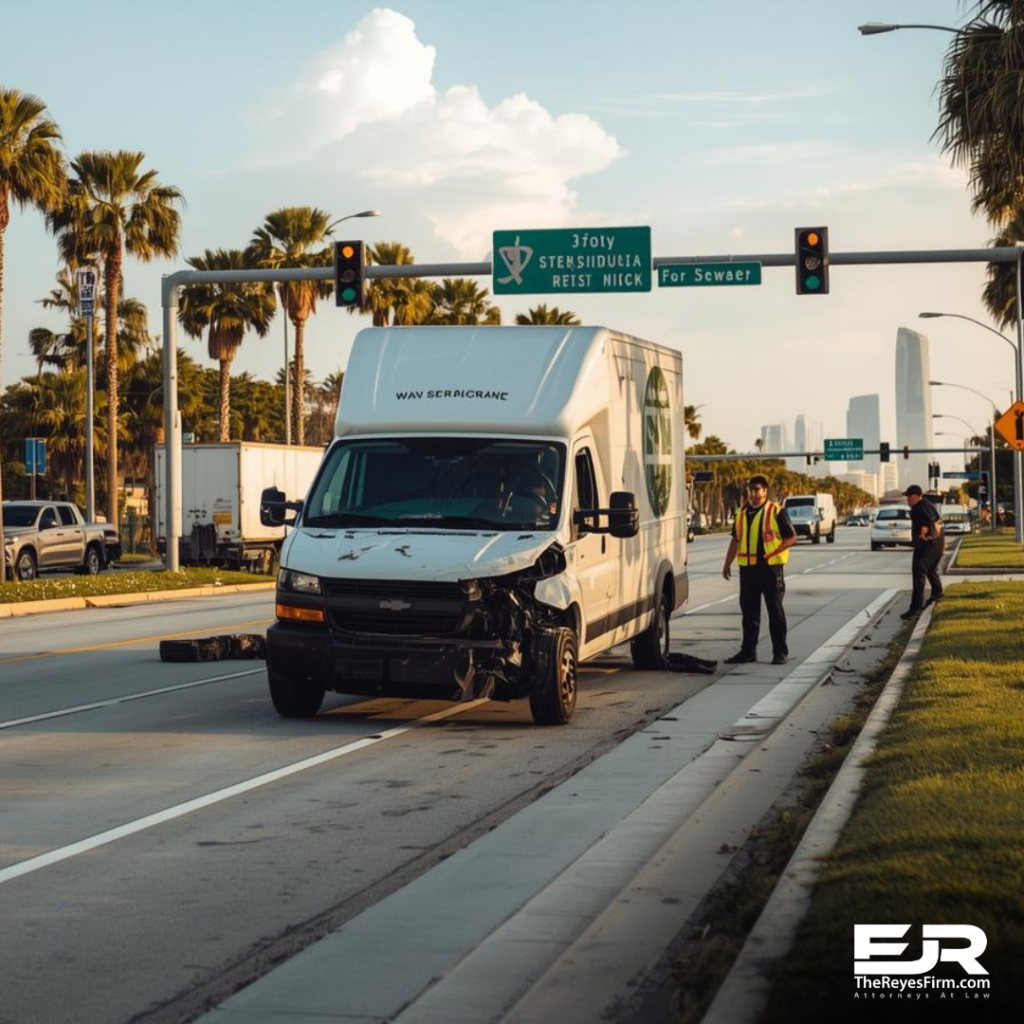
Company-branded work van damaged in a traffic accident, illustrating employer liability for company vehicle crashes in Florida.
Blog, Car accident, Company-Caused Car Accidents

Employee Car Accident While Working: Who Pays?

You got hurt. You were doing your job, or someone else was doing theirs, when they hit you. Now you’re fielding calls from an insurance adjuster you’ve never met, missing work, and wondering who actually pays. If your accident happened while driving for work, or the driver who hit you was on the clock, this is not a typical car crash claim. Employer liability in Florida car accidents follows its own rules, and knowing them can be the difference between full compensation and walking away with far less than you deserve. Many of these situations involve company-caused car crashes in Tampa, where a business can be held responsible for its driver’s actions. Florida treats work-related driving differently from personal driving, and most people don’t realize it until after they’ve already talked to the wrong insurer. A crash may look the same on the roadway. Still, the legal outcome differs depending on whether it was a car accident while driving for work, an employee car accident while working, or an accident in a company vehicle on personal time. Most people have no idea when a company should be involved or when only the individual driver is responsible. This matters because employer policies often have higher insurance limits and more resources than a personal policy. If an injured person does not understand employer liability for a car accident in Florida, they may walk away with far less than they deserve. The Reyes Firm helps victims in Tampa and throughout Florida sort out these questions and pursue the full compensation available under the law. Quick Answer: Injured in a Work-Related Car Crash in Tampa? If you were injured in a crash while on the job, your employer may be legally responsible under Florida’s respondeat superior doctrine. If the at-fault driver was working when they hit you, their employer’s commercial insurance may cover your injuries. Using your personal vehicle for work errands when you’re hurt does not automatically mean your employer escapes liability. Florida’s statute of limitations gives you 2 years from the crash date to file a negligence lawsuit under Fla. Stat. § 95.11. Had a bad day? Call The Reyes Firm at 833-4 BAD DAY. The Reyes Firm Hurt in a Work-Related Car Accident in Tampa? Find out if your employer is liable. Free consultation. Had a bad day? Get a Free Case Review What Does “Employer Liability” Actually Mean in a Florida Car Accident? In Florida, an employer can be held legally responsible for a crash caused by their employee while on the job. This comes from a legal doctrine called respondeat superior, which holds that an employer is responsible for what an employee does within the scope of employment. In simple terms, if a driver is working when the collision occurs, the injured person may have a claim against: The individual driver The company that benefits from the work being done This type of employer liability car accident claim can open the door to commercial insurance coverage, which is often crucial in severe injury cases. When Does “Course and Scope of Employment” Apply? “Course and scope of employment” usually means the employee was: Doing assigned tasks Following work instructions Taking a trip that helps the employer’s business When those pieces are present, the crash is more likely to be treated as a work-related car accident rather than a personal incident. In that situation, the law may view the employer as liable for the employee’s negligence in Florida, even though the company’s leadership was nowhere near the scene. When Is an Employer Responsible If an Employee Causes a Crash? Common Work-Related Driving Situations An employer is more likely to be responsible when the collision happens during an apparent work activity, such as: A delivery driver bringing packages to homes or businesses A technician traveling between service calls A salesperson driving between client meetings A worker hauling tools or equipment to a job site An employee attending a work training, conference, or company event 📊 Did You Know? In 2024, FLHSMV recorded 46,651 commercial motor vehicle crashes across Florida, resulting in 315 fatalities. Many of those crashes involved drivers operating within the course and scope of employment. When a business vehicle is involved, the liable parties and available insurance coverage can be dramatically different from a standard crash. Source: FLHSMV By the Numbers 2024, preliminary as of June 2025, flhsmv.gov These situations are often treated as an employee car accident while working. If the employee’s careless driving injures someone, that person may pursue a company vehicle accident claim in Florida against the employer’s policy. What Counts as a Car Accident While Driving for Work? A car accident while driving for work usually involves more than simply being in a vehicle during the workday. The key questions are: Was the trip part of the job? Was the employee being paid for that time? Did the errand help the business in some way? If the answer to these questions is “yes,” there is a strong argument that the incident was a valid employer liability car accident, and the company should be part of the claim. What Happens If an Employee Gets in a Car Accident While Working for a Small Business? If an employee gets in a car accident while working for a small business, the answer usually depends on what the employee was doing at the time, who was injured, and which insurance policies apply. A crash during a delivery, service call, client meeting, or assigned errand may involve the employer, the employee, the commercial auto insurer, and sometimes workers’ compensation. For injured people, the most important question is whether the employee was acting within the course and scope of employment. If they were, the injured person may have a claim against both the driver and the business. If the employee was injured, workers’ compensation may cover medical care and partial wage benefits, while a separate injury claim may be available if another driver caused or contributed to the crash. For small

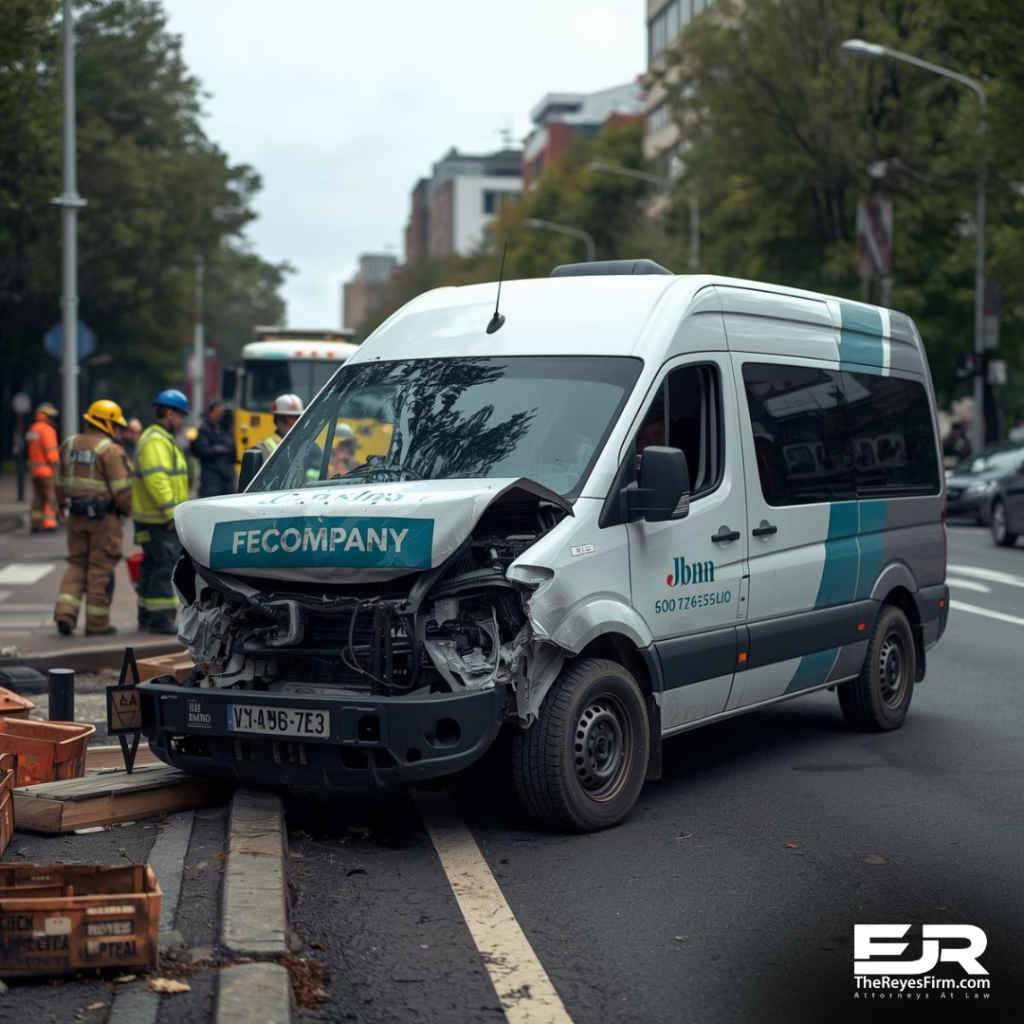
Damaged commercial van after company-caused car crash on a Tampa road, with traffic crew assessing the scene
Accident Injuries & why, After A Car Accident, After an Accident, Blog, Car accident, Commercial Vehicles, Company-Caused Car Accidents

Company-Caused Car Crashes in Tampa: Employer Liability, Rideshare Accidents, and Your Legal Rights

It happens fast. One moment you’re driving through downtown Tampa or merging onto I-275, and the next, you’re hit by a van or car that says “delivery in progress” on the side. The driver is clearly working, but now you’re left with injuries, bills, and more questions than answers. Who’s responsible? Can you sue the company? What are your rights? When a person causes a crash while working, the situation becomes more complex. These company-caused car crashes involve more than just two drivers. They often include big insurance companies, employer liability laws, and a trail of paperwork that can overwhelm anyone unfamiliar with Florida injury law. If a rideshare driver has injured you, a delivery vehicle, or someone driving for a business, you may be entitled to compensation, not just from the driver, but from the company that put them on the road. This guide will explain when companies are legally responsible, how these cases work in Florida, and how The Reyes Firm helps injured victims across Tampa get the justice they deserve. What is a company-caused car crash? A company-caused car crash is a motor vehicle accident caused by a company driver. That includes: Delivery drivers (Amazon, FedEx, DoorDash) Uber and Lyft drivers Construction or service trucks Company cars used by employees Contractors commuting to job sites These drivers may be behind the wheel of a company-owned vehicle or using their personal car, but either way, if they were working when the crash happened, the employer may be legally responsible.  This kind of responsibility is called vicarious liability, and under Florida law, including the dangerous instrumentality doctrine and statutes like Florida Statutes § 324.021(9)(b), employers and vehicle owners can be held accountable for crashes caused by someone driving in the course of their work or with their permission. Who’s responsible after a work-related car accident in Florida? If the person who caused your crash was “on the clock,” then both the driver and their employer could be on the hook. Signs the driver was working: They were wearing a work uniform The vehicle had a company logo or license plate tag They were making a delivery or picking up a customer. They admitted they were heading to or from a job site In Florida, an employer can be held liable if the driver was acting within the scope of employment, meaning they were doing something for work, not for personal errands. What if the driver says they weren’t working at the time? This is common. Companies often try to dodge responsibility by claiming the driver was “off-duty.” But don’t take their word for it. A personal injury attorney can investigate: GPS tracking and vehicle logs Rideshare app timestamps Delivery schedules Work emails or dispatch communications Even if the driver was in their own vehicle, the employer may still be liable if the driver was performing work duties at the time of the crash. Are Uber, Lyft, and delivery drivers considered company drivers? Yes, but coverage depends on their activity at the time of the crash. Driver Status Insurance Coverage Applies App is off Only the driver’s personal insurance applies App is on, no passenger yet Uber or Lyft provides limited coverage En route or with a passenger $1M commercial policy from Uber or Lyft applies So if you’re hit by a rideshare vehicle in Tampa while the driver is mid-ride or picking someone up, you may be able to file a claim under the company’s larger commercial insurance policy. The same goes for DoorDash, Instacart, Amazon Flex, and other gig delivery drivers. The key is proving they were working at the time. Rideshare accidents can be complex, and coverage depends heavily on what the driver was doing at the time of the company car crash. Our Ride-Sharing Accident legal team in Tampa can help you navigate the claim process and deal directly with Uber or Lyft’s insurance. Common causes of company-caused crashes in Tampa Tampa is a growing metro with busy roads and nonstop commercial traffic. Crashes involving company vehicles occur frequently, often because drivers are rushed or distracted. Top causes include: Speeding to meet delivery deadlines Distracted driving (texting, GPS, apps) Fatigue from long shifts Unsafe lane changes or running red lights Poor training or lack of driving experience Inadequate vehicle maintenance Whether it’s on I-4, Hillsborough Avenue, or Kennedy Boulevard, these accidents can lead to serious injuries and complex claims, especially if the company tries to minimize your damages. If your crash involved a delivery truck, service van, or company-owned vehicle, speak with a Tampa Truck & Commercial Vehicle Accidents Attorney who understands the unique complexities of commercial insurance and employer liability. What should you do after being hit by a company driver in Tampa? If you’ve been hit by someone driving for work, follow these steps: Call 911 – Get medical help and file a police report. Take photos and videos – Document the vehicles, the driver, injuries, and surroundings. Get the driver’s information – Ask for their name, employer, insurance, and license plate. Look for signs of employment – Uniforms, logos, delivery paperwork, or mobile apps. Seek medical attention – Even if you feel fine, injuries often show up later. Contact a Tampa car accident lawyer – A legal team can investigate, preserve evidence, and protect your rights. Can multiple parties be responsible in a company-related crash? Yes. Depending on the details, you may be able to file claims against: The driver (if negligent) The company (under vicarious liability) A third-party contractor or fleet manager A vehicle maintenance provider A product manufacturer (if a defect caused the crash) These cases often involve multiple insurance policies, which is why working with a lawyer helps you pursue every possible path to compensation. What kind of compensation can you recover after a company car crash? In a company-caused crash, damages can include: Medical bills – ER visits, surgery, therapy, medications Lost wages – If you missed work or can’t return Pain and suffering – For physical pain

The Hidden Costs of a Car Accident
Blog, Car accident

Why Hiring a Car Accident Lawyer in Florida Is Crucial for Your Recovery

Car accidents happen when we least expect them — a quick trip to the store, a late-night drive home from work, or a commute to a construction site can suddenly turn into a life-altering event. Florida’s busy highways and unpredictable weather make such incidents more common than most realize. The physical pain, emotional trauma, and financial strain that follow can quickly overwhelm anyone. For many Floridians, especially those working in construction, architecture, property management, or government engineering projects, a car accident can mean more than just vehicle damage. It can mean weeks or even months of lost productivity, costly treatments, and uncertainty about the future. That’s where having car accident lawyers by your side becomes not just helpful — but essential. The truth is that recovery isn’t only about medical care. It’s also about financial stability, emotional peace, and the ability to move forward without fear. Hiring the right lawyer ensures that you’re not left fighting insurance companies or making legal decisions alone during one of the hardest times of your life. Understanding Florida’s Complex Car Accident Laws Florida operates under a no-fault insurance system, meaning that each driver’s insurance covers their own injuries and losses up to a certain limit, regardless of who caused the crash. While this system is meant to simplify claims, it can actually complicate recovery for those who suffer serious injuries. Every driver in Florida is required to carry Personal Injury Protection (PIP) coverage, which pays up to $10,000 for medical expenses and lost wages. However, that amount is often far from enough to cover the true cost of an accident. Serious injuries, like broken bones, spinal damage, or traumatic brain injuries, can easily exceed that limit within days of hospitalization. Here’s where things get tricky: to seek compensation beyond your PIP coverage, you must meet the state’s “serious injury threshold.” This means proving that your injury is permanent, caused significant disfigurement, or resulted in the loss of essential bodily functions. Establishing this requires expert medical documentation and strong legal argumentation — something car accident lawyers handle every day. In addition, Florida’s traffic laws, comparative negligence rules, and statute of limitations can make or break a case. A lawyer ensures that every deadline is met and every form is filed correctly, protecting you from costly mistakes. The Hidden Costs of a Car Accident Many people think car accidents only cost money for hospital bills and car repairs, but the real expenses run much deeper. Medical care can stretch for months with physical therapy, follow-up treatments, and pain management. For working professionals — especially those in physically demanding fields like construction or engineering — even a minor back or neck injury can lead to missed work and lost opportunities. There are two main categories of losses that victims face: Economic damages, which include measurable costs like: Emergency room visits and surgeries Ongoing therapy or rehabilitation Vehicle replacement or repairs Prescription medications Lost income and diminished earning capacity Non-economic damages, which cover emotional and psychological tolls such as: Pain and suffering Emotional distress Loss of enjoyment of life Relationship strain or loss of consortium Insurance companies often offer settlements that only account for immediate, visible expenses. A car accident lawyer ensures every long-term consequence — physical, financial, and emotional — is factored into your claim. That way, you’re not left struggling months later when medical bills and missed wages pile up. Insurance Companies Are Not on Your Side Insurance adjusters may sound friendly on the phone, but their goal is to protect the company’s profits — not your wellbeing. They often pressure victims into accepting quick settlements before the full extent of injuries is known. They might even downplay your pain, dispute medical records, or suggest that you were partially at fault to minimize payouts. Many people don’t realize that once you sign a settlement release, you forfeit your right to pursue further compensation. That’s why talking to a lawyer before speaking with an insurer is one of the most important steps after a crash. Experienced Florida car accident lawyers know these tactics well. They handle communications on your behalf, ensure no misleading statements are made, and fight to make sure the insurance company pays every dollar you’re owed. Their negotiation skills and legal leverage often make the difference between a minimal payout and full financial recovery. Proving Liability: The Foundation of Every Case Florida follows a comparative negligence system, meaning fault can be shared between drivers. If the court finds you partially responsible for the crash, your compensation is reduced by that percentage. For instance, if you’re awarded $100,000 but found 20% at fault, you’ll only receive $80,000. Insurance companies use this rule to reduce settlements whenever possible. A skilled car accident lawyer knows how to gather and present compelling evidence to prove liability. This might include: Accident reconstruction reports prepared by engineers Black box data from vehicles that record speed and braking patterns Witness statements that support your version of events Traffic camera and dashcam footage that shows who was at fault Expert medical testimony connecting your injuries to the crash This comprehensive evidence collection ensures the case is built on facts, not assumptions — something that resonates strongly with technical professionals, engineers, and developers who value precision and truth. The Role of a Lawyer in Maximizing Compensation Having a lawyer isn’t just about having someone in court; it’s about strategy, negotiation, and timing. A well-prepared legal team can often settle cases out of court for significantly higher amounts than individuals could achieve on their own. Here’s what lawyers typically handle to maximize your claim: Comprehensive investigation – Reviewing police reports, photos, and witness accounts to establish fault. Medical coordination – Working with your doctors to document injuries accurately and consistently. Expert negotiation – Communicating with insurers to demand full compensation. Litigation readiness – Preparing your case for trial if insurers refuse to settle fairly. Client support – Handling all paperwork, calls, and filings while you focus on recovery. The presence of a reputable

Tampa Teen Car Accidents Parent Playbook for the First 24 Hours
Blog, Car accident, For Parents, Teen Accidents

Tampa Teen Car Accidents: Parent Playbook for the First 24 Hours

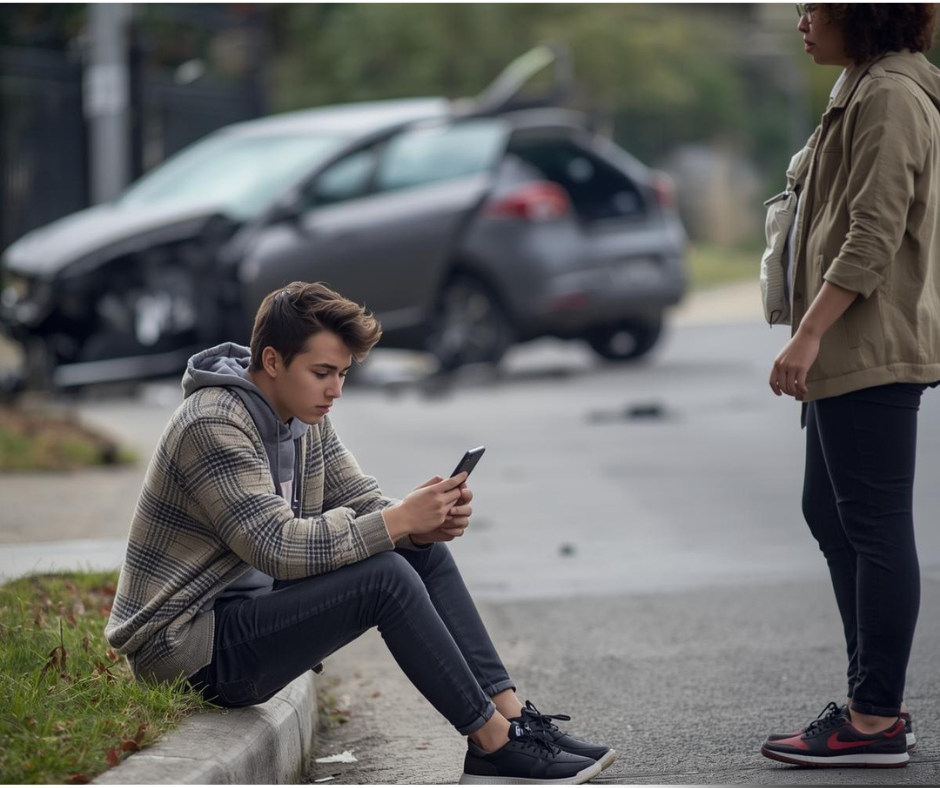
Most parents remember the day their teen got a driver’s license. It’s a moment filled with pride and a little fear. Driving gives teens freedom, but it also comes with serious risks. And when the unexpected happens, like a car crash, parents often feel confused, overwhelmed, and unsure of what steps to take next. Teenagers aren’t always ready to handle the chaos that follows a crash. Their first instinct may be to panic, avoid getting in trouble, or even downplay the situation. That’s why parents must know precisely what to do after a car accident involving their teen. The first 24 hours are the most important for safety, insurance, and legal rights. This article gives families in the Tampa area a clear, step-by-step playbook. Whether a teen was injured, at fault, or simply scared, knowing how to act quickly and wisely can protect their future and reduce long-term damage. Here’s what every Tampa parent needs to know. 🚦 TL;DR: What Tampa Parents Should Know After a Teen Car Accident Stay calm and check on your teen’s safety. If there are injuries or serious damage, call 911 immediately. Gather details at the scene: photos, contact info, insurance, and a police report, even for minor crashes. See a doctor within 14 days to protect your teen’s health and secure PIP Florida insurance coverage. Be careful with insurance statements and don’t let your teen post about the accident on social media. Florida law may hold parents liable for damage caused by teen drivers under 18. Contact a Tampa personal injury lawyer to protect your rights, especially if your teen was injured or wrongly blamed. 1. Check for Safety First The most important thing after a crash is making sure everyone is safe. If a teen is calling from the scene, the parent should stay calm and ask clear questions. Are they hurt? Is the car in a dangerous spot? Is anyone else injured? If the accident just happened, tell the teen to turn on hazard lights, stay in the vehicle if it’s safe, and move to the side of the road if possible. If someone is hurt, call 911 immediately. Even if the accident seems minor, it’s better to have emergency services come and make sure everyone is okay. Parents should try to get to the scene if they can, especially if their teen is shaken up or confused. Being physically present can help the teen stay calm and follow the proper steps. 2. Gather Information at the Scene After making sure everyone is safe, it’s important to gather facts about the crash. This will be helpful to insurance companies and, possibly, a personal injury case. The teen or parent should take photos of the damage to all vehicles, the crash scene, and road signs and traffic signals. They should also write down: Contact information for everyone involved in the crash, including drivers and passengers License plate numbers Insurance information The name and badge number of the responding police officer Names and contact info for any witnesses Even if it’s uncomfortable, these details matter. Without them, it may be harder to prove what happened later. 3. File a Police Report in Tampa In Florida, the law requires a police report for crashes involving injuries, deaths, or property damage over $500. That includes most accidents, even ones that don’t seem serious at first. Teens might feel nervous about talking to the police, but a report must be filed. A police report is an official record. It shows what happened, where, and who was involved. This can help protect a teen if someone else tries to say they caused the crash when they didn’t. Teens and parents should avoid admitting fault or saying things like “I’m sorry” or “I didn’t see them.” These words might be misinterpreted and later used by insurance companies to blame them for the crash. 🎥 Why You Should Never Say “Sorry” After a Crash In this short video, Attorney Edward Reyes explains why admitting fault, even casually, can ruin your case after a car or trucking accident. This advice also applies to teen drivers. Watch below: ⚠️ Saying “I’m sorry” or “I didn’t see you” can be used as evidence of fault. Let your lawyer speak for you. 4. Get Medical Care Within 14 Days Many injuries don’t show up right away after a car crash. A teen might feel okay at first, but neck, back, or headache pain can appear hours or days later. That’s why it’s a smart move to get checked by a doctor even if there are no visible injuries. Under Florida Statute §627.736, drivers must receive medical care within 14 days of the accident to qualify for PIP (Personal Injury Protection) benefits. PIP covers up to $10,000 in medical expenses, regardless of who was at fault. If a teen waits too long to see a doctor, the insurance company may deny the medical claim. That could leave the family paying out of pocket for hospital visits, therapy, or medications. 5. Report the Crash to the Insurance Company Once the immediate safety and medical issues are handled, the accident should be reported to the family’s insurance company. But this needs to be done carefully. What is said during that first report can affect what gets covered and what doesn’t. When calling the insurance company, only share the facts. Avoid guessing about what happened, who caused the crash, or how bad the injuries might be. It’s also a good idea not to give a recorded statement until talking with a lawyer, especially if the car crash involves catastrophic injuries. Many parents don’t realize that their own insurance company might try to limit payouts or deny coverage. That’s why calling a car accident lawyer for a teen in Tampa is a smart next step. 6. Know the Legal Rules for Teen Drivers in Florida Florida law treats teenage drivers the same as adults when it comes to responsibility. But if a teen is under 18, a parent

Blurred emergency lights reflecting on wet roadway at night, representing a Winter Haven T-bone crash in Polk County, Florida.
Blog, Car accident, News

Winter Haven T-Bone Crash: What Polk County Drivers Should Know

Key Facts for Polk County Drivers Where: Cypress Gardens Blvd & 1st St S, Winter Haven, Polk County What happened: A T-bone crash involving a Winter Haven police SUV and a 21-year-old driver Injuries: Both hospitalized Investigation: Florida Highway Patrol and local authorities Legal issues: Right-of-way around emergency vehicles, “due regard” duties, comparative negligence, and sovereign immunity limits Polk County Crash Snapshot (FLHSMV) Covers crashes from 1/1/2025 to 10/23/2025. Data is preliminary as of 10/25/2025. All crashes: 9,873 Injuries: 7,802 Fatalities: 75 across 67 fatal crashes Injury crashes: 4,787 Bicycle crashes: 184, with four deaths. Motorcycle crashes: 251, with 18 fatalities. Pedestrian crashes: 227, with 11 fatalities Hit-and-run crashes: 1,980, including 722 injuries and three fatalities Who investigates in Polk County: Sheriff 49.74% (4,911), Police 43.44% (4,289), FHP 6.82% (673) Why it matters: With so many crashes in Polk County, fast evidence preservation and straightforward right-of-way analysis matter. A Polk County car accident lawyer can guide you through both. What Happened in Winter Haven A T-bone crash in the early hours of Sunday sent two people to the hospital. One of them is a Winter Haven police officer. According to authorities, the officer was responding to a possible armed incident and had emergency lights and a siren on when a Honda sedan entered the intersection at Cypress Gardens Boulevard and 1st Street South. The impact pushed both vehicles into a nearby parking lot. The officer was transported to Lakeland Regional Health, while the 21-year-old driver was airlifted. The Florida Highway Patrol is leading the investigation. Accidents involving emergency vehicles always raise questions about fault, safety protocols, and what happens next. Here’s what Polk County drivers should understand if something like this happens to them. Who Could Be Liable in a Crash Like This? Crashes like this are rarely black-and-white. Even with lights and sirens, emergency drivers don’t have unlimited rights, and civilian drivers still have legal duties. Let’s break it down: 1. Civilian drivers must yield Florida law is clear. When you see emergency lights or hear a siren, you’re required to pull over, clear the intersection, and stop until the vehicle passes unless otherwise directed by an officer. If a driver continues through a busy intersection without yielding, that can be considered negligence. 2. Emergency drivers still have responsibilities Law enforcement officers can lawfully run red lights or exceed the speed limit during emergencies, provided they slow down and act with reasonable care. They’re not above the law. If the officer wasn’t using sirens or lights or didn’t take sensible precautions, they could share fault. Watch: What happens if a police vehicle runs a light or speeds without an active emergency, and when liability can attach in Florida. 3. Florida uses comparative fault In Florida, both parties can share responsibility. If you’re found partially at fault, your recovery can be reduced by your percentage of fault. But if you’re more than 50% responsible, you may not be able to recover anything. That’s why the facts, traffic signals, camera footage, speed, and witness statements are so important. 4. Sovereign immunity may apply When government vehicles are involved, there are caps on recoverable amounts, usually $200,000 per person or $300,000 per incident. There are also notice requirements and deadlines that don’t apply in standard injury cases. But don’t let that discourage you. Many cases still resolve relatively under these rules. You need to follow the process carefully. Common Injuries After a T-Bone Collision Side-impact crashes are especially dangerous because there’s often less protection between you and the force of the other vehicle. Victims often experience: Neck and back injuries Broken ribs or hips Concussions or head trauma Shoulder and chest pain Internal bleeding or organ damage You might not feel it right away since adrenaline can mask pain. But the next morning, it can hit like a freight train. That’s why we always recommend getting checked out, even if you feel “fine” at the scene. What To Do After a Crash in Polk County If you’ve been in a crash, here’s what you should do, whether the other vehicle was a regular driver or a first responder: Call 911. Get medical help and report the accident. Get medical treatment. Head to the ER or urgent care, then follow up. Take photos and videos. Get clear shots of all vehicles, the road, traffic lights, skid marks, and any injuries. Collect contact info. Get names, phone numbers, and insurance details from everyone involved, including witnesses. Don’t say too much. Avoid apologizing or speculating about fault. Just stick to the facts. Report the crash to your insurer. Don’t give a recorded statement to the other driver’s insurance company without talking to a lawyer first. Document everything. Medical records, bills, lost wages, time off work, towing receipts, keep it all. Talk to a lawyer who knows Polk County. Evidence disappears fast. We know how to preserve what matters. How We Help at The Reyes Firm You don’t need to figure this out on your own. At The Reyes Firm, we’ve helped countless people across Florida recover after serious crashes, including cases involving police and other government vehicles. Here’s what we bring to the table: We act fast. We send legal notices to preserve traffic camera footage, police bodycam video, and 911 call logs. We build strong cases. We gather expert opinions, witness statements, and crash reports to prove exactly what happened. We guide your treatment. We help ensure you get the medical care you need and make it easy to track your injuries and progress. We know the system. From insurance policies to government immunity laws, we know how to navigate complex claims. We keep you informed. You’ll never be in the dark about what’s happening with your case. Frequently Asked Questions I didn’t hear a siren. Can I still file a claim? Yes. Whether the officer had lights and sirens on mattered, but so did how each driver approached the intersection. Don’t assume you’re out of options. Can the police legally run red

Adult holding a child’s hand while crossing a crosswalk, representing pedestrian safety on Tampa neighborhood streets.
Blog, Car accident, Pedestrian Accident

Tragic Tampa Crash Reminds Drivers to Slow Down in Neighborhood Streets

A Sunday evening in Tampa turned devastating when three children were hit by a car while crossing N 56th Street near Society Park Boulevard. According to the Florida Highway Patrol (FHP), a 34-year-old man from Hialeah was driving southbound when the children ran across the road. The crash claimed the life of a 7-year-old girl, while two boys, aged 8 and 11, were taken to the hospital with injuries that were not life-threatening. The tragedy has left many families in Tampa heartbroken and questioning issues of speeding, driver responsibility, and pedestrian safety. Neighborhood streets should be safe zones where children can walk, bike, or play. Yet, when drivers ignore speed limits or glance away for just a moment, the results can be life-changing. This tragedy is more than a headline for residents across Hillsborough County. It’s a powerful reminder of how quickly accidents can happen and how important it is to drive safely in residential areas. The N 56th Street accident in Tampa also shows why Florida’s pedestrian laws exist and how drivers can be held accountable when they fail to follow them. Crash Location: The tragic incident occurred near the intersection of N 56th Street and Society Park Boulevard in East Lake-Orient Park, a residential area just outside Tampa. It’s a route frequently used by families and local drivers, making awareness and safe speeds critical in this neighborhood. Map showing the location of N 56th Street and Society Park Boulevard in Tampa, Florida, where the pedestrian crash occurred. Understanding Florida’s Pedestrian Laws In Florida, drivers and pedestrians share the road and have responsibilities under Florida Statute § 316.130. This law says drivers must exercise due care to avoid hitting pedestrians, especially children or people who seem confused or distracted. The Florida Highway Patrol crash report is key in identifying what went wrong. It includes details like the driver’s speed, road lighting, visibility, and whether the driver was distracted. If it shows that the driver was going too fast or failed to slow down, that can be strong evidence of negligence in a civil case. “Who’s the best accident lawyer near me?” If you’re searching for the best accident lawyer in Tampa, look for one who understands Florida’s pedestrian laws, handles car and pedestrian injury claims, and has a proven track record in your local courts. The Reyes Firm offers free consultations to help families understand their options. Florida also follows a modified comparative negligence rule, which means both the driver and pedestrian could share fault. But when the victim is a child, courts rarely assign blame to them because young children can’t be expected to make safe traffic decisions like adults. Attorney Insight: The Dangers of Ignoring Crosswalks In this short video, Attorney Edward Reyes explains how quickly a moment of impatience, running a red light, or ignoring a crosswalk can turn into a life-changing tragedy. His experience as a Tampa car accident lawyer shows that most pedestrian crashes could have been prevented if drivers had followed the law and slowed down near intersections. Why Neighborhood Speed Limits Matter Every neighborhood in Tampa has posted speed limits for a reason. Most are set at 25 miles per hour or less to protect pedestrians, cyclists, and especially children. These lower limits give drivers more time to react if someone suddenly steps into the road. Consider this: at 25 mph, it takes around 60 feet to stop. At 40 mph, it can take nearly 120 feet. In a place like N 56th Street, surrounded by homes and families, even a slight increase in speed can make a fatal difference. “Why do speed limits matter in neighborhoods?” Speed limits save lives. They’re set based on how fast a driver can safely react to sudden changes, like a child running into the street. Slower speeds mean shorter stopping distances and fewer deadly crashes. In many cases handled by Tampa personal injury attorneys, the problem isn’t that drivers intend harm; it’s that they underestimate how dangerous speeding can be. When a driver hits a child, it’s often because they failed to slow down, got distracted, or assumed children would stay on the sidewalk. Determining Liability When a Child Is Hit by a Car After a Tampa pedestrian accident, one of the most challenging questions families face is: “Who’s responsible?” Legally, determining liability depends on whether the driver was acting with reasonable care. Negligence occurs when a person fails to behave as a cautious driver would in similar circumstances. For example: Driving over the speed limit Failing to yield at a crosswalk Texting or adjusting the GPS while driving Ignoring stop signs or traffic lights Speeding when the road or weather conditions make it unsafe to do so “Who’s at fault if a child runs into the street?” In Florida, drivers must always exercise caution near children. Even if a child suddenly runs into the road, the driver may still be partly responsible if they were speeding, distracted, or didn’t react quickly enough. Evidence from the Florida Highway Patrol crash report, surveillance footage, witness statements, and vehicle black box data can all help determine who was at fault. Families working with a Tampa car accident lawyer can use this evidence to pursue compensation for medical bills, funeral expenses, and emotional trauma. The Emotional and Legal Impact of Pedestrian Accidents When a child pedestrian accident happens, the impact goes far beyond the legal system. Families face grief, confusion, and emotional trauma, often while juggling hospital bills and insurance calls. From a legal standpoint, two types of cases may arise: Criminal cases may occur if reckless or impaired driving is suspected. Civil cases, where families pursue compensation for their losses. Even if no criminal charges are filed, a civil case can still move forward. Families only need to show that it’s more likely than not that the driver’s negligence caused the crash. A Tampa personal injury attorney can guide families through the process and ensure that insurance companies don’t take advantage of them during such a

School bus stopped on a residential street with children crossing, representing a Tampa school bus stop-arm crash injury.
Blog, Car accident, Pedestrian Accident

Child Injured in Tampa School Bus Stop-Arm Crash: What Drivers and Parents Should Know

It was a typical Friday afternoon in Tampa until something frightening happened near E. Yukon Street and Greenwood Avenue. An 8-year-old boy had just stepped off his school bus when a black Lexus sedan drove past the bus’s extended stop sign and flashing red lights. The car hit the child, knocking him to the ground. According to Tampa Police, the child’s injuries were not life-threatening, but he was taken to the hospital for evaluation. The driver stayed at the scene and was cited for failing to stop for a school bus. This simple mistake could have ended much worse. Sadly, accidents like this are far too common across Florida, even though the law is clear: when a school bus has its stop sign out, all drivers must stop. This incident is a solemn reminder for every driver in Tampa and Hillsborough County. Understanding and following the school bus stop law in Florida can save lives, and knowing what to do if your child is ever injured can protect your family’s legal rights. Understanding the School Bus Stop Law in Florida The school bus stop law in Florida is designed to keep children safe as they get on and off the bus. Under Florida Statute §316.172, drivers must stop when a school bus displays its stop arm and flashing red lights. This rule applies whether you’re driving behind the bus or coming from the opposite direction on a two-lane road. The only time drivers are not required to stop is when they’re on the opposite side of a divided highway with a raised median or barrier. In that case, they should still slow down and stay alert, as children may still be nearby. Failing to follow this law can result in serious penalties and, even worse, it can lead to injuries like the one that happened in Tampa near E. Yukon Street. Drivers who ignore stop-arms put not only their own record at risk but also the lives of children walking home from school. Map of E. Yukon Street near Greenwood Avenue in Tampa — the approximate site of the recent school bus stop-arm crash reported by Tampa Police.  What Happens If You Don’t Stop for a School Bus in Florida? Under Florida Statute §316.172, ignoring a school bus stop-arm is a traffic violation that carries steep consequences. Here’s what drivers should know: First Offense: A fine of at least $200, plus points on your driver’s license Repeated Offenses: Higher fines and potential license suspension If a child is injured, the driver may face criminal charges and civil liability for damages. In the recent Tampa school bus accident, the driver was cited for failing to stop, a direct violation of this law. It shows that enforcement is taken seriously, especially when children are involved. When these violations lead to injury, a Tampa personal injury lawyer can help the victim’s family seek compensation for medical bills, emotional trauma, and other losses. Even if the injuries seem minor at first, children can experience long-term effects from head trauma, fractures, or emotional distress. Why School Bus Stop-Arm Accidents Happen Unfortunately, many stop-arm crashes are preventable. Most occur because drivers are distracted, impatient, or unsure about the rules. According to the Florida Department of Highway Safety and Motor Vehicles (FLHSMV), there were 141 school bus-related crashes reported across Hillsborough in 2025, based on preliminary data as of September 27, 2025. The most common causes include: Texting or using a phone while driving Speeding through Tampa school zones Rushing home during afternoon traffic Failing to notice the flashing red lights of the bus In a city like Tampa, where roads such as Nebraska Avenue, E. Yukon Street, and Busch Boulevard are lined with schools and narrow residential streets, these moments of distraction can quickly lead to tragedy. Florida Laws That Affect Your School Bus Accident Claim If a child is injured in a school bus stop-arm violation, several Florida laws determine how the case is handled: Florida Statute §316.172 – Requires drivers to stop for school buses displaying stop signals. Florida’s PIP Law (§627.736) – Personal Injury Protection insurance may cover up to $10,000 in medical costs, regardless of who’s at fault. Statute of Limitations (§95.11) – Families have two years to file a personal injury claim. Comparative Negligence (§768.81) – Determines how fault is shared if more than one person contributes to the accident. A skilled Tampa car accident lawyer or Hillsborough County injury attorney can review these laws and explain what options are available to parents whose children have been hurt. When the School Bus Is at Fault: Florida’s Sovereign Immunity If a government-operated school bus is responsible for causing a crash, Florida law treats the case differently from one involving a private driver. Under Florida Statute §768.28, school districts and other government entities are protected by sovereign immunity, which limits how much compensation victims can receive. Currently, damages are capped at $200,000 per person and $300,000 per incident. Families seeking higher compensation must often request a special claims bill through the Florida Legislature. This means that even if several children or passengers are injured, the total payout from the government agency cannot exceed $300,000 unless approved by lawmakers. Watch Attorney Edward Reyes explain how Florida’s sovereign immunity law limits recovery in school bus accident cases and why some families must pursue a legislative claims bill for full compensation. Note: This video is for general educational purposes and does not constitute legal advice. Each case is unique, and outcomes depend on specific facts. “Can a driver go to jail for hitting a child getting off a school bus? If a driver ignores the bus’s stop sign and hits a child, they can face criminal charges in addition to traffic penalties. This may include reckless driving or vehicular negligence charges. They will also likely face a civil lawsuit for damages filed by the child’s family. The safest choice for any driver: Always stop when you see red flashing lights and an extended stop arm.

Scroll to Top